
How to Price Dropshipping Products for 20–30% Net Margin (2026)
Dropshipping inventory management
Author:
Contents
If you run a Shopify dropshipping store, pricing is the fastest way to lose money without noticing. Minea’s current trending product set averages $29.99, which means a $3 mistake in costs can erase most of your profit.
This process gives you a price you can actually defend after shipping, payment fees, ad spend, and returns. You will finish with a clear selling price, a profit target, and guardrails you can reuse across your catalog while ensuring effective inventory management.
What You’ll Achieve : A repeatable pricing model for your dropshipping products; A “true landed cost” number that includes fees and expected refunds; A selling price that protects profit margin while staying competitive
Time: 45 to 75 minutes for your first product, 10 to 15 minutes after that
Cost: $0 to set up the math, plus your normal ad testing budget
Skill level: Intermediate Shopify seller


Create and test your Shopify store for only $1 per day during 90 days
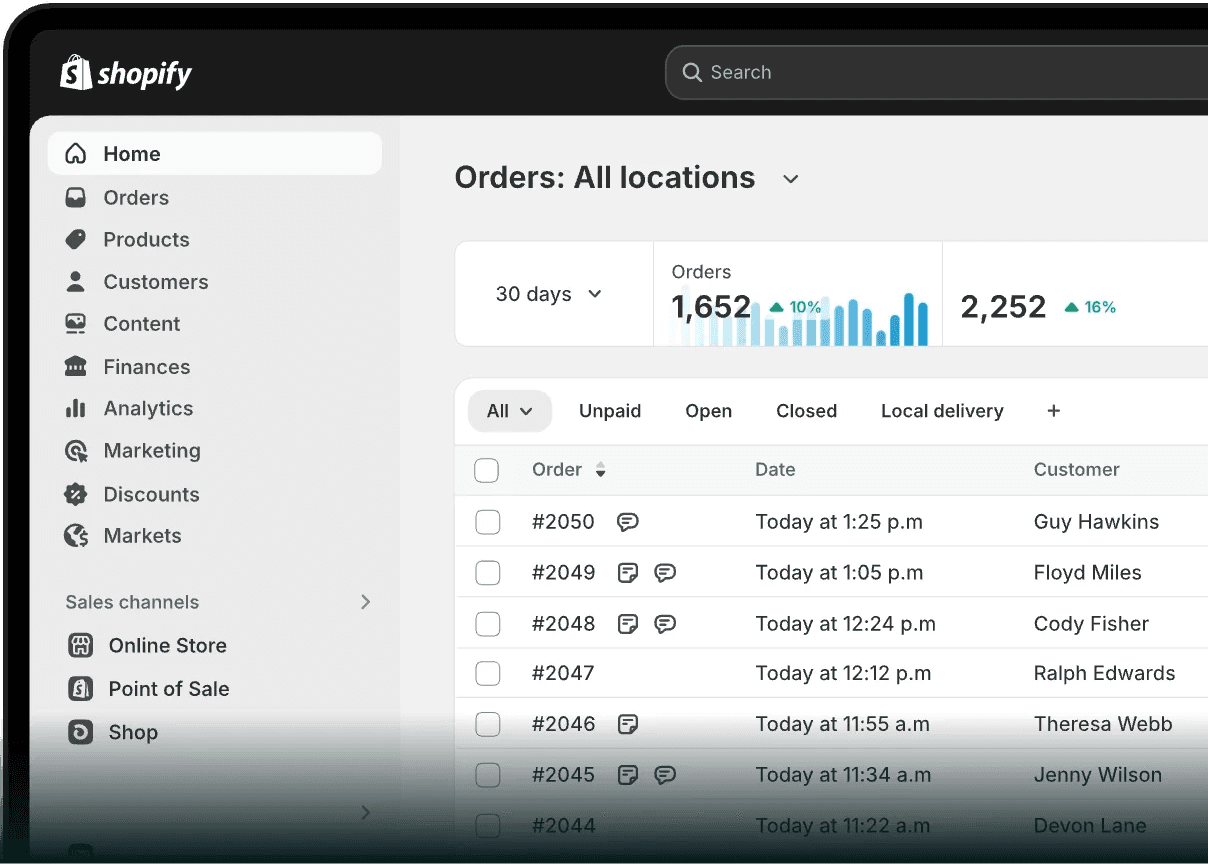
Before you start: what you need to price a product correctly

To price dropshipping products, you need three inputs: true product costs, competitor pricing signals, and a target profit margin you can hold after ad costs. Once you have those, you can calculate a selling price, then validate it against market research and conversion data.
Checklist:
Your supplier’s product cost and shipping cost to your main market
Your payment processing rate and platform fees
A realistic ad cost target per order from your store, or a starter range
5 to 10 competitor prices for similar products and offers
Your target profit margin and a minimum acceptable profit per order
Step 1: Calculate your true landed cost for one unit

True landed cost is the full cost of delivering one order, including product cost, shipping costs, transaction fees, and an allowance for returns. If you price off the supplier cost only, you will underprice and your net margin will collapse as soon as you scale ads.
Time: 10 to 15 minutes
Cost: Free
Tool: Spreadsheet or calculator
Start with this structure. Use dollars, not percentages, so you see the real impact.
True landed cost per order:
Shipping costs to your customer
Payment fees per order
Packaging or handling, if your supplier charges it
Returns allowance per order
A simple way to model it is:
True landed cost = product cost + shipping costs + transaction fees + returns allowance
Returns allowance does not need to be perfect. It needs to be honest. If you see 4 percent refunds on similar products, price in a small buffer now so your profitability stays stable later.
Completion criteria for this step: you have one number that represents the all-in cost of one delivered order before ads.
Step 2: Choose a margin target that matches your ad reality

A target profit margin is not a motivational goal. It is a constraint that protects your cash flow when ad costs rise and competition tightens. Many sellers aim for 20 to 30 percent net margin after all expenses, and keep gross margin high enough that ads still have room.
Time: 8 to 12 minutes
Cost: Free
Tool: Your ad account data if you have it, or a conservative starter benchmark
Separate gross and net so you do not confuse “markup” with “profit.”
Gross margin is what remains after product and shipping costs.
Net margin is what remains after product, shipping, transaction fees, tools, refunds, and ads.
For dropshipping, ads usually decide whether you scale. You need a profit per order number that can survive your average CPA.
Use this rule:
Your dollar profit per order must be higher than your CPA.
If you do not have stable CPA yet, pick a conservative range for testing. Then set a minimum acceptable profit per order that still leaves money after ads.
Completion criteria for this step: you have a target net margin range and a minimum dollar profit per order.
Step 3: Convert your cost and margin into an initial selling price

The cleanest pricing formula is price equals true landed cost plus target margin in dollars. If you want a net margin target, you must set the price high enough that your margin holds after ads and refunds. Use the formula first, then check the competition.
Time: 10 to 15 minutes
Cost: Free
Tool: Spreadsheet
Two practical formulas cover most dropshipping pricing work.
Formula A: Cost-plus markup If your true landed cost is $16 and you add a 50 percent markup, your price becomes $24.
Formula B: Target margin pricing If you want a net margin target, solve for price using:
Price = true landed cost + target profit per order
Your target profit per order is the number that pays for ads and still leaves profit margin.
If you run multiple price tiers, tiered markups keep expensive items from becoming uncompetitive. One common approach is lower percentage markups on higher-cost products and higher percentage markups on low-cost products.
Completion criteria for this step: you have an initial selling price and a minimum price floor.
Step 4: Validate the price against competitor offers and perceived value
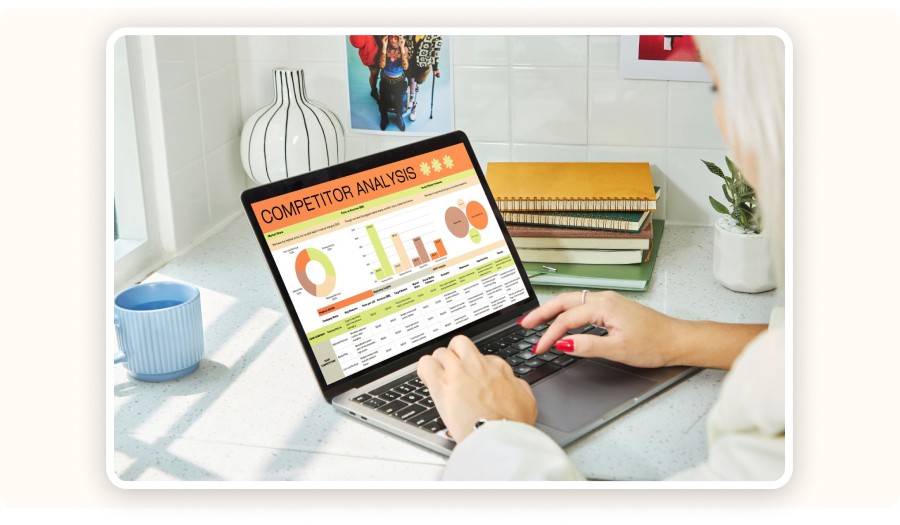
Competitive pricing is not copying the cheapest store. It is matching the offer that customers compare: shipping speed, guarantees, bundle quantity, and trust signals. Your goal is to be in the competitive band while keeping your profit margin intact.
Time: 12 to 20 minutes
Cost: Free
Tool: Google Shopping, TikTok Creative Center, and competitor store pages
Collect 5 to 10 comparable offers.
Compare these elements, because they change what customers accept as a fair selling price:
Shipping costs and delivery time
Bundles and quantity
Guarantee length and return terms
Social proof quality and number of reviews
The creative angle being used in ads
This is where market research matters. If sellers position the same product as a premium solution with strong guarantees, the price ceiling is higher. If the niche is a pure commodity, you win by offering design and cost control, not by squeezing price.
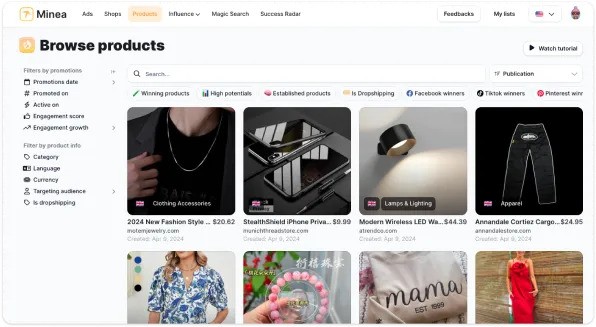
Use Minea as a reality check on positioning. Pull up the product category in Minea, scan the active creatives, and note the dominant angle you keep seeing. A posture corrector belt usually sells on posture pain relief and before-and-after visuals. An LED face mask sells on skin texture improvement and anti-aging hooks. That angle tells you what kind of price story the market accepts.
Completion criteria for this step: you know the competitive price band and the offer elements you must match.


If you run a Shopify dropshipping store, pricing is the fastest way to lose money without noticing. Minea’s current trending product set averages $29.99, which means a $3 mistake in costs can erase most of your profit.
This process gives you a price you can actually defend after shipping, payment fees, ad spend, and returns. You will finish with a clear selling price, a profit target, and guardrails you can reuse across your catalog while ensuring effective inventory management.
What You’ll Achieve : A repeatable pricing model for your dropshipping products; A “true landed cost” number that includes fees and expected refunds; A selling price that protects profit margin while staying competitive
Time: 45 to 75 minutes for your first product, 10 to 15 minutes after that
Cost: $0 to set up the math, plus your normal ad testing budget
Skill level: Intermediate Shopify seller
Create and test your Shopify store for only $1 per day during 90 days
Before you start: what you need to price a product correctly
To price dropshipping products, you need three inputs: true product costs, competitor pricing signals, and a target profit margin you can hold after ad costs. Once you have those, you can calculate a selling price, then validate it against market research and conversion data.
Checklist:
Your supplier’s product cost and shipping cost to your main market
Your payment processing rate and platform fees
A realistic ad cost target per order from your store, or a starter range
5 to 10 competitor prices for similar products and offers
Your target profit margin and a minimum acceptable profit per order
Step 1: Calculate your true landed cost for one unit
True landed cost is the full cost of delivering one order, including product cost, shipping costs, transaction fees, and an allowance for returns. If you price off the supplier cost only, you will underprice and your net margin will collapse as soon as you scale ads.
Time: 10 to 15 minutes
Cost: Free
Tool: Spreadsheet or calculator
Start with this structure. Use dollars, not percentages, so you see the real impact.
True landed cost per order:
Shipping costs to your customer
Payment fees per order
Packaging or handling, if your supplier charges it
Returns allowance per order
A simple way to model it is:
True landed cost = product cost + shipping costs + transaction fees + returns allowance
Returns allowance does not need to be perfect. It needs to be honest. If you see 4 percent refunds on similar products, price in a small buffer now so your profitability stays stable later.
Completion criteria for this step: you have one number that represents the all-in cost of one delivered order before ads.
Step 2: Choose a margin target that matches your ad reality
A target profit margin is not a motivational goal. It is a constraint that protects your cash flow when ad costs rise and competition tightens. Many sellers aim for 20 to 30 percent net margin after all expenses, and keep gross margin high enough that ads still have room.
Time: 8 to 12 minutes
Cost: Free
Tool: Your ad account data if you have it, or a conservative starter benchmark
Separate gross and net so you do not confuse “markup” with “profit.”
Gross margin is what remains after product and shipping costs.
Net margin is what remains after product, shipping, transaction fees, tools, refunds, and ads.
For dropshipping, ads usually decide whether you scale. You need a profit per order number that can survive your average CPA.
Use this rule:
Your dollar profit per order must be higher than your CPA.
If you do not have stable CPA yet, pick a conservative range for testing. Then set a minimum acceptable profit per order that still leaves money after ads.
Completion criteria for this step: you have a target net margin range and a minimum dollar profit per order.
Step 3: Convert your cost and margin into an initial selling price
The cleanest pricing formula is price equals true landed cost plus target margin in dollars. If you want a net margin target, you must set the price high enough that your margin holds after ads and refunds. Use the formula first, then check the competition.
Time: 10 to 15 minutes
Cost: Free
Tool: Spreadsheet
Two practical formulas cover most dropshipping pricing work.
Formula A: Cost-plus markup If your true landed cost is $16 and you add a 50 percent markup, your price becomes $24.
Formula B: Target margin pricing If you want a net margin target, solve for price using:
Price = true landed cost + target profit per order
Your target profit per order is the number that pays for ads and still leaves profit margin.
If you run multiple price tiers, tiered markups keep expensive items from becoming uncompetitive. One common approach is lower percentage markups on higher-cost products and higher percentage markups on low-cost products.
Completion criteria for this step: you have an initial selling price and a minimum price floor.
Step 4: Validate the price against competitor offers and perceived value
Competitive pricing is not copying the cheapest store. It is matching the offer that customers compare: shipping speed, guarantees, bundle quantity, and trust signals. Your goal is to be in the competitive band while keeping your profit margin intact.
Time: 12 to 20 minutes
Cost: Free
Tool: Google Shopping, TikTok Creative Center, and competitor store pages
Collect 5 to 10 comparable offers.
Compare these elements, because they change what customers accept as a fair selling price:
Shipping costs and delivery time
Bundles and quantity
Guarantee length and return terms
Social proof quality and number of reviews
The creative angle being used in ads
This is where market research matters. If sellers position the same product as a premium solution with strong guarantees, the price ceiling is higher. If the niche is a pure commodity, you win by offering design and cost control, not by squeezing price.
Use Minea as a reality check on positioning. Pull up the product category in Minea, scan the active creatives, and note the dominant angle you keep seeing. A posture corrector belt usually sells on posture pain relief and before-and-after visuals. An LED face mask sells on skin texture improvement and anti-aging hooks. That angle tells you what kind of price story the market accepts.
Completion criteria for this step: you know the competitive price band and the offer elements you must match.
If you run a Shopify dropshipping store, pricing is the fastest way to lose money without noticing. Minea’s current trending product set averages $29.99, which means a $3 mistake in costs can erase most of your profit.
This process gives you a price you can actually defend after shipping, payment fees, ad spend, and returns. You will finish with a clear selling price, a profit target, and guardrails you can reuse across your catalog while ensuring effective inventory management.
What You’ll Achieve : A repeatable pricing model for your dropshipping products; A “true landed cost” number that includes fees and expected refunds; A selling price that protects profit margin while staying competitive
Time: 45 to 75 minutes for your first product, 10 to 15 minutes after that
Cost: $0 to set up the math, plus your normal ad testing budget
Skill level: Intermediate Shopify seller
Create and test your Shopify store for only $1 per day during 90 days
Before you start: what you need to price a product correctly
To price dropshipping products, you need three inputs: true product costs, competitor pricing signals, and a target profit margin you can hold after ad costs. Once you have those, you can calculate a selling price, then validate it against market research and conversion data.
Checklist:
Your supplier’s product cost and shipping cost to your main market
Your payment processing rate and platform fees
A realistic ad cost target per order from your store, or a starter range
5 to 10 competitor prices for similar products and offers
Your target profit margin and a minimum acceptable profit per order
Step 1: Calculate your true landed cost for one unit
True landed cost is the full cost of delivering one order, including product cost, shipping costs, transaction fees, and an allowance for returns. If you price off the supplier cost only, you will underprice and your net margin will collapse as soon as you scale ads.
Time: 10 to 15 minutes
Cost: Free
Tool: Spreadsheet or calculator
Start with this structure. Use dollars, not percentages, so you see the real impact.
True landed cost per order:
Shipping costs to your customer
Payment fees per order
Packaging or handling, if your supplier charges it
Returns allowance per order
A simple way to model it is:
True landed cost = product cost + shipping costs + transaction fees + returns allowance
Returns allowance does not need to be perfect. It needs to be honest. If you see 4 percent refunds on similar products, price in a small buffer now so your profitability stays stable later.
Completion criteria for this step: you have one number that represents the all-in cost of one delivered order before ads.
Step 2: Choose a margin target that matches your ad reality
A target profit margin is not a motivational goal. It is a constraint that protects your cash flow when ad costs rise and competition tightens. Many sellers aim for 20 to 30 percent net margin after all expenses, and keep gross margin high enough that ads still have room.
Time: 8 to 12 minutes
Cost: Free
Tool: Your ad account data if you have it, or a conservative starter benchmark
Separate gross and net so you do not confuse “markup” with “profit.”
Gross margin is what remains after product and shipping costs.
Net margin is what remains after product, shipping, transaction fees, tools, refunds, and ads.
For dropshipping, ads usually decide whether you scale. You need a profit per order number that can survive your average CPA.
Use this rule:
Your dollar profit per order must be higher than your CPA.
If you do not have stable CPA yet, pick a conservative range for testing. Then set a minimum acceptable profit per order that still leaves money after ads.
Completion criteria for this step: you have a target net margin range and a minimum dollar profit per order.
Step 3: Convert your cost and margin into an initial selling price
The cleanest pricing formula is price equals true landed cost plus target margin in dollars. If you want a net margin target, you must set the price high enough that your margin holds after ads and refunds. Use the formula first, then check the competition.
Time: 10 to 15 minutes
Cost: Free
Tool: Spreadsheet
Two practical formulas cover most dropshipping pricing work.
Formula A: Cost-plus markup If your true landed cost is $16 and you add a 50 percent markup, your price becomes $24.
Formula B: Target margin pricing If you want a net margin target, solve for price using:
Price = true landed cost + target profit per order
Your target profit per order is the number that pays for ads and still leaves profit margin.
If you run multiple price tiers, tiered markups keep expensive items from becoming uncompetitive. One common approach is lower percentage markups on higher-cost products and higher percentage markups on low-cost products.
Completion criteria for this step: you have an initial selling price and a minimum price floor.
Step 4: Validate the price against competitor offers and perceived value
Competitive pricing is not copying the cheapest store. It is matching the offer that customers compare: shipping speed, guarantees, bundle quantity, and trust signals. Your goal is to be in the competitive band while keeping your profit margin intact.
Time: 12 to 20 minutes
Cost: Free
Tool: Google Shopping, TikTok Creative Center, and competitor store pages
Collect 5 to 10 comparable offers.
Compare these elements, because they change what customers accept as a fair selling price:
Shipping costs and delivery time
Bundles and quantity
Guarantee length and return terms
Social proof quality and number of reviews
The creative angle being used in ads
This is where market research matters. If sellers position the same product as a premium solution with strong guarantees, the price ceiling is higher. If the niche is a pure commodity, you win by offering design and cost control, not by squeezing price.
Use Minea as a reality check on positioning. Pull up the product category in Minea, scan the active creatives, and note the dominant angle you keep seeing. A posture corrector belt usually sells on posture pain relief and before-and-after visuals. An LED face mask sells on skin texture improvement and anti-aging hooks. That angle tells you what kind of price story the market accepts.
Completion criteria for this step: you know the competitive price band and the offer elements you must match.
Step 5: Build a price ladder for AOV and conversion testing

One price is rarely the best answer in dropshipping. A price ladder lets you protect conversion rate at the entry level while increasing profitability with bundles. This is the simplest lever to raise AOV without changing your product.
Time: 12 to 18 minutes
Cost: Free
Tool: Shopify pricing, bundles, and checkout settings
Create three options:
Single unit at your competitive price point
Two-pack with a clear per-unit saving
Three-pack with the best per-unit value and the highest gross profit dollars
Keep the ladder simple. Customers should understand the value in one glance.
If you want a baseline grounded in what sells, start with market signals. Minea’s current trending product set shows an average product price of $29.99 across items like portable blenders and smart ring fitness trackers. Use that as a sanity check for what your audience already buys without heavy education.
Completion criteria for this step: you have three prices, and you know which option is designed to be your profit driver.
Step 6: Set guardrails so you do not ruin profitability when you scale ads
Pricing fails at scale because costs drift. Shipping costs rise, refunds increase, and CPM changes. Guardrails keep your selling price aligned with true costs and competition, so your net margin stays predictable.
Time: 10 to 15 minutes
Cost: Free
Tool: Spreadsheet plus a weekly review habit
Set three guardrails:
Minimum profit per order This is your number after product, shipping, and fees. It must cover CPA and still leave profit.
Maximum cost ratio Many pricing playbooks target total product and shipping under a fixed share of your sale price. If your costs creep up, raise price or change supplier fast.
Repricing cadence Review pricing weekly during active testing. After you stabilize, review every two to four weeks or when you see a conversion drop.
To make this practical, use supplier country risk as part of your guardrail. If your supplier country mix is mostly China, you need a buffer for delivery delays and higher support costs. Minea’s supplier country mix for current trends includes China, Turkey, and Vietnam. That range is a reminder that shipping costs and timelines are part of pricing strategy, not an operational detail.
Completion criteria for this step: you have a minimum profit number, a maximum cost ratio, and a schedule for repricing.
Common pricing mistakes that cause dropshippers to fail

Most pricing failures come from ignoring ad costs, copying competitor prices without matching the offer, and underestimating refunds. Fixing these three issues usually improves profitability faster than changing products.
Pricing off supplier cost instead of true landed cost You see a $9 product and price it at $19. Your transaction fees, shipping costs, and support time erase the margin. Fix: build true landed cost for every product before you publish it.
Using one price with no bundles You force every customer into the same AOV. Your CPA stays the same, but profit dollars per order stay low. Fix: launch a three-level ladder and aim to shift volume to your two-pack or three-pack.
Matching the lowest competitor without matching the offer You price at $24.99 because someone else does. Their shipping is faster and they offer a longer guarantee. Your conversion rate drops. Fix: compare the full offer and compete on perceived value, not just price.
Expected results and a realistic timeline
In the first week, you should expect to test pricing bands and bundles while tracking conversion rate and profit per order. Over two to four weeks, you should settle on a price ladder that protects margin and keeps CPA below your dollar profit. Your goal is stable net margin, not a perfect price on day one.
Timeframe | What to expect | Benchmark to watch |
|---|---|---|
Day 1 to 3 | True landed cost and first price ladder live | You can explain your price in one sentence |
Week 1 | Early conversion rate and refund signal | Profit per order stays above CPA target |
Week 2 to 4 | Bundle mix stabilizes and you refine price band | Net margin trend moves toward your target range |
Month 2 to 3 | Scaling winners and repricing based on competition | Price changes are small and predictable |
Minea
Reach $1,000 per day or get your money back

Verdict
Pricing dropshipping products works when you start from true landed cost, set a minimum profit per order that can beat your CPA, then validate your selling price against the competitive offer in your niche. A simple bundle ladder protects conversion while increasing profit dollars per order.
Pricing dropshipping products comes down to one thing: protect profit margin with honest costs, then validate your selling price against real competitor offers. Use true landed cost, set a minimum profit per order, and build a bundle ladder so AOV can carry your CPA.
If you want to move faster, Minea helps you validate the market side of pricing. You can check which creatives and angles are actively running for your product category, then align your offer and price band with what is already converting.
FAQ
These answers cover the most common pricing questions dropshippers ask, including margin targets, fast price calculations, free shipping, and why pricing breaks when you scale.
What are the 5 C’s of pricing in ecommerce and dropshipping?
The 5 C’s of pricing are costs, customers, competition, channel, and constraints. Costs define your true floor. Customers and perceived value define your ceiling. Competition sets the acceptable band. Channel affects fees and conversion. Constraints are your margin targets and cash flow limits.
How do I calculate a dropshipping price quickly?
Start with true landed cost per order, then add a target profit per order that can pay for ads. That gives you a minimum price floor. Then check 5 to 10 competitors and adjust your offer with shipping, guarantees, and bundles so you can hold your margin without racing to the bottom.
What is a good profit margin for dropshipping?
Many sellers aim for a net margin of 20 to 30 percent after all expenses. Your exact target depends on CPA, refund rate, and how competitive the niche is. Set a minimum dollar profit per order that stays higher than your CPA so you can scale without losing money.
Should I offer free shipping in my dropshipping store?
Free shipping can improve conversion, but it only works if you bake shipping costs into the selling price. If you cannot hold your minimum profit per order after adding shipping, keep paid shipping or set a threshold such as free shipping over a certain cart value to protect profitability.
Why do so many dropshippers fail to scale after they find a product?
Pricing is a common failure point because sellers scale ads before they understand true landed cost, refunds, and support load. They also copy competitor prices without matching the full offer, which kills conversion rate. A simple price ladder and weekly guardrails usually fix the scaling problem faster than switching products.
How often should I adjust my dropshipping product prices?
Adjust weekly during active testing, especially if costs or CPA change. After you find stability, review every two to four weeks, or sooner if conversion rate drops or competitors change offers. Keep adjustments small so you do not create trust issues with returning customers.
Step 5: Build a price ladder for AOV and conversion testing
One price is rarely the best answer in dropshipping. A price ladder lets you protect conversion rate at the entry level while increasing profitability with bundles. This is the simplest lever to raise AOV without changing your product.
Time: 12 to 18 minutes
Cost: Free
Tool: Shopify pricing, bundles, and checkout settings
Create three options:
Single unit at your competitive price point
Two-pack with a clear per-unit saving
Three-pack with the best per-unit value and the highest gross profit dollars
Keep the ladder simple. Customers should understand the value in one glance.
If you want a baseline grounded in what sells, start with market signals. Minea’s current trending product set shows an average product price of $29.99 across items like portable blenders and smart ring fitness trackers. Use that as a sanity check for what your audience already buys without heavy education.
Completion criteria for this step: you have three prices, and you know which option is designed to be your profit driver.
Step 6: Set guardrails so you do not ruin profitability when you scale ads
Pricing fails at scale because costs drift. Shipping costs rise, refunds increase, and CPM changes. Guardrails keep your selling price aligned with true costs and competition, so your net margin stays predictable.
Time: 10 to 15 minutes
Cost: Free
Tool: Spreadsheet plus a weekly review habit
Set three guardrails:
Minimum profit per order This is your number after product, shipping, and fees. It must cover CPA and still leave profit.
Maximum cost ratio Many pricing playbooks target total product and shipping under a fixed share of your sale price. If your costs creep up, raise price or change supplier fast.
Repricing cadence Review pricing weekly during active testing. After you stabilize, review every two to four weeks or when you see a conversion drop.
To make this practical, use supplier country risk as part of your guardrail. If your supplier country mix is mostly China, you need a buffer for delivery delays and higher support costs. Minea’s supplier country mix for current trends includes China, Turkey, and Vietnam. That range is a reminder that shipping costs and timelines are part of pricing strategy, not an operational detail.
Completion criteria for this step: you have a minimum profit number, a maximum cost ratio, and a schedule for repricing.
Common pricing mistakes that cause dropshippers to fail
Most pricing failures come from ignoring ad costs, copying competitor prices without matching the offer, and underestimating refunds. Fixing these three issues usually improves profitability faster than changing products.
Pricing off supplier cost instead of true landed cost You see a $9 product and price it at $19. Your transaction fees, shipping costs, and support time erase the margin. Fix: build true landed cost for every product before you publish it.
Using one price with no bundles You force every customer into the same AOV. Your CPA stays the same, but profit dollars per order stay low. Fix: launch a three-level ladder and aim to shift volume to your two-pack or three-pack.
Matching the lowest competitor without matching the offer You price at $24.99 because someone else does. Their shipping is faster and they offer a longer guarantee. Your conversion rate drops. Fix: compare the full offer and compete on perceived value, not just price.
Expected results and a realistic timeline
In the first week, you should expect to test pricing bands and bundles while tracking conversion rate and profit per order. Over two to four weeks, you should settle on a price ladder that protects margin and keeps CPA below your dollar profit. Your goal is stable net margin, not a perfect price on day one.
Timeframe | What to expect | Benchmark to watch |
|---|---|---|
Day 1 to 3 | True landed cost and first price ladder live | You can explain your price in one sentence |
Week 1 | Early conversion rate and refund signal | Profit per order stays above CPA target |
Week 2 to 4 | Bundle mix stabilizes and you refine price band | Net margin trend moves toward your target range |
Month 2 to 3 | Scaling winners and repricing based on competition | Price changes are small and predictable |
Minea
Reach $1,000 per day or get your money back
Verdict
Pricing dropshipping products works when you start from true landed cost, set a minimum profit per order that can beat your CPA, then validate your selling price against the competitive offer in your niche. A simple bundle ladder protects conversion while increasing profit dollars per order.
Pricing dropshipping products comes down to one thing: protect profit margin with honest costs, then validate your selling price against real competitor offers. Use true landed cost, set a minimum profit per order, and build a bundle ladder so AOV can carry your CPA.
If you want to move faster, Minea helps you validate the market side of pricing. You can check which creatives and angles are actively running for your product category, then align your offer and price band with what is already converting.
FAQ
These answers cover the most common pricing questions dropshippers ask, including margin targets, fast price calculations, free shipping, and why pricing breaks when you scale.
What are the 5 C’s of pricing in ecommerce and dropshipping?
The 5 C’s of pricing are costs, customers, competition, channel, and constraints. Costs define your true floor. Customers and perceived value define your ceiling. Competition sets the acceptable band. Channel affects fees and conversion. Constraints are your margin targets and cash flow limits.
How do I calculate a dropshipping price quickly?
Start with true landed cost per order, then add a target profit per order that can pay for ads. That gives you a minimum price floor. Then check 5 to 10 competitors and adjust your offer with shipping, guarantees, and bundles so you can hold your margin without racing to the bottom.
What is a good profit margin for dropshipping?
Many sellers aim for a net margin of 20 to 30 percent after all expenses. Your exact target depends on CPA, refund rate, and how competitive the niche is. Set a minimum dollar profit per order that stays higher than your CPA so you can scale without losing money.
Should I offer free shipping in my dropshipping store?
Free shipping can improve conversion, but it only works if you bake shipping costs into the selling price. If you cannot hold your minimum profit per order after adding shipping, keep paid shipping or set a threshold such as free shipping over a certain cart value to protect profitability.
Why do so many dropshippers fail to scale after they find a product?
Pricing is a common failure point because sellers scale ads before they understand true landed cost, refunds, and support load. They also copy competitor prices without matching the full offer, which kills conversion rate. A simple price ladder and weekly guardrails usually fix the scaling problem faster than switching products.
How often should I adjust my dropshipping product prices?
Adjust weekly during active testing, especially if costs or CPA change. After you find stability, review every two to four weeks, or sooner if conversion rate drops or competitors change offers. Keep adjustments small so you do not create trust issues with returning customers.
Step 5: Build a price ladder for AOV and conversion testing
One price is rarely the best answer in dropshipping. A price ladder lets you protect conversion rate at the entry level while increasing profitability with bundles. This is the simplest lever to raise AOV without changing your product.
Time: 12 to 18 minutes
Cost: Free
Tool: Shopify pricing, bundles, and checkout settings
Create three options:
Single unit at your competitive price point
Two-pack with a clear per-unit saving
Three-pack with the best per-unit value and the highest gross profit dollars
Keep the ladder simple. Customers should understand the value in one glance.
If you want a baseline grounded in what sells, start with market signals. Minea’s current trending product set shows an average product price of $29.99 across items like portable blenders and smart ring fitness trackers. Use that as a sanity check for what your audience already buys without heavy education.
Completion criteria for this step: you have three prices, and you know which option is designed to be your profit driver.
Step 6: Set guardrails so you do not ruin profitability when you scale ads
Pricing fails at scale because costs drift. Shipping costs rise, refunds increase, and CPM changes. Guardrails keep your selling price aligned with true costs and competition, so your net margin stays predictable.
Time: 10 to 15 minutes
Cost: Free
Tool: Spreadsheet plus a weekly review habit
Set three guardrails:
Minimum profit per order This is your number after product, shipping, and fees. It must cover CPA and still leave profit.
Maximum cost ratio Many pricing playbooks target total product and shipping under a fixed share of your sale price. If your costs creep up, raise price or change supplier fast.
Repricing cadence Review pricing weekly during active testing. After you stabilize, review every two to four weeks or when you see a conversion drop.
To make this practical, use supplier country risk as part of your guardrail. If your supplier country mix is mostly China, you need a buffer for delivery delays and higher support costs. Minea’s supplier country mix for current trends includes China, Turkey, and Vietnam. That range is a reminder that shipping costs and timelines are part of pricing strategy, not an operational detail.
Completion criteria for this step: you have a minimum profit number, a maximum cost ratio, and a schedule for repricing.
Common pricing mistakes that cause dropshippers to fail
Most pricing failures come from ignoring ad costs, copying competitor prices without matching the offer, and underestimating refunds. Fixing these three issues usually improves profitability faster than changing products.
Pricing off supplier cost instead of true landed cost You see a $9 product and price it at $19. Your transaction fees, shipping costs, and support time erase the margin. Fix: build true landed cost for every product before you publish it.
Using one price with no bundles You force every customer into the same AOV. Your CPA stays the same, but profit dollars per order stay low. Fix: launch a three-level ladder and aim to shift volume to your two-pack or three-pack.
Matching the lowest competitor without matching the offer You price at $24.99 because someone else does. Their shipping is faster and they offer a longer guarantee. Your conversion rate drops. Fix: compare the full offer and compete on perceived value, not just price.
Expected results and a realistic timeline
In the first week, you should expect to test pricing bands and bundles while tracking conversion rate and profit per order. Over two to four weeks, you should settle on a price ladder that protects margin and keeps CPA below your dollar profit. Your goal is stable net margin, not a perfect price on day one.
Timeframe | What to expect | Benchmark to watch |
|---|---|---|
Day 1 to 3 | True landed cost and first price ladder live | You can explain your price in one sentence |
Week 1 | Early conversion rate and refund signal | Profit per order stays above CPA target |
Week 2 to 4 | Bundle mix stabilizes and you refine price band | Net margin trend moves toward your target range |
Month 2 to 3 | Scaling winners and repricing based on competition | Price changes are small and predictable |
Minea
Reach $1,000 per day or get your money back
Verdict
Pricing dropshipping products works when you start from true landed cost, set a minimum profit per order that can beat your CPA, then validate your selling price against the competitive offer in your niche. A simple bundle ladder protects conversion while increasing profit dollars per order.
Pricing dropshipping products comes down to one thing: protect profit margin with honest costs, then validate your selling price against real competitor offers. Use true landed cost, set a minimum profit per order, and build a bundle ladder so AOV can carry your CPA.
If you want to move faster, Minea helps you validate the market side of pricing. You can check which creatives and angles are actively running for your product category, then align your offer and price band with what is already converting.
FAQ
These answers cover the most common pricing questions dropshippers ask, including margin targets, fast price calculations, free shipping, and why pricing breaks when you scale.
What are the 5 C’s of pricing in ecommerce and dropshipping?
The 5 C’s of pricing are costs, customers, competition, channel, and constraints. Costs define your true floor. Customers and perceived value define your ceiling. Competition sets the acceptable band. Channel affects fees and conversion. Constraints are your margin targets and cash flow limits.
How do I calculate a dropshipping price quickly?
Start with true landed cost per order, then add a target profit per order that can pay for ads. That gives you a minimum price floor. Then check 5 to 10 competitors and adjust your offer with shipping, guarantees, and bundles so you can hold your margin without racing to the bottom.
What is a good profit margin for dropshipping?
Many sellers aim for a net margin of 20 to 30 percent after all expenses. Your exact target depends on CPA, refund rate, and how competitive the niche is. Set a minimum dollar profit per order that stays higher than your CPA so you can scale without losing money.
Should I offer free shipping in my dropshipping store?
Free shipping can improve conversion, but it only works if you bake shipping costs into the selling price. If you cannot hold your minimum profit per order after adding shipping, keep paid shipping or set a threshold such as free shipping over a certain cart value to protect profitability.
Why do so many dropshippers fail to scale after they find a product?
Pricing is a common failure point because sellers scale ads before they understand true landed cost, refunds, and support load. They also copy competitor prices without matching the full offer, which kills conversion rate. A simple price ladder and weekly guardrails usually fix the scaling problem faster than switching products.
How often should I adjust my dropshipping product prices?
Adjust weekly during active testing, especially if costs or CPA change. After you find stability, review every two to four weeks, or sooner if conversion rate drops or competitors change offers. Keep adjustments small so you do not create trust issues with returning customers.
Similar articles





Our Free Adspys

Find winning products on our Tiktok adspy today!
Find winning products on our Facebook adspy today!
Find winning products on our Tiktok adspy today!
Find winning products on our Facebook adspy today!
Find winning products on our Tiktok adspy today!
Find winning products on our Facebook adspy today!
Find winning products on our Tiktok adspy today!
Find winning products on our Facebook adspy today!
1 winning product everyday.
Follow us!






Find out more
Read more
Minea © 2026
Find out more
Read more
Minea © 2026
Find out more
Read more
Minea © 2026
Find out more
Read more
Minea © 2026
Find out more
Read more
Minea © 2026
Find out more
Read more
Minea © 2026