How to Remove Your Supplier’s Branding in White Label Dropshipping
Dropshipping inventory management
Author:
December 24, 2025
Contents
With white label dropshipping, you get to sell products under your own brand, without managing inventory or manufacturing. How does it work? You purchase a generic product, add your logo, and the customer only sees your brand. This gives you more control, higher margins, and fewer risks.
To make it work, you must remove every trace of the supplier: logo, packaging, and any visible branding. Your goal is to completely hide the manufacturer’s identity so customers experience a fully branded product from your store.
So, what tools and methods should you use to remove supplier branding in white label dropshipping? Here’s everything you need to know.

With white label dropshipping, you get to sell products under your own brand, without managing inventory or manufacturing. How does it work? You purchase a generic product, add your logo, and the customer only sees your brand. This gives you more control, higher margins, and fewer risks.
To make it work, you must remove every trace of the supplier: logo, packaging, and any visible branding. Your goal is to completely hide the manufacturer’s identity so customers experience a fully branded product from your store.
So, what tools and methods should you use to remove supplier branding in white label dropshipping? Here’s everything you need to know.
With white label dropshipping, you get to sell products under your own brand, without managing inventory or manufacturing. How does it work? You purchase a generic product, add your logo, and the customer only sees your brand. This gives you more control, higher margins, and fewer risks.
To make it work, you must remove every trace of the supplier: logo, packaging, and any visible branding. Your goal is to completely hide the manufacturer’s identity so customers experience a fully branded product from your store.
So, what tools and methods should you use to remove supplier branding in white label dropshipping? Here’s everything you need to know.
With white label dropshipping, you get to sell products under your own brand, without managing inventory or manufacturing. How does it work? You purchase a generic product, add your logo, and the customer only sees your brand. This gives you more control, higher margins, and fewer risks.
To make it work, you must remove every trace of the supplier: logo, packaging, and any visible branding. Your goal is to completely hide the manufacturer’s identity so customers experience a fully branded product from your store.
So, what tools and methods should you use to remove supplier branding in white label dropshipping? Here’s everything you need to know.
With white label dropshipping, you get to sell products under your own brand, without managing inventory or manufacturing. How does it work? You purchase a generic product, add your logo, and the customer only sees your brand. This gives you more control, higher margins, and fewer risks.
To make it work, you must remove every trace of the supplier: logo, packaging, and any visible branding. Your goal is to completely hide the manufacturer’s identity so customers experience a fully branded product from your store.
So, what tools and methods should you use to remove supplier branding in white label dropshipping? Here’s everything you need to know.
With white label dropshipping, you get to sell products under your own brand, without managing inventory or manufacturing. How does it work? You purchase a generic product, add your logo, and the customer only sees your brand. This gives you more control, higher margins, and fewer risks.
To make it work, you must remove every trace of the supplier: logo, packaging, and any visible branding. Your goal is to completely hide the manufacturer’s identity so customers experience a fully branded product from your store.
So, what tools and methods should you use to remove supplier branding in white label dropshipping? Here’s everything you need to know.
What Are the Steps to Launch a Successful White Label Dropshipping Store?
Launching a dropshipping white label store requires structure and precision. Each step matters if you want to build a solid, trustworthy, and profitable brand. Follow this action plan to start on the right track.
Step 1: Find a Reliable White Label Supplier
Your supplier is the foundation of your business. Without reliability, branding becomes impossible.
Where to Find a White Label Supplier
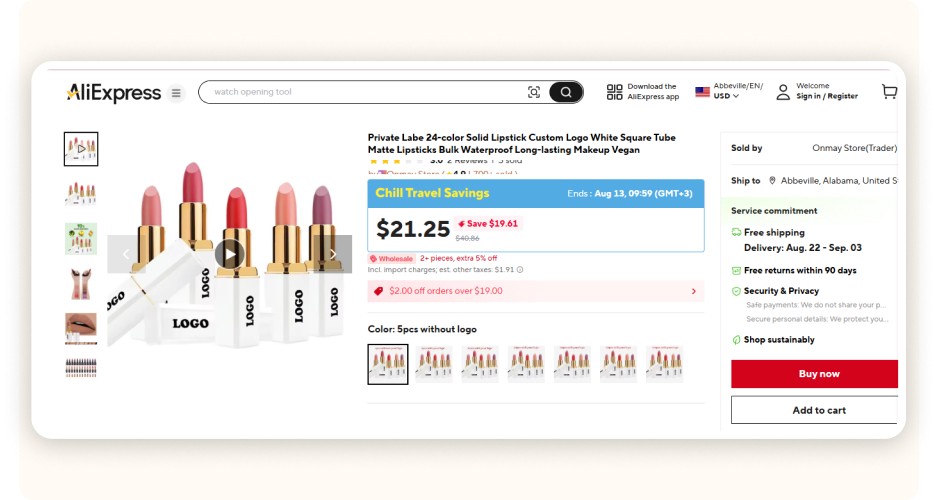
The best white label vendors are already online. AliExpress is the most commonly used platform. Many sellers offer branding on request, but choose carefully. Filter suppliers with high ratings and message them directly to confirm if they can remove a brand from the packaging or product.
For a more professional service, try Printful or Wiio.
Printful is ideal for white label and custom products like mugs, t-shirts, and lifestyle items.
Wiio helps manage orders, customizes packaging, and provides hands-on support.
HyperSKU is another great option. It offers a clean interface, fast delivery times, strong tracking tools, and polished branding options. It’s one of the best platforms for creating a real white label dropshipping store with consistent product quality.
How to Choose a Reliable Supplier

The success of your dropshipping white label store depends 80% on choosing the right supplier. You need someone who provides quality control and delivers clean, brand-free fulfillment. Here’s what to compare:
Delivery times (ideally under 10 days)
Shipping fees
MOQ (Minimum Order Quantity), required by some suppliers, optional for others
Branding options:
Can you add your own logo?
Custom packaging?
A branded thank-you card?
If the supplier can’t support these essential white label products dropship requirements, move on. You need someone who can deliver unbranded products cleanly and consistently.
Step 2: Choose a Niche and Winning Products
You can’t build a strong brand without a winning product. In white label dropshipping, you shouldn’t just pick a popular item, you need a product with real branding potential. How do you find it? By using reliable tools like Minea.
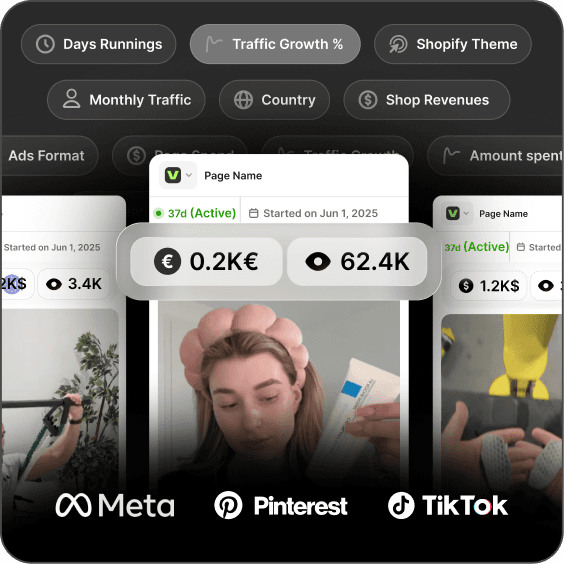
Minea gives you advanced filters that help you identify trending products across Facebook, TikTok, and Pinterest in just a few clicks. For example: a face gel that went viral with over 2 million views on TikTok and is already being sold through branded white label stores. With Minea, you can also spy on successful shops already using white label techniques.
Complete your product research with:
Google Trends to validate long-term demand
TikTok Analytics to spot real-time viral products
AdSpy to analyze which ads actually convert
To succeed, choose a clear niche (beauty, wellness, pets, etc.) and select a product with strong emotional appeal. Make sure your white label dropshipping suppliers can customize it with your branding.
Step 3: Build Your E-Commerce Store
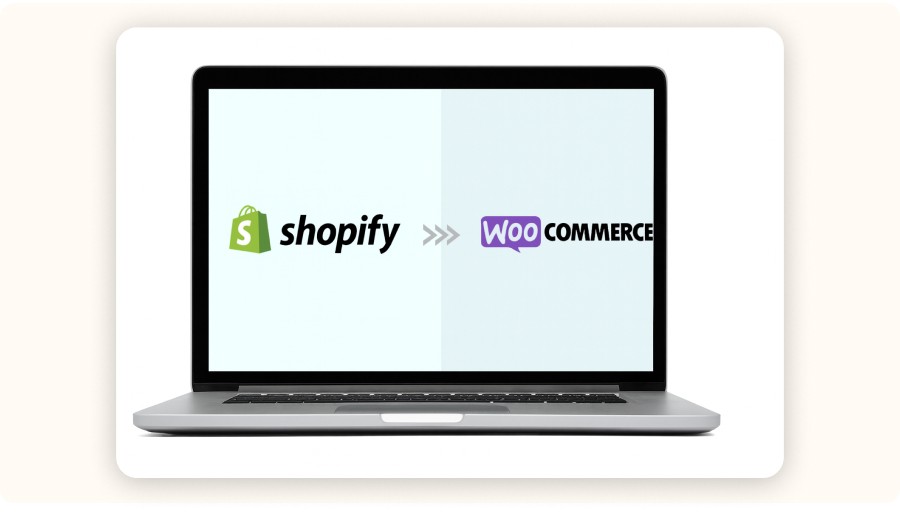
To build your store, choose between Shopify and WooCommerce.
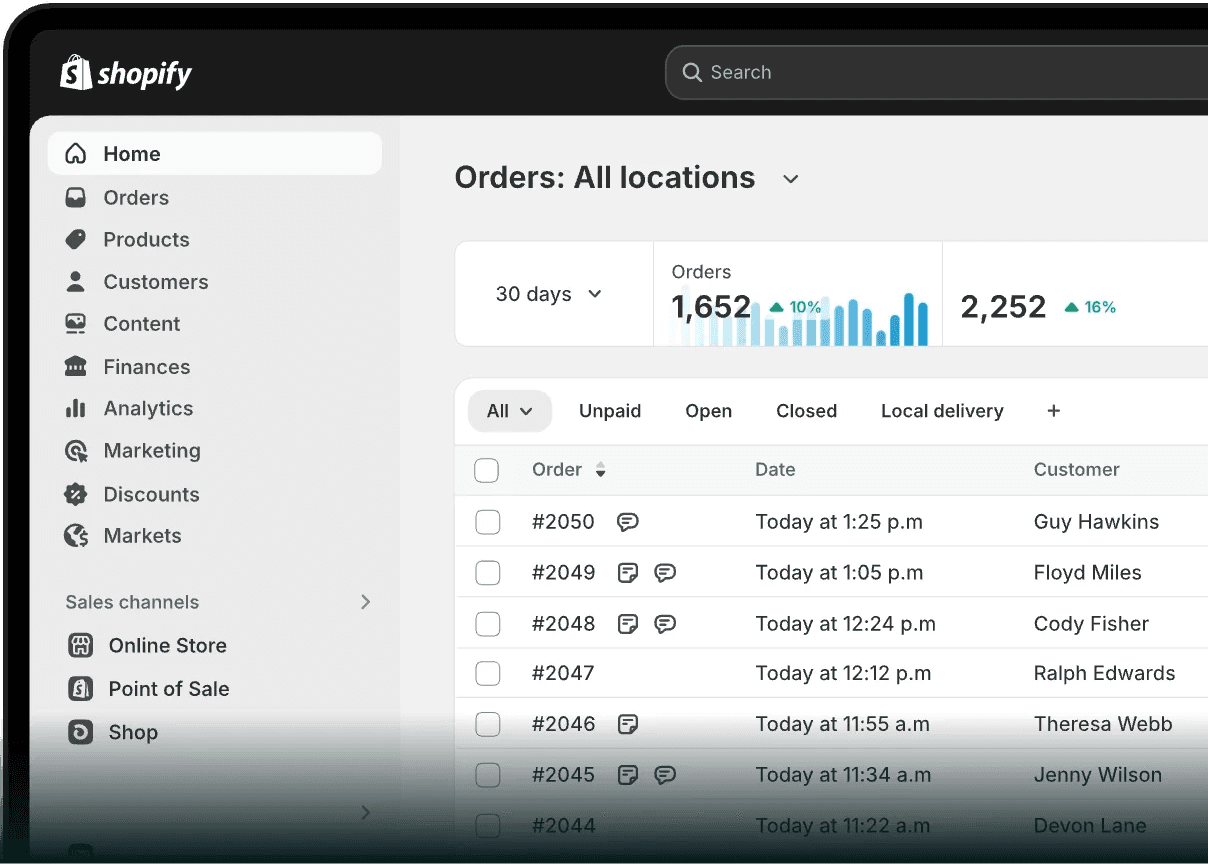
Shopify is the easiest and fastest platform for launching a dropshipping white label store. Its intuitive interface, optimized themes, and seamless app integrations make it beginner-friendly.
WooCommerce is more technical but offers maximum flexibility. It’s ideal if you already have a WordPress site and want full control over your store.
Regardless of the platform you pick, your website must inspire trust. Install fulfillment plugins designed for white label products dropship, such as Printful, DSers, or Wiio. These tools automatically sync your store with the supplier and integrate branding options.
Also, optimize your user experience (UX) starting from the homepage:
Visible customer reviews
Clear shipping information
Simple, reassuring return policy
A polished website proves your brand is real and trustworthy. Test your entire customer journey—from homepage to checkout—to ensure everything runs smoothly. Every click matters.
Step 4: Build Your Brand Identity

In white label dropshipping, your brand identity is everything.
To succeed, create a unique universe around your store by designing:
a striking logo,
a memorable slogan,
personalized packaging.
Your goal is simple: make sure the customer instantly recognizes your visual identity. Use tools like Canva, Looka, or Fiverr to create professional branding quickly, no designer needed.
According to branding experts, a strong brand relies on consistency and recognizability. Apply this to every customer touchpoint:
logo on product pages
consistent social media design
branded packaging from the first order
Don’t overlook post-purchase moments. Add a branded insert card in every package (thank you message, discount code, QR code to social media). And set up automated email flows: order confirmation, tracking updates, review requests, return support. These details turn a one-time buyer into a loyal customer.
Want inspiration from brands that already succeed with dropshipping white label strategies? Search for ideas on Minea. Analyze their website, logo, and storytelling. Get inspired, without copying

What Are the Steps to Launch a Successful White Label Dropshipping Store?
Launching a dropshipping white label store requires structure and precision. Each step matters if you want to build a solid, trustworthy, and profitable brand. Follow this action plan to start on the right track.
Step 1: Find a Reliable White Label Supplier
Your supplier is the foundation of your business. Without reliability, branding becomes impossible.
Where to Find a White Label Supplier

The best white label vendors are already online. AliExpress is the most commonly used platform. Many sellers offer branding on request, but choose carefully. Filter suppliers with high ratings and message them directly to confirm if they can remove a brand from the packaging or product.
For a more professional service, try Printful or Wiio.
Printful is ideal for white label and custom products like mugs, t-shirts, and lifestyle items.
Wiio helps manage orders, customizes packaging, and provides hands-on support.
HyperSKU is another great option. It offers a clean interface, fast delivery times, strong tracking tools, and polished branding options. It’s one of the best platforms for creating a real white label dropshipping store with consistent product quality.
How to Choose a Reliable Supplier

The success of your dropshipping white label store depends 80% on choosing the right supplier. You need someone who provides quality control and delivers clean, brand-free fulfillment. Here’s what to compare:
Delivery times (ideally under 10 days)
Shipping fees
MOQ (Minimum Order Quantity), required by some suppliers, optional for others
Branding options:
Can you add your own logo?
Custom packaging?
A branded thank-you card?
If the supplier can’t support these essential white label products dropship requirements, move on. You need someone who can deliver unbranded products cleanly and consistently.
Step 2: Choose a Niche and Winning Products

You can’t build a strong brand without a winning product. In white label dropshipping, you shouldn’t just pick a popular item, you need a product with real branding potential. How do you find it? By using reliable tools like Minea.
Minea gives you advanced filters that help you identify trending products across Facebook, TikTok, and Pinterest in just a few clicks. For example: a face gel that went viral with over 2 million views on TikTok and is already being sold through branded white label stores. With Minea, you can also spy on successful shops already using white label techniques.
Complete your product research with:
Google Trends to validate long-term demand
TikTok Analytics to spot real-time viral products
AdSpy to analyze which ads actually convert
To succeed, choose a clear niche (beauty, wellness, pets, etc.) and select a product with strong emotional appeal. Make sure your white label dropshipping suppliers can customize it with your branding.
Step 3: Build Your E-Commerce Store

To build your store, choose between Shopify and WooCommerce.
Shopify is the easiest and fastest platform for launching a dropshipping white label store. Its intuitive interface, optimized themes, and seamless app integrations make it beginner-friendly.
WooCommerce is more technical but offers maximum flexibility. It’s ideal if you already have a WordPress site and want full control over your store.
Regardless of the platform you pick, your website must inspire trust. Install fulfillment plugins designed for white label products dropship, such as Printful, DSers, or Wiio. These tools automatically sync your store with the supplier and integrate branding options.
Also, optimize your user experience (UX) starting from the homepage:
Visible customer reviews
Clear shipping information
Simple, reassuring return policy
A polished website proves your brand is real and trustworthy. Test your entire customer journey—from homepage to checkout—to ensure everything runs smoothly. Every click matters.
Step 4: Build Your Brand Identity

In white label dropshipping, your brand identity is everything.
To succeed, create a unique universe around your store by designing:
a striking logo,
a memorable slogan,
personalized packaging.
Your goal is simple: make sure the customer instantly recognizes your visual identity. Use tools like Canva, Looka, or Fiverr to create professional branding quickly, no designer needed.
According to branding experts, a strong brand relies on consistency and recognizability. Apply this to every customer touchpoint:
logo on product pages
consistent social media design
branded packaging from the first order
Don’t overlook post-purchase moments. Add a branded insert card in every package (thank you message, discount code, QR code to social media). And set up automated email flows: order confirmation, tracking updates, review requests, return support. These details turn a one-time buyer into a loyal customer.
Want inspiration from brands that already succeed with dropshipping white label strategies? Search for ideas on Minea. Analyze their website, logo, and storytelling. Get inspired, without copying
What Are the Steps to Launch a Successful White Label Dropshipping Store?
Launching a dropshipping white label store requires structure and precision. Each step matters if you want to build a solid, trustworthy, and profitable brand. Follow this action plan to start on the right track.
Step 1: Find a Reliable White Label Supplier
Your supplier is the foundation of your business. Without reliability, branding becomes impossible.
Where to Find a White Label Supplier

The best white label vendors are already online. AliExpress is the most commonly used platform. Many sellers offer branding on request, but choose carefully. Filter suppliers with high ratings and message them directly to confirm if they can remove a brand from the packaging or product.
For a more professional service, try Printful or Wiio.
Printful is ideal for white label and custom products like mugs, t-shirts, and lifestyle items.
Wiio helps manage orders, customizes packaging, and provides hands-on support.
HyperSKU is another great option. It offers a clean interface, fast delivery times, strong tracking tools, and polished branding options. It’s one of the best platforms for creating a real white label dropshipping store with consistent product quality.
How to Choose a Reliable Supplier

The success of your dropshipping white label store depends 80% on choosing the right supplier. You need someone who provides quality control and delivers clean, brand-free fulfillment. Here’s what to compare:
Delivery times (ideally under 10 days)
Shipping fees
MOQ (Minimum Order Quantity), required by some suppliers, optional for others
Branding options:
Can you add your own logo?
Custom packaging?
A branded thank-you card?
If the supplier can’t support these essential white label products dropship requirements, move on. You need someone who can deliver unbranded products cleanly and consistently.
Step 2: Choose a Niche and Winning Products

You can’t build a strong brand without a winning product. In white label dropshipping, you shouldn’t just pick a popular item, you need a product with real branding potential. How do you find it? By using reliable tools like Minea.
Minea gives you advanced filters that help you identify trending products across Facebook, TikTok, and Pinterest in just a few clicks. For example: a face gel that went viral with over 2 million views on TikTok and is already being sold through branded white label stores. With Minea, you can also spy on successful shops already using white label techniques.
Complete your product research with:
Google Trends to validate long-term demand
TikTok Analytics to spot real-time viral products
AdSpy to analyze which ads actually convert
To succeed, choose a clear niche (beauty, wellness, pets, etc.) and select a product with strong emotional appeal. Make sure your white label dropshipping suppliers can customize it with your branding.
Step 3: Build Your E-Commerce Store

To build your store, choose between Shopify and WooCommerce.
Shopify is the easiest and fastest platform for launching a dropshipping white label store. Its intuitive interface, optimized themes, and seamless app integrations make it beginner-friendly.
WooCommerce is more technical but offers maximum flexibility. It’s ideal if you already have a WordPress site and want full control over your store.
Regardless of the platform you pick, your website must inspire trust. Install fulfillment plugins designed for white label products dropship, such as Printful, DSers, or Wiio. These tools automatically sync your store with the supplier and integrate branding options.
Also, optimize your user experience (UX) starting from the homepage:
Visible customer reviews
Clear shipping information
Simple, reassuring return policy
A polished website proves your brand is real and trustworthy. Test your entire customer journey—from homepage to checkout—to ensure everything runs smoothly. Every click matters.
Step 4: Build Your Brand Identity

In white label dropshipping, your brand identity is everything.
To succeed, create a unique universe around your store by designing:
a striking logo,
a memorable slogan,
personalized packaging.
Your goal is simple: make sure the customer instantly recognizes your visual identity. Use tools like Canva, Looka, or Fiverr to create professional branding quickly, no designer needed.
According to branding experts, a strong brand relies on consistency and recognizability. Apply this to every customer touchpoint:
logo on product pages
consistent social media design
branded packaging from the first order
Don’t overlook post-purchase moments. Add a branded insert card in every package (thank you message, discount code, QR code to social media). And set up automated email flows: order confirmation, tracking updates, review requests, return support. These details turn a one-time buyer into a loyal customer.
Want inspiration from brands that already succeed with dropshipping white label strategies? Search for ideas on Minea. Analyze their website, logo, and storytelling. Get inspired, without copying
What Are the Steps to Launch a Successful White Label Dropshipping Store?
Launching a dropshipping white label store requires structure and precision. Each step matters if you want to build a solid, trustworthy, and profitable brand. Follow this action plan to start on the right track.
Step 1: Find a Reliable White Label Supplier
Your supplier is the foundation of your business. Without reliability, branding becomes impossible.
Where to Find a White Label Supplier

The best white label vendors are already online. AliExpress is the most commonly used platform. Many sellers offer branding on request, but choose carefully. Filter suppliers with high ratings and message them directly to confirm if they can remove a brand from the packaging or product.
For a more professional service, try Printful or Wiio.
Printful is ideal for white label and custom products like mugs, t-shirts, and lifestyle items.
Wiio helps manage orders, customizes packaging, and provides hands-on support.
HyperSKU is another great option. It offers a clean interface, fast delivery times, strong tracking tools, and polished branding options. It’s one of the best platforms for creating a real white label dropshipping store with consistent product quality.
How to Choose a Reliable Supplier

The success of your dropshipping white label store depends 80% on choosing the right supplier. You need someone who provides quality control and delivers clean, brand-free fulfillment. Here’s what to compare:
Delivery times (ideally under 10 days)
Shipping fees
MOQ (Minimum Order Quantity), required by some suppliers, optional for others
Branding options:
Can you add your own logo?
Custom packaging?
A branded thank-you card?
If the supplier can’t support these essential white label products dropship requirements, move on. You need someone who can deliver unbranded products cleanly and consistently.
Step 2: Choose a Niche and Winning Products

You can’t build a strong brand without a winning product. In white label dropshipping, you shouldn’t just pick a popular item, you need a product with real branding potential. How do you find it? By using reliable tools like Minea.
Minea gives you advanced filters that help you identify trending products across Facebook, TikTok, and Pinterest in just a few clicks. For example: a face gel that went viral with over 2 million views on TikTok and is already being sold through branded white label stores. With Minea, you can also spy on successful shops already using white label techniques.
Complete your product research with:
Google Trends to validate long-term demand
TikTok Analytics to spot real-time viral products
AdSpy to analyze which ads actually convert
To succeed, choose a clear niche (beauty, wellness, pets, etc.) and select a product with strong emotional appeal. Make sure your white label dropshipping suppliers can customize it with your branding.
Step 3: Build Your E-Commerce Store

To build your store, choose between Shopify and WooCommerce.
Shopify is the easiest and fastest platform for launching a dropshipping white label store. Its intuitive interface, optimized themes, and seamless app integrations make it beginner-friendly.
WooCommerce is more technical but offers maximum flexibility. It’s ideal if you already have a WordPress site and want full control over your store.
Regardless of the platform you pick, your website must inspire trust. Install fulfillment plugins designed for white label products dropship, such as Printful, DSers, or Wiio. These tools automatically sync your store with the supplier and integrate branding options.
Also, optimize your user experience (UX) starting from the homepage:
Visible customer reviews
Clear shipping information
Simple, reassuring return policy
A polished website proves your brand is real and trustworthy. Test your entire customer journey—from homepage to checkout—to ensure everything runs smoothly. Every click matters.
Step 4: Build Your Brand Identity

In white label dropshipping, your brand identity is everything.
To succeed, create a unique universe around your store by designing:
a striking logo,
a memorable slogan,
personalized packaging.
Your goal is simple: make sure the customer instantly recognizes your visual identity. Use tools like Canva, Looka, or Fiverr to create professional branding quickly, no designer needed.
According to branding experts, a strong brand relies on consistency and recognizability. Apply this to every customer touchpoint:
logo on product pages
consistent social media design
branded packaging from the first order
Don’t overlook post-purchase moments. Add a branded insert card in every package (thank you message, discount code, QR code to social media). And set up automated email flows: order confirmation, tracking updates, review requests, return support. These details turn a one-time buyer into a loyal customer.
Want inspiration from brands that already succeed with dropshipping white label strategies? Search for ideas on Minea. Analyze their website, logo, and storytelling. Get inspired, without copying
What Are the Steps to Launch a Successful White Label Dropshipping Store?
Launching a dropshipping white label store requires structure and precision. Each step matters if you want to build a solid, trustworthy, and profitable brand. Follow this action plan to start on the right track.
Step 1: Find a Reliable White Label Supplier
Your supplier is the foundation of your business. Without reliability, branding becomes impossible.
Where to Find a White Label Supplier

The best white label vendors are already online. AliExpress is the most commonly used platform. Many sellers offer branding on request, but choose carefully. Filter suppliers with high ratings and message them directly to confirm if they can remove a brand from the packaging or product.
For a more professional service, try Printful or Wiio.
Printful is ideal for white label and custom products like mugs, t-shirts, and lifestyle items.
Wiio helps manage orders, customizes packaging, and provides hands-on support.
HyperSKU is another great option. It offers a clean interface, fast delivery times, strong tracking tools, and polished branding options. It’s one of the best platforms for creating a real white label dropshipping store with consistent product quality.
How to Choose a Reliable Supplier

The success of your dropshipping white label store depends 80% on choosing the right supplier. You need someone who provides quality control and delivers clean, brand-free fulfillment. Here’s what to compare:
Delivery times (ideally under 10 days)
Shipping fees
MOQ (Minimum Order Quantity), required by some suppliers, optional for others
Branding options:
Can you add your own logo?
Custom packaging?
A branded thank-you card?
If the supplier can’t support these essential white label products dropship requirements, move on. You need someone who can deliver unbranded products cleanly and consistently.
Step 2: Choose a Niche and Winning Products

You can’t build a strong brand without a winning product. In white label dropshipping, you shouldn’t just pick a popular item, you need a product with real branding potential. How do you find it? By using reliable tools like Minea.
Minea gives you advanced filters that help you identify trending products across Facebook, TikTok, and Pinterest in just a few clicks. For example: a face gel that went viral with over 2 million views on TikTok and is already being sold through branded white label stores. With Minea, you can also spy on successful shops already using white label techniques.
Complete your product research with:
Google Trends to validate long-term demand
TikTok Analytics to spot real-time viral products
AdSpy to analyze which ads actually convert
To succeed, choose a clear niche (beauty, wellness, pets, etc.) and select a product with strong emotional appeal. Make sure your white label dropshipping suppliers can customize it with your branding.
Step 3: Build Your E-Commerce Store

To build your store, choose between Shopify and WooCommerce.
Shopify is the easiest and fastest platform for launching a dropshipping white label store. Its intuitive interface, optimized themes, and seamless app integrations make it beginner-friendly.
WooCommerce is more technical but offers maximum flexibility. It’s ideal if you already have a WordPress site and want full control over your store.
Regardless of the platform you pick, your website must inspire trust. Install fulfillment plugins designed for white label products dropship, such as Printful, DSers, or Wiio. These tools automatically sync your store with the supplier and integrate branding options.
Also, optimize your user experience (UX) starting from the homepage:
Visible customer reviews
Clear shipping information
Simple, reassuring return policy
A polished website proves your brand is real and trustworthy. Test your entire customer journey—from homepage to checkout—to ensure everything runs smoothly. Every click matters.
Step 4: Build Your Brand Identity

In white label dropshipping, your brand identity is everything.
To succeed, create a unique universe around your store by designing:
a striking logo,
a memorable slogan,
personalized packaging.
Your goal is simple: make sure the customer instantly recognizes your visual identity. Use tools like Canva, Looka, or Fiverr to create professional branding quickly, no designer needed.
According to branding experts, a strong brand relies on consistency and recognizability. Apply this to every customer touchpoint:
logo on product pages
consistent social media design
branded packaging from the first order
Don’t overlook post-purchase moments. Add a branded insert card in every package (thank you message, discount code, QR code to social media). And set up automated email flows: order confirmation, tracking updates, review requests, return support. These details turn a one-time buyer into a loyal customer.
Want inspiration from brands that already succeed with dropshipping white label strategies? Search for ideas on Minea. Analyze their website, logo, and storytelling. Get inspired, without copying
What Are the Steps to Launch a Successful White Label Dropshipping Store?
Launching a dropshipping white label store requires structure and precision. Each step matters if you want to build a solid, trustworthy, and profitable brand. Follow this action plan to start on the right track.
Step 1: Find a Reliable White Label Supplier
Your supplier is the foundation of your business. Without reliability, branding becomes impossible.
Where to Find a White Label Supplier

The best white label vendors are already online. AliExpress is the most commonly used platform. Many sellers offer branding on request, but choose carefully. Filter suppliers with high ratings and message them directly to confirm if they can remove a brand from the packaging or product.
For a more professional service, try Printful or Wiio.
Printful is ideal for white label and custom products like mugs, t-shirts, and lifestyle items.
Wiio helps manage orders, customizes packaging, and provides hands-on support.
HyperSKU is another great option. It offers a clean interface, fast delivery times, strong tracking tools, and polished branding options. It’s one of the best platforms for creating a real white label dropshipping store with consistent product quality.
How to Choose a Reliable Supplier

The success of your dropshipping white label store depends 80% on choosing the right supplier. You need someone who provides quality control and delivers clean, brand-free fulfillment. Here’s what to compare:
Delivery times (ideally under 10 days)
Shipping fees
MOQ (Minimum Order Quantity), required by some suppliers, optional for others
Branding options:
Can you add your own logo?
Custom packaging?
A branded thank-you card?
If the supplier can’t support these essential white label products dropship requirements, move on. You need someone who can deliver unbranded products cleanly and consistently.
Step 2: Choose a Niche and Winning Products

You can’t build a strong brand without a winning product. In white label dropshipping, you shouldn’t just pick a popular item, you need a product with real branding potential. How do you find it? By using reliable tools like Minea.
Minea gives you advanced filters that help you identify trending products across Facebook, TikTok, and Pinterest in just a few clicks. For example: a face gel that went viral with over 2 million views on TikTok and is already being sold through branded white label stores. With Minea, you can also spy on successful shops already using white label techniques.
Complete your product research with:
Google Trends to validate long-term demand
TikTok Analytics to spot real-time viral products
AdSpy to analyze which ads actually convert
To succeed, choose a clear niche (beauty, wellness, pets, etc.) and select a product with strong emotional appeal. Make sure your white label dropshipping suppliers can customize it with your branding.
Step 3: Build Your E-Commerce Store

To build your store, choose between Shopify and WooCommerce.
Shopify is the easiest and fastest platform for launching a dropshipping white label store. Its intuitive interface, optimized themes, and seamless app integrations make it beginner-friendly.
WooCommerce is more technical but offers maximum flexibility. It’s ideal if you already have a WordPress site and want full control over your store.
Regardless of the platform you pick, your website must inspire trust. Install fulfillment plugins designed for white label products dropship, such as Printful, DSers, or Wiio. These tools automatically sync your store with the supplier and integrate branding options.
Also, optimize your user experience (UX) starting from the homepage:
Visible customer reviews
Clear shipping information
Simple, reassuring return policy
A polished website proves your brand is real and trustworthy. Test your entire customer journey—from homepage to checkout—to ensure everything runs smoothly. Every click matters.
Step 4: Build Your Brand Identity

In white label dropshipping, your brand identity is everything.
To succeed, create a unique universe around your store by designing:
a striking logo,
a memorable slogan,
personalized packaging.
Your goal is simple: make sure the customer instantly recognizes your visual identity. Use tools like Canva, Looka, or Fiverr to create professional branding quickly, no designer needed.
According to branding experts, a strong brand relies on consistency and recognizability. Apply this to every customer touchpoint:
logo on product pages
consistent social media design
branded packaging from the first order
Don’t overlook post-purchase moments. Add a branded insert card in every package (thank you message, discount code, QR code to social media). And set up automated email flows: order confirmation, tracking updates, review requests, return support. These details turn a one-time buyer into a loyal customer.
Want inspiration from brands that already succeed with dropshipping white label strategies? Search for ideas on Minea. Analyze their website, logo, and storytelling. Get inspired, without copying
What Is White Label Dropshipping?

White label dropshipping means selling a generic product under your own brand, without manufacturing and without holding inventory. Your supplier produces and ships the product, but your logo, your packaging, and your marketing message are what the customer sees. To the buyer, your brand is the only one that exists.
With white label dropshipping, you sell a product made by a third party under your own branding. This allows you to reduce costs while gaining far more control over your brand image.
Good to know: Don’t confuse white label with private label.
Private label requires fully customized products from the manufacturing stage (formula, design, packaging).
White label keeps the product standard, you simply add your branding.
Why Sell White Label Products in 2025?
In dropshipping white label, you control the entire brand experience. The product is generic, but the customer-facing identity is 100% yours. In 2025, when the competition is intense, that’s a powerful advantage.
What Are the Benefits of White Label Dropshipping?

White label dropshipping gives you:
More Control Over Your Brand Image: Your brand is front and center logo, slogan, packaging, thank-you card, storytelling… every detail is fully controlled. Customers associate product quality with your identity, not the supplier’s.
Higher Profit Margins: Say goodbye to price wars. By removing all references to the manufacturer, you can charge higher prices. Your brand becomes your added value, you’re selling an experience, not a generic item.
A Personalized Customer Experience: Customize every part of the journey (confirmation emails, branded inserts, packaging visuals) to stand out from generic sellers. A great experience increases conversions and repeat purchases.
Loyalty & Repeat Business: If your product is good and your brand is consistent, customers return. Loyalty directly boosts long-term success for any white label products dropship business.
White Label vs. Private Label: What’s the Difference?
Criteria | White Label | Private Label |
|---|---|---|
Definition | Generic product sold under your brand | Product designed specifically for your brand |
Customization | Limited to logo, packaging, inserts | Complete: formula, design, packaging |
Startup Costs | Low | High (R&D, high MOQs) |
Time to Market | Fast | Longer (custom production) |
Quality Control | Moderate (handled by supplier) | High (you manage everything) |
Brand Image | Built around an existing product | 100% original and differentiated |
Ideal Niches | Trendy, high-volume products (beauty, gadgets) | POD, supplements, premium skincare |
Goal | Sell quickly under your brand | Build a strong, long-lasting, unique brand |
7 Reasons to Remove Your Supplier’s Branding
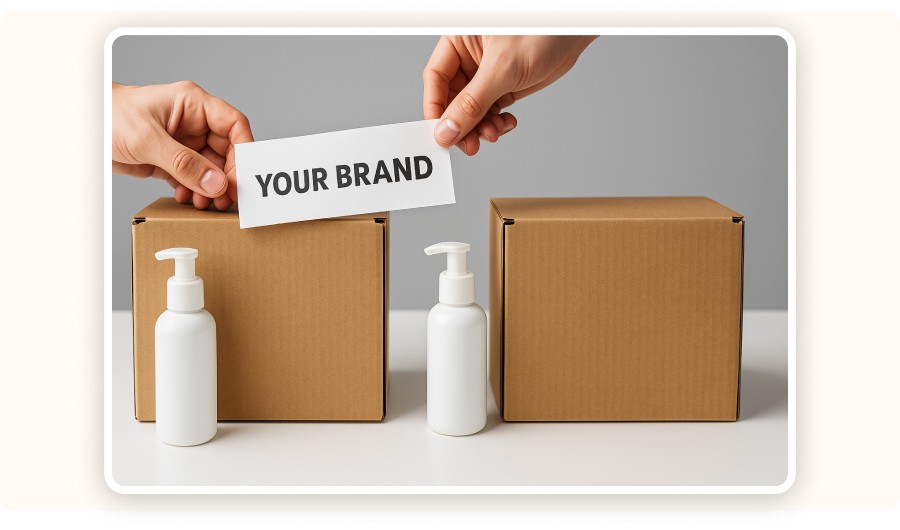
In white label dropshipping, removing the supplier’s logo isn’t optional, it’s a strategy. Here’s why it’s essential in 2025.
You Control the Perceived Quality
When customers receive the product, they only see your brand. You control the perceived quality, not an unknown supplier. Packaging, inserts, and personalized messages shape the entire experience.
Full Freedom to Set Your Prices
Without visible supplier branding, customers can’t compare prices online. This gives you total flexibility to set your own pricing and build higher margins. You’re not just selling a product, you’re selling a branded experience.
Less Supplier Dependency
Removing supplier identity reduces your risk if something changes:
price increases
stock shortages
quality drops
With dropshipping white label products, you can switch to another supplier without affecting your brand image.
Better Customer Experience
Branding continues after the sale. Use packaging, emails, and insert cards to build a stronger relationship with your customers. Consistency is what drives recommendations and repeat purchases.
More Flexibility During Stock Shortages
If a product goes out of stock with one supplier, simply switch to another offering the same unbranded version. As long as packaging stays consistent, customers won't notice any difference.
Fewer Competitive Searches
When customers see a random supplier logo, they Google it. If they find other sellers offering the same item… you lose the sale. By removing the supplier’s brand, you keep all your traffic, and all your conversions.
Build a Long-Term, Sustainable Brand
Every interaction with your product reinforces your brand identity. This consistency drives loyalty and recurring purchases, the foundation of a long-term white label dropshipping business.
The Best Niches and Product Ideas for White Label Dropshipping
To succeed with white label dropshipping, choosing the right product is crucial. Some categories naturally lend themselves to custom branding and strong perceived value. Here are the best options to start with.
Beauty & Skincare Products
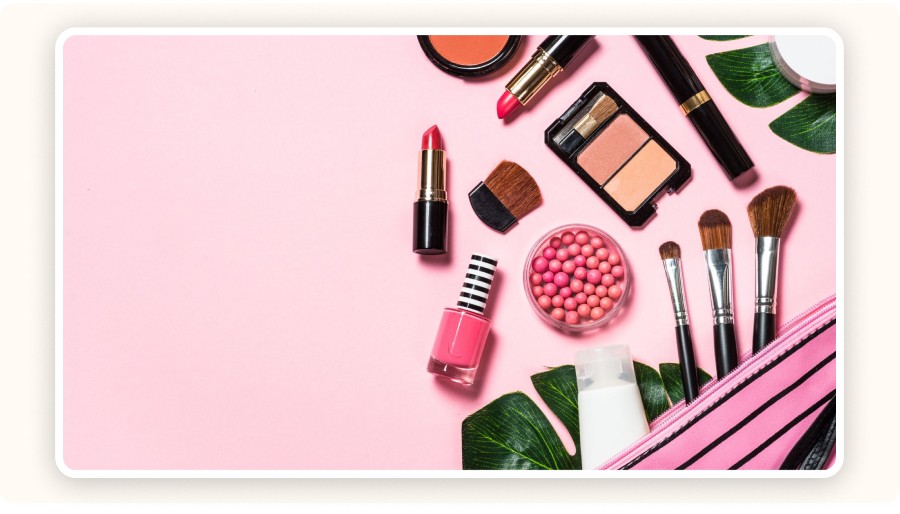
White label beauty products are among the most profitable. Why? Low production cost, emotional appeal, and strong repeat purchase behavior. You can sell serums, creams, oils, or masks with custom packaging, without needing your own lab.
Platforms like Printful, Blanka, and Spocket let you find ready-to-brand skincare lines with low MOQs and premium-looking packaging right from the first shipment.
Example:
Glowery Skin sells a hydrating face serum through Blanka via dropshipping white label products. Minimalist packaging, a sleek logo, and a wellness-oriented story create a premium feel. The product itself is generic, but the branding makes it look high-end. Thanks to low MOQs, the brand quickly tested its offer on TikTok before scaling with UGC campaigns and promo codes.
What Is White Label Dropshipping?

White label dropshipping means selling a generic product under your own brand, without manufacturing and without holding inventory. Your supplier produces and ships the product, but your logo, your packaging, and your marketing message are what the customer sees. To the buyer, your brand is the only one that exists.
With white label dropshipping, you sell a product made by a third party under your own branding. This allows you to reduce costs while gaining far more control over your brand image.
Good to know: Don’t confuse white label with private label.
Private label requires fully customized products from the manufacturing stage (formula, design, packaging).
White label keeps the product standard, you simply add your branding.
Why Sell White Label Products in 2025?
In dropshipping white label, you control the entire brand experience. The product is generic, but the customer-facing identity is 100% yours. In 2025, when the competition is intense, that’s a powerful advantage.
What Are the Benefits of White Label Dropshipping?

White label dropshipping gives you:
More Control Over Your Brand Image: Your brand is front and center logo, slogan, packaging, thank-you card, storytelling… every detail is fully controlled. Customers associate product quality with your identity, not the supplier’s.
Higher Profit Margins: Say goodbye to price wars. By removing all references to the manufacturer, you can charge higher prices. Your brand becomes your added value, you’re selling an experience, not a generic item.
A Personalized Customer Experience: Customize every part of the journey (confirmation emails, branded inserts, packaging visuals) to stand out from generic sellers. A great experience increases conversions and repeat purchases.
Loyalty & Repeat Business: If your product is good and your brand is consistent, customers return. Loyalty directly boosts long-term success for any white label products dropship business.
White Label vs. Private Label: What’s the Difference?
Criteria | White Label | Private Label |
|---|---|---|
Definition | Generic product sold under your brand | Product designed specifically for your brand |
Customization | Limited to logo, packaging, inserts | Complete: formula, design, packaging |
Startup Costs | Low | High (R&D, high MOQs) |
Time to Market | Fast | Longer (custom production) |
Quality Control | Moderate (handled by supplier) | High (you manage everything) |
Brand Image | Built around an existing product | 100% original and differentiated |
Ideal Niches | Trendy, high-volume products (beauty, gadgets) | POD, supplements, premium skincare |
Goal | Sell quickly under your brand | Build a strong, long-lasting, unique brand |
7 Reasons to Remove Your Supplier’s Branding

In white label dropshipping, removing the supplier’s logo isn’t optional, it’s a strategy. Here’s why it’s essential in 2025.
You Control the Perceived Quality
When customers receive the product, they only see your brand. You control the perceived quality, not an unknown supplier. Packaging, inserts, and personalized messages shape the entire experience.
Full Freedom to Set Your Prices
Without visible supplier branding, customers can’t compare prices online. This gives you total flexibility to set your own pricing and build higher margins. You’re not just selling a product, you’re selling a branded experience.
Less Supplier Dependency
Removing supplier identity reduces your risk if something changes:
price increases
stock shortages
quality drops
With dropshipping white label products, you can switch to another supplier without affecting your brand image.
Better Customer Experience
Branding continues after the sale. Use packaging, emails, and insert cards to build a stronger relationship with your customers. Consistency is what drives recommendations and repeat purchases.
More Flexibility During Stock Shortages
If a product goes out of stock with one supplier, simply switch to another offering the same unbranded version. As long as packaging stays consistent, customers won't notice any difference.
Fewer Competitive Searches
When customers see a random supplier logo, they Google it. If they find other sellers offering the same item… you lose the sale. By removing the supplier’s brand, you keep all your traffic, and all your conversions.
Build a Long-Term, Sustainable Brand
Every interaction with your product reinforces your brand identity. This consistency drives loyalty and recurring purchases, the foundation of a long-term white label dropshipping business.
The Best Niches and Product Ideas for White Label Dropshipping
To succeed with white label dropshipping, choosing the right product is crucial. Some categories naturally lend themselves to custom branding and strong perceived value. Here are the best options to start with.
Beauty & Skincare Products

White label beauty products are among the most profitable. Why? Low production cost, emotional appeal, and strong repeat purchase behavior. You can sell serums, creams, oils, or masks with custom packaging, without needing your own lab.
Platforms like Printful, Blanka, and Spocket let you find ready-to-brand skincare lines with low MOQs and premium-looking packaging right from the first shipment.
Example:
Glowery Skin sells a hydrating face serum through Blanka via dropshipping white label products. Minimalist packaging, a sleek logo, and a wellness-oriented story create a premium feel. The product itself is generic, but the branding makes it look high-end. Thanks to low MOQs, the brand quickly tested its offer on TikTok before scaling with UGC campaigns and promo codes.
What Is White Label Dropshipping?

White label dropshipping means selling a generic product under your own brand, without manufacturing and without holding inventory. Your supplier produces and ships the product, but your logo, your packaging, and your marketing message are what the customer sees. To the buyer, your brand is the only one that exists.
With white label dropshipping, you sell a product made by a third party under your own branding. This allows you to reduce costs while gaining far more control over your brand image.
Good to know: Don’t confuse white label with private label.
Private label requires fully customized products from the manufacturing stage (formula, design, packaging).
White label keeps the product standard, you simply add your branding.
Why Sell White Label Products in 2025?
In dropshipping white label, you control the entire brand experience. The product is generic, but the customer-facing identity is 100% yours. In 2025, when the competition is intense, that’s a powerful advantage.
What Are the Benefits of White Label Dropshipping?

White label dropshipping gives you:
More Control Over Your Brand Image: Your brand is front and center logo, slogan, packaging, thank-you card, storytelling… every detail is fully controlled. Customers associate product quality with your identity, not the supplier’s.
Higher Profit Margins: Say goodbye to price wars. By removing all references to the manufacturer, you can charge higher prices. Your brand becomes your added value, you’re selling an experience, not a generic item.
A Personalized Customer Experience: Customize every part of the journey (confirmation emails, branded inserts, packaging visuals) to stand out from generic sellers. A great experience increases conversions and repeat purchases.
Loyalty & Repeat Business: If your product is good and your brand is consistent, customers return. Loyalty directly boosts long-term success for any white label products dropship business.
White Label vs. Private Label: What’s the Difference?
Criteria | White Label | Private Label |
|---|---|---|
Definition | Generic product sold under your brand | Product designed specifically for your brand |
Customization | Limited to logo, packaging, inserts | Complete: formula, design, packaging |
Startup Costs | Low | High (R&D, high MOQs) |
Time to Market | Fast | Longer (custom production) |
Quality Control | Moderate (handled by supplier) | High (you manage everything) |
Brand Image | Built around an existing product | 100% original and differentiated |
Ideal Niches | Trendy, high-volume products (beauty, gadgets) | POD, supplements, premium skincare |
Goal | Sell quickly under your brand | Build a strong, long-lasting, unique brand |
7 Reasons to Remove Your Supplier’s Branding

In white label dropshipping, removing the supplier’s logo isn’t optional, it’s a strategy. Here’s why it’s essential in 2025.
You Control the Perceived Quality
When customers receive the product, they only see your brand. You control the perceived quality, not an unknown supplier. Packaging, inserts, and personalized messages shape the entire experience.
Full Freedom to Set Your Prices
Without visible supplier branding, customers can’t compare prices online. This gives you total flexibility to set your own pricing and build higher margins. You’re not just selling a product, you’re selling a branded experience.
Less Supplier Dependency
Removing supplier identity reduces your risk if something changes:
price increases
stock shortages
quality drops
With dropshipping white label products, you can switch to another supplier without affecting your brand image.
Better Customer Experience
Branding continues after the sale. Use packaging, emails, and insert cards to build a stronger relationship with your customers. Consistency is what drives recommendations and repeat purchases.
More Flexibility During Stock Shortages
If a product goes out of stock with one supplier, simply switch to another offering the same unbranded version. As long as packaging stays consistent, customers won't notice any difference.
Fewer Competitive Searches
When customers see a random supplier logo, they Google it. If they find other sellers offering the same item… you lose the sale. By removing the supplier’s brand, you keep all your traffic, and all your conversions.
Build a Long-Term, Sustainable Brand
Every interaction with your product reinforces your brand identity. This consistency drives loyalty and recurring purchases, the foundation of a long-term white label dropshipping business.
The Best Niches and Product Ideas for White Label Dropshipping
To succeed with white label dropshipping, choosing the right product is crucial. Some categories naturally lend themselves to custom branding and strong perceived value. Here are the best options to start with.
Beauty & Skincare Products

White label beauty products are among the most profitable. Why? Low production cost, emotional appeal, and strong repeat purchase behavior. You can sell serums, creams, oils, or masks with custom packaging, without needing your own lab.
Platforms like Printful, Blanka, and Spocket let you find ready-to-brand skincare lines with low MOQs and premium-looking packaging right from the first shipment.
Example:
Glowery Skin sells a hydrating face serum through Blanka via dropshipping white label products. Minimalist packaging, a sleek logo, and a wellness-oriented story create a premium feel. The product itself is generic, but the branding makes it look high-end. Thanks to low MOQs, the brand quickly tested its offer on TikTok before scaling with UGC campaigns and promo codes.
What Is White Label Dropshipping?

White label dropshipping means selling a generic product under your own brand, without manufacturing and without holding inventory. Your supplier produces and ships the product, but your logo, your packaging, and your marketing message are what the customer sees. To the buyer, your brand is the only one that exists.
With white label dropshipping, you sell a product made by a third party under your own branding. This allows you to reduce costs while gaining far more control over your brand image.
Good to know: Don’t confuse white label with private label.
Private label requires fully customized products from the manufacturing stage (formula, design, packaging).
White label keeps the product standard, you simply add your branding.
Why Sell White Label Products in 2025?
In dropshipping white label, you control the entire brand experience. The product is generic, but the customer-facing identity is 100% yours. In 2025, when the competition is intense, that’s a powerful advantage.
What Are the Benefits of White Label Dropshipping?

White label dropshipping gives you:
More Control Over Your Brand Image: Your brand is front and center logo, slogan, packaging, thank-you card, storytelling… every detail is fully controlled. Customers associate product quality with your identity, not the supplier’s.
Higher Profit Margins: Say goodbye to price wars. By removing all references to the manufacturer, you can charge higher prices. Your brand becomes your added value, you’re selling an experience, not a generic item.
A Personalized Customer Experience: Customize every part of the journey (confirmation emails, branded inserts, packaging visuals) to stand out from generic sellers. A great experience increases conversions and repeat purchases.
Loyalty & Repeat Business: If your product is good and your brand is consistent, customers return. Loyalty directly boosts long-term success for any white label products dropship business.
White Label vs. Private Label: What’s the Difference?
Criteria | White Label | Private Label |
|---|---|---|
Definition | Generic product sold under your brand | Product designed specifically for your brand |
Customization | Limited to logo, packaging, inserts | Complete: formula, design, packaging |
Startup Costs | Low | High (R&D, high MOQs) |
Time to Market | Fast | Longer (custom production) |
Quality Control | Moderate (handled by supplier) | High (you manage everything) |
Brand Image | Built around an existing product | 100% original and differentiated |
Ideal Niches | Trendy, high-volume products (beauty, gadgets) | POD, supplements, premium skincare |
Goal | Sell quickly under your brand | Build a strong, long-lasting, unique brand |
7 Reasons to Remove Your Supplier’s Branding

In white label dropshipping, removing the supplier’s logo isn’t optional, it’s a strategy. Here’s why it’s essential in 2025.
You Control the Perceived Quality
When customers receive the product, they only see your brand. You control the perceived quality, not an unknown supplier. Packaging, inserts, and personalized messages shape the entire experience.
Full Freedom to Set Your Prices
Without visible supplier branding, customers can’t compare prices online. This gives you total flexibility to set your own pricing and build higher margins. You’re not just selling a product, you’re selling a branded experience.
Less Supplier Dependency
Removing supplier identity reduces your risk if something changes:
price increases
stock shortages
quality drops
With dropshipping white label products, you can switch to another supplier without affecting your brand image.
Better Customer Experience
Branding continues after the sale. Use packaging, emails, and insert cards to build a stronger relationship with your customers. Consistency is what drives recommendations and repeat purchases.
More Flexibility During Stock Shortages
If a product goes out of stock with one supplier, simply switch to another offering the same unbranded version. As long as packaging stays consistent, customers won't notice any difference.
Fewer Competitive Searches
When customers see a random supplier logo, they Google it. If they find other sellers offering the same item… you lose the sale. By removing the supplier’s brand, you keep all your traffic, and all your conversions.
Build a Long-Term, Sustainable Brand
Every interaction with your product reinforces your brand identity. This consistency drives loyalty and recurring purchases, the foundation of a long-term white label dropshipping business.
The Best Niches and Product Ideas for White Label Dropshipping
To succeed with white label dropshipping, choosing the right product is crucial. Some categories naturally lend themselves to custom branding and strong perceived value. Here are the best options to start with.
Beauty & Skincare Products

White label beauty products are among the most profitable. Why? Low production cost, emotional appeal, and strong repeat purchase behavior. You can sell serums, creams, oils, or masks with custom packaging, without needing your own lab.
Platforms like Printful, Blanka, and Spocket let you find ready-to-brand skincare lines with low MOQs and premium-looking packaging right from the first shipment.
Example:
Glowery Skin sells a hydrating face serum through Blanka via dropshipping white label products. Minimalist packaging, a sleek logo, and a wellness-oriented story create a premium feel. The product itself is generic, but the branding makes it look high-end. Thanks to low MOQs, the brand quickly tested its offer on TikTok before scaling with UGC campaigns and promo codes.
What Is White Label Dropshipping?

White label dropshipping means selling a generic product under your own brand, without manufacturing and without holding inventory. Your supplier produces and ships the product, but your logo, your packaging, and your marketing message are what the customer sees. To the buyer, your brand is the only one that exists.
With white label dropshipping, you sell a product made by a third party under your own branding. This allows you to reduce costs while gaining far more control over your brand image.
Good to know: Don’t confuse white label with private label.
Private label requires fully customized products from the manufacturing stage (formula, design, packaging).
White label keeps the product standard, you simply add your branding.
Why Sell White Label Products in 2025?
In dropshipping white label, you control the entire brand experience. The product is generic, but the customer-facing identity is 100% yours. In 2025, when the competition is intense, that’s a powerful advantage.
What Are the Benefits of White Label Dropshipping?

White label dropshipping gives you:
More Control Over Your Brand Image: Your brand is front and center logo, slogan, packaging, thank-you card, storytelling… every detail is fully controlled. Customers associate product quality with your identity, not the supplier’s.
Higher Profit Margins: Say goodbye to price wars. By removing all references to the manufacturer, you can charge higher prices. Your brand becomes your added value, you’re selling an experience, not a generic item.
A Personalized Customer Experience: Customize every part of the journey (confirmation emails, branded inserts, packaging visuals) to stand out from generic sellers. A great experience increases conversions and repeat purchases.
Loyalty & Repeat Business: If your product is good and your brand is consistent, customers return. Loyalty directly boosts long-term success for any white label products dropship business.
White Label vs. Private Label: What’s the Difference?
Criteria | White Label | Private Label |
|---|---|---|
Definition | Generic product sold under your brand | Product designed specifically for your brand |
Customization | Limited to logo, packaging, inserts | Complete: formula, design, packaging |
Startup Costs | Low | High (R&D, high MOQs) |
Time to Market | Fast | Longer (custom production) |
Quality Control | Moderate (handled by supplier) | High (you manage everything) |
Brand Image | Built around an existing product | 100% original and differentiated |
Ideal Niches | Trendy, high-volume products (beauty, gadgets) | POD, supplements, premium skincare |
Goal | Sell quickly under your brand | Build a strong, long-lasting, unique brand |
7 Reasons to Remove Your Supplier’s Branding

In white label dropshipping, removing the supplier’s logo isn’t optional, it’s a strategy. Here’s why it’s essential in 2025.
You Control the Perceived Quality
When customers receive the product, they only see your brand. You control the perceived quality, not an unknown supplier. Packaging, inserts, and personalized messages shape the entire experience.
Full Freedom to Set Your Prices
Without visible supplier branding, customers can’t compare prices online. This gives you total flexibility to set your own pricing and build higher margins. You’re not just selling a product, you’re selling a branded experience.
Less Supplier Dependency
Removing supplier identity reduces your risk if something changes:
price increases
stock shortages
quality drops
With dropshipping white label products, you can switch to another supplier without affecting your brand image.
Better Customer Experience
Branding continues after the sale. Use packaging, emails, and insert cards to build a stronger relationship with your customers. Consistency is what drives recommendations and repeat purchases.
More Flexibility During Stock Shortages
If a product goes out of stock with one supplier, simply switch to another offering the same unbranded version. As long as packaging stays consistent, customers won't notice any difference.
Fewer Competitive Searches
When customers see a random supplier logo, they Google it. If they find other sellers offering the same item… you lose the sale. By removing the supplier’s brand, you keep all your traffic, and all your conversions.
Build a Long-Term, Sustainable Brand
Every interaction with your product reinforces your brand identity. This consistency drives loyalty and recurring purchases, the foundation of a long-term white label dropshipping business.
The Best Niches and Product Ideas for White Label Dropshipping
To succeed with white label dropshipping, choosing the right product is crucial. Some categories naturally lend themselves to custom branding and strong perceived value. Here are the best options to start with.
Beauty & Skincare Products

White label beauty products are among the most profitable. Why? Low production cost, emotional appeal, and strong repeat purchase behavior. You can sell serums, creams, oils, or masks with custom packaging, without needing your own lab.
Platforms like Printful, Blanka, and Spocket let you find ready-to-brand skincare lines with low MOQs and premium-looking packaging right from the first shipment.
Example:
Glowery Skin sells a hydrating face serum through Blanka via dropshipping white label products. Minimalist packaging, a sleek logo, and a wellness-oriented story create a premium feel. The product itself is generic, but the branding makes it look high-end. Thanks to low MOQs, the brand quickly tested its offer on TikTok before scaling with UGC campaigns and promo codes.
What Is White Label Dropshipping?

White label dropshipping means selling a generic product under your own brand, without manufacturing and without holding inventory. Your supplier produces and ships the product, but your logo, your packaging, and your marketing message are what the customer sees. To the buyer, your brand is the only one that exists.
With white label dropshipping, you sell a product made by a third party under your own branding. This allows you to reduce costs while gaining far more control over your brand image.
Good to know: Don’t confuse white label with private label.
Private label requires fully customized products from the manufacturing stage (formula, design, packaging).
White label keeps the product standard, you simply add your branding.
Why Sell White Label Products in 2025?
In dropshipping white label, you control the entire brand experience. The product is generic, but the customer-facing identity is 100% yours. In 2025, when the competition is intense, that’s a powerful advantage.
What Are the Benefits of White Label Dropshipping?

White label dropshipping gives you:
More Control Over Your Brand Image: Your brand is front and center logo, slogan, packaging, thank-you card, storytelling… every detail is fully controlled. Customers associate product quality with your identity, not the supplier’s.
Higher Profit Margins: Say goodbye to price wars. By removing all references to the manufacturer, you can charge higher prices. Your brand becomes your added value, you’re selling an experience, not a generic item.
A Personalized Customer Experience: Customize every part of the journey (confirmation emails, branded inserts, packaging visuals) to stand out from generic sellers. A great experience increases conversions and repeat purchases.
Loyalty & Repeat Business: If your product is good and your brand is consistent, customers return. Loyalty directly boosts long-term success for any white label products dropship business.
White Label vs. Private Label: What’s the Difference?
Criteria | White Label | Private Label |
|---|---|---|
Definition | Generic product sold under your brand | Product designed specifically for your brand |
Customization | Limited to logo, packaging, inserts | Complete: formula, design, packaging |
Startup Costs | Low | High (R&D, high MOQs) |
Time to Market | Fast | Longer (custom production) |
Quality Control | Moderate (handled by supplier) | High (you manage everything) |
Brand Image | Built around an existing product | 100% original and differentiated |
Ideal Niches | Trendy, high-volume products (beauty, gadgets) | POD, supplements, premium skincare |
Goal | Sell quickly under your brand | Build a strong, long-lasting, unique brand |
7 Reasons to Remove Your Supplier’s Branding

In white label dropshipping, removing the supplier’s logo isn’t optional, it’s a strategy. Here’s why it’s essential in 2025.
You Control the Perceived Quality
When customers receive the product, they only see your brand. You control the perceived quality, not an unknown supplier. Packaging, inserts, and personalized messages shape the entire experience.
Full Freedom to Set Your Prices
Without visible supplier branding, customers can’t compare prices online. This gives you total flexibility to set your own pricing and build higher margins. You’re not just selling a product, you’re selling a branded experience.
Less Supplier Dependency
Removing supplier identity reduces your risk if something changes:
price increases
stock shortages
quality drops
With dropshipping white label products, you can switch to another supplier without affecting your brand image.
Better Customer Experience
Branding continues after the sale. Use packaging, emails, and insert cards to build a stronger relationship with your customers. Consistency is what drives recommendations and repeat purchases.
More Flexibility During Stock Shortages
If a product goes out of stock with one supplier, simply switch to another offering the same unbranded version. As long as packaging stays consistent, customers won't notice any difference.
Fewer Competitive Searches
When customers see a random supplier logo, they Google it. If they find other sellers offering the same item… you lose the sale. By removing the supplier’s brand, you keep all your traffic, and all your conversions.
Build a Long-Term, Sustainable Brand
Every interaction with your product reinforces your brand identity. This consistency drives loyalty and recurring purchases, the foundation of a long-term white label dropshipping business.
The Best Niches and Product Ideas for White Label Dropshipping
To succeed with white label dropshipping, choosing the right product is crucial. Some categories naturally lend themselves to custom branding and strong perceived value. Here are the best options to start with.
Beauty & Skincare Products

White label beauty products are among the most profitable. Why? Low production cost, emotional appeal, and strong repeat purchase behavior. You can sell serums, creams, oils, or masks with custom packaging, without needing your own lab.
Platforms like Printful, Blanka, and Spocket let you find ready-to-brand skincare lines with low MOQs and premium-looking packaging right from the first shipment.
Example:
Glowery Skin sells a hydrating face serum through Blanka via dropshipping white label products. Minimalist packaging, a sleek logo, and a wellness-oriented story create a premium feel. The product itself is generic, but the branding makes it look high-end. Thanks to low MOQs, the brand quickly tested its offer on TikTok before scaling with UGC campaigns and promo codes.



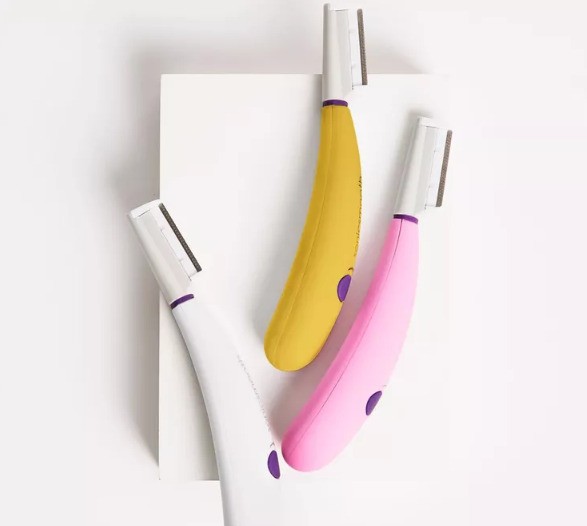


Pet Products
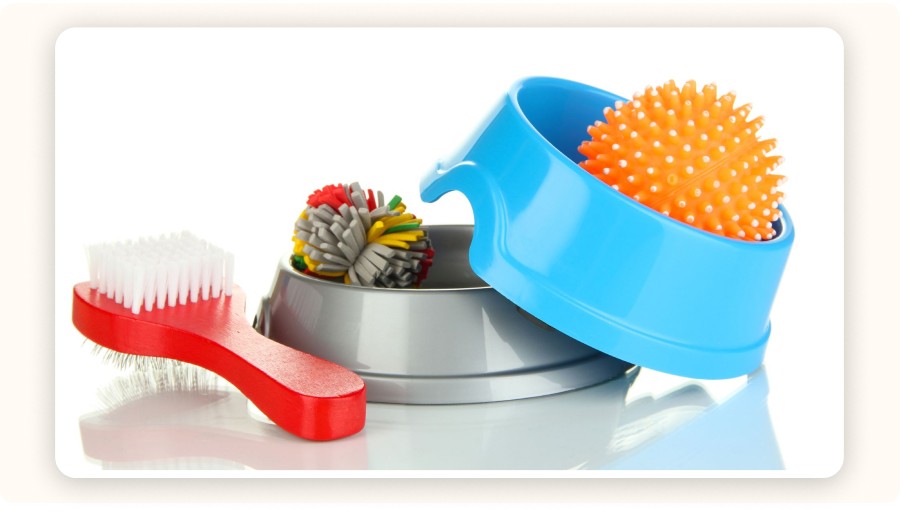
White label pet products are extremely popular. You can offer orthopedic beds, natural shampoos, or custom accessories under your own branding. Pet owners are willing to pay more for products that feel safe, clean, and trustworthy. Recurring purchases (toys, treats, grooming items) also drive strong customer loyalty.
Example:
Pawria sells natural dog shampoos with warm, minimalist branding. Using Spocket, they customized labels and packaging with their logo and visual identity. The result? Repeat buyers and higher trust. By adding matching toys and treats to their line, Pawria doubled its repurchase rate in under 3 months.
Health & Supplements

White label supplements, vitamins, wellness teas, detox kits have huge demand. These products carry strong perceived value, especially when paired with clean design and compelling storytelling.
However, the category requires attention to legal compliance (labeling, health claims, FDA requirements for international sales). Always work with an experienced supplier.
Example:
NaturaGlow sells white label wellness supplements (detox teas and energy capsules) through Blanka. Each product features clean, natural branding with a feminine wellness story. Thanks to strict compliance (vegan labels & EU standards), the brand launched in Europe immediately and built strong credibility on Instagram
Top 4 White Label Suppliers Tested in 2025
Choosing the right supplier is a major factor in building a reliable white label dropshipping business. To help you make the right call, here are four platforms tested and approved in 2025.
AliExpress
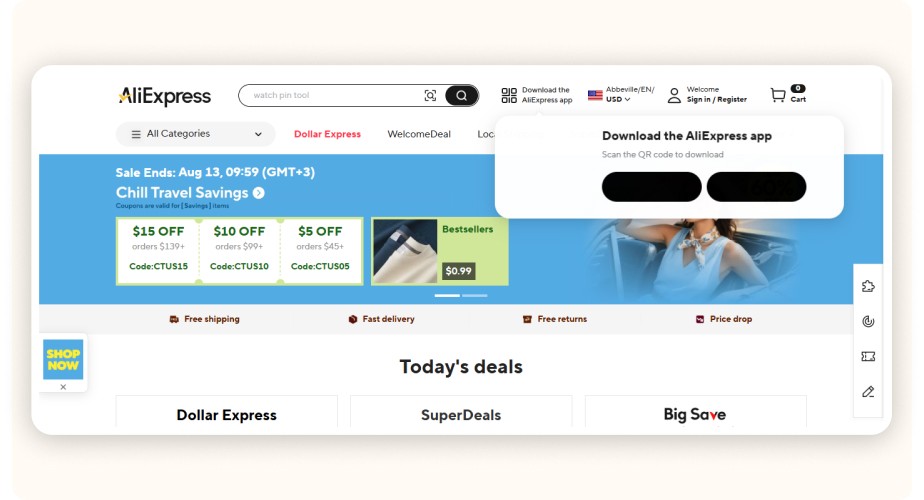
AliExpress remains the go-to choice for beginners. You can find thousands of low-cost generic products, and many sellers agree to remove their logos or add your custom branding.
However, be careful: shipping times on AliExpress can exceed 15 days, especially outside EU warehouses. To reduce risk, filter suppliers by rating (+4.5 stars) and always ask directly whether they support branded packaging.
Printful
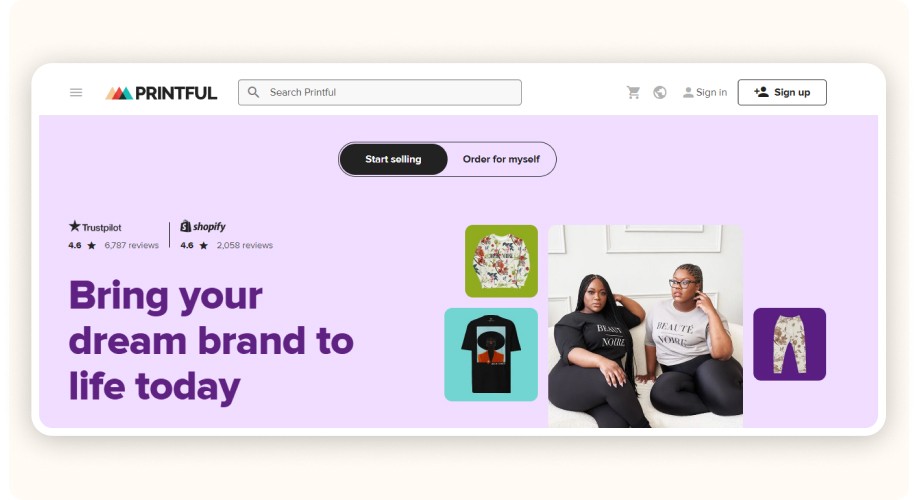
Printful is the leader in Print-on-Demand and one of the most reliable white label dropshipping suppliers. It offers fully customizable apparel, accessories, mugs, and home decor.
Branding options include custom logos, product labels, packaging, and insert cards. Integration with Shopify or WooCommerce is seamless, no technical skills required.
Wiio
Wiio goes even further. The platform offers:
complete order management
quality control
custom packaging
dedicated agents
support for dropshipping white label products
With Wiio, you can track shipments in real time, add your branding elements, and even negotiate faster shipping times as you scale. It’s ideal for store owners who want more control and reliability.
HyperSKU
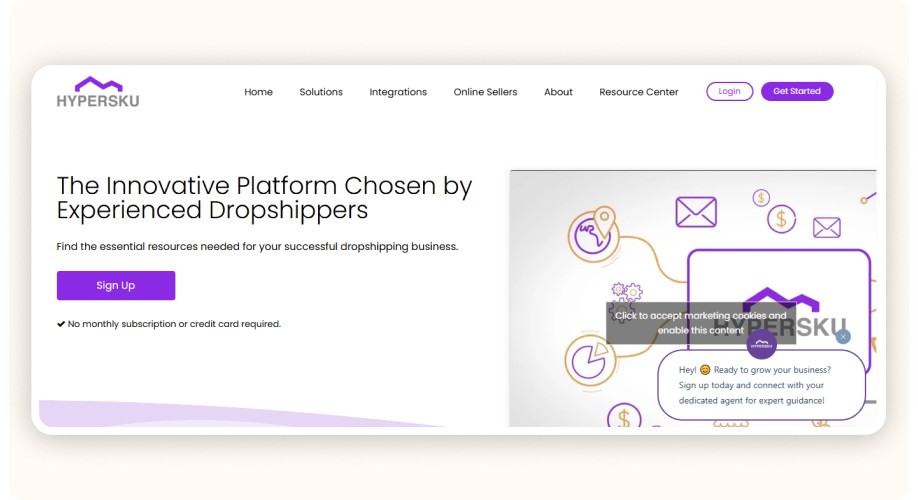
Less popular but extremely efficient, HyperSKU provides a clean dashboard, strong performance tracking, and well-built branding options. Its biggest advantage? Powerful analytics tools that help you scale quickly, spot winning products, and optimize your supply chain, making it a strong choice for brands focused on growth
What Are the Challenges of White Label Dropshipping and How Do You Overcome Them?

White label dropshipping comes with strong advantages, but also real challenges. To succeed, you need to anticipate them and put the right systems in place.
Managing MOQs (Minimum Order Quantities)
Some suppliers require a minimum order quantity before activating custom branding. This can slow down your launch. To avoid this barrier, start with suppliers offering low MOQs (such as 10–50 units), like Blanka or Printful. This also allows you to test a product before committing to larger volumes.
Maintaining Consistent Quality
With white label dropshipping, perceived quality directly impacts your brand image. If a product changes color, texture, or packaging, you are the one customers will blame, not the supplier.
To protect your reputation:
work only with suppliers offering strict quality control,
regularly order and inspect your own products,
verify packaging consistency with each batch.
Handling Stock Shortages or Supplier Changes
Nothing hurts more than a best-seller going out of stock. In white label dropshipping, you must ensure continuity at all times.
To avoid disruptions:
prepare a Plan B from the start,
identify at least two suppliers offering the same unbranded product,
keep your packaging, inserts, and branding consistent across suppliers.
This allows you to switch instantly without impacting your brand identity.
Scaling Logistics (Shipping, Returns, Customer Service)
As your sales increase, so do the logistical challenges: lost packages, slow deliveries, customer complaints, and return requests.
To manage this effectively:
choose a supplier with fast, reliable shipping and responsive customer support,
create a clear return policy from day one,
use tools that automate fulfillment for dropshipping white label products.
A smooth post-purchase experience is one of the most powerful levers for long-term retention.
Pet Products

White label pet products are extremely popular. You can offer orthopedic beds, natural shampoos, or custom accessories under your own branding. Pet owners are willing to pay more for products that feel safe, clean, and trustworthy. Recurring purchases (toys, treats, grooming items) also drive strong customer loyalty.
Example:
Pawria sells natural dog shampoos with warm, minimalist branding. Using Spocket, they customized labels and packaging with their logo and visual identity. The result? Repeat buyers and higher trust. By adding matching toys and treats to their line, Pawria doubled its repurchase rate in under 3 months.
Health & Supplements

White label supplements, vitamins, wellness teas, detox kits have huge demand. These products carry strong perceived value, especially when paired with clean design and compelling storytelling.
However, the category requires attention to legal compliance (labeling, health claims, FDA requirements for international sales). Always work with an experienced supplier.
Example:
NaturaGlow sells white label wellness supplements (detox teas and energy capsules) through Blanka. Each product features clean, natural branding with a feminine wellness story. Thanks to strict compliance (vegan labels & EU standards), the brand launched in Europe immediately and built strong credibility on Instagram
Top 4 White Label Suppliers Tested in 2025
Choosing the right supplier is a major factor in building a reliable white label dropshipping business. To help you make the right call, here are four platforms tested and approved in 2025.
AliExpress

AliExpress remains the go-to choice for beginners. You can find thousands of low-cost generic products, and many sellers agree to remove their logos or add your custom branding.
However, be careful: shipping times on AliExpress can exceed 15 days, especially outside EU warehouses. To reduce risk, filter suppliers by rating (+4.5 stars) and always ask directly whether they support branded packaging.
Printful

Printful is the leader in Print-on-Demand and one of the most reliable white label dropshipping suppliers. It offers fully customizable apparel, accessories, mugs, and home decor.
Branding options include custom logos, product labels, packaging, and insert cards. Integration with Shopify or WooCommerce is seamless, no technical skills required.
Wiio
Wiio goes even further. The platform offers:
complete order management
quality control
custom packaging
dedicated agents
support for dropshipping white label products
With Wiio, you can track shipments in real time, add your branding elements, and even negotiate faster shipping times as you scale. It’s ideal for store owners who want more control and reliability.
HyperSKU

Less popular but extremely efficient, HyperSKU provides a clean dashboard, strong performance tracking, and well-built branding options. Its biggest advantage? Powerful analytics tools that help you scale quickly, spot winning products, and optimize your supply chain, making it a strong choice for brands focused on growth
What Are the Challenges of White Label Dropshipping and How Do You Overcome Them?

White label dropshipping comes with strong advantages, but also real challenges. To succeed, you need to anticipate them and put the right systems in place.
Managing MOQs (Minimum Order Quantities)
Some suppliers require a minimum order quantity before activating custom branding. This can slow down your launch. To avoid this barrier, start with suppliers offering low MOQs (such as 10–50 units), like Blanka or Printful. This also allows you to test a product before committing to larger volumes.
Maintaining Consistent Quality
With white label dropshipping, perceived quality directly impacts your brand image. If a product changes color, texture, or packaging, you are the one customers will blame, not the supplier.
To protect your reputation:
work only with suppliers offering strict quality control,
regularly order and inspect your own products,
verify packaging consistency with each batch.
Handling Stock Shortages or Supplier Changes
Nothing hurts more than a best-seller going out of stock. In white label dropshipping, you must ensure continuity at all times.
To avoid disruptions:
prepare a Plan B from the start,
identify at least two suppliers offering the same unbranded product,
keep your packaging, inserts, and branding consistent across suppliers.
This allows you to switch instantly without impacting your brand identity.
Scaling Logistics (Shipping, Returns, Customer Service)
As your sales increase, so do the logistical challenges: lost packages, slow deliveries, customer complaints, and return requests.
To manage this effectively:
choose a supplier with fast, reliable shipping and responsive customer support,
create a clear return policy from day one,
use tools that automate fulfillment for dropshipping white label products.
A smooth post-purchase experience is one of the most powerful levers for long-term retention.
Pet Products

White label pet products are extremely popular. You can offer orthopedic beds, natural shampoos, or custom accessories under your own branding. Pet owners are willing to pay more for products that feel safe, clean, and trustworthy. Recurring purchases (toys, treats, grooming items) also drive strong customer loyalty.
Example:
Pawria sells natural dog shampoos with warm, minimalist branding. Using Spocket, they customized labels and packaging with their logo and visual identity. The result? Repeat buyers and higher trust. By adding matching toys and treats to their line, Pawria doubled its repurchase rate in under 3 months.
Health & Supplements

White label supplements, vitamins, wellness teas, detox kits have huge demand. These products carry strong perceived value, especially when paired with clean design and compelling storytelling.
However, the category requires attention to legal compliance (labeling, health claims, FDA requirements for international sales). Always work with an experienced supplier.
Example:
NaturaGlow sells white label wellness supplements (detox teas and energy capsules) through Blanka. Each product features clean, natural branding with a feminine wellness story. Thanks to strict compliance (vegan labels & EU standards), the brand launched in Europe immediately and built strong credibility on Instagram
Top 4 White Label Suppliers Tested in 2025
Choosing the right supplier is a major factor in building a reliable white label dropshipping business. To help you make the right call, here are four platforms tested and approved in 2025.
AliExpress

AliExpress remains the go-to choice for beginners. You can find thousands of low-cost generic products, and many sellers agree to remove their logos or add your custom branding.
However, be careful: shipping times on AliExpress can exceed 15 days, especially outside EU warehouses. To reduce risk, filter suppliers by rating (+4.5 stars) and always ask directly whether they support branded packaging.
Printful

Printful is the leader in Print-on-Demand and one of the most reliable white label dropshipping suppliers. It offers fully customizable apparel, accessories, mugs, and home decor.
Branding options include custom logos, product labels, packaging, and insert cards. Integration with Shopify or WooCommerce is seamless, no technical skills required.
Wiio
Wiio goes even further. The platform offers:
complete order management
quality control
custom packaging
dedicated agents
support for dropshipping white label products
With Wiio, you can track shipments in real time, add your branding elements, and even negotiate faster shipping times as you scale. It’s ideal for store owners who want more control and reliability.
HyperSKU

Less popular but extremely efficient, HyperSKU provides a clean dashboard, strong performance tracking, and well-built branding options. Its biggest advantage? Powerful analytics tools that help you scale quickly, spot winning products, and optimize your supply chain, making it a strong choice for brands focused on growth
What Are the Challenges of White Label Dropshipping and How Do You Overcome Them?

White label dropshipping comes with strong advantages, but also real challenges. To succeed, you need to anticipate them and put the right systems in place.
Managing MOQs (Minimum Order Quantities)
Some suppliers require a minimum order quantity before activating custom branding. This can slow down your launch. To avoid this barrier, start with suppliers offering low MOQs (such as 10–50 units), like Blanka or Printful. This also allows you to test a product before committing to larger volumes.
Maintaining Consistent Quality
With white label dropshipping, perceived quality directly impacts your brand image. If a product changes color, texture, or packaging, you are the one customers will blame, not the supplier.
To protect your reputation:
work only with suppliers offering strict quality control,
regularly order and inspect your own products,
verify packaging consistency with each batch.
Handling Stock Shortages or Supplier Changes
Nothing hurts more than a best-seller going out of stock. In white label dropshipping, you must ensure continuity at all times.
To avoid disruptions:
prepare a Plan B from the start,
identify at least two suppliers offering the same unbranded product,
keep your packaging, inserts, and branding consistent across suppliers.
This allows you to switch instantly without impacting your brand identity.
Scaling Logistics (Shipping, Returns, Customer Service)
As your sales increase, so do the logistical challenges: lost packages, slow deliveries, customer complaints, and return requests.
To manage this effectively:
choose a supplier with fast, reliable shipping and responsive customer support,
create a clear return policy from day one,
use tools that automate fulfillment for dropshipping white label products.
A smooth post-purchase experience is one of the most powerful levers for long-term retention.
Pet Products

White label pet products are extremely popular. You can offer orthopedic beds, natural shampoos, or custom accessories under your own branding. Pet owners are willing to pay more for products that feel safe, clean, and trustworthy. Recurring purchases (toys, treats, grooming items) also drive strong customer loyalty.
Example:
Pawria sells natural dog shampoos with warm, minimalist branding. Using Spocket, they customized labels and packaging with their logo and visual identity. The result? Repeat buyers and higher trust. By adding matching toys and treats to their line, Pawria doubled its repurchase rate in under 3 months.
Health & Supplements

White label supplements, vitamins, wellness teas, detox kits have huge demand. These products carry strong perceived value, especially when paired with clean design and compelling storytelling.
However, the category requires attention to legal compliance (labeling, health claims, FDA requirements for international sales). Always work with an experienced supplier.
Example:
NaturaGlow sells white label wellness supplements (detox teas and energy capsules) through Blanka. Each product features clean, natural branding with a feminine wellness story. Thanks to strict compliance (vegan labels & EU standards), the brand launched in Europe immediately and built strong credibility on Instagram
Top 4 White Label Suppliers Tested in 2025
Choosing the right supplier is a major factor in building a reliable white label dropshipping business. To help you make the right call, here are four platforms tested and approved in 2025.
AliExpress

AliExpress remains the go-to choice for beginners. You can find thousands of low-cost generic products, and many sellers agree to remove their logos or add your custom branding.
However, be careful: shipping times on AliExpress can exceed 15 days, especially outside EU warehouses. To reduce risk, filter suppliers by rating (+4.5 stars) and always ask directly whether they support branded packaging.
Printful

Printful is the leader in Print-on-Demand and one of the most reliable white label dropshipping suppliers. It offers fully customizable apparel, accessories, mugs, and home decor.
Branding options include custom logos, product labels, packaging, and insert cards. Integration with Shopify or WooCommerce is seamless, no technical skills required.
Wiio
Wiio goes even further. The platform offers:
complete order management
quality control
custom packaging
dedicated agents
support for dropshipping white label products
With Wiio, you can track shipments in real time, add your branding elements, and even negotiate faster shipping times as you scale. It’s ideal for store owners who want more control and reliability.
HyperSKU

Less popular but extremely efficient, HyperSKU provides a clean dashboard, strong performance tracking, and well-built branding options. Its biggest advantage? Powerful analytics tools that help you scale quickly, spot winning products, and optimize your supply chain, making it a strong choice for brands focused on growth
What Are the Challenges of White Label Dropshipping and How Do You Overcome Them?

White label dropshipping comes with strong advantages, but also real challenges. To succeed, you need to anticipate them and put the right systems in place.
Managing MOQs (Minimum Order Quantities)
Some suppliers require a minimum order quantity before activating custom branding. This can slow down your launch. To avoid this barrier, start with suppliers offering low MOQs (such as 10–50 units), like Blanka or Printful. This also allows you to test a product before committing to larger volumes.
Maintaining Consistent Quality
With white label dropshipping, perceived quality directly impacts your brand image. If a product changes color, texture, or packaging, you are the one customers will blame, not the supplier.
To protect your reputation:
work only with suppliers offering strict quality control,
regularly order and inspect your own products,
verify packaging consistency with each batch.
Handling Stock Shortages or Supplier Changes
Nothing hurts more than a best-seller going out of stock. In white label dropshipping, you must ensure continuity at all times.
To avoid disruptions:
prepare a Plan B from the start,
identify at least two suppliers offering the same unbranded product,
keep your packaging, inserts, and branding consistent across suppliers.
This allows you to switch instantly without impacting your brand identity.
Scaling Logistics (Shipping, Returns, Customer Service)
As your sales increase, so do the logistical challenges: lost packages, slow deliveries, customer complaints, and return requests.
To manage this effectively:
choose a supplier with fast, reliable shipping and responsive customer support,
create a clear return policy from day one,
use tools that automate fulfillment for dropshipping white label products.
A smooth post-purchase experience is one of the most powerful levers for long-term retention.
Pet Products

White label pet products are extremely popular. You can offer orthopedic beds, natural shampoos, or custom accessories under your own branding. Pet owners are willing to pay more for products that feel safe, clean, and trustworthy. Recurring purchases (toys, treats, grooming items) also drive strong customer loyalty.
Example:
Pawria sells natural dog shampoos with warm, minimalist branding. Using Spocket, they customized labels and packaging with their logo and visual identity. The result? Repeat buyers and higher trust. By adding matching toys and treats to their line, Pawria doubled its repurchase rate in under 3 months.
Health & Supplements

White label supplements, vitamins, wellness teas, detox kits have huge demand. These products carry strong perceived value, especially when paired with clean design and compelling storytelling.
However, the category requires attention to legal compliance (labeling, health claims, FDA requirements for international sales). Always work with an experienced supplier.
Example:
NaturaGlow sells white label wellness supplements (detox teas and energy capsules) through Blanka. Each product features clean, natural branding with a feminine wellness story. Thanks to strict compliance (vegan labels & EU standards), the brand launched in Europe immediately and built strong credibility on Instagram
Top 4 White Label Suppliers Tested in 2025
Choosing the right supplier is a major factor in building a reliable white label dropshipping business. To help you make the right call, here are four platforms tested and approved in 2025.
AliExpress

AliExpress remains the go-to choice for beginners. You can find thousands of low-cost generic products, and many sellers agree to remove their logos or add your custom branding.
However, be careful: shipping times on AliExpress can exceed 15 days, especially outside EU warehouses. To reduce risk, filter suppliers by rating (+4.5 stars) and always ask directly whether they support branded packaging.
Printful

Printful is the leader in Print-on-Demand and one of the most reliable white label dropshipping suppliers. It offers fully customizable apparel, accessories, mugs, and home decor.
Branding options include custom logos, product labels, packaging, and insert cards. Integration with Shopify or WooCommerce is seamless, no technical skills required.
Wiio
Wiio goes even further. The platform offers:
complete order management
quality control
custom packaging
dedicated agents
support for dropshipping white label products
With Wiio, you can track shipments in real time, add your branding elements, and even negotiate faster shipping times as you scale. It’s ideal for store owners who want more control and reliability.
HyperSKU

Less popular but extremely efficient, HyperSKU provides a clean dashboard, strong performance tracking, and well-built branding options. Its biggest advantage? Powerful analytics tools that help you scale quickly, spot winning products, and optimize your supply chain, making it a strong choice for brands focused on growth
What Are the Challenges of White Label Dropshipping and How Do You Overcome Them?

White label dropshipping comes with strong advantages, but also real challenges. To succeed, you need to anticipate them and put the right systems in place.
Managing MOQs (Minimum Order Quantities)
Some suppliers require a minimum order quantity before activating custom branding. This can slow down your launch. To avoid this barrier, start with suppliers offering low MOQs (such as 10–50 units), like Blanka or Printful. This also allows you to test a product before committing to larger volumes.
Maintaining Consistent Quality
With white label dropshipping, perceived quality directly impacts your brand image. If a product changes color, texture, or packaging, you are the one customers will blame, not the supplier.
To protect your reputation:
work only with suppliers offering strict quality control,
regularly order and inspect your own products,
verify packaging consistency with each batch.
Handling Stock Shortages or Supplier Changes
Nothing hurts more than a best-seller going out of stock. In white label dropshipping, you must ensure continuity at all times.
To avoid disruptions:
prepare a Plan B from the start,
identify at least two suppliers offering the same unbranded product,
keep your packaging, inserts, and branding consistent across suppliers.
This allows you to switch instantly without impacting your brand identity.
Scaling Logistics (Shipping, Returns, Customer Service)
As your sales increase, so do the logistical challenges: lost packages, slow deliveries, customer complaints, and return requests.
To manage this effectively:
choose a supplier with fast, reliable shipping and responsive customer support,
create a clear return policy from day one,
use tools that automate fulfillment for dropshipping white label products.
A smooth post-purchase experience is one of the most powerful levers for long-term retention.
Pet Products

White label pet products are extremely popular. You can offer orthopedic beds, natural shampoos, or custom accessories under your own branding. Pet owners are willing to pay more for products that feel safe, clean, and trustworthy. Recurring purchases (toys, treats, grooming items) also drive strong customer loyalty.
Example:
Pawria sells natural dog shampoos with warm, minimalist branding. Using Spocket, they customized labels and packaging with their logo and visual identity. The result? Repeat buyers and higher trust. By adding matching toys and treats to their line, Pawria doubled its repurchase rate in under 3 months.
Health & Supplements

White label supplements, vitamins, wellness teas, detox kits have huge demand. These products carry strong perceived value, especially when paired with clean design and compelling storytelling.
However, the category requires attention to legal compliance (labeling, health claims, FDA requirements for international sales). Always work with an experienced supplier.
Example:
NaturaGlow sells white label wellness supplements (detox teas and energy capsules) through Blanka. Each product features clean, natural branding with a feminine wellness story. Thanks to strict compliance (vegan labels & EU standards), the brand launched in Europe immediately and built strong credibility on Instagram
Top 4 White Label Suppliers Tested in 2025
Choosing the right supplier is a major factor in building a reliable white label dropshipping business. To help you make the right call, here are four platforms tested and approved in 2025.
AliExpress

AliExpress remains the go-to choice for beginners. You can find thousands of low-cost generic products, and many sellers agree to remove their logos or add your custom branding.
However, be careful: shipping times on AliExpress can exceed 15 days, especially outside EU warehouses. To reduce risk, filter suppliers by rating (+4.5 stars) and always ask directly whether they support branded packaging.
Printful

Printful is the leader in Print-on-Demand and one of the most reliable white label dropshipping suppliers. It offers fully customizable apparel, accessories, mugs, and home decor.
Branding options include custom logos, product labels, packaging, and insert cards. Integration with Shopify or WooCommerce is seamless, no technical skills required.
Wiio
Wiio goes even further. The platform offers:
complete order management
quality control
custom packaging
dedicated agents
support for dropshipping white label products
With Wiio, you can track shipments in real time, add your branding elements, and even negotiate faster shipping times as you scale. It’s ideal for store owners who want more control and reliability.
HyperSKU

Less popular but extremely efficient, HyperSKU provides a clean dashboard, strong performance tracking, and well-built branding options. Its biggest advantage? Powerful analytics tools that help you scale quickly, spot winning products, and optimize your supply chain, making it a strong choice for brands focused on growth
What Are the Challenges of White Label Dropshipping and How Do You Overcome Them?

White label dropshipping comes with strong advantages, but also real challenges. To succeed, you need to anticipate them and put the right systems in place.
Managing MOQs (Minimum Order Quantities)
Some suppliers require a minimum order quantity before activating custom branding. This can slow down your launch. To avoid this barrier, start with suppliers offering low MOQs (such as 10–50 units), like Blanka or Printful. This also allows you to test a product before committing to larger volumes.
Maintaining Consistent Quality
With white label dropshipping, perceived quality directly impacts your brand image. If a product changes color, texture, or packaging, you are the one customers will blame, not the supplier.
To protect your reputation:
work only with suppliers offering strict quality control,
regularly order and inspect your own products,
verify packaging consistency with each batch.
Handling Stock Shortages or Supplier Changes
Nothing hurts more than a best-seller going out of stock. In white label dropshipping, you must ensure continuity at all times.
To avoid disruptions:
prepare a Plan B from the start,
identify at least two suppliers offering the same unbranded product,
keep your packaging, inserts, and branding consistent across suppliers.
This allows you to switch instantly without impacting your brand identity.
Scaling Logistics (Shipping, Returns, Customer Service)
As your sales increase, so do the logistical challenges: lost packages, slow deliveries, customer complaints, and return requests.
To manage this effectively:
choose a supplier with fast, reliable shipping and responsive customer support,
create a clear return policy from day one,
use tools that automate fulfillment for dropshipping white label products.
A smooth post-purchase experience is one of the most powerful levers for long-term retention.


Conclusion
To build a profitable white label dropshipping business:
choose the right supplier,
pick a product with strong branding potential,
develop a clear and consistent brand identity,
deliver an excellent customer experience.
This model gives you more control, higher margins, and stronger customer loyalty.
And to make smarter decisions, validate your products, research competitors, and build a brand that stands out. Tools like Minea help you identify trends and create a strong brand faster.
As long as you choose the right supplier, validate your product, and build a strong identity, white label dropshipping can become a long-term, scalable business model.
FAQ
How does white label dropshipping work?
White label dropshipping lets you sell generic products under your own brand. The supplier handles production and shipping while you control the packaging and customer experience.
Can you remove a brand from supplier products?
Yes. Most white label dropshipping suppliers allow logo removal and custom packaging so your customers only see your brand.
How do I find dropshipping white label products?
Use product research tools like Minea, Google Trends, or TikTok Analytics to spot trending items, then source them from trusted white label dropshipping suppliers.
Where can I find white label dropshipping suppliers?
You can find reliable suppliers on platforms like AliExpress, Printful, Wiio, and HyperSKU, all offering white label products ready for branding.
Conclusion
To build a profitable white label dropshipping business:
choose the right supplier,
pick a product with strong branding potential,
develop a clear and consistent brand identity,
deliver an excellent customer experience.
This model gives you more control, higher margins, and stronger customer loyalty.
And to make smarter decisions, validate your products, research competitors, and build a brand that stands out. Tools like Minea help you identify trends and create a strong brand faster.
As long as you choose the right supplier, validate your product, and build a strong identity, white label dropshipping can become a long-term, scalable business model.
FAQ
How does white label dropshipping work?
White label dropshipping lets you sell generic products under your own brand. The supplier handles production and shipping while you control the packaging and customer experience.
Can you remove a brand from supplier products?
Yes. Most white label dropshipping suppliers allow logo removal and custom packaging so your customers only see your brand.
How do I find dropshipping white label products?
Use product research tools like Minea, Google Trends, or TikTok Analytics to spot trending items, then source them from trusted white label dropshipping suppliers.
Where can I find white label dropshipping suppliers?
You can find reliable suppliers on platforms like AliExpress, Printful, Wiio, and HyperSKU, all offering white label products ready for branding.
Conclusion
To build a profitable white label dropshipping business:
choose the right supplier,
pick a product with strong branding potential,
develop a clear and consistent brand identity,
deliver an excellent customer experience.
This model gives you more control, higher margins, and stronger customer loyalty.
And to make smarter decisions, validate your products, research competitors, and build a brand that stands out. Tools like Minea help you identify trends and create a strong brand faster.
As long as you choose the right supplier, validate your product, and build a strong identity, white label dropshipping can become a long-term, scalable business model.
FAQ
How does white label dropshipping work?
White label dropshipping lets you sell generic products under your own brand. The supplier handles production and shipping while you control the packaging and customer experience.
Can you remove a brand from supplier products?
Yes. Most white label dropshipping suppliers allow logo removal and custom packaging so your customers only see your brand.
How do I find dropshipping white label products?
Use product research tools like Minea, Google Trends, or TikTok Analytics to spot trending items, then source them from trusted white label dropshipping suppliers.
Where can I find white label dropshipping suppliers?
You can find reliable suppliers on platforms like AliExpress, Printful, Wiio, and HyperSKU, all offering white label products ready for branding.
Conclusion
To build a profitable white label dropshipping business:
choose the right supplier,
pick a product with strong branding potential,
develop a clear and consistent brand identity,
deliver an excellent customer experience.
This model gives you more control, higher margins, and stronger customer loyalty.
And to make smarter decisions, validate your products, research competitors, and build a brand that stands out. Tools like Minea help you identify trends and create a strong brand faster.
As long as you choose the right supplier, validate your product, and build a strong identity, white label dropshipping can become a long-term, scalable business model.
FAQ
How does white label dropshipping work?
White label dropshipping lets you sell generic products under your own brand. The supplier handles production and shipping while you control the packaging and customer experience.
Can you remove a brand from supplier products?
Yes. Most white label dropshipping suppliers allow logo removal and custom packaging so your customers only see your brand.
How do I find dropshipping white label products?
Use product research tools like Minea, Google Trends, or TikTok Analytics to spot trending items, then source them from trusted white label dropshipping suppliers.
Where can I find white label dropshipping suppliers?
You can find reliable suppliers on platforms like AliExpress, Printful, Wiio, and HyperSKU, all offering white label products ready for branding.
Conclusion
To build a profitable white label dropshipping business:
choose the right supplier,
pick a product with strong branding potential,
develop a clear and consistent brand identity,
deliver an excellent customer experience.
This model gives you more control, higher margins, and stronger customer loyalty.
And to make smarter decisions, validate your products, research competitors, and build a brand that stands out. Tools like Minea help you identify trends and create a strong brand faster.
As long as you choose the right supplier, validate your product, and build a strong identity, white label dropshipping can become a long-term, scalable business model.
FAQ
How does white label dropshipping work?
White label dropshipping lets you sell generic products under your own brand. The supplier handles production and shipping while you control the packaging and customer experience.
Can you remove a brand from supplier products?
Yes. Most white label dropshipping suppliers allow logo removal and custom packaging so your customers only see your brand.
How do I find dropshipping white label products?
Use product research tools like Minea, Google Trends, or TikTok Analytics to spot trending items, then source them from trusted white label dropshipping suppliers.
Where can I find white label dropshipping suppliers?
You can find reliable suppliers on platforms like AliExpress, Printful, Wiio, and HyperSKU, all offering white label products ready for branding.
Conclusion
To build a profitable white label dropshipping business:
choose the right supplier,
pick a product with strong branding potential,
develop a clear and consistent brand identity,
deliver an excellent customer experience.
This model gives you more control, higher margins, and stronger customer loyalty.
And to make smarter decisions, validate your products, research competitors, and build a brand that stands out. Tools like Minea help you identify trends and create a strong brand faster.
As long as you choose the right supplier, validate your product, and build a strong identity, white label dropshipping can become a long-term, scalable business model.
FAQ
How does white label dropshipping work?
White label dropshipping lets you sell generic products under your own brand. The supplier handles production and shipping while you control the packaging and customer experience.
Can you remove a brand from supplier products?
Yes. Most white label dropshipping suppliers allow logo removal and custom packaging so your customers only see your brand.
How do I find dropshipping white label products?
Use product research tools like Minea, Google Trends, or TikTok Analytics to spot trending items, then source them from trusted white label dropshipping suppliers.
Where can I find white label dropshipping suppliers?
You can find reliable suppliers on platforms like AliExpress, Printful, Wiio, and HyperSKU, all offering white label products ready for branding.
Similar articles

Find and Create Quality Videos for Dropshipping Products
November 16, 2025
Dropshipping inventory management

Find and Create Quality Videos for Dropshipping Products
November 16, 2025
Dropshipping inventory management

Find and Create Quality Videos for Dropshipping Products
November 16, 2025
Dropshipping inventory management

Find and Create Quality Videos for Dropshipping Products
November 16, 2025
Dropshipping inventory management

Find and Create Quality Videos for Dropshipping Products
November 16, 2025
Dropshipping inventory management

Find and Create Quality Videos for Dropshipping Products
November 16, 2025
Dropshipping inventory management

The best ways to identify the source of dropshipping products
October 12, 2024
Dropshipping inventory management

The best ways to identify the source of dropshipping products
October 12, 2024
Dropshipping inventory management

The best ways to identify the source of dropshipping products
October 12, 2024
Dropshipping inventory management

The best ways to identify the source of dropshipping products
October 12, 2024
Dropshipping inventory management

The best ways to identify the source of dropshipping products
October 12, 2024
Dropshipping inventory management

The best ways to identify the source of dropshipping products
October 12, 2024
Dropshipping inventory management

Search for a winning product with the Minea Shops spy tool
January 17, 2024
Dropshipping inventory management

Search for a winning product with the Minea Shops spy tool
January 17, 2024
Dropshipping inventory management

Search for a winning product with the Minea Shops spy tool
January 17, 2024
Dropshipping inventory management

Search for a winning product with the Minea Shops spy tool
January 17, 2024
Dropshipping inventory management

Search for a winning product with the Minea Shops spy tool
January 17, 2024
Dropshipping inventory management

Search for a winning product with the Minea Shops spy tool
January 17, 2024
Dropshipping inventory management


Our Free Adspys


Our Free Adspys


Our Free Adspys

Find out more
Read more
Minea © 2025

Find out more
Read more
Minea © 2025

Find out more
Read more
Minea © 2025

Find out more
Read more
Minea © 2025

Find out more
Read more
Minea © 2025

Find out more
Read more
Minea © 2025

Find out more
Read more
Minea © 2025