How to Perform Ecommerce Shipping in 2025
Dropshipping inventory management
Author:
December 8, 2025
Contents
To deliver products efficiently and keep your customers happy, you need a clear and reliable ecommerce shipping process. Focus on the essentials:
Choose the right shipping solution
Display your shipping costs and delivery times
Offer multiple delivery options (standard, express, pickup point)
Provide transparent order tracking
In ecommerce or dropshipping, shipping is one of the pillars of your successful inventory management. Even if your product is excellent, customers won’t come back if their orders arrive late, poorly packaged, or with unexpected fees. According to Meteor Space, 84% of customers won’t return after a bad delivery experience. What do they really want? Speed, transparency, and flexibility.
If you’re wondering how to ship products to customers from home, the process starts with choosing the right ecommerce shipping solution.
So how can you optimize your ecommerce shipping strategy in 2025? Let’s take a closer look.
What steps should you never skip when shipping products in dropshipping?
Even in dropshipping, where you don’t handle inventory, you are still fully responsible for the delivery experience. A late package, poor packaging, or missing tracking information directly impacts your store’s reputation. To ensure smooth shipping, reduce disputes, and build customer loyalty, make sure you follow each step carefully.
Know Your Product Weights and Characteristics
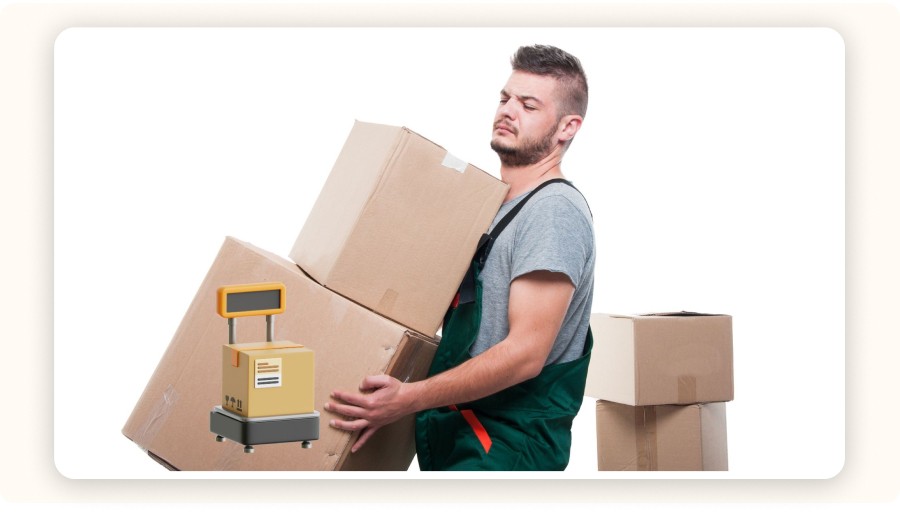
Even if you never touch the products yourself, you must know their weight and dimensions. These details influence the shipping rates charged by your suppliers (AliExpress, CJ Dropshipping, Spocket). Always double-check this information so you can set accurate prices and avoid negative margins.
Choose and Customize Your Packaging (When Possible)
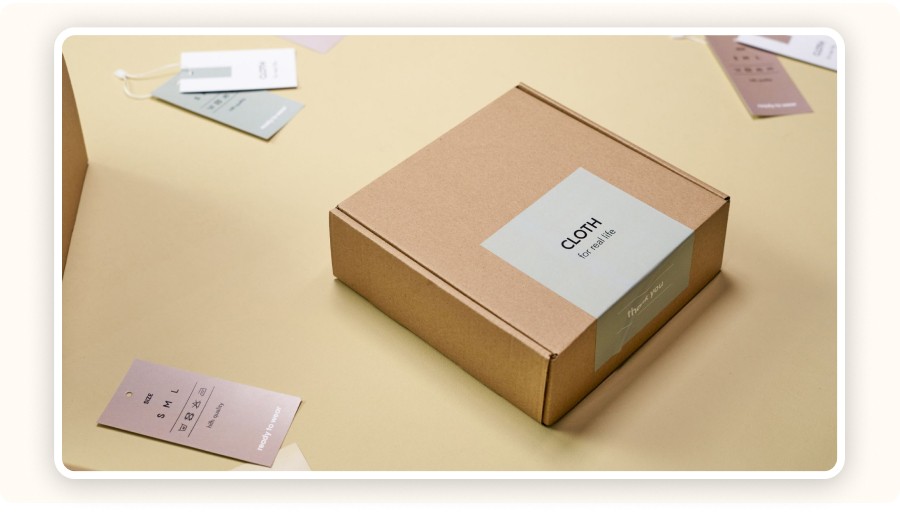
In dropshipping, packaging is often plain and generic. However, some suppliers offer custom packaging options such as branded boxes, logo stickers, thank-you cards, or promotional inserts. When available, take advantage of it, personalized packaging boosts your brand image and makes your store feel like a true white-label business rather than a basic AliExpress shipment.
It also reduces the “AliExpress package” effect and increases customer loyalty. Even if customization sometimes requires a minimum order quantity, it remains a powerful long-term branding tool.
Choose Eco-Friendly Shipping Materials
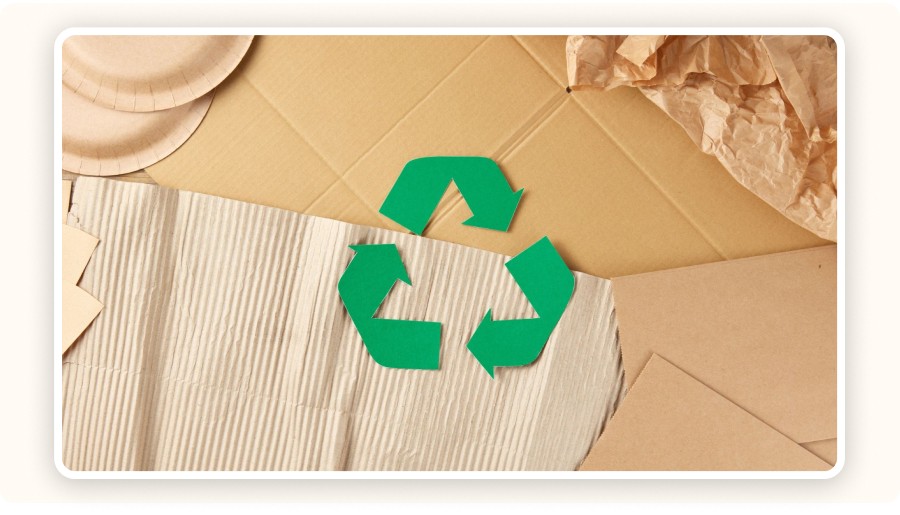
More and more suppliers now offer eco-friendly ecommerce shipping options such as compostable mailers, recycled cardboard, and biodegradable fillers. If your audience cares about sustainability, partner with suppliers who can ship in an environmentally conscious way. It can even become a strong marketing angle for your store.

To deliver products efficiently and keep your customers happy, you need a clear and reliable ecommerce shipping process. Focus on the essentials:
Choose the right shipping solution
Display your shipping costs and delivery times
Offer multiple delivery options (standard, express, pickup point)
Provide transparent order tracking
In ecommerce or dropshipping, shipping is one of the pillars of your successful inventory management. Even if your product is excellent, customers won’t come back if their orders arrive late, poorly packaged, or with unexpected fees. According to Meteor Space, 84% of customers won’t return after a bad delivery experience. What do they really want? Speed, transparency, and flexibility.
If you’re wondering how to ship products to customers from home, the process starts with choosing the right ecommerce shipping solution.
So how can you optimize your ecommerce shipping strategy in 2025? Let’s take a closer look.
What steps should you never skip when shipping products in dropshipping?
Even in dropshipping, where you don’t handle inventory, you are still fully responsible for the delivery experience. A late package, poor packaging, or missing tracking information directly impacts your store’s reputation. To ensure smooth shipping, reduce disputes, and build customer loyalty, make sure you follow each step carefully.
Know Your Product Weights and Characteristics

Even if you never touch the products yourself, you must know their weight and dimensions. These details influence the shipping rates charged by your suppliers (AliExpress, CJ Dropshipping, Spocket). Always double-check this information so you can set accurate prices and avoid negative margins.
Choose and Customize Your Packaging (When Possible)

In dropshipping, packaging is often plain and generic. However, some suppliers offer custom packaging options such as branded boxes, logo stickers, thank-you cards, or promotional inserts. When available, take advantage of it, personalized packaging boosts your brand image and makes your store feel like a true white-label business rather than a basic AliExpress shipment.
It also reduces the “AliExpress package” effect and increases customer loyalty. Even if customization sometimes requires a minimum order quantity, it remains a powerful long-term branding tool.
Choose Eco-Friendly Shipping Materials

More and more suppliers now offer eco-friendly ecommerce shipping options such as compostable mailers, recycled cardboard, and biodegradable fillers. If your audience cares about sustainability, partner with suppliers who can ship in an environmentally conscious way. It can even become a strong marketing angle for your store.
To deliver products efficiently and keep your customers happy, you need a clear and reliable ecommerce shipping process. Focus on the essentials:
Choose the right shipping solution
Display your shipping costs and delivery times
Offer multiple delivery options (standard, express, pickup point)
Provide transparent order tracking
In ecommerce or dropshipping, shipping is one of the pillars of your successful inventory management. Even if your product is excellent, customers won’t come back if their orders arrive late, poorly packaged, or with unexpected fees. According to Meteor Space, 84% of customers won’t return after a bad delivery experience. What do they really want? Speed, transparency, and flexibility.
If you’re wondering how to ship products to customers from home, the process starts with choosing the right ecommerce shipping solution.
So how can you optimize your ecommerce shipping strategy in 2025? Let’s take a closer look.
What steps should you never skip when shipping products in dropshipping?
Even in dropshipping, where you don’t handle inventory, you are still fully responsible for the delivery experience. A late package, poor packaging, or missing tracking information directly impacts your store’s reputation. To ensure smooth shipping, reduce disputes, and build customer loyalty, make sure you follow each step carefully.
Know Your Product Weights and Characteristics

Even if you never touch the products yourself, you must know their weight and dimensions. These details influence the shipping rates charged by your suppliers (AliExpress, CJ Dropshipping, Spocket). Always double-check this information so you can set accurate prices and avoid negative margins.
Choose and Customize Your Packaging (When Possible)

In dropshipping, packaging is often plain and generic. However, some suppliers offer custom packaging options such as branded boxes, logo stickers, thank-you cards, or promotional inserts. When available, take advantage of it, personalized packaging boosts your brand image and makes your store feel like a true white-label business rather than a basic AliExpress shipment.
It also reduces the “AliExpress package” effect and increases customer loyalty. Even if customization sometimes requires a minimum order quantity, it remains a powerful long-term branding tool.
Choose Eco-Friendly Shipping Materials

More and more suppliers now offer eco-friendly ecommerce shipping options such as compostable mailers, recycled cardboard, and biodegradable fillers. If your audience cares about sustainability, partner with suppliers who can ship in an environmentally conscious way. It can even become a strong marketing angle for your store.
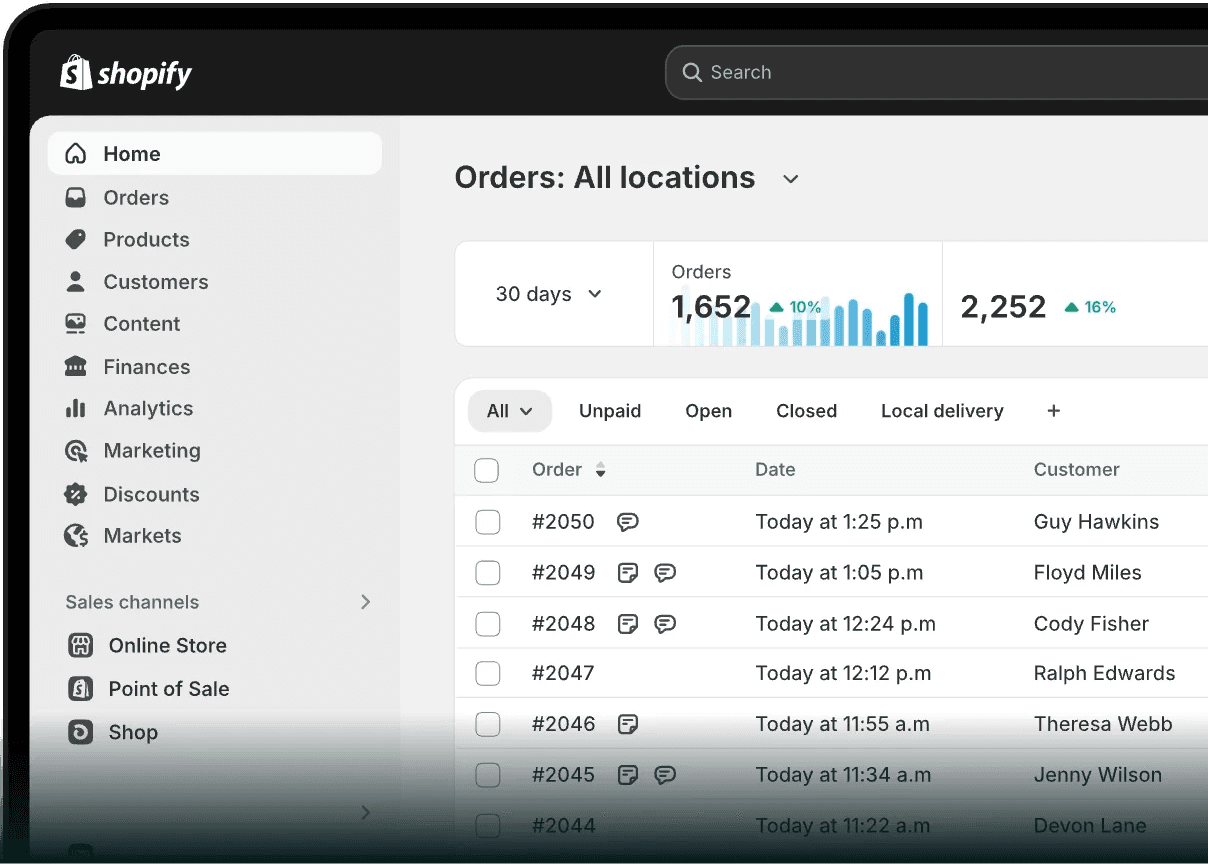
To deliver products efficiently and keep your customers happy, you need a clear and reliable ecommerce shipping process. Focus on the essentials:
Choose the right shipping solution
Display your shipping costs and delivery times
Offer multiple delivery options (standard, express, pickup point)
Provide transparent order tracking
In ecommerce or dropshipping, shipping is one of the pillars of your successful inventory management. Even if your product is excellent, customers won’t come back if their orders arrive late, poorly packaged, or with unexpected fees. According to Meteor Space, 84% of customers won’t return after a bad delivery experience. What do they really want? Speed, transparency, and flexibility.
If you’re wondering how to ship products to customers from home, the process starts with choosing the right ecommerce shipping solution.
So how can you optimize your ecommerce shipping strategy in 2025? Let’s take a closer look.
What steps should you never skip when shipping products in dropshipping?
Even in dropshipping, where you don’t handle inventory, you are still fully responsible for the delivery experience. A late package, poor packaging, or missing tracking information directly impacts your store’s reputation. To ensure smooth shipping, reduce disputes, and build customer loyalty, make sure you follow each step carefully.
Know Your Product Weights and Characteristics

Even if you never touch the products yourself, you must know their weight and dimensions. These details influence the shipping rates charged by your suppliers (AliExpress, CJ Dropshipping, Spocket). Always double-check this information so you can set accurate prices and avoid negative margins.
Choose and Customize Your Packaging (When Possible)

In dropshipping, packaging is often plain and generic. However, some suppliers offer custom packaging options such as branded boxes, logo stickers, thank-you cards, or promotional inserts. When available, take advantage of it, personalized packaging boosts your brand image and makes your store feel like a true white-label business rather than a basic AliExpress shipment.
It also reduces the “AliExpress package” effect and increases customer loyalty. Even if customization sometimes requires a minimum order quantity, it remains a powerful long-term branding tool.
Choose Eco-Friendly Shipping Materials

More and more suppliers now offer eco-friendly ecommerce shipping options such as compostable mailers, recycled cardboard, and biodegradable fillers. If your audience cares about sustainability, partner with suppliers who can ship in an environmentally conscious way. It can even become a strong marketing angle for your store.
To deliver products efficiently and keep your customers happy, you need a clear and reliable ecommerce shipping process. Focus on the essentials:
Choose the right shipping solution
Display your shipping costs and delivery times
Offer multiple delivery options (standard, express, pickup point)
Provide transparent order tracking
In ecommerce or dropshipping, shipping is one of the pillars of your successful inventory management. Even if your product is excellent, customers won’t come back if their orders arrive late, poorly packaged, or with unexpected fees. According to Meteor Space, 84% of customers won’t return after a bad delivery experience. What do they really want? Speed, transparency, and flexibility.
If you’re wondering how to ship products to customers from home, the process starts with choosing the right ecommerce shipping solution.
So how can you optimize your ecommerce shipping strategy in 2025? Let’s take a closer look.
What steps should you never skip when shipping products in dropshipping?
Even in dropshipping, where you don’t handle inventory, you are still fully responsible for the delivery experience. A late package, poor packaging, or missing tracking information directly impacts your store’s reputation. To ensure smooth shipping, reduce disputes, and build customer loyalty, make sure you follow each step carefully.
Know Your Product Weights and Characteristics

Even if you never touch the products yourself, you must know their weight and dimensions. These details influence the shipping rates charged by your suppliers (AliExpress, CJ Dropshipping, Spocket). Always double-check this information so you can set accurate prices and avoid negative margins.
Choose and Customize Your Packaging (When Possible)

In dropshipping, packaging is often plain and generic. However, some suppliers offer custom packaging options such as branded boxes, logo stickers, thank-you cards, or promotional inserts. When available, take advantage of it, personalized packaging boosts your brand image and makes your store feel like a true white-label business rather than a basic AliExpress shipment.
It also reduces the “AliExpress package” effect and increases customer loyalty. Even if customization sometimes requires a minimum order quantity, it remains a powerful long-term branding tool.
Choose Eco-Friendly Shipping Materials

More and more suppliers now offer eco-friendly ecommerce shipping options such as compostable mailers, recycled cardboard, and biodegradable fillers. If your audience cares about sustainability, partner with suppliers who can ship in an environmentally conscious way. It can even become a strong marketing angle for your store.
To deliver products efficiently and keep your customers happy, you need a clear and reliable ecommerce shipping process. Focus on the essentials:
Choose the right shipping solution
Display your shipping costs and delivery times
Offer multiple delivery options (standard, express, pickup point)
Provide transparent order tracking
In ecommerce or dropshipping, shipping is one of the pillars of your successful inventory management. Even if your product is excellent, customers won’t come back if their orders arrive late, poorly packaged, or with unexpected fees. According to Meteor Space, 84% of customers won’t return after a bad delivery experience. What do they really want? Speed, transparency, and flexibility.
If you’re wondering how to ship products to customers from home, the process starts with choosing the right ecommerce shipping solution.
So how can you optimize your ecommerce shipping strategy in 2025? Let’s take a closer look.
What steps should you never skip when shipping products in dropshipping?
Even in dropshipping, where you don’t handle inventory, you are still fully responsible for the delivery experience. A late package, poor packaging, or missing tracking information directly impacts your store’s reputation. To ensure smooth shipping, reduce disputes, and build customer loyalty, make sure you follow each step carefully.
Know Your Product Weights and Characteristics

Even if you never touch the products yourself, you must know their weight and dimensions. These details influence the shipping rates charged by your suppliers (AliExpress, CJ Dropshipping, Spocket). Always double-check this information so you can set accurate prices and avoid negative margins.
Choose and Customize Your Packaging (When Possible)

In dropshipping, packaging is often plain and generic. However, some suppliers offer custom packaging options such as branded boxes, logo stickers, thank-you cards, or promotional inserts. When available, take advantage of it, personalized packaging boosts your brand image and makes your store feel like a true white-label business rather than a basic AliExpress shipment.
It also reduces the “AliExpress package” effect and increases customer loyalty. Even if customization sometimes requires a minimum order quantity, it remains a powerful long-term branding tool.
Choose Eco-Friendly Shipping Materials

More and more suppliers now offer eco-friendly ecommerce shipping options such as compostable mailers, recycled cardboard, and biodegradable fillers. If your audience cares about sustainability, partner with suppliers who can ship in an environmentally conscious way. It can even become a strong marketing angle for your store.
Check Your Supplier’s Packaging Quality
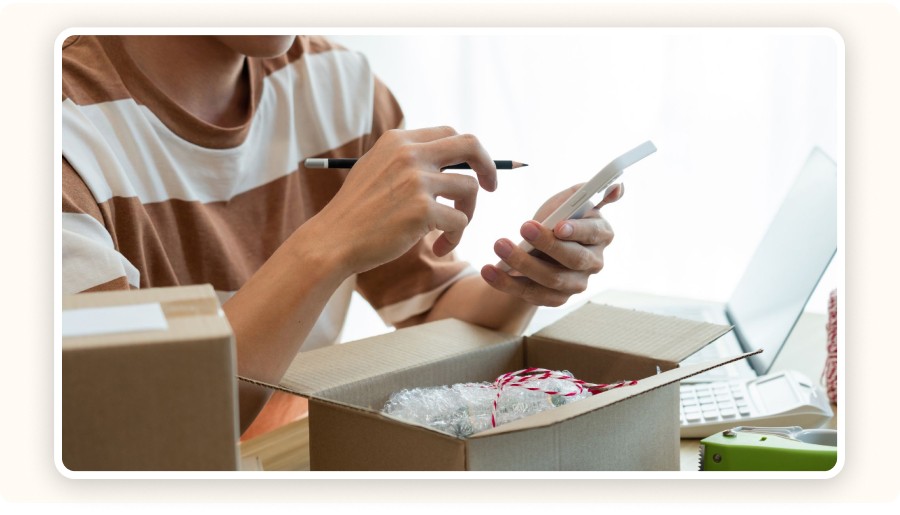
Even if you don’t handle packaging yourself, you should always test your suppliers. Order their products to evaluate packaging quality and overall durability. This prevents unpleasant surprises, damaged items, crushed boxes, and helps you significantly reduce returns and customer complaints. Reliable packaging is a key part of shipping and fulfillment in both ecommerce and the dropshipping business model.
Automate Shipping Label Creation
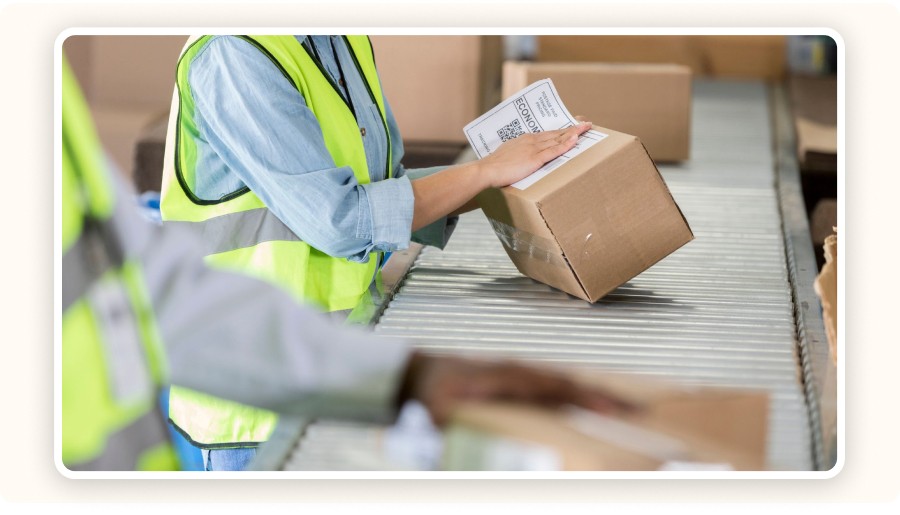
With platforms like DSers, AutoDS, or CJdropshipping, you can automatically generate shipping labels through your carriers. If your supplier handles label creation, make sure customer information is transmitted accurately (name, address, postal code, phone number). A single mistake can delay a shipment or block it during transit.
Automation also helps streamline your order fulfillment process, especially when you manage multiple suppliers or ship orders daily.
Set Up Your Shipping Methods
In dropshipping, delivery times are often longer. To avoid disputes and meet customer expectations:
Display estimated delivery times clearly on every product page (e.g., 8–15 days).
Offer an express shipping option through ePacket, YunExpress, or a local warehouse when available.
Provide free shipping by building the cost into your product price, this is what most customers expect today.
With maximum transparency, you reduce cart abandonment and improve overall customer satisfaction across your ecommerce shipping strategy.
Calculate Your Shipping Costs

Small sellers often ask how to ship products to customers for small business without increasing costs.
Your profit margins depend heavily on the ecommerce shipping method you choose. To set the right prices and stay profitable:
Always compare the rates offered by your suppliers.
Avoid products that are too heavy or bulky, they dramatically increase shipping cost.
Build shipping fees into your product price so you can offer “free shipping,” which is psychologically more attractive for most customers.
Offer Insurance and Tracking
Customers want to know exactly where their package is, so make sure they can. Tools like 17Track or AfterShip allow you to centralize tracking information, even when working with multiple suppliers.
For high-ticket items, offer shipping insurance. You can include it in the product price or offer it as a paid option. Insurance protects your margins and reassures customers throughout the shipping and fulfillment process.
Handle Customs and International Shipping
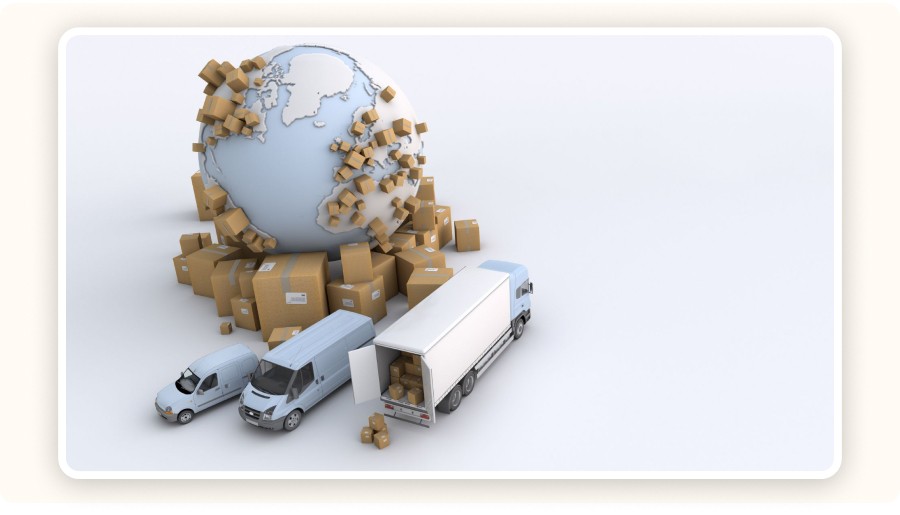
In dropshipping, many shipments come from China, which means you’ll need to deal with taxes and customs duties. These costs vary by country. To build trust, be transparent in your terms and conditions, clearly state whether the customer or the seller is responsible for these fees.
When possible, choose suppliers with European or U.S. warehouses to avoid delays. You should also work with reliable partners who can identify the product’s origin and help you anticipate customs requirements for international ecommerce shipping solutions.

Check Your Supplier’s Packaging Quality

Even if you don’t handle packaging yourself, you should always test your suppliers. Order their products to evaluate packaging quality and overall durability. This prevents unpleasant surprises, damaged items, crushed boxes, and helps you significantly reduce returns and customer complaints. Reliable packaging is a key part of shipping and fulfillment in both ecommerce and the dropshipping business model.
Automate Shipping Label Creation

With platforms like DSers, AutoDS, or CJdropshipping, you can automatically generate shipping labels through your carriers. If your supplier handles label creation, make sure customer information is transmitted accurately (name, address, postal code, phone number). A single mistake can delay a shipment or block it during transit.
Automation also helps streamline your order fulfillment process, especially when you manage multiple suppliers or ship orders daily.
Set Up Your Shipping Methods

In dropshipping, delivery times are often longer. To avoid disputes and meet customer expectations:
Display estimated delivery times clearly on every product page (e.g., 8–15 days).
Offer an express shipping option through ePacket, YunExpress, or a local warehouse when available.
Provide free shipping by building the cost into your product price, this is what most customers expect today.
With maximum transparency, you reduce cart abandonment and improve overall customer satisfaction across your ecommerce shipping strategy.
Calculate Your Shipping Costs

Small sellers often ask how to ship products to customers for small business without increasing costs.
Your profit margins depend heavily on the ecommerce shipping method you choose. To set the right prices and stay profitable:
Always compare the rates offered by your suppliers.
Avoid products that are too heavy or bulky, they dramatically increase shipping cost.
Build shipping fees into your product price so you can offer “free shipping,” which is psychologically more attractive for most customers.
Offer Insurance and Tracking

Customers want to know exactly where their package is, so make sure they can. Tools like 17Track or AfterShip allow you to centralize tracking information, even when working with multiple suppliers.
For high-ticket items, offer shipping insurance. You can include it in the product price or offer it as a paid option. Insurance protects your margins and reassures customers throughout the shipping and fulfillment process.
Handle Customs and International Shipping

In dropshipping, many shipments come from China, which means you’ll need to deal with taxes and customs duties. These costs vary by country. To build trust, be transparent in your terms and conditions, clearly state whether the customer or the seller is responsible for these fees.
When possible, choose suppliers with European or U.S. warehouses to avoid delays. You should also work with reliable partners who can identify the product’s origin and help you anticipate customs requirements for international ecommerce shipping solutions.
Check Your Supplier’s Packaging Quality

Even if you don’t handle packaging yourself, you should always test your suppliers. Order their products to evaluate packaging quality and overall durability. This prevents unpleasant surprises, damaged items, crushed boxes, and helps you significantly reduce returns and customer complaints. Reliable packaging is a key part of shipping and fulfillment in both ecommerce and the dropshipping business model.
Automate Shipping Label Creation

With platforms like DSers, AutoDS, or CJdropshipping, you can automatically generate shipping labels through your carriers. If your supplier handles label creation, make sure customer information is transmitted accurately (name, address, postal code, phone number). A single mistake can delay a shipment or block it during transit.
Automation also helps streamline your order fulfillment process, especially when you manage multiple suppliers or ship orders daily.
Set Up Your Shipping Methods

In dropshipping, delivery times are often longer. To avoid disputes and meet customer expectations:
Display estimated delivery times clearly on every product page (e.g., 8–15 days).
Offer an express shipping option through ePacket, YunExpress, or a local warehouse when available.
Provide free shipping by building the cost into your product price, this is what most customers expect today.
With maximum transparency, you reduce cart abandonment and improve overall customer satisfaction across your ecommerce shipping strategy.
Calculate Your Shipping Costs

Small sellers often ask how to ship products to customers for small business without increasing costs.
Your profit margins depend heavily on the ecommerce shipping method you choose. To set the right prices and stay profitable:
Always compare the rates offered by your suppliers.
Avoid products that are too heavy or bulky, they dramatically increase shipping cost.
Build shipping fees into your product price so you can offer “free shipping,” which is psychologically more attractive for most customers.
Offer Insurance and Tracking

Customers want to know exactly where their package is, so make sure they can. Tools like 17Track or AfterShip allow you to centralize tracking information, even when working with multiple suppliers.
For high-ticket items, offer shipping insurance. You can include it in the product price or offer it as a paid option. Insurance protects your margins and reassures customers throughout the shipping and fulfillment process.
Handle Customs and International Shipping

In dropshipping, many shipments come from China, which means you’ll need to deal with taxes and customs duties. These costs vary by country. To build trust, be transparent in your terms and conditions, clearly state whether the customer or the seller is responsible for these fees.
When possible, choose suppliers with European or U.S. warehouses to avoid delays. You should also work with reliable partners who can identify the product’s origin and help you anticipate customs requirements for international ecommerce shipping solutions.
Check Your Supplier’s Packaging Quality

Even if you don’t handle packaging yourself, you should always test your suppliers. Order their products to evaluate packaging quality and overall durability. This prevents unpleasant surprises, damaged items, crushed boxes, and helps you significantly reduce returns and customer complaints. Reliable packaging is a key part of shipping and fulfillment in both ecommerce and the dropshipping business model.
Automate Shipping Label Creation

With platforms like DSers, AutoDS, or CJdropshipping, you can automatically generate shipping labels through your carriers. If your supplier handles label creation, make sure customer information is transmitted accurately (name, address, postal code, phone number). A single mistake can delay a shipment or block it during transit.
Automation also helps streamline your order fulfillment process, especially when you manage multiple suppliers or ship orders daily.
Set Up Your Shipping Methods

In dropshipping, delivery times are often longer. To avoid disputes and meet customer expectations:
Display estimated delivery times clearly on every product page (e.g., 8–15 days).
Offer an express shipping option through ePacket, YunExpress, or a local warehouse when available.
Provide free shipping by building the cost into your product price, this is what most customers expect today.
With maximum transparency, you reduce cart abandonment and improve overall customer satisfaction across your ecommerce shipping strategy.
Calculate Your Shipping Costs

Small sellers often ask how to ship products to customers for small business without increasing costs.
Your profit margins depend heavily on the ecommerce shipping method you choose. To set the right prices and stay profitable:
Always compare the rates offered by your suppliers.
Avoid products that are too heavy or bulky, they dramatically increase shipping cost.
Build shipping fees into your product price so you can offer “free shipping,” which is psychologically more attractive for most customers.
Offer Insurance and Tracking

Customers want to know exactly where their package is, so make sure they can. Tools like 17Track or AfterShip allow you to centralize tracking information, even when working with multiple suppliers.
For high-ticket items, offer shipping insurance. You can include it in the product price or offer it as a paid option. Insurance protects your margins and reassures customers throughout the shipping and fulfillment process.
Handle Customs and International Shipping

In dropshipping, many shipments come from China, which means you’ll need to deal with taxes and customs duties. These costs vary by country. To build trust, be transparent in your terms and conditions, clearly state whether the customer or the seller is responsible for these fees.
When possible, choose suppliers with European or U.S. warehouses to avoid delays. You should also work with reliable partners who can identify the product’s origin and help you anticipate customs requirements for international ecommerce shipping solutions.
Check Your Supplier’s Packaging Quality

Even if you don’t handle packaging yourself, you should always test your suppliers. Order their products to evaluate packaging quality and overall durability. This prevents unpleasant surprises, damaged items, crushed boxes, and helps you significantly reduce returns and customer complaints. Reliable packaging is a key part of shipping and fulfillment in both ecommerce and the dropshipping business model.
Automate Shipping Label Creation

With platforms like DSers, AutoDS, or CJdropshipping, you can automatically generate shipping labels through your carriers. If your supplier handles label creation, make sure customer information is transmitted accurately (name, address, postal code, phone number). A single mistake can delay a shipment or block it during transit.
Automation also helps streamline your order fulfillment process, especially when you manage multiple suppliers or ship orders daily.
Set Up Your Shipping Methods

In dropshipping, delivery times are often longer. To avoid disputes and meet customer expectations:
Display estimated delivery times clearly on every product page (e.g., 8–15 days).
Offer an express shipping option through ePacket, YunExpress, or a local warehouse when available.
Provide free shipping by building the cost into your product price, this is what most customers expect today.
With maximum transparency, you reduce cart abandonment and improve overall customer satisfaction across your ecommerce shipping strategy.
Calculate Your Shipping Costs

Small sellers often ask how to ship products to customers for small business without increasing costs.
Your profit margins depend heavily on the ecommerce shipping method you choose. To set the right prices and stay profitable:
Always compare the rates offered by your suppliers.
Avoid products that are too heavy or bulky, they dramatically increase shipping cost.
Build shipping fees into your product price so you can offer “free shipping,” which is psychologically more attractive for most customers.
Offer Insurance and Tracking

Customers want to know exactly where their package is, so make sure they can. Tools like 17Track or AfterShip allow you to centralize tracking information, even when working with multiple suppliers.
For high-ticket items, offer shipping insurance. You can include it in the product price or offer it as a paid option. Insurance protects your margins and reassures customers throughout the shipping and fulfillment process.
Handle Customs and International Shipping

In dropshipping, many shipments come from China, which means you’ll need to deal with taxes and customs duties. These costs vary by country. To build trust, be transparent in your terms and conditions, clearly state whether the customer or the seller is responsible for these fees.
When possible, choose suppliers with European or U.S. warehouses to avoid delays. You should also work with reliable partners who can identify the product’s origin and help you anticipate customs requirements for international ecommerce shipping solutions.
Check Your Supplier’s Packaging Quality

Even if you don’t handle packaging yourself, you should always test your suppliers. Order their products to evaluate packaging quality and overall durability. This prevents unpleasant surprises, damaged items, crushed boxes, and helps you significantly reduce returns and customer complaints. Reliable packaging is a key part of shipping and fulfillment in both ecommerce and the dropshipping business model.
Automate Shipping Label Creation

With platforms like DSers, AutoDS, or CJdropshipping, you can automatically generate shipping labels through your carriers. If your supplier handles label creation, make sure customer information is transmitted accurately (name, address, postal code, phone number). A single mistake can delay a shipment or block it during transit.
Automation also helps streamline your order fulfillment process, especially when you manage multiple suppliers or ship orders daily.
Set Up Your Shipping Methods

In dropshipping, delivery times are often longer. To avoid disputes and meet customer expectations:
Display estimated delivery times clearly on every product page (e.g., 8–15 days).
Offer an express shipping option through ePacket, YunExpress, or a local warehouse when available.
Provide free shipping by building the cost into your product price, this is what most customers expect today.
With maximum transparency, you reduce cart abandonment and improve overall customer satisfaction across your ecommerce shipping strategy.
Calculate Your Shipping Costs

Small sellers often ask how to ship products to customers for small business without increasing costs.
Your profit margins depend heavily on the ecommerce shipping method you choose. To set the right prices and stay profitable:
Always compare the rates offered by your suppliers.
Avoid products that are too heavy or bulky, they dramatically increase shipping cost.
Build shipping fees into your product price so you can offer “free shipping,” which is psychologically more attractive for most customers.
Offer Insurance and Tracking

Customers want to know exactly where their package is, so make sure they can. Tools like 17Track or AfterShip allow you to centralize tracking information, even when working with multiple suppliers.
For high-ticket items, offer shipping insurance. You can include it in the product price or offer it as a paid option. Insurance protects your margins and reassures customers throughout the shipping and fulfillment process.
Handle Customs and International Shipping

In dropshipping, many shipments come from China, which means you’ll need to deal with taxes and customs duties. These costs vary by country. To build trust, be transparent in your terms and conditions, clearly state whether the customer or the seller is responsible for these fees.
When possible, choose suppliers with European or U.S. warehouses to avoid delays. You should also work with reliable partners who can identify the product’s origin and help you anticipate customs requirements for international ecommerce shipping solutions.


Choose Between Supplier Shipping or a Fulfillment Warehouse
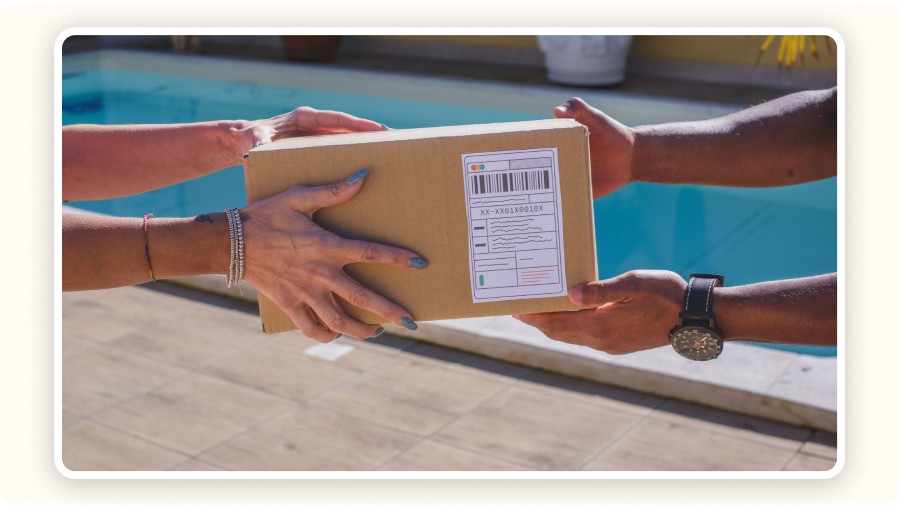
In dropshipping, you have two main options:
Ship directly from your supplier (AliExpress, etc.)
Simple and cost-efficient, but often slower.Store products in a 3PL or local warehouse (CJdropshipping, ShipBob, Zendrop)
Faster delivery, customizable packaging, and better branding, but requires a higher investment.
Your choice depends on your sales volume, brand strategy, and where you source your products in dropshipping. For example, marketplaces like AliExpress differ significantly from suppliers offering local fulfillment centers or regional warehouses.
Schedule Supplier Pickup and Shipment Monitoring

Even if you don’t manage pickups yourself, you must ensure your suppliers respect their commitments, shipping timelines, chosen carriers, and handling procedures. Clear communication prevents delays and reassures customers throughout the ecommerce shipping process.
Track Shipments in Real Time

Enable automatic tracking on your online store. Every customer should receive a tracking number as soon as the order ships. With tools like Oberlo, DSers, or AfterShip, tracking emails are sent automatically, even when you work with multiple suppliers. This creates a smooth and reliable shipping and fulfillment experience.
Communicate With Customers After Shipment
In dropshipping, delivery times can be longer, and this is where many stores lose customers. The key is proactive communication:
Order confirmation
Shipping confirmation
Status updates
Send emails containing the tracking link, and consider including product videos or tips to boost post-purchase engagement. Even if delivery takes 10 days, your customer should feel supported from start to finish.
Manage Returns and Refunds
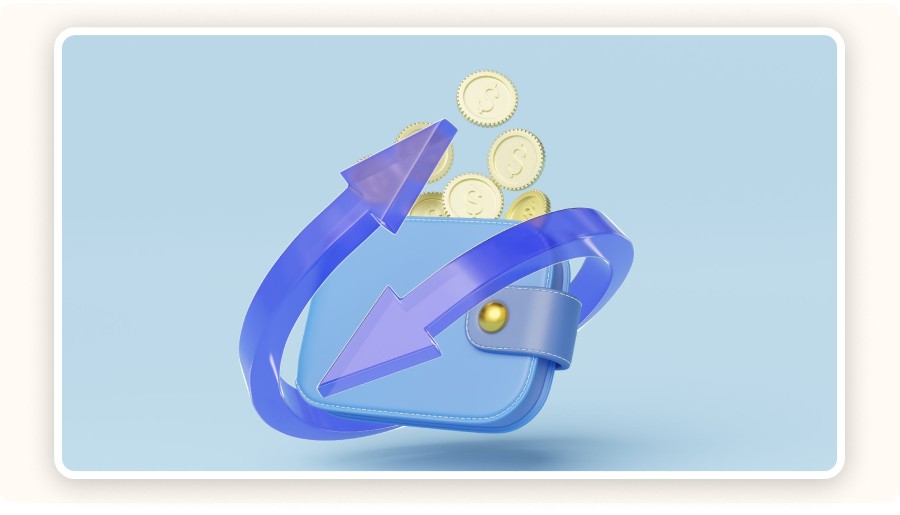
Returns are often more complex in dropshipping (especially when items must be shipped back to China). Simplify the process by:
Offering instant refunds for low-cost products
Providing returns to a local address (via a warehouse or logistics partner)
Clearly displaying your return policy on the product page
Transparent return management reduces PayPal and Stripe disputes and improves overall customer satisfaction.
Evaluate Your Suppliers and Improve Your Logistics

Not all suppliers are equal. Track your key KPIs, average delivery times, dispute rates, packaging quality. If performance drops, don’t hesitate to switch suppliers. Over time, prioritize reliable partners and local warehouses to build a stronger, more durable brand within your ecommerce shipping strategy.
What Is Ecommerce Shipping?
Ecommerce shipping includes all the steps required for a customer to receive an online order: preparation, packing, shipping, and final delivery to their door.
It is not the same as:
Shipping: the act of sending the package to the customer.
Fulfillment: everything that happens before shipping, inventory handling, product prep, packaging, and order processing.
Why does it matter? Because delivery directly impacts the customer experience. When a package arrives quickly, well-packaged, and without hidden fees, customers are satisfied and more likely to reorder. But one delay or unexpected cost is enough to push them away for good.
Ecommerce shipping isn’t just a logistics task, it’s a core driver of customer satisfaction, loyalty, and long-term growth for your online store.

Choose Between Supplier Shipping or a Fulfillment Warehouse

In dropshipping, you have two main options:
Ship directly from your supplier (AliExpress, etc.)
Simple and cost-efficient, but often slower.Store products in a 3PL or local warehouse (CJdropshipping, ShipBob, Zendrop)
Faster delivery, customizable packaging, and better branding, but requires a higher investment.
Your choice depends on your sales volume, brand strategy, and where you source your products in dropshipping. For example, marketplaces like AliExpress differ significantly from suppliers offering local fulfillment centers or regional warehouses.
Schedule Supplier Pickup and Shipment Monitoring

Even if you don’t manage pickups yourself, you must ensure your suppliers respect their commitments, shipping timelines, chosen carriers, and handling procedures. Clear communication prevents delays and reassures customers throughout the ecommerce shipping process.
Track Shipments in Real Time

Enable automatic tracking on your online store. Every customer should receive a tracking number as soon as the order ships. With tools like Oberlo, DSers, or AfterShip, tracking emails are sent automatically, even when you work with multiple suppliers. This creates a smooth and reliable shipping and fulfillment experience.
Communicate With Customers After Shipment
In dropshipping, delivery times can be longer, and this is where many stores lose customers. The key is proactive communication:
Order confirmation
Shipping confirmation
Status updates
Send emails containing the tracking link, and consider including product videos or tips to boost post-purchase engagement. Even if delivery takes 10 days, your customer should feel supported from start to finish.
Manage Returns and Refunds

Returns are often more complex in dropshipping (especially when items must be shipped back to China). Simplify the process by:
Offering instant refunds for low-cost products
Providing returns to a local address (via a warehouse or logistics partner)
Clearly displaying your return policy on the product page
Transparent return management reduces PayPal and Stripe disputes and improves overall customer satisfaction.
Evaluate Your Suppliers and Improve Your Logistics

Not all suppliers are equal. Track your key KPIs, average delivery times, dispute rates, packaging quality. If performance drops, don’t hesitate to switch suppliers. Over time, prioritize reliable partners and local warehouses to build a stronger, more durable brand within your ecommerce shipping strategy.
What Is Ecommerce Shipping?
Ecommerce shipping includes all the steps required for a customer to receive an online order: preparation, packing, shipping, and final delivery to their door.
It is not the same as:
Shipping: the act of sending the package to the customer.
Fulfillment: everything that happens before shipping, inventory handling, product prep, packaging, and order processing.
Why does it matter? Because delivery directly impacts the customer experience. When a package arrives quickly, well-packaged, and without hidden fees, customers are satisfied and more likely to reorder. But one delay or unexpected cost is enough to push them away for good.
Ecommerce shipping isn’t just a logistics task, it’s a core driver of customer satisfaction, loyalty, and long-term growth for your online store.
Choose Between Supplier Shipping or a Fulfillment Warehouse

In dropshipping, you have two main options:
Ship directly from your supplier (AliExpress, etc.)
Simple and cost-efficient, but often slower.Store products in a 3PL or local warehouse (CJdropshipping, ShipBob, Zendrop)
Faster delivery, customizable packaging, and better branding, but requires a higher investment.
Your choice depends on your sales volume, brand strategy, and where you source your products in dropshipping. For example, marketplaces like AliExpress differ significantly from suppliers offering local fulfillment centers or regional warehouses.
Schedule Supplier Pickup and Shipment Monitoring

Even if you don’t manage pickups yourself, you must ensure your suppliers respect their commitments, shipping timelines, chosen carriers, and handling procedures. Clear communication prevents delays and reassures customers throughout the ecommerce shipping process.
Track Shipments in Real Time

Enable automatic tracking on your online store. Every customer should receive a tracking number as soon as the order ships. With tools like Oberlo, DSers, or AfterShip, tracking emails are sent automatically, even when you work with multiple suppliers. This creates a smooth and reliable shipping and fulfillment experience.
Communicate With Customers After Shipment
In dropshipping, delivery times can be longer, and this is where many stores lose customers. The key is proactive communication:
Order confirmation
Shipping confirmation
Status updates
Send emails containing the tracking link, and consider including product videos or tips to boost post-purchase engagement. Even if delivery takes 10 days, your customer should feel supported from start to finish.
Manage Returns and Refunds

Returns are often more complex in dropshipping (especially when items must be shipped back to China). Simplify the process by:
Offering instant refunds for low-cost products
Providing returns to a local address (via a warehouse or logistics partner)
Clearly displaying your return policy on the product page
Transparent return management reduces PayPal and Stripe disputes and improves overall customer satisfaction.
Evaluate Your Suppliers and Improve Your Logistics

Not all suppliers are equal. Track your key KPIs, average delivery times, dispute rates, packaging quality. If performance drops, don’t hesitate to switch suppliers. Over time, prioritize reliable partners and local warehouses to build a stronger, more durable brand within your ecommerce shipping strategy.
What Is Ecommerce Shipping?
Ecommerce shipping includes all the steps required for a customer to receive an online order: preparation, packing, shipping, and final delivery to their door.
It is not the same as:
Shipping: the act of sending the package to the customer.
Fulfillment: everything that happens before shipping, inventory handling, product prep, packaging, and order processing.
Why does it matter? Because delivery directly impacts the customer experience. When a package arrives quickly, well-packaged, and without hidden fees, customers are satisfied and more likely to reorder. But one delay or unexpected cost is enough to push them away for good.
Ecommerce shipping isn’t just a logistics task, it’s a core driver of customer satisfaction, loyalty, and long-term growth for your online store.
Choose Between Supplier Shipping or a Fulfillment Warehouse

In dropshipping, you have two main options:
Ship directly from your supplier (AliExpress, etc.)
Simple and cost-efficient, but often slower.Store products in a 3PL or local warehouse (CJdropshipping, ShipBob, Zendrop)
Faster delivery, customizable packaging, and better branding, but requires a higher investment.
Your choice depends on your sales volume, brand strategy, and where you source your products in dropshipping. For example, marketplaces like AliExpress differ significantly from suppliers offering local fulfillment centers or regional warehouses.
Schedule Supplier Pickup and Shipment Monitoring

Even if you don’t manage pickups yourself, you must ensure your suppliers respect their commitments, shipping timelines, chosen carriers, and handling procedures. Clear communication prevents delays and reassures customers throughout the ecommerce shipping process.
Track Shipments in Real Time

Enable automatic tracking on your online store. Every customer should receive a tracking number as soon as the order ships. With tools like Oberlo, DSers, or AfterShip, tracking emails are sent automatically, even when you work with multiple suppliers. This creates a smooth and reliable shipping and fulfillment experience.
Communicate With Customers After Shipment
In dropshipping, delivery times can be longer, and this is where many stores lose customers. The key is proactive communication:
Order confirmation
Shipping confirmation
Status updates
Send emails containing the tracking link, and consider including product videos or tips to boost post-purchase engagement. Even if delivery takes 10 days, your customer should feel supported from start to finish.
Manage Returns and Refunds

Returns are often more complex in dropshipping (especially when items must be shipped back to China). Simplify the process by:
Offering instant refunds for low-cost products
Providing returns to a local address (via a warehouse or logistics partner)
Clearly displaying your return policy on the product page
Transparent return management reduces PayPal and Stripe disputes and improves overall customer satisfaction.
Evaluate Your Suppliers and Improve Your Logistics

Not all suppliers are equal. Track your key KPIs, average delivery times, dispute rates, packaging quality. If performance drops, don’t hesitate to switch suppliers. Over time, prioritize reliable partners and local warehouses to build a stronger, more durable brand within your ecommerce shipping strategy.
What Is Ecommerce Shipping?
Ecommerce shipping includes all the steps required for a customer to receive an online order: preparation, packing, shipping, and final delivery to their door.
It is not the same as:
Shipping: the act of sending the package to the customer.
Fulfillment: everything that happens before shipping, inventory handling, product prep, packaging, and order processing.
Why does it matter? Because delivery directly impacts the customer experience. When a package arrives quickly, well-packaged, and without hidden fees, customers are satisfied and more likely to reorder. But one delay or unexpected cost is enough to push them away for good.
Ecommerce shipping isn’t just a logistics task, it’s a core driver of customer satisfaction, loyalty, and long-term growth for your online store.
Choose Between Supplier Shipping or a Fulfillment Warehouse

In dropshipping, you have two main options:
Ship directly from your supplier (AliExpress, etc.)
Simple and cost-efficient, but often slower.Store products in a 3PL or local warehouse (CJdropshipping, ShipBob, Zendrop)
Faster delivery, customizable packaging, and better branding, but requires a higher investment.
Your choice depends on your sales volume, brand strategy, and where you source your products in dropshipping. For example, marketplaces like AliExpress differ significantly from suppliers offering local fulfillment centers or regional warehouses.
Schedule Supplier Pickup and Shipment Monitoring

Even if you don’t manage pickups yourself, you must ensure your suppliers respect their commitments, shipping timelines, chosen carriers, and handling procedures. Clear communication prevents delays and reassures customers throughout the ecommerce shipping process.
Track Shipments in Real Time

Enable automatic tracking on your online store. Every customer should receive a tracking number as soon as the order ships. With tools like Oberlo, DSers, or AfterShip, tracking emails are sent automatically, even when you work with multiple suppliers. This creates a smooth and reliable shipping and fulfillment experience.
Communicate With Customers After Shipment
In dropshipping, delivery times can be longer, and this is where many stores lose customers. The key is proactive communication:
Order confirmation
Shipping confirmation
Status updates
Send emails containing the tracking link, and consider including product videos or tips to boost post-purchase engagement. Even if delivery takes 10 days, your customer should feel supported from start to finish.
Manage Returns and Refunds

Returns are often more complex in dropshipping (especially when items must be shipped back to China). Simplify the process by:
Offering instant refunds for low-cost products
Providing returns to a local address (via a warehouse or logistics partner)
Clearly displaying your return policy on the product page
Transparent return management reduces PayPal and Stripe disputes and improves overall customer satisfaction.
Evaluate Your Suppliers and Improve Your Logistics

Not all suppliers are equal. Track your key KPIs, average delivery times, dispute rates, packaging quality. If performance drops, don’t hesitate to switch suppliers. Over time, prioritize reliable partners and local warehouses to build a stronger, more durable brand within your ecommerce shipping strategy.
What Is Ecommerce Shipping?
Ecommerce shipping includes all the steps required for a customer to receive an online order: preparation, packing, shipping, and final delivery to their door.
It is not the same as:
Shipping: the act of sending the package to the customer.
Fulfillment: everything that happens before shipping, inventory handling, product prep, packaging, and order processing.
Why does it matter? Because delivery directly impacts the customer experience. When a package arrives quickly, well-packaged, and without hidden fees, customers are satisfied and more likely to reorder. But one delay or unexpected cost is enough to push them away for good.
Ecommerce shipping isn’t just a logistics task, it’s a core driver of customer satisfaction, loyalty, and long-term growth for your online store.
Choose Between Supplier Shipping or a Fulfillment Warehouse

In dropshipping, you have two main options:
Ship directly from your supplier (AliExpress, etc.)
Simple and cost-efficient, but often slower.Store products in a 3PL or local warehouse (CJdropshipping, ShipBob, Zendrop)
Faster delivery, customizable packaging, and better branding, but requires a higher investment.
Your choice depends on your sales volume, brand strategy, and where you source your products in dropshipping. For example, marketplaces like AliExpress differ significantly from suppliers offering local fulfillment centers or regional warehouses.
Schedule Supplier Pickup and Shipment Monitoring

Even if you don’t manage pickups yourself, you must ensure your suppliers respect their commitments, shipping timelines, chosen carriers, and handling procedures. Clear communication prevents delays and reassures customers throughout the ecommerce shipping process.
Track Shipments in Real Time

Enable automatic tracking on your online store. Every customer should receive a tracking number as soon as the order ships. With tools like Oberlo, DSers, or AfterShip, tracking emails are sent automatically, even when you work with multiple suppliers. This creates a smooth and reliable shipping and fulfillment experience.
Communicate With Customers After Shipment
In dropshipping, delivery times can be longer, and this is where many stores lose customers. The key is proactive communication:
Order confirmation
Shipping confirmation
Status updates
Send emails containing the tracking link, and consider including product videos or tips to boost post-purchase engagement. Even if delivery takes 10 days, your customer should feel supported from start to finish.
Manage Returns and Refunds

Returns are often more complex in dropshipping (especially when items must be shipped back to China). Simplify the process by:
Offering instant refunds for low-cost products
Providing returns to a local address (via a warehouse or logistics partner)
Clearly displaying your return policy on the product page
Transparent return management reduces PayPal and Stripe disputes and improves overall customer satisfaction.
Evaluate Your Suppliers and Improve Your Logistics

Not all suppliers are equal. Track your key KPIs, average delivery times, dispute rates, packaging quality. If performance drops, don’t hesitate to switch suppliers. Over time, prioritize reliable partners and local warehouses to build a stronger, more durable brand within your ecommerce shipping strategy.
What Is Ecommerce Shipping?
Ecommerce shipping includes all the steps required for a customer to receive an online order: preparation, packing, shipping, and final delivery to their door.
It is not the same as:
Shipping: the act of sending the package to the customer.
Fulfillment: everything that happens before shipping, inventory handling, product prep, packaging, and order processing.
Why does it matter? Because delivery directly impacts the customer experience. When a package arrives quickly, well-packaged, and without hidden fees, customers are satisfied and more likely to reorder. But one delay or unexpected cost is enough to push them away for good.
Ecommerce shipping isn’t just a logistics task, it’s a core driver of customer satisfaction, loyalty, and long-term growth for your online store.
What Are the Key Challenges of Ecommerce Shipping Today?
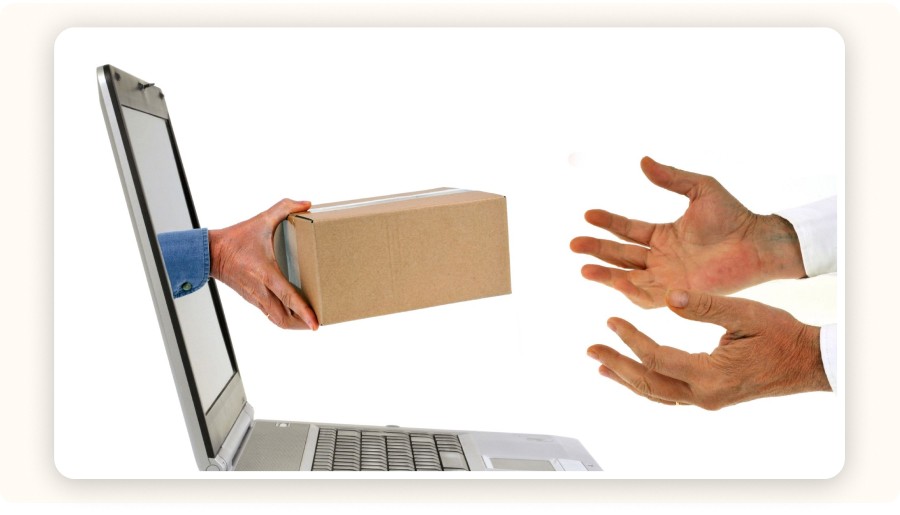
Ecommerce shipping is no longer a simple operational step. It has become a strategic element that strongly influences conversion rates and loyalty. Delivery times, costs, and rising customer expectations are redefining the rules in 2025.
The Impact of Delivery Times on User Experience
Slow delivery is one of the main reasons for cart abandonment. Customers want their orders fast—and delivery times must be clearly shown on the product page. In certain industries (fashion, beauty, accessories), express delivery has become the default expectation. Failing to display your estimated delivery window means risking immediate loss of sales.
Shipping Cost: A Key Conversion Factor
Hidden or high shipping fees can kill conversions right at checkout. On the other hand, “free shipping” (even when the cost is built into the product price) remains a powerful psychological trigger.
The goal isn’t always to offer free delivery, what matters most is offering a clear, fair, and predictable shipping cost that matches the customer’s cart value.
Ecommerce Shipping Trends for 2025
This year, most dropshippers are focusing on:
Eco-friendly shipping: recyclable packaging, shorter routes, optimized delivery paths. Customers expect brands to show genuine environmental responsibility.
Express delivery (24 - 48h): when possible, especially through local warehouses or 3PL providers.
Real-time tracking: every customer wants to know exactly where their package is at all times. Automated tracking systems are becoming essential for any serious ecommerce shipping strategy.
What Are the Best Ecommerce Shipping Solutions for an Online Store?

To choose the right ecommerce shipping solution, you need to consider your business model (dropshipping, in-house inventory, or a small online store) and your customers’ expectations. Here are the main options available.
Traditional Carriers
In France and across Europe, several major carriers dominate the market:
Colissimo (La Poste): Reliable for domestic shipments, great value for money, and a large pickup-point network.
Chronopost: Known for 24-hour express delivery. More expensive, but ideal for customers expecting fast arrival.
DHL: A must for international shipping, fast delivery times, but higher costs.
Mondial Relay / Relais Colis: Budget-friendly and convenient for customers who prefer picking up their packages locally.
If you manage your own shipping or store products yourself, these carriers are among the most dependable.
Specialized Ecommerce Shipping Tools
If you want to automate your workflow and simplify order management, consider these tools:
Sendcloud: Centralizes all your carriers, generates shipping labels, and automates tracking.
Boxtal: Easily compares rates and provides discounted prices with major carriers.
Cubyn: Offers complete fulfillment (storage, packing, shipping), ideal for small businesses looking to outsource their order fulfillment process.
Shopify Shipping: Built into Shopify, prints labels, calculates real-time rates, and gives access to negotiated discounts with carriers.
These tools are perfect for dropshipping stores or small ecommerce businesses that want to save time and avoid manual errors in shipping and fulfillment.
How to Choose the Best Ecommerce Shipping Solution for Dropshipping
Even if you don’t ship products yourself, you’re still responsible for the delivery experience. Your shipping solution should meet three essential criteria: speed, transparency, and reliability.
Speed: Forget 20-day delivery times. Nearly 74% of online shoppers expect their order within two days (Capital One Shopping). At minimum, customers expect delivery within 7–10 days. Choose suppliers who can offer fast ecommerce delivery, even if it costs more.
Transparency: Provide clear, accessible tracking. Many carriers offer reliable tools to keep your customers informed.
Reliability: Test multiple partners and keep those who consistently meet their commitments regarding delivery times and quality.
To save time, use specialized platforms like Shopify Shipping, Sendcloud, or CJdropshipping. They centralize your shipments, create labels instantly, and automate tracking, making it easier to manage large volumes of customer orders efficiently.
Best Practices to Improve Your Ecommerce Shipping Strategy

Shipping is often the very last touchpoint between your store and your customers. When it goes well, it becomes a powerful loyalty driver. When it goes wrong, it ruins the entire shopping experience.
To strengthen your ecommerce shipping strategy, apply these best practices:
Offer Multiple Shipping Options
Not all customers have the same expectations. Some prioritize price, others speed or convenience. Offer several delivery methods, standard, express, pickup point, or free shipping above a certain amount. Flexibility reduces cart abandonment and increases customer satisfaction across your ecommerce delivery process.
Provide Clear Information Before Checkout
Your customers should know the cost and expected delivery time before finalizing their order. Display estimated shipping times for each delivery option and avoid last-minute fees. Transparency builds trust and prevents frustration, especially in shipping and fulfillment scenarios.
Use Proactive Tracking
Accurate, automated tracking reassures customers and reduces support inquiries. Send notifications by email or SMS at each stage, order confirmed, shipped, in transit, delivered. With clear communication, your store instantly feels more reliable and professional.
Avoid Common Mistakes
Some errors can be costly and damage customer trust. Avoid:
Poor or oversized packaging
Incorrectly calculated shipping cost
Missed delivery deadlines
Low-quality or unreliable carriers
Instead, make sure to weigh your packages accurately, choose sturdy and fitted packaging, and work only with dependable shipping carriers. These simple habits reduce delays, prevent costly returns, and keep customers happy.
When applied consistently, these best practices turn shipping from a constraint into a competitive advantage. A fast, transparent, and reliable delivery process converts one-time buyers into long-term customers.
What Are the Key Challenges of Ecommerce Shipping Today?

Ecommerce shipping is no longer a simple operational step. It has become a strategic element that strongly influences conversion rates and loyalty. Delivery times, costs, and rising customer expectations are redefining the rules in 2025.
The Impact of Delivery Times on User Experience
Slow delivery is one of the main reasons for cart abandonment. Customers want their orders fast—and delivery times must be clearly shown on the product page. In certain industries (fashion, beauty, accessories), express delivery has become the default expectation. Failing to display your estimated delivery window means risking immediate loss of sales.
Shipping Cost: A Key Conversion Factor
Hidden or high shipping fees can kill conversions right at checkout. On the other hand, “free shipping” (even when the cost is built into the product price) remains a powerful psychological trigger.
The goal isn’t always to offer free delivery, what matters most is offering a clear, fair, and predictable shipping cost that matches the customer’s cart value.
Ecommerce Shipping Trends for 2025
This year, most dropshippers are focusing on:
Eco-friendly shipping: recyclable packaging, shorter routes, optimized delivery paths. Customers expect brands to show genuine environmental responsibility.
Express delivery (24 - 48h): when possible, especially through local warehouses or 3PL providers.
Real-time tracking: every customer wants to know exactly where their package is at all times. Automated tracking systems are becoming essential for any serious ecommerce shipping strategy.
What Are the Best Ecommerce Shipping Solutions for an Online Store?

To choose the right ecommerce shipping solution, you need to consider your business model (dropshipping, in-house inventory, or a small online store) and your customers’ expectations. Here are the main options available.
Traditional Carriers
In France and across Europe, several major carriers dominate the market:
Colissimo (La Poste): Reliable for domestic shipments, great value for money, and a large pickup-point network.
Chronopost: Known for 24-hour express delivery. More expensive, but ideal for customers expecting fast arrival.
DHL: A must for international shipping, fast delivery times, but higher costs.
Mondial Relay / Relais Colis: Budget-friendly and convenient for customers who prefer picking up their packages locally.
If you manage your own shipping or store products yourself, these carriers are among the most dependable.
Specialized Ecommerce Shipping Tools
If you want to automate your workflow and simplify order management, consider these tools:
Sendcloud: Centralizes all your carriers, generates shipping labels, and automates tracking.
Boxtal: Easily compares rates and provides discounted prices with major carriers.
Cubyn: Offers complete fulfillment (storage, packing, shipping), ideal for small businesses looking to outsource their order fulfillment process.
Shopify Shipping: Built into Shopify, prints labels, calculates real-time rates, and gives access to negotiated discounts with carriers.
These tools are perfect for dropshipping stores or small ecommerce businesses that want to save time and avoid manual errors in shipping and fulfillment.
How to Choose the Best Ecommerce Shipping Solution for Dropshipping
Even if you don’t ship products yourself, you’re still responsible for the delivery experience. Your shipping solution should meet three essential criteria: speed, transparency, and reliability.
Speed: Forget 20-day delivery times. Nearly 74% of online shoppers expect their order within two days (Capital One Shopping). At minimum, customers expect delivery within 7–10 days. Choose suppliers who can offer fast ecommerce delivery, even if it costs more.
Transparency: Provide clear, accessible tracking. Many carriers offer reliable tools to keep your customers informed.
Reliability: Test multiple partners and keep those who consistently meet their commitments regarding delivery times and quality.
To save time, use specialized platforms like Shopify Shipping, Sendcloud, or CJdropshipping. They centralize your shipments, create labels instantly, and automate tracking, making it easier to manage large volumes of customer orders efficiently.
Best Practices to Improve Your Ecommerce Shipping Strategy

Shipping is often the very last touchpoint between your store and your customers. When it goes well, it becomes a powerful loyalty driver. When it goes wrong, it ruins the entire shopping experience.
To strengthen your ecommerce shipping strategy, apply these best practices:
Offer Multiple Shipping Options
Not all customers have the same expectations. Some prioritize price, others speed or convenience. Offer several delivery methods, standard, express, pickup point, or free shipping above a certain amount. Flexibility reduces cart abandonment and increases customer satisfaction across your ecommerce delivery process.
Provide Clear Information Before Checkout
Your customers should know the cost and expected delivery time before finalizing their order. Display estimated shipping times for each delivery option and avoid last-minute fees. Transparency builds trust and prevents frustration, especially in shipping and fulfillment scenarios.
Use Proactive Tracking
Accurate, automated tracking reassures customers and reduces support inquiries. Send notifications by email or SMS at each stage, order confirmed, shipped, in transit, delivered. With clear communication, your store instantly feels more reliable and professional.
Avoid Common Mistakes
Some errors can be costly and damage customer trust. Avoid:
Poor or oversized packaging
Incorrectly calculated shipping cost
Missed delivery deadlines
Low-quality or unreliable carriers
Instead, make sure to weigh your packages accurately, choose sturdy and fitted packaging, and work only with dependable shipping carriers. These simple habits reduce delays, prevent costly returns, and keep customers happy.
When applied consistently, these best practices turn shipping from a constraint into a competitive advantage. A fast, transparent, and reliable delivery process converts one-time buyers into long-term customers.
What Are the Key Challenges of Ecommerce Shipping Today?

Ecommerce shipping is no longer a simple operational step. It has become a strategic element that strongly influences conversion rates and loyalty. Delivery times, costs, and rising customer expectations are redefining the rules in 2025.
The Impact of Delivery Times on User Experience
Slow delivery is one of the main reasons for cart abandonment. Customers want their orders fast—and delivery times must be clearly shown on the product page. In certain industries (fashion, beauty, accessories), express delivery has become the default expectation. Failing to display your estimated delivery window means risking immediate loss of sales.
Shipping Cost: A Key Conversion Factor
Hidden or high shipping fees can kill conversions right at checkout. On the other hand, “free shipping” (even when the cost is built into the product price) remains a powerful psychological trigger.
The goal isn’t always to offer free delivery, what matters most is offering a clear, fair, and predictable shipping cost that matches the customer’s cart value.
Ecommerce Shipping Trends for 2025
This year, most dropshippers are focusing on:
Eco-friendly shipping: recyclable packaging, shorter routes, optimized delivery paths. Customers expect brands to show genuine environmental responsibility.
Express delivery (24 - 48h): when possible, especially through local warehouses or 3PL providers.
Real-time tracking: every customer wants to know exactly where their package is at all times. Automated tracking systems are becoming essential for any serious ecommerce shipping strategy.
What Are the Best Ecommerce Shipping Solutions for an Online Store?

To choose the right ecommerce shipping solution, you need to consider your business model (dropshipping, in-house inventory, or a small online store) and your customers’ expectations. Here are the main options available.
Traditional Carriers
In France and across Europe, several major carriers dominate the market:
Colissimo (La Poste): Reliable for domestic shipments, great value for money, and a large pickup-point network.
Chronopost: Known for 24-hour express delivery. More expensive, but ideal for customers expecting fast arrival.
DHL: A must for international shipping, fast delivery times, but higher costs.
Mondial Relay / Relais Colis: Budget-friendly and convenient for customers who prefer picking up their packages locally.
If you manage your own shipping or store products yourself, these carriers are among the most dependable.
Specialized Ecommerce Shipping Tools
If you want to automate your workflow and simplify order management, consider these tools:
Sendcloud: Centralizes all your carriers, generates shipping labels, and automates tracking.
Boxtal: Easily compares rates and provides discounted prices with major carriers.
Cubyn: Offers complete fulfillment (storage, packing, shipping), ideal for small businesses looking to outsource their order fulfillment process.
Shopify Shipping: Built into Shopify, prints labels, calculates real-time rates, and gives access to negotiated discounts with carriers.
These tools are perfect for dropshipping stores or small ecommerce businesses that want to save time and avoid manual errors in shipping and fulfillment.
How to Choose the Best Ecommerce Shipping Solution for Dropshipping
Even if you don’t ship products yourself, you’re still responsible for the delivery experience. Your shipping solution should meet three essential criteria: speed, transparency, and reliability.
Speed: Forget 20-day delivery times. Nearly 74% of online shoppers expect their order within two days (Capital One Shopping). At minimum, customers expect delivery within 7–10 days. Choose suppliers who can offer fast ecommerce delivery, even if it costs more.
Transparency: Provide clear, accessible tracking. Many carriers offer reliable tools to keep your customers informed.
Reliability: Test multiple partners and keep those who consistently meet their commitments regarding delivery times and quality.
To save time, use specialized platforms like Shopify Shipping, Sendcloud, or CJdropshipping. They centralize your shipments, create labels instantly, and automate tracking, making it easier to manage large volumes of customer orders efficiently.
Best Practices to Improve Your Ecommerce Shipping Strategy

Shipping is often the very last touchpoint between your store and your customers. When it goes well, it becomes a powerful loyalty driver. When it goes wrong, it ruins the entire shopping experience.
To strengthen your ecommerce shipping strategy, apply these best practices:
Offer Multiple Shipping Options
Not all customers have the same expectations. Some prioritize price, others speed or convenience. Offer several delivery methods, standard, express, pickup point, or free shipping above a certain amount. Flexibility reduces cart abandonment and increases customer satisfaction across your ecommerce delivery process.
Provide Clear Information Before Checkout
Your customers should know the cost and expected delivery time before finalizing their order. Display estimated shipping times for each delivery option and avoid last-minute fees. Transparency builds trust and prevents frustration, especially in shipping and fulfillment scenarios.
Use Proactive Tracking
Accurate, automated tracking reassures customers and reduces support inquiries. Send notifications by email or SMS at each stage, order confirmed, shipped, in transit, delivered. With clear communication, your store instantly feels more reliable and professional.
Avoid Common Mistakes
Some errors can be costly and damage customer trust. Avoid:
Poor or oversized packaging
Incorrectly calculated shipping cost
Missed delivery deadlines
Low-quality or unreliable carriers
Instead, make sure to weigh your packages accurately, choose sturdy and fitted packaging, and work only with dependable shipping carriers. These simple habits reduce delays, prevent costly returns, and keep customers happy.
When applied consistently, these best practices turn shipping from a constraint into a competitive advantage. A fast, transparent, and reliable delivery process converts one-time buyers into long-term customers.
What Are the Key Challenges of Ecommerce Shipping Today?

Ecommerce shipping is no longer a simple operational step. It has become a strategic element that strongly influences conversion rates and loyalty. Delivery times, costs, and rising customer expectations are redefining the rules in 2025.
The Impact of Delivery Times on User Experience
Slow delivery is one of the main reasons for cart abandonment. Customers want their orders fast—and delivery times must be clearly shown on the product page. In certain industries (fashion, beauty, accessories), express delivery has become the default expectation. Failing to display your estimated delivery window means risking immediate loss of sales.
Shipping Cost: A Key Conversion Factor
Hidden or high shipping fees can kill conversions right at checkout. On the other hand, “free shipping” (even when the cost is built into the product price) remains a powerful psychological trigger.
The goal isn’t always to offer free delivery, what matters most is offering a clear, fair, and predictable shipping cost that matches the customer’s cart value.
Ecommerce Shipping Trends for 2025
This year, most dropshippers are focusing on:
Eco-friendly shipping: recyclable packaging, shorter routes, optimized delivery paths. Customers expect brands to show genuine environmental responsibility.
Express delivery (24 - 48h): when possible, especially through local warehouses or 3PL providers.
Real-time tracking: every customer wants to know exactly where their package is at all times. Automated tracking systems are becoming essential for any serious ecommerce shipping strategy.
What Are the Best Ecommerce Shipping Solutions for an Online Store?

To choose the right ecommerce shipping solution, you need to consider your business model (dropshipping, in-house inventory, or a small online store) and your customers’ expectations. Here are the main options available.
Traditional Carriers
In France and across Europe, several major carriers dominate the market:
Colissimo (La Poste): Reliable for domestic shipments, great value for money, and a large pickup-point network.
Chronopost: Known for 24-hour express delivery. More expensive, but ideal for customers expecting fast arrival.
DHL: A must for international shipping, fast delivery times, but higher costs.
Mondial Relay / Relais Colis: Budget-friendly and convenient for customers who prefer picking up their packages locally.
If you manage your own shipping or store products yourself, these carriers are among the most dependable.
Specialized Ecommerce Shipping Tools
If you want to automate your workflow and simplify order management, consider these tools:
Sendcloud: Centralizes all your carriers, generates shipping labels, and automates tracking.
Boxtal: Easily compares rates and provides discounted prices with major carriers.
Cubyn: Offers complete fulfillment (storage, packing, shipping), ideal for small businesses looking to outsource their order fulfillment process.
Shopify Shipping: Built into Shopify, prints labels, calculates real-time rates, and gives access to negotiated discounts with carriers.
These tools are perfect for dropshipping stores or small ecommerce businesses that want to save time and avoid manual errors in shipping and fulfillment.
How to Choose the Best Ecommerce Shipping Solution for Dropshipping
Even if you don’t ship products yourself, you’re still responsible for the delivery experience. Your shipping solution should meet three essential criteria: speed, transparency, and reliability.
Speed: Forget 20-day delivery times. Nearly 74% of online shoppers expect their order within two days (Capital One Shopping). At minimum, customers expect delivery within 7–10 days. Choose suppliers who can offer fast ecommerce delivery, even if it costs more.
Transparency: Provide clear, accessible tracking. Many carriers offer reliable tools to keep your customers informed.
Reliability: Test multiple partners and keep those who consistently meet their commitments regarding delivery times and quality.
To save time, use specialized platforms like Shopify Shipping, Sendcloud, or CJdropshipping. They centralize your shipments, create labels instantly, and automate tracking, making it easier to manage large volumes of customer orders efficiently.
Best Practices to Improve Your Ecommerce Shipping Strategy

Shipping is often the very last touchpoint between your store and your customers. When it goes well, it becomes a powerful loyalty driver. When it goes wrong, it ruins the entire shopping experience.
To strengthen your ecommerce shipping strategy, apply these best practices:
Offer Multiple Shipping Options
Not all customers have the same expectations. Some prioritize price, others speed or convenience. Offer several delivery methods, standard, express, pickup point, or free shipping above a certain amount. Flexibility reduces cart abandonment and increases customer satisfaction across your ecommerce delivery process.
Provide Clear Information Before Checkout
Your customers should know the cost and expected delivery time before finalizing their order. Display estimated shipping times for each delivery option and avoid last-minute fees. Transparency builds trust and prevents frustration, especially in shipping and fulfillment scenarios.
Use Proactive Tracking
Accurate, automated tracking reassures customers and reduces support inquiries. Send notifications by email or SMS at each stage, order confirmed, shipped, in transit, delivered. With clear communication, your store instantly feels more reliable and professional.
Avoid Common Mistakes
Some errors can be costly and damage customer trust. Avoid:
Poor or oversized packaging
Incorrectly calculated shipping cost
Missed delivery deadlines
Low-quality or unreliable carriers
Instead, make sure to weigh your packages accurately, choose sturdy and fitted packaging, and work only with dependable shipping carriers. These simple habits reduce delays, prevent costly returns, and keep customers happy.
When applied consistently, these best practices turn shipping from a constraint into a competitive advantage. A fast, transparent, and reliable delivery process converts one-time buyers into long-term customers.
What Are the Key Challenges of Ecommerce Shipping Today?

Ecommerce shipping is no longer a simple operational step. It has become a strategic element that strongly influences conversion rates and loyalty. Delivery times, costs, and rising customer expectations are redefining the rules in 2025.
The Impact of Delivery Times on User Experience
Slow delivery is one of the main reasons for cart abandonment. Customers want their orders fast—and delivery times must be clearly shown on the product page. In certain industries (fashion, beauty, accessories), express delivery has become the default expectation. Failing to display your estimated delivery window means risking immediate loss of sales.
Shipping Cost: A Key Conversion Factor
Hidden or high shipping fees can kill conversions right at checkout. On the other hand, “free shipping” (even when the cost is built into the product price) remains a powerful psychological trigger.
The goal isn’t always to offer free delivery, what matters most is offering a clear, fair, and predictable shipping cost that matches the customer’s cart value.
Ecommerce Shipping Trends for 2025
This year, most dropshippers are focusing on:
Eco-friendly shipping: recyclable packaging, shorter routes, optimized delivery paths. Customers expect brands to show genuine environmental responsibility.
Express delivery (24 - 48h): when possible, especially through local warehouses or 3PL providers.
Real-time tracking: every customer wants to know exactly where their package is at all times. Automated tracking systems are becoming essential for any serious ecommerce shipping strategy.
What Are the Best Ecommerce Shipping Solutions for an Online Store?

To choose the right ecommerce shipping solution, you need to consider your business model (dropshipping, in-house inventory, or a small online store) and your customers’ expectations. Here are the main options available.
Traditional Carriers
In France and across Europe, several major carriers dominate the market:
Colissimo (La Poste): Reliable for domestic shipments, great value for money, and a large pickup-point network.
Chronopost: Known for 24-hour express delivery. More expensive, but ideal for customers expecting fast arrival.
DHL: A must for international shipping, fast delivery times, but higher costs.
Mondial Relay / Relais Colis: Budget-friendly and convenient for customers who prefer picking up their packages locally.
If you manage your own shipping or store products yourself, these carriers are among the most dependable.
Specialized Ecommerce Shipping Tools
If you want to automate your workflow and simplify order management, consider these tools:
Sendcloud: Centralizes all your carriers, generates shipping labels, and automates tracking.
Boxtal: Easily compares rates and provides discounted prices with major carriers.
Cubyn: Offers complete fulfillment (storage, packing, shipping), ideal for small businesses looking to outsource their order fulfillment process.
Shopify Shipping: Built into Shopify, prints labels, calculates real-time rates, and gives access to negotiated discounts with carriers.
These tools are perfect for dropshipping stores or small ecommerce businesses that want to save time and avoid manual errors in shipping and fulfillment.
How to Choose the Best Ecommerce Shipping Solution for Dropshipping
Even if you don’t ship products yourself, you’re still responsible for the delivery experience. Your shipping solution should meet three essential criteria: speed, transparency, and reliability.
Speed: Forget 20-day delivery times. Nearly 74% of online shoppers expect their order within two days (Capital One Shopping). At minimum, customers expect delivery within 7–10 days. Choose suppliers who can offer fast ecommerce delivery, even if it costs more.
Transparency: Provide clear, accessible tracking. Many carriers offer reliable tools to keep your customers informed.
Reliability: Test multiple partners and keep those who consistently meet their commitments regarding delivery times and quality.
To save time, use specialized platforms like Shopify Shipping, Sendcloud, or CJdropshipping. They centralize your shipments, create labels instantly, and automate tracking, making it easier to manage large volumes of customer orders efficiently.
Best Practices to Improve Your Ecommerce Shipping Strategy

Shipping is often the very last touchpoint between your store and your customers. When it goes well, it becomes a powerful loyalty driver. When it goes wrong, it ruins the entire shopping experience.
To strengthen your ecommerce shipping strategy, apply these best practices:
Offer Multiple Shipping Options
Not all customers have the same expectations. Some prioritize price, others speed or convenience. Offer several delivery methods, standard, express, pickup point, or free shipping above a certain amount. Flexibility reduces cart abandonment and increases customer satisfaction across your ecommerce delivery process.
Provide Clear Information Before Checkout
Your customers should know the cost and expected delivery time before finalizing their order. Display estimated shipping times for each delivery option and avoid last-minute fees. Transparency builds trust and prevents frustration, especially in shipping and fulfillment scenarios.
Use Proactive Tracking
Accurate, automated tracking reassures customers and reduces support inquiries. Send notifications by email or SMS at each stage, order confirmed, shipped, in transit, delivered. With clear communication, your store instantly feels more reliable and professional.
Avoid Common Mistakes
Some errors can be costly and damage customer trust. Avoid:
Poor or oversized packaging
Incorrectly calculated shipping cost
Missed delivery deadlines
Low-quality or unreliable carriers
Instead, make sure to weigh your packages accurately, choose sturdy and fitted packaging, and work only with dependable shipping carriers. These simple habits reduce delays, prevent costly returns, and keep customers happy.
When applied consistently, these best practices turn shipping from a constraint into a competitive advantage. A fast, transparent, and reliable delivery process converts one-time buyers into long-term customers.
What Are the Key Challenges of Ecommerce Shipping Today?

Ecommerce shipping is no longer a simple operational step. It has become a strategic element that strongly influences conversion rates and loyalty. Delivery times, costs, and rising customer expectations are redefining the rules in 2025.
The Impact of Delivery Times on User Experience
Slow delivery is one of the main reasons for cart abandonment. Customers want their orders fast—and delivery times must be clearly shown on the product page. In certain industries (fashion, beauty, accessories), express delivery has become the default expectation. Failing to display your estimated delivery window means risking immediate loss of sales.
Shipping Cost: A Key Conversion Factor
Hidden or high shipping fees can kill conversions right at checkout. On the other hand, “free shipping” (even when the cost is built into the product price) remains a powerful psychological trigger.
The goal isn’t always to offer free delivery, what matters most is offering a clear, fair, and predictable shipping cost that matches the customer’s cart value.
Ecommerce Shipping Trends for 2025
This year, most dropshippers are focusing on:
Eco-friendly shipping: recyclable packaging, shorter routes, optimized delivery paths. Customers expect brands to show genuine environmental responsibility.
Express delivery (24 - 48h): when possible, especially through local warehouses or 3PL providers.
Real-time tracking: every customer wants to know exactly where their package is at all times. Automated tracking systems are becoming essential for any serious ecommerce shipping strategy.
What Are the Best Ecommerce Shipping Solutions for an Online Store?

To choose the right ecommerce shipping solution, you need to consider your business model (dropshipping, in-house inventory, or a small online store) and your customers’ expectations. Here are the main options available.
Traditional Carriers
In France and across Europe, several major carriers dominate the market:
Colissimo (La Poste): Reliable for domestic shipments, great value for money, and a large pickup-point network.
Chronopost: Known for 24-hour express delivery. More expensive, but ideal for customers expecting fast arrival.
DHL: A must for international shipping, fast delivery times, but higher costs.
Mondial Relay / Relais Colis: Budget-friendly and convenient for customers who prefer picking up their packages locally.
If you manage your own shipping or store products yourself, these carriers are among the most dependable.
Specialized Ecommerce Shipping Tools
If you want to automate your workflow and simplify order management, consider these tools:
Sendcloud: Centralizes all your carriers, generates shipping labels, and automates tracking.
Boxtal: Easily compares rates and provides discounted prices with major carriers.
Cubyn: Offers complete fulfillment (storage, packing, shipping), ideal for small businesses looking to outsource their order fulfillment process.
Shopify Shipping: Built into Shopify, prints labels, calculates real-time rates, and gives access to negotiated discounts with carriers.
These tools are perfect for dropshipping stores or small ecommerce businesses that want to save time and avoid manual errors in shipping and fulfillment.
How to Choose the Best Ecommerce Shipping Solution for Dropshipping
Even if you don’t ship products yourself, you’re still responsible for the delivery experience. Your shipping solution should meet three essential criteria: speed, transparency, and reliability.
Speed: Forget 20-day delivery times. Nearly 74% of online shoppers expect their order within two days (Capital One Shopping). At minimum, customers expect delivery within 7–10 days. Choose suppliers who can offer fast ecommerce delivery, even if it costs more.
Transparency: Provide clear, accessible tracking. Many carriers offer reliable tools to keep your customers informed.
Reliability: Test multiple partners and keep those who consistently meet their commitments regarding delivery times and quality.
To save time, use specialized platforms like Shopify Shipping, Sendcloud, or CJdropshipping. They centralize your shipments, create labels instantly, and automate tracking, making it easier to manage large volumes of customer orders efficiently.
Best Practices to Improve Your Ecommerce Shipping Strategy

Shipping is often the very last touchpoint between your store and your customers. When it goes well, it becomes a powerful loyalty driver. When it goes wrong, it ruins the entire shopping experience.
To strengthen your ecommerce shipping strategy, apply these best practices:
Offer Multiple Shipping Options
Not all customers have the same expectations. Some prioritize price, others speed or convenience. Offer several delivery methods, standard, express, pickup point, or free shipping above a certain amount. Flexibility reduces cart abandonment and increases customer satisfaction across your ecommerce delivery process.
Provide Clear Information Before Checkout
Your customers should know the cost and expected delivery time before finalizing their order. Display estimated shipping times for each delivery option and avoid last-minute fees. Transparency builds trust and prevents frustration, especially in shipping and fulfillment scenarios.
Use Proactive Tracking
Accurate, automated tracking reassures customers and reduces support inquiries. Send notifications by email or SMS at each stage, order confirmed, shipped, in transit, delivered. With clear communication, your store instantly feels more reliable and professional.
Avoid Common Mistakes
Some errors can be costly and damage customer trust. Avoid:
Poor or oversized packaging
Incorrectly calculated shipping cost
Missed delivery deadlines
Low-quality or unreliable carriers
Instead, make sure to weigh your packages accurately, choose sturdy and fitted packaging, and work only with dependable shipping carriers. These simple habits reduce delays, prevent costly returns, and keep customers happy.
When applied consistently, these best practices turn shipping from a constraint into a competitive advantage. A fast, transparent, and reliable delivery process converts one-time buyers into long-term customers.

Take a Shortcut
Intensive coaching, $1,000/day guaranteed or your money back


Take a Shortcut
Intensive coaching, $1,000/day guaranteed or your money back


Take a Shortcut
Intensive coaching, $1,000/day guaranteed or your money back


Take a Shortcut
Intensive coaching, $1,000/day guaranteed or your money back


Take a Shortcut
Intensive coaching, $1,000/day guaranteed or your money back


Take a Shortcut
Intensive coaching, $1,000/day guaranteed or your money back

Conclusion
Ecommerce shipping isn’t just another logistical step, it directly shapes the success of your online store. A great product isn’t enough if delivery is slow, fees are unclear, or tracking is missing.
To stay competitive, build a shipping strategy tailored to your dropshipping model. Test it regularly, refine the weak points, and improve your internal workflow. If needed, rely on expert Minea ecommerce coaching to optimize every stage of your ecommerce shipping strategy.
By aligning your delivery methods with customer expectations, shipping becomes a growth engine, boosting conversions, repeat purchases, and overall brand loyalty.
FAQ
What is ecommerce shipping?
Ecommerce shipping includes everything required to deliver an online order to a customer, product preparation, packaging, label creation, carrier pickup, transportation, tracking, and final delivery. It’s a key part of the customer experience and directly affects satisfaction, loyalty, and conversions.
What are the 4 types of e-commerce?
The four main types of e-commerce are:
B2C (Business to Consumer): the most common model, where brands sell directly to individual customers.
B2B (Business to Business): companies selling products or services to other businesses.
C2C (Consumer to Consumer): consumers selling to other consumers through platforms like eBay, Facebook Marketplace, or Vinted.
C2B (Consumer to Business): individuals offering products or services to companies, such as influencers or freelancers.
What is an ecommerce shipper?
An ecommerce shipper is any carrier, logistics service, or fulfillment provider responsible for transporting online orders to customers. This includes companies like USPS, UPS, DHL, FedEx, as well as third-party logistics providers (3PLs) and dropshipping suppliers who handle packing, shipping, and tracking on behalf of the seller.
Is Amazon an ecommerce?
Yes. Amazon is one of the world’s largest ecommerce platforms, offering millions of products online and providing end-to-end fulfillment services through Amazon FBA. It operates globally as a marketplace, logistics provider, and technology ecosystem for online sellers.
Conclusion
Ecommerce shipping isn’t just another logistical step, it directly shapes the success of your online store. A great product isn’t enough if delivery is slow, fees are unclear, or tracking is missing.
To stay competitive, build a shipping strategy tailored to your dropshipping model. Test it regularly, refine the weak points, and improve your internal workflow. If needed, rely on expert Minea ecommerce coaching to optimize every stage of your ecommerce shipping strategy.
By aligning your delivery methods with customer expectations, shipping becomes a growth engine, boosting conversions, repeat purchases, and overall brand loyalty.
FAQ
What is ecommerce shipping?
Ecommerce shipping includes everything required to deliver an online order to a customer, product preparation, packaging, label creation, carrier pickup, transportation, tracking, and final delivery. It’s a key part of the customer experience and directly affects satisfaction, loyalty, and conversions.
What are the 4 types of e-commerce?
The four main types of e-commerce are:
B2C (Business to Consumer): the most common model, where brands sell directly to individual customers.
B2B (Business to Business): companies selling products or services to other businesses.
C2C (Consumer to Consumer): consumers selling to other consumers through platforms like eBay, Facebook Marketplace, or Vinted.
C2B (Consumer to Business): individuals offering products or services to companies, such as influencers or freelancers.
What is an ecommerce shipper?
An ecommerce shipper is any carrier, logistics service, or fulfillment provider responsible for transporting online orders to customers. This includes companies like USPS, UPS, DHL, FedEx, as well as third-party logistics providers (3PLs) and dropshipping suppliers who handle packing, shipping, and tracking on behalf of the seller.
Is Amazon an ecommerce?
Yes. Amazon is one of the world’s largest ecommerce platforms, offering millions of products online and providing end-to-end fulfillment services through Amazon FBA. It operates globally as a marketplace, logistics provider, and technology ecosystem for online sellers.
Conclusion
Ecommerce shipping isn’t just another logistical step, it directly shapes the success of your online store. A great product isn’t enough if delivery is slow, fees are unclear, or tracking is missing.
To stay competitive, build a shipping strategy tailored to your dropshipping model. Test it regularly, refine the weak points, and improve your internal workflow. If needed, rely on expert Minea ecommerce coaching to optimize every stage of your ecommerce shipping strategy.
By aligning your delivery methods with customer expectations, shipping becomes a growth engine, boosting conversions, repeat purchases, and overall brand loyalty.
FAQ
What is ecommerce shipping?
Ecommerce shipping includes everything required to deliver an online order to a customer, product preparation, packaging, label creation, carrier pickup, transportation, tracking, and final delivery. It’s a key part of the customer experience and directly affects satisfaction, loyalty, and conversions.
What are the 4 types of e-commerce?
The four main types of e-commerce are:
B2C (Business to Consumer): the most common model, where brands sell directly to individual customers.
B2B (Business to Business): companies selling products or services to other businesses.
C2C (Consumer to Consumer): consumers selling to other consumers through platforms like eBay, Facebook Marketplace, or Vinted.
C2B (Consumer to Business): individuals offering products or services to companies, such as influencers or freelancers.
What is an ecommerce shipper?
An ecommerce shipper is any carrier, logistics service, or fulfillment provider responsible for transporting online orders to customers. This includes companies like USPS, UPS, DHL, FedEx, as well as third-party logistics providers (3PLs) and dropshipping suppliers who handle packing, shipping, and tracking on behalf of the seller.
Is Amazon an ecommerce?
Yes. Amazon is one of the world’s largest ecommerce platforms, offering millions of products online and providing end-to-end fulfillment services through Amazon FBA. It operates globally as a marketplace, logistics provider, and technology ecosystem for online sellers.
Conclusion
Ecommerce shipping isn’t just another logistical step, it directly shapes the success of your online store. A great product isn’t enough if delivery is slow, fees are unclear, or tracking is missing.
To stay competitive, build a shipping strategy tailored to your dropshipping model. Test it regularly, refine the weak points, and improve your internal workflow. If needed, rely on expert Minea ecommerce coaching to optimize every stage of your ecommerce shipping strategy.
By aligning your delivery methods with customer expectations, shipping becomes a growth engine, boosting conversions, repeat purchases, and overall brand loyalty.
FAQ
What is ecommerce shipping?
Ecommerce shipping includes everything required to deliver an online order to a customer, product preparation, packaging, label creation, carrier pickup, transportation, tracking, and final delivery. It’s a key part of the customer experience and directly affects satisfaction, loyalty, and conversions.
What are the 4 types of e-commerce?
The four main types of e-commerce are:
B2C (Business to Consumer): the most common model, where brands sell directly to individual customers.
B2B (Business to Business): companies selling products or services to other businesses.
C2C (Consumer to Consumer): consumers selling to other consumers through platforms like eBay, Facebook Marketplace, or Vinted.
C2B (Consumer to Business): individuals offering products or services to companies, such as influencers or freelancers.
What is an ecommerce shipper?
An ecommerce shipper is any carrier, logistics service, or fulfillment provider responsible for transporting online orders to customers. This includes companies like USPS, UPS, DHL, FedEx, as well as third-party logistics providers (3PLs) and dropshipping suppliers who handle packing, shipping, and tracking on behalf of the seller.
Is Amazon an ecommerce?
Yes. Amazon is one of the world’s largest ecommerce platforms, offering millions of products online and providing end-to-end fulfillment services through Amazon FBA. It operates globally as a marketplace, logistics provider, and technology ecosystem for online sellers.
Conclusion
Ecommerce shipping isn’t just another logistical step, it directly shapes the success of your online store. A great product isn’t enough if delivery is slow, fees are unclear, or tracking is missing.
To stay competitive, build a shipping strategy tailored to your dropshipping model. Test it regularly, refine the weak points, and improve your internal workflow. If needed, rely on expert Minea ecommerce coaching to optimize every stage of your ecommerce shipping strategy.
By aligning your delivery methods with customer expectations, shipping becomes a growth engine, boosting conversions, repeat purchases, and overall brand loyalty.
FAQ
What is ecommerce shipping?
Ecommerce shipping includes everything required to deliver an online order to a customer, product preparation, packaging, label creation, carrier pickup, transportation, tracking, and final delivery. It’s a key part of the customer experience and directly affects satisfaction, loyalty, and conversions.
What are the 4 types of e-commerce?
The four main types of e-commerce are:
B2C (Business to Consumer): the most common model, where brands sell directly to individual customers.
B2B (Business to Business): companies selling products or services to other businesses.
C2C (Consumer to Consumer): consumers selling to other consumers through platforms like eBay, Facebook Marketplace, or Vinted.
C2B (Consumer to Business): individuals offering products or services to companies, such as influencers or freelancers.
What is an ecommerce shipper?
An ecommerce shipper is any carrier, logistics service, or fulfillment provider responsible for transporting online orders to customers. This includes companies like USPS, UPS, DHL, FedEx, as well as third-party logistics providers (3PLs) and dropshipping suppliers who handle packing, shipping, and tracking on behalf of the seller.
Is Amazon an ecommerce?
Yes. Amazon is one of the world’s largest ecommerce platforms, offering millions of products online and providing end-to-end fulfillment services through Amazon FBA. It operates globally as a marketplace, logistics provider, and technology ecosystem for online sellers.
Conclusion
Ecommerce shipping isn’t just another logistical step, it directly shapes the success of your online store. A great product isn’t enough if delivery is slow, fees are unclear, or tracking is missing.
To stay competitive, build a shipping strategy tailored to your dropshipping model. Test it regularly, refine the weak points, and improve your internal workflow. If needed, rely on expert Minea ecommerce coaching to optimize every stage of your ecommerce shipping strategy.
By aligning your delivery methods with customer expectations, shipping becomes a growth engine, boosting conversions, repeat purchases, and overall brand loyalty.
FAQ
What is ecommerce shipping?
Ecommerce shipping includes everything required to deliver an online order to a customer, product preparation, packaging, label creation, carrier pickup, transportation, tracking, and final delivery. It’s a key part of the customer experience and directly affects satisfaction, loyalty, and conversions.
What are the 4 types of e-commerce?
The four main types of e-commerce are:
B2C (Business to Consumer): the most common model, where brands sell directly to individual customers.
B2B (Business to Business): companies selling products or services to other businesses.
C2C (Consumer to Consumer): consumers selling to other consumers through platforms like eBay, Facebook Marketplace, or Vinted.
C2B (Consumer to Business): individuals offering products or services to companies, such as influencers or freelancers.
What is an ecommerce shipper?
An ecommerce shipper is any carrier, logistics service, or fulfillment provider responsible for transporting online orders to customers. This includes companies like USPS, UPS, DHL, FedEx, as well as third-party logistics providers (3PLs) and dropshipping suppliers who handle packing, shipping, and tracking on behalf of the seller.
Is Amazon an ecommerce?
Yes. Amazon is one of the world’s largest ecommerce platforms, offering millions of products online and providing end-to-end fulfillment services through Amazon FBA. It operates globally as a marketplace, logistics provider, and technology ecosystem for online sellers.
Similar articles

Find and Create Quality Videos for Dropshipping Products
November 16, 2025
Dropshipping inventory management

Find and Create Quality Videos for Dropshipping Products
November 16, 2025
Dropshipping inventory management

Find and Create Quality Videos for Dropshipping Products
November 16, 2025
Dropshipping inventory management

Find and Create Quality Videos for Dropshipping Products
November 16, 2025
Dropshipping inventory management

Find and Create Quality Videos for Dropshipping Products
November 16, 2025
Dropshipping inventory management

Find and Create Quality Videos for Dropshipping Products
November 16, 2025
Dropshipping inventory management

How to Remove Your Supplier’s Branding in White Label Dropshipping
December 24, 2025
Dropshipping inventory management

How to Remove Your Supplier’s Branding in White Label Dropshipping
December 24, 2025
Dropshipping inventory management

How to Remove Your Supplier’s Branding in White Label Dropshipping
December 24, 2025
Dropshipping inventory management

How to Remove Your Supplier’s Branding in White Label Dropshipping
December 24, 2025
Dropshipping inventory management

How to Remove Your Supplier’s Branding in White Label Dropshipping
December 24, 2025
Dropshipping inventory management

How to Remove Your Supplier’s Branding in White Label Dropshipping
December 24, 2025
Dropshipping inventory management

The best ways to identify the source of dropshipping products
October 12, 2024
Dropshipping inventory management

The best ways to identify the source of dropshipping products
October 12, 2024
Dropshipping inventory management

The best ways to identify the source of dropshipping products
October 12, 2024
Dropshipping inventory management

The best ways to identify the source of dropshipping products
October 12, 2024
Dropshipping inventory management

The best ways to identify the source of dropshipping products
October 12, 2024
Dropshipping inventory management

The best ways to identify the source of dropshipping products
October 12, 2024
Dropshipping inventory management

Search for a winning product with the Minea Shops spy tool
January 17, 2024
Dropshipping inventory management

Search for a winning product with the Minea Shops spy tool
January 17, 2024
Dropshipping inventory management

Search for a winning product with the Minea Shops spy tool
January 17, 2024
Dropshipping inventory management

Search for a winning product with the Minea Shops spy tool
January 17, 2024
Dropshipping inventory management

Search for a winning product with the Minea Shops spy tool
January 17, 2024
Dropshipping inventory management

Search for a winning product with the Minea Shops spy tool
January 17, 2024
Dropshipping inventory management


Our Free Adspys


Our Free Adspys


Our Free Adspys

Find out more
Read more
Minea © 2025

Find out more
Read more
Minea © 2025

Find out more
Read more
Minea © 2025

Find out more
Read more
Minea © 2025

Find out more
Read more
Minea © 2025

Find out more
Read more
Minea © 2025

Find out more
Read more
Minea © 2025