How Does Dropshipping Work and Is It Profitable in 2025?
Dropshipping Learning
Author: Josa
December 1, 2025
Contents
Dropshipping is a way to sell online without keeping any inventory. When a customer places an order, the supplier ships the product directly to them. You don’t handle storage, packaging, or shipping. The workflow is simple: Customer → Your Store → Supplier → Customer.
In 2025, this model is still booming, with more than $370 billion in global eCommerce sales. Why? Because it’s low-cost, easy to start, and you can run your business from anywhere. But how does dropshipping work in practice? If you want to learn dropshipping step by step, here’s everything you need to know.
What Is Dropshipping?
Dropshipping is an online sales model where you sell products without ever storing them yourself. You set up an online store, list your products, and when someone buys, the order is forwarded to a third-party supplier. That supplier handles the picking, packing, and shipping directly to the customer.
You never touch the product, you act as the commercial intermediary. This dropshipping definition focuses on removing inventory management so you can reduce logistics costs, staff, and shipping workload.
The principle is simple: sell without buying ahead of time, and without managing fulfillment. That’s what makes the model accessible, especially for beginners launching with a small budget.

Dropshipping is a way to sell online without keeping any inventory. When a customer places an order, the supplier ships the product directly to them. You don’t handle storage, packaging, or shipping. The workflow is simple: Customer → Your Store → Supplier → Customer.
In 2025, this model is still booming, with more than $370 billion in global eCommerce sales. Why? Because it’s low-cost, easy to start, and you can run your business from anywhere. But how does dropshipping work in practice? If you want to learn dropshipping step by step, here’s everything you need to know.
What Is Dropshipping?

Dropshipping is an online sales model where you sell products without ever storing them yourself. You set up an online store, list your products, and when someone buys, the order is forwarded to a third-party supplier. That supplier handles the picking, packing, and shipping directly to the customer.
You never touch the product, you act as the commercial intermediary. This dropshipping definition focuses on removing inventory management so you can reduce logistics costs, staff, and shipping workload.
The principle is simple: sell without buying ahead of time, and without managing fulfillment. That’s what makes the model accessible, especially for beginners launching with a small budget.
Dropshipping is a way to sell online without keeping any inventory. When a customer places an order, the supplier ships the product directly to them. You don’t handle storage, packaging, or shipping. The workflow is simple: Customer → Your Store → Supplier → Customer.
In 2025, this model is still booming, with more than $370 billion in global eCommerce sales. Why? Because it’s low-cost, easy to start, and you can run your business from anywhere. But how does dropshipping work in practice? If you want to learn dropshipping step by step, here’s everything you need to know.
What Is Dropshipping?

Dropshipping is an online sales model where you sell products without ever storing them yourself. You set up an online store, list your products, and when someone buys, the order is forwarded to a third-party supplier. That supplier handles the picking, packing, and shipping directly to the customer.
You never touch the product, you act as the commercial intermediary. This dropshipping definition focuses on removing inventory management so you can reduce logistics costs, staff, and shipping workload.
The principle is simple: sell without buying ahead of time, and without managing fulfillment. That’s what makes the model accessible, especially for beginners launching with a small budget.
Dropshipping is a way to sell online without keeping any inventory. When a customer places an order, the supplier ships the product directly to them. You don’t handle storage, packaging, or shipping. The workflow is simple: Customer → Your Store → Supplier → Customer.
In 2025, this model is still booming, with more than $370 billion in global eCommerce sales. Why? Because it’s low-cost, easy to start, and you can run your business from anywhere. But how does dropshipping work in practice? If you want to learn dropshipping step by step, here’s everything you need to know.
What Is Dropshipping?

Dropshipping is an online sales model where you sell products without ever storing them yourself. You set up an online store, list your products, and when someone buys, the order is forwarded to a third-party supplier. That supplier handles the picking, packing, and shipping directly to the customer.
You never touch the product, you act as the commercial intermediary. This dropshipping definition focuses on removing inventory management so you can reduce logistics costs, staff, and shipping workload.
The principle is simple: sell without buying ahead of time, and without managing fulfillment. That’s what makes the model accessible, especially for beginners launching with a small budget.
Dropshipping is a way to sell online without keeping any inventory. When a customer places an order, the supplier ships the product directly to them. You don’t handle storage, packaging, or shipping. The workflow is simple: Customer → Your Store → Supplier → Customer.
In 2025, this model is still booming, with more than $370 billion in global eCommerce sales. Why? Because it’s low-cost, easy to start, and you can run your business from anywhere. But how does dropshipping work in practice? If you want to learn dropshipping step by step, here’s everything you need to know.
What Is Dropshipping?

Dropshipping is an online sales model where you sell products without ever storing them yourself. You set up an online store, list your products, and when someone buys, the order is forwarded to a third-party supplier. That supplier handles the picking, packing, and shipping directly to the customer.
You never touch the product, you act as the commercial intermediary. This dropshipping definition focuses on removing inventory management so you can reduce logistics costs, staff, and shipping workload.
The principle is simple: sell without buying ahead of time, and without managing fulfillment. That’s what makes the model accessible, especially for beginners launching with a small budget.
Dropshipping is a way to sell online without keeping any inventory. When a customer places an order, the supplier ships the product directly to them. You don’t handle storage, packaging, or shipping. The workflow is simple: Customer → Your Store → Supplier → Customer.
In 2025, this model is still booming, with more than $370 billion in global eCommerce sales. Why? Because it’s low-cost, easy to start, and you can run your business from anywhere. But how does dropshipping work in practice? If you want to learn dropshipping step by step, here’s everything you need to know.
What Is Dropshipping?

Dropshipping is an online sales model where you sell products without ever storing them yourself. You set up an online store, list your products, and when someone buys, the order is forwarded to a third-party supplier. That supplier handles the picking, packing, and shipping directly to the customer.
You never touch the product, you act as the commercial intermediary. This dropshipping definition focuses on removing inventory management so you can reduce logistics costs, staff, and shipping workload.
The principle is simple: sell without buying ahead of time, and without managing fulfillment. That’s what makes the model accessible, especially for beginners launching with a small budget.

The Best Dropshipping Course 100% Free
+8 hours of video content! We'll take you from 0 to hero in dropshipment 🦸


The Best Dropshipping Course 100% Free
+8 hours of video content! We'll take you from 0 to hero in dropshipment 🦸


The Best Dropshipping Course 100% Free
+8 hours of video content! We'll take you from 0 to hero in dropshipment 🦸


The Best Dropshipping Course 100% Free
+8 hours of video content! We'll take you from 0 to hero in dropshipment 🦸


The Best Dropshipping Course 100% Free
+8 hours of video content! We'll take you from 0 to hero in dropshipment 🦸


The Best Dropshipping Course 100% Free
+8 hours of video content! We'll take you from 0 to hero in dropshipment 🦸


How Does Dropshipping Work? Step-by-Step Process

The dropship business model operates through a straightforward chain of automated actions. Here’s how the process works in real life.
The Dropshipping Workflow (Step by Step)
The customer places an order on your online store.
You automatically forward the order to your supplier via a dropshipping app.
The supplier prepares and ships the product directly to the customer.
The customer receives the package with your store listed as the seller.
You handle any questions, returns, or refunds.
This system lets you sell without stock while still delivering a strong customer experience.
The Roles in This Business Model
You (the seller): responsible for the website, marketing, customer service, and invoicing, you’re the official seller of record.
The supplier: handles production, storage, fulfillment, and shipping.
The customer: places an order on your store and receives the product as if you shipped it yourself.
Tools That Automate the Dropshipping Model
In 2025, tools like DSers, AutoDS, Syncee, and CJdropshipping automate every part of the process: orders, stock syncing, tracking numbers, delivery updates, and margins.
The benefits:
Save hours of manual work
Fewer errors in dropshipping → fewer refunds and unhappy customers
Smoother customer experience with fast processing + automatic tracking
Ability to manage dozens of daily orders without hiring staff
Real-time visibility on your logistics and profits
Automation is what makes the dropshipping business model scalable.
Why Choose Dropshipping? The Key Benefits for Entrepreneurs
Dropshipping remains one of the most accessible ways to launch an online business quickly and with minimal risk. For many entrepreneurs, it’s the perfect dropship business model to start selling without upfront inventory or complex logistics. Here’s why it attracts so many first-time sellers.
Low Startup Costs
You don’t need to buy inventory upfront or rent a warehouse to get started and make money. With this model, you only pay for a product after a customer places an order. That’s why so many beginners look for a clear dropshipping definition before diving in: the financial risk is very low compared to traditional eCommerce.
Zero Logistics to Manage
One of the biggest advantages of this dropshipping business model is that you never handle storage or shipping. Your supplier takes care of everything, fulfillment, packaging, and delivery. This means you can focus on what really drives profit: marketing, customer experience, and scaling.
Easy to Scale
Dropshipping makes it simple to expand your product catalog. Adding new products takes just a few clicks, no negotiations, no bulk orders, no warehouse management. You can test trends quickly and drop products that don’t perform, staying agile in a competitive market.
Work From Anywhere
All you need is a laptop and Wi-Fi. Whether you're working from home, a coworking space, or abroad (e.g. dropshipping in France), dropshipping gives you complete freedom. This flexibility is one of the reasons why the meaning of dropshipping appeals so much to digital nomads and new entrepreneurs.
Risk-Free Product Testing
Want to test multiple niches? Dropshipping allows you to launch a product, analyze performance, and stop instantly if it doesn’t sell. No leftover stock, no wasted money. This makes it ideal for exploring trends and validating ideas before committing.
Instant Global Reach
Since suppliers operate worldwide (Europe, Asia, the U.S.), you can sell internationally from day one by simply configuring your shipping settings. This global reach is part of what makes the business model dropshipping so powerful, you access millions of potential buyers without ever managing a physical supply chain.
Is Dropshipping Still Profitable in 2025?

Yes, dropshipping is still profitable in 2025. Average margins range from 10% to 30%, depending on your niche and supplier. U.S. suppliers offer faster delivery times and stronger brand perception, often allowing for higher margins. AliExpress remains a cheaper option, but with longer shipping times and slightly lower profit potential.
To maximize your margins, use tools like Shopify Collective, Printful, or CJdropshipping. Profitability in this dropshipping business model depends on optimization: smart product sourcing, competitive pricing, and efficient logistics
The Limitations of Dropshipping: What You Should Know Before Starting
Before diving in, you need to understand that dropshipping isn’t just about benefits. Like any dropshipping business model, it comes with real drawbacks that can impact your margins, your customer experience, and your brand image. Knowing these limits is essential if you want to fully understand how dropshipping works in real life, not just in theory.
Low Margins and Heavy Competition
Dropshipping attracts thousands of new sellers every year. Many stores sell the exact same products, which leads to price wars. As sellers lower their prices to win customers, profits shrink fast. Without strong branding or a unique offer, your margin can disappear quickly. This is where understanding the true dropshipping business meaning becomes critical: it’s simple to start, but challenging to stand out.
Unstable Stock and Frequent Out-of-Stock Issues
Because you don’t manage inventory, you rely entirely on your supplier. On marketplaces like AliExpress, stock levels are not always updated in real time.
When a product suddenly goes out of stock, you’re forced to cancel the order, leading to refunds, customer frustration, and negative reviews.
Long Shipping Times
If your supplier is based in Asia, delivery can take 10 to 30 days. For U.S. or European customers used to Amazon’s next-day shipping, this is a major drawback. Longer delivery times hurt satisfaction, repeat purchases, and your overall reputation.
Limited Branding Control
Most dropshipping suppliers ship products in generic packaging. Without branded boxes, inserts, or personalized touches, it’s difficult to build a real identity.
As a result, customers rarely remember your store name, which weakens your long-term growth strategy.
You Handle All Customer Support
Even if the problem comes from your supplier, you remain the customer’s only point of contact. You must handle complaints, returns, delays, and refunds. For a beginner, this can become overwhelming, especially if you start receiving daily orders.
To overcome these challenges, consider joining one of the best dropshipping courses that teaches you:
how to pick reliable suppliers
how to automate your backend
how to build a strong brand
how to avoid beginner mistakes
how to upgrade to more advanced business models like dropshipping
A good training program helps you understand the meaning of dropshipping beyond the basics and gives you strategies to stay competitive in 2025.
How Does Dropshipping Work? Step-by-Step Process

The dropship business model operates through a straightforward chain of automated actions. Here’s how the process works in real life.
The Dropshipping Workflow (Step by Step)
The customer places an order on your online store.
You automatically forward the order to your supplier via a dropshipping app.
The supplier prepares and ships the product directly to the customer.
The customer receives the package with your store listed as the seller.
You handle any questions, returns, or refunds.
This system lets you sell without stock while still delivering a strong customer experience.
The Roles in This Business Model
You (the seller): responsible for the website, marketing, customer service, and invoicing, you’re the official seller of record.
The supplier: handles production, storage, fulfillment, and shipping.
The customer: places an order on your store and receives the product as if you shipped it yourself.
Tools That Automate the Dropshipping Model
In 2025, tools like DSers, AutoDS, Syncee, and CJdropshipping automate every part of the process: orders, stock syncing, tracking numbers, delivery updates, and margins.
The benefits:
Save hours of manual work
Fewer errors in dropshipping → fewer refunds and unhappy customers
Smoother customer experience with fast processing + automatic tracking
Ability to manage dozens of daily orders without hiring staff
Real-time visibility on your logistics and profits
Automation is what makes the dropshipping business model scalable.
Why Choose Dropshipping? The Key Benefits for Entrepreneurs

Dropshipping remains one of the most accessible ways to launch an online business quickly and with minimal risk. For many entrepreneurs, it’s the perfect dropship business model to start selling without upfront inventory or complex logistics. Here’s why it attracts so many first-time sellers.
Low Startup Costs
You don’t need to buy inventory upfront or rent a warehouse to get started and make money. With this model, you only pay for a product after a customer places an order. That’s why so many beginners look for a clear dropshipping definition before diving in: the financial risk is very low compared to traditional eCommerce.
Zero Logistics to Manage
One of the biggest advantages of this dropshipping business model is that you never handle storage or shipping. Your supplier takes care of everything, fulfillment, packaging, and delivery. This means you can focus on what really drives profit: marketing, customer experience, and scaling.
Easy to Scale
Dropshipping makes it simple to expand your product catalog. Adding new products takes just a few clicks, no negotiations, no bulk orders, no warehouse management. You can test trends quickly and drop products that don’t perform, staying agile in a competitive market.
Work From Anywhere
All you need is a laptop and Wi-Fi. Whether you're working from home, a coworking space, or abroad (e.g. dropshipping in France), dropshipping gives you complete freedom. This flexibility is one of the reasons why the meaning of dropshipping appeals so much to digital nomads and new entrepreneurs.
Risk-Free Product Testing
Want to test multiple niches? Dropshipping allows you to launch a product, analyze performance, and stop instantly if it doesn’t sell. No leftover stock, no wasted money. This makes it ideal for exploring trends and validating ideas before committing.
Instant Global Reach
Since suppliers operate worldwide (Europe, Asia, the U.S.), you can sell internationally from day one by simply configuring your shipping settings. This global reach is part of what makes the business model dropshipping so powerful, you access millions of potential buyers without ever managing a physical supply chain.
Is Dropshipping Still Profitable in 2025?

Yes, dropshipping is still profitable in 2025. Average margins range from 10% to 30%, depending on your niche and supplier. U.S. suppliers offer faster delivery times and stronger brand perception, often allowing for higher margins. AliExpress remains a cheaper option, but with longer shipping times and slightly lower profit potential.
To maximize your margins, use tools like Shopify Collective, Printful, or CJdropshipping. Profitability in this dropshipping business model depends on optimization: smart product sourcing, competitive pricing, and efficient logistics
The Limitations of Dropshipping: What You Should Know Before Starting

Before diving in, you need to understand that dropshipping isn’t just about benefits. Like any dropshipping business model, it comes with real drawbacks that can impact your margins, your customer experience, and your brand image. Knowing these limits is essential if you want to fully understand how dropshipping works in real life, not just in theory.
Low Margins and Heavy Competition
Dropshipping attracts thousands of new sellers every year. Many stores sell the exact same products, which leads to price wars. As sellers lower their prices to win customers, profits shrink fast. Without strong branding or a unique offer, your margin can disappear quickly. This is where understanding the true dropshipping business meaning becomes critical: it’s simple to start, but challenging to stand out.
Unstable Stock and Frequent Out-of-Stock Issues
Because you don’t manage inventory, you rely entirely on your supplier. On marketplaces like AliExpress, stock levels are not always updated in real time.
When a product suddenly goes out of stock, you’re forced to cancel the order, leading to refunds, customer frustration, and negative reviews.
Long Shipping Times
If your supplier is based in Asia, delivery can take 10 to 30 days. For U.S. or European customers used to Amazon’s next-day shipping, this is a major drawback. Longer delivery times hurt satisfaction, repeat purchases, and your overall reputation.
Limited Branding Control
Most dropshipping suppliers ship products in generic packaging. Without branded boxes, inserts, or personalized touches, it’s difficult to build a real identity.
As a result, customers rarely remember your store name, which weakens your long-term growth strategy.
You Handle All Customer Support
Even if the problem comes from your supplier, you remain the customer’s only point of contact. You must handle complaints, returns, delays, and refunds. For a beginner, this can become overwhelming, especially if you start receiving daily orders.
To overcome these challenges, consider joining one of the best dropshipping courses that teaches you:
how to pick reliable suppliers
how to automate your backend
how to build a strong brand
how to avoid beginner mistakes
how to upgrade to more advanced business models like dropshipping
A good training program helps you understand the meaning of dropshipping beyond the basics and gives you strategies to stay competitive in 2025.
How Does Dropshipping Work? Step-by-Step Process

The dropship business model operates through a straightforward chain of automated actions. Here’s how the process works in real life.
The Dropshipping Workflow (Step by Step)
The customer places an order on your online store.
You automatically forward the order to your supplier via a dropshipping app.
The supplier prepares and ships the product directly to the customer.
The customer receives the package with your store listed as the seller.
You handle any questions, returns, or refunds.
This system lets you sell without stock while still delivering a strong customer experience.
The Roles in This Business Model
You (the seller): responsible for the website, marketing, customer service, and invoicing, you’re the official seller of record.
The supplier: handles production, storage, fulfillment, and shipping.
The customer: places an order on your store and receives the product as if you shipped it yourself.
Tools That Automate the Dropshipping Model
In 2025, tools like DSers, AutoDS, Syncee, and CJdropshipping automate every part of the process: orders, stock syncing, tracking numbers, delivery updates, and margins.
The benefits:
Save hours of manual work
Fewer errors in dropshipping → fewer refunds and unhappy customers
Smoother customer experience with fast processing + automatic tracking
Ability to manage dozens of daily orders without hiring staff
Real-time visibility on your logistics and profits
Automation is what makes the dropshipping business model scalable.
Why Choose Dropshipping? The Key Benefits for Entrepreneurs

Dropshipping remains one of the most accessible ways to launch an online business quickly and with minimal risk. For many entrepreneurs, it’s the perfect dropship business model to start selling without upfront inventory or complex logistics. Here’s why it attracts so many first-time sellers.
Low Startup Costs
You don’t need to buy inventory upfront or rent a warehouse to get started and make money. With this model, you only pay for a product after a customer places an order. That’s why so many beginners look for a clear dropshipping definition before diving in: the financial risk is very low compared to traditional eCommerce.
Zero Logistics to Manage
One of the biggest advantages of this dropshipping business model is that you never handle storage or shipping. Your supplier takes care of everything, fulfillment, packaging, and delivery. This means you can focus on what really drives profit: marketing, customer experience, and scaling.
Easy to Scale
Dropshipping makes it simple to expand your product catalog. Adding new products takes just a few clicks, no negotiations, no bulk orders, no warehouse management. You can test trends quickly and drop products that don’t perform, staying agile in a competitive market.
Work From Anywhere
All you need is a laptop and Wi-Fi. Whether you're working from home, a coworking space, or abroad (e.g. dropshipping in France), dropshipping gives you complete freedom. This flexibility is one of the reasons why the meaning of dropshipping appeals so much to digital nomads and new entrepreneurs.
Risk-Free Product Testing
Want to test multiple niches? Dropshipping allows you to launch a product, analyze performance, and stop instantly if it doesn’t sell. No leftover stock, no wasted money. This makes it ideal for exploring trends and validating ideas before committing.
Instant Global Reach
Since suppliers operate worldwide (Europe, Asia, the U.S.), you can sell internationally from day one by simply configuring your shipping settings. This global reach is part of what makes the business model dropshipping so powerful, you access millions of potential buyers without ever managing a physical supply chain.
Is Dropshipping Still Profitable in 2025?

Yes, dropshipping is still profitable in 2025. Average margins range from 10% to 30%, depending on your niche and supplier. U.S. suppliers offer faster delivery times and stronger brand perception, often allowing for higher margins. AliExpress remains a cheaper option, but with longer shipping times and slightly lower profit potential.
To maximize your margins, use tools like Shopify Collective, Printful, or CJdropshipping. Profitability in this dropshipping business model depends on optimization: smart product sourcing, competitive pricing, and efficient logistics
The Limitations of Dropshipping: What You Should Know Before Starting

Before diving in, you need to understand that dropshipping isn’t just about benefits. Like any dropshipping business model, it comes with real drawbacks that can impact your margins, your customer experience, and your brand image. Knowing these limits is essential if you want to fully understand how dropshipping works in real life, not just in theory.
Low Margins and Heavy Competition
Dropshipping attracts thousands of new sellers every year. Many stores sell the exact same products, which leads to price wars. As sellers lower their prices to win customers, profits shrink fast. Without strong branding or a unique offer, your margin can disappear quickly. This is where understanding the true dropshipping business meaning becomes critical: it’s simple to start, but challenging to stand out.
Unstable Stock and Frequent Out-of-Stock Issues
Because you don’t manage inventory, you rely entirely on your supplier. On marketplaces like AliExpress, stock levels are not always updated in real time.
When a product suddenly goes out of stock, you’re forced to cancel the order, leading to refunds, customer frustration, and negative reviews.
Long Shipping Times
If your supplier is based in Asia, delivery can take 10 to 30 days. For U.S. or European customers used to Amazon’s next-day shipping, this is a major drawback. Longer delivery times hurt satisfaction, repeat purchases, and your overall reputation.
Limited Branding Control
Most dropshipping suppliers ship products in generic packaging. Without branded boxes, inserts, or personalized touches, it’s difficult to build a real identity.
As a result, customers rarely remember your store name, which weakens your long-term growth strategy.
You Handle All Customer Support
Even if the problem comes from your supplier, you remain the customer’s only point of contact. You must handle complaints, returns, delays, and refunds. For a beginner, this can become overwhelming, especially if you start receiving daily orders.
To overcome these challenges, consider joining one of the best dropshipping courses that teaches you:
how to pick reliable suppliers
how to automate your backend
how to build a strong brand
how to avoid beginner mistakes
how to upgrade to more advanced business models like dropshipping
A good training program helps you understand the meaning of dropshipping beyond the basics and gives you strategies to stay competitive in 2025.
How Does Dropshipping Work? Step-by-Step Process

The dropship business model operates through a straightforward chain of automated actions. Here’s how the process works in real life.
The Dropshipping Workflow (Step by Step)
The customer places an order on your online store.
You automatically forward the order to your supplier via a dropshipping app.
The supplier prepares and ships the product directly to the customer.
The customer receives the package with your store listed as the seller.
You handle any questions, returns, or refunds.
This system lets you sell without stock while still delivering a strong customer experience.
The Roles in This Business Model
You (the seller): responsible for the website, marketing, customer service, and invoicing, you’re the official seller of record.
The supplier: handles production, storage, fulfillment, and shipping.
The customer: places an order on your store and receives the product as if you shipped it yourself.
Tools That Automate the Dropshipping Model
In 2025, tools like DSers, AutoDS, Syncee, and CJdropshipping automate every part of the process: orders, stock syncing, tracking numbers, delivery updates, and margins.
The benefits:
Save hours of manual work
Fewer errors in dropshipping → fewer refunds and unhappy customers
Smoother customer experience with fast processing + automatic tracking
Ability to manage dozens of daily orders without hiring staff
Real-time visibility on your logistics and profits
Automation is what makes the dropshipping business model scalable.
Why Choose Dropshipping? The Key Benefits for Entrepreneurs

Dropshipping remains one of the most accessible ways to launch an online business quickly and with minimal risk. For many entrepreneurs, it’s the perfect dropship business model to start selling without upfront inventory or complex logistics. Here’s why it attracts so many first-time sellers.
Low Startup Costs
You don’t need to buy inventory upfront or rent a warehouse to get started and make money. With this model, you only pay for a product after a customer places an order. That’s why so many beginners look for a clear dropshipping definition before diving in: the financial risk is very low compared to traditional eCommerce.
Zero Logistics to Manage
One of the biggest advantages of this dropshipping business model is that you never handle storage or shipping. Your supplier takes care of everything, fulfillment, packaging, and delivery. This means you can focus on what really drives profit: marketing, customer experience, and scaling.
Easy to Scale
Dropshipping makes it simple to expand your product catalog. Adding new products takes just a few clicks, no negotiations, no bulk orders, no warehouse management. You can test trends quickly and drop products that don’t perform, staying agile in a competitive market.
Work From Anywhere
All you need is a laptop and Wi-Fi. Whether you're working from home, a coworking space, or abroad (e.g. dropshipping in France), dropshipping gives you complete freedom. This flexibility is one of the reasons why the meaning of dropshipping appeals so much to digital nomads and new entrepreneurs.
Risk-Free Product Testing
Want to test multiple niches? Dropshipping allows you to launch a product, analyze performance, and stop instantly if it doesn’t sell. No leftover stock, no wasted money. This makes it ideal for exploring trends and validating ideas before committing.
Instant Global Reach
Since suppliers operate worldwide (Europe, Asia, the U.S.), you can sell internationally from day one by simply configuring your shipping settings. This global reach is part of what makes the business model dropshipping so powerful, you access millions of potential buyers without ever managing a physical supply chain.
Is Dropshipping Still Profitable in 2025?

Yes, dropshipping is still profitable in 2025. Average margins range from 10% to 30%, depending on your niche and supplier. U.S. suppliers offer faster delivery times and stronger brand perception, often allowing for higher margins. AliExpress remains a cheaper option, but with longer shipping times and slightly lower profit potential.
To maximize your margins, use tools like Shopify Collective, Printful, or CJdropshipping. Profitability in this dropshipping business model depends on optimization: smart product sourcing, competitive pricing, and efficient logistics
The Limitations of Dropshipping: What You Should Know Before Starting

Before diving in, you need to understand that dropshipping isn’t just about benefits. Like any dropshipping business model, it comes with real drawbacks that can impact your margins, your customer experience, and your brand image. Knowing these limits is essential if you want to fully understand how dropshipping works in real life, not just in theory.
Low Margins and Heavy Competition
Dropshipping attracts thousands of new sellers every year. Many stores sell the exact same products, which leads to price wars. As sellers lower their prices to win customers, profits shrink fast. Without strong branding or a unique offer, your margin can disappear quickly. This is where understanding the true dropshipping business meaning becomes critical: it’s simple to start, but challenging to stand out.
Unstable Stock and Frequent Out-of-Stock Issues
Because you don’t manage inventory, you rely entirely on your supplier. On marketplaces like AliExpress, stock levels are not always updated in real time.
When a product suddenly goes out of stock, you’re forced to cancel the order, leading to refunds, customer frustration, and negative reviews.
Long Shipping Times
If your supplier is based in Asia, delivery can take 10 to 30 days. For U.S. or European customers used to Amazon’s next-day shipping, this is a major drawback. Longer delivery times hurt satisfaction, repeat purchases, and your overall reputation.
Limited Branding Control
Most dropshipping suppliers ship products in generic packaging. Without branded boxes, inserts, or personalized touches, it’s difficult to build a real identity.
As a result, customers rarely remember your store name, which weakens your long-term growth strategy.
You Handle All Customer Support
Even if the problem comes from your supplier, you remain the customer’s only point of contact. You must handle complaints, returns, delays, and refunds. For a beginner, this can become overwhelming, especially if you start receiving daily orders.
To overcome these challenges, consider joining one of the best dropshipping courses that teaches you:
how to pick reliable suppliers
how to automate your backend
how to build a strong brand
how to avoid beginner mistakes
how to upgrade to more advanced business models like dropshipping
A good training program helps you understand the meaning of dropshipping beyond the basics and gives you strategies to stay competitive in 2025.
How Does Dropshipping Work? Step-by-Step Process

The dropship business model operates through a straightforward chain of automated actions. Here’s how the process works in real life.
The Dropshipping Workflow (Step by Step)
The customer places an order on your online store.
You automatically forward the order to your supplier via a dropshipping app.
The supplier prepares and ships the product directly to the customer.
The customer receives the package with your store listed as the seller.
You handle any questions, returns, or refunds.
This system lets you sell without stock while still delivering a strong customer experience.
The Roles in This Business Model
You (the seller): responsible for the website, marketing, customer service, and invoicing, you’re the official seller of record.
The supplier: handles production, storage, fulfillment, and shipping.
The customer: places an order on your store and receives the product as if you shipped it yourself.
Tools That Automate the Dropshipping Model
In 2025, tools like DSers, AutoDS, Syncee, and CJdropshipping automate every part of the process: orders, stock syncing, tracking numbers, delivery updates, and margins.
The benefits:
Save hours of manual work
Fewer errors in dropshipping → fewer refunds and unhappy customers
Smoother customer experience with fast processing + automatic tracking
Ability to manage dozens of daily orders without hiring staff
Real-time visibility on your logistics and profits
Automation is what makes the dropshipping business model scalable.
Why Choose Dropshipping? The Key Benefits for Entrepreneurs

Dropshipping remains one of the most accessible ways to launch an online business quickly and with minimal risk. For many entrepreneurs, it’s the perfect dropship business model to start selling without upfront inventory or complex logistics. Here’s why it attracts so many first-time sellers.
Low Startup Costs
You don’t need to buy inventory upfront or rent a warehouse to get started and make money. With this model, you only pay for a product after a customer places an order. That’s why so many beginners look for a clear dropshipping definition before diving in: the financial risk is very low compared to traditional eCommerce.
Zero Logistics to Manage
One of the biggest advantages of this dropshipping business model is that you never handle storage or shipping. Your supplier takes care of everything, fulfillment, packaging, and delivery. This means you can focus on what really drives profit: marketing, customer experience, and scaling.
Easy to Scale
Dropshipping makes it simple to expand your product catalog. Adding new products takes just a few clicks, no negotiations, no bulk orders, no warehouse management. You can test trends quickly and drop products that don’t perform, staying agile in a competitive market.
Work From Anywhere
All you need is a laptop and Wi-Fi. Whether you're working from home, a coworking space, or abroad (e.g. dropshipping in France), dropshipping gives you complete freedom. This flexibility is one of the reasons why the meaning of dropshipping appeals so much to digital nomads and new entrepreneurs.
Risk-Free Product Testing
Want to test multiple niches? Dropshipping allows you to launch a product, analyze performance, and stop instantly if it doesn’t sell. No leftover stock, no wasted money. This makes it ideal for exploring trends and validating ideas before committing.
Instant Global Reach
Since suppliers operate worldwide (Europe, Asia, the U.S.), you can sell internationally from day one by simply configuring your shipping settings. This global reach is part of what makes the business model dropshipping so powerful, you access millions of potential buyers without ever managing a physical supply chain.
Is Dropshipping Still Profitable in 2025?

Yes, dropshipping is still profitable in 2025. Average margins range from 10% to 30%, depending on your niche and supplier. U.S. suppliers offer faster delivery times and stronger brand perception, often allowing for higher margins. AliExpress remains a cheaper option, but with longer shipping times and slightly lower profit potential.
To maximize your margins, use tools like Shopify Collective, Printful, or CJdropshipping. Profitability in this dropshipping business model depends on optimization: smart product sourcing, competitive pricing, and efficient logistics
The Limitations of Dropshipping: What You Should Know Before Starting

Before diving in, you need to understand that dropshipping isn’t just about benefits. Like any dropshipping business model, it comes with real drawbacks that can impact your margins, your customer experience, and your brand image. Knowing these limits is essential if you want to fully understand how dropshipping works in real life, not just in theory.
Low Margins and Heavy Competition
Dropshipping attracts thousands of new sellers every year. Many stores sell the exact same products, which leads to price wars. As sellers lower their prices to win customers, profits shrink fast. Without strong branding or a unique offer, your margin can disappear quickly. This is where understanding the true dropshipping business meaning becomes critical: it’s simple to start, but challenging to stand out.
Unstable Stock and Frequent Out-of-Stock Issues
Because you don’t manage inventory, you rely entirely on your supplier. On marketplaces like AliExpress, stock levels are not always updated in real time.
When a product suddenly goes out of stock, you’re forced to cancel the order, leading to refunds, customer frustration, and negative reviews.
Long Shipping Times
If your supplier is based in Asia, delivery can take 10 to 30 days. For U.S. or European customers used to Amazon’s next-day shipping, this is a major drawback. Longer delivery times hurt satisfaction, repeat purchases, and your overall reputation.
Limited Branding Control
Most dropshipping suppliers ship products in generic packaging. Without branded boxes, inserts, or personalized touches, it’s difficult to build a real identity.
As a result, customers rarely remember your store name, which weakens your long-term growth strategy.
You Handle All Customer Support
Even if the problem comes from your supplier, you remain the customer’s only point of contact. You must handle complaints, returns, delays, and refunds. For a beginner, this can become overwhelming, especially if you start receiving daily orders.
To overcome these challenges, consider joining one of the best dropshipping courses that teaches you:
how to pick reliable suppliers
how to automate your backend
how to build a strong brand
how to avoid beginner mistakes
how to upgrade to more advanced business models like dropshipping
A good training program helps you understand the meaning of dropshipping beyond the basics and gives you strategies to stay competitive in 2025.
How Does Dropshipping Work? Step-by-Step Process

The dropship business model operates through a straightforward chain of automated actions. Here’s how the process works in real life.
The Dropshipping Workflow (Step by Step)
The customer places an order on your online store.
You automatically forward the order to your supplier via a dropshipping app.
The supplier prepares and ships the product directly to the customer.
The customer receives the package with your store listed as the seller.
You handle any questions, returns, or refunds.
This system lets you sell without stock while still delivering a strong customer experience.
The Roles in This Business Model
You (the seller): responsible for the website, marketing, customer service, and invoicing, you’re the official seller of record.
The supplier: handles production, storage, fulfillment, and shipping.
The customer: places an order on your store and receives the product as if you shipped it yourself.
Tools That Automate the Dropshipping Model
In 2025, tools like DSers, AutoDS, Syncee, and CJdropshipping automate every part of the process: orders, stock syncing, tracking numbers, delivery updates, and margins.
The benefits:
Save hours of manual work
Fewer errors in dropshipping → fewer refunds and unhappy customers
Smoother customer experience with fast processing + automatic tracking
Ability to manage dozens of daily orders without hiring staff
Real-time visibility on your logistics and profits
Automation is what makes the dropshipping business model scalable.
Why Choose Dropshipping? The Key Benefits for Entrepreneurs

Dropshipping remains one of the most accessible ways to launch an online business quickly and with minimal risk. For many entrepreneurs, it’s the perfect dropship business model to start selling without upfront inventory or complex logistics. Here’s why it attracts so many first-time sellers.
Low Startup Costs
You don’t need to buy inventory upfront or rent a warehouse to get started and make money. With this model, you only pay for a product after a customer places an order. That’s why so many beginners look for a clear dropshipping definition before diving in: the financial risk is very low compared to traditional eCommerce.
Zero Logistics to Manage
One of the biggest advantages of this dropshipping business model is that you never handle storage or shipping. Your supplier takes care of everything, fulfillment, packaging, and delivery. This means you can focus on what really drives profit: marketing, customer experience, and scaling.
Easy to Scale
Dropshipping makes it simple to expand your product catalog. Adding new products takes just a few clicks, no negotiations, no bulk orders, no warehouse management. You can test trends quickly and drop products that don’t perform, staying agile in a competitive market.
Work From Anywhere
All you need is a laptop and Wi-Fi. Whether you're working from home, a coworking space, or abroad (e.g. dropshipping in France), dropshipping gives you complete freedom. This flexibility is one of the reasons why the meaning of dropshipping appeals so much to digital nomads and new entrepreneurs.
Risk-Free Product Testing
Want to test multiple niches? Dropshipping allows you to launch a product, analyze performance, and stop instantly if it doesn’t sell. No leftover stock, no wasted money. This makes it ideal for exploring trends and validating ideas before committing.
Instant Global Reach
Since suppliers operate worldwide (Europe, Asia, the U.S.), you can sell internationally from day one by simply configuring your shipping settings. This global reach is part of what makes the business model dropshipping so powerful, you access millions of potential buyers without ever managing a physical supply chain.
Is Dropshipping Still Profitable in 2025?

Yes, dropshipping is still profitable in 2025. Average margins range from 10% to 30%, depending on your niche and supplier. U.S. suppliers offer faster delivery times and stronger brand perception, often allowing for higher margins. AliExpress remains a cheaper option, but with longer shipping times and slightly lower profit potential.
To maximize your margins, use tools like Shopify Collective, Printful, or CJdropshipping. Profitability in this dropshipping business model depends on optimization: smart product sourcing, competitive pricing, and efficient logistics
The Limitations of Dropshipping: What You Should Know Before Starting

Before diving in, you need to understand that dropshipping isn’t just about benefits. Like any dropshipping business model, it comes with real drawbacks that can impact your margins, your customer experience, and your brand image. Knowing these limits is essential if you want to fully understand how dropshipping works in real life, not just in theory.
Low Margins and Heavy Competition
Dropshipping attracts thousands of new sellers every year. Many stores sell the exact same products, which leads to price wars. As sellers lower their prices to win customers, profits shrink fast. Without strong branding or a unique offer, your margin can disappear quickly. This is where understanding the true dropshipping business meaning becomes critical: it’s simple to start, but challenging to stand out.
Unstable Stock and Frequent Out-of-Stock Issues
Because you don’t manage inventory, you rely entirely on your supplier. On marketplaces like AliExpress, stock levels are not always updated in real time.
When a product suddenly goes out of stock, you’re forced to cancel the order, leading to refunds, customer frustration, and negative reviews.
Long Shipping Times
If your supplier is based in Asia, delivery can take 10 to 30 days. For U.S. or European customers used to Amazon’s next-day shipping, this is a major drawback. Longer delivery times hurt satisfaction, repeat purchases, and your overall reputation.
Limited Branding Control
Most dropshipping suppliers ship products in generic packaging. Without branded boxes, inserts, or personalized touches, it’s difficult to build a real identity.
As a result, customers rarely remember your store name, which weakens your long-term growth strategy.
You Handle All Customer Support
Even if the problem comes from your supplier, you remain the customer’s only point of contact. You must handle complaints, returns, delays, and refunds. For a beginner, this can become overwhelming, especially if you start receiving daily orders.
To overcome these challenges, consider joining one of the best dropshipping courses that teaches you:
how to pick reliable suppliers
how to automate your backend
how to build a strong brand
how to avoid beginner mistakes
how to upgrade to more advanced business models like dropshipping
A good training program helps you understand the meaning of dropshipping beyond the basics and gives you strategies to stay competitive in 2025.

Take a Shortcut
Intensive coaching, $1,000/day guaranteed or your money back


Take a Shortcut
Intensive coaching, $1,000/day guaranteed or your money back


Take a Shortcut
Intensive coaching, $1,000/day guaranteed or your money back


Take a Shortcut
Intensive coaching, $1,000/day guaranteed or your money back


Take a Shortcut
Intensive coaching, $1,000/day guaranteed or your money back


Take a Shortcut
Intensive coaching, $1,000/day guaranteed or your money back

How to Start a Dropshipping Business: 7 Actionable Steps
To understand how dropshipping works and actually launch your store in 2025, follow these seven practical steps. Each one helps you build a real online business, not just a simple product page.
Step 1: Choose a Profitable Niche
This is the foundation. Pick the wrong niche, and you’ll get few (or no) sales. A profitable niche needs real demand, manageable competition, and healthy margins.
Use tools like Minea, Google Trends, or Amazon Best Sellers to spot rising trends and validate ideas. This helps you understand the market and refine your dropshipping definition based on actual customer behavior.
A niche with strong demand can make your dropshipping business model more sustainable long-term.
Step 2: Find Reliable Suppliers
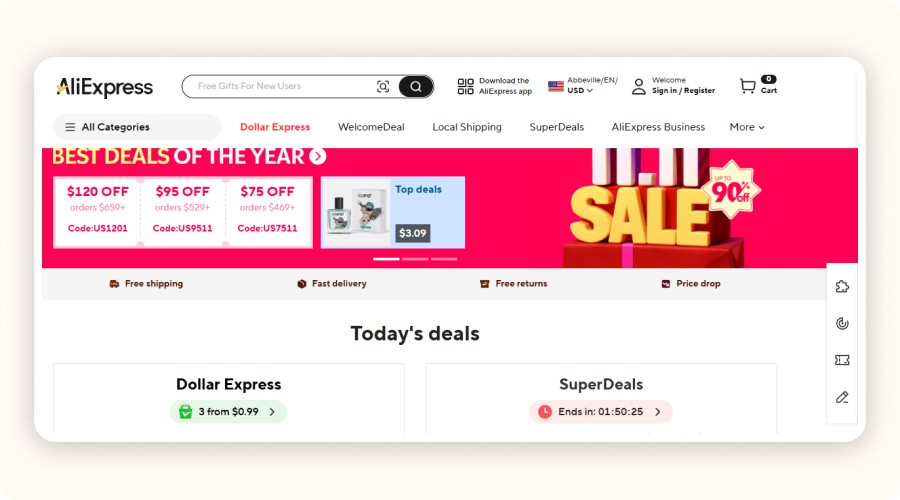
Good dropshipping doesn’t exist without good suppliers. They directly impact delivery speed, customer satisfaction, and your brand reputation.
Test trusted platforms like AliExpress, Spocket, CJdropshipping, or Shopify Collective. Before selling, always order a sample to check:
product quality
shipping times
packaging
supplier communication
A reliable supplier is the backbone of any business model dropshipping setup, and it helps avoid the problems many beginners have when they don’t fully understand the meaning of dropshipping.
Step 3: Build Your Online Store
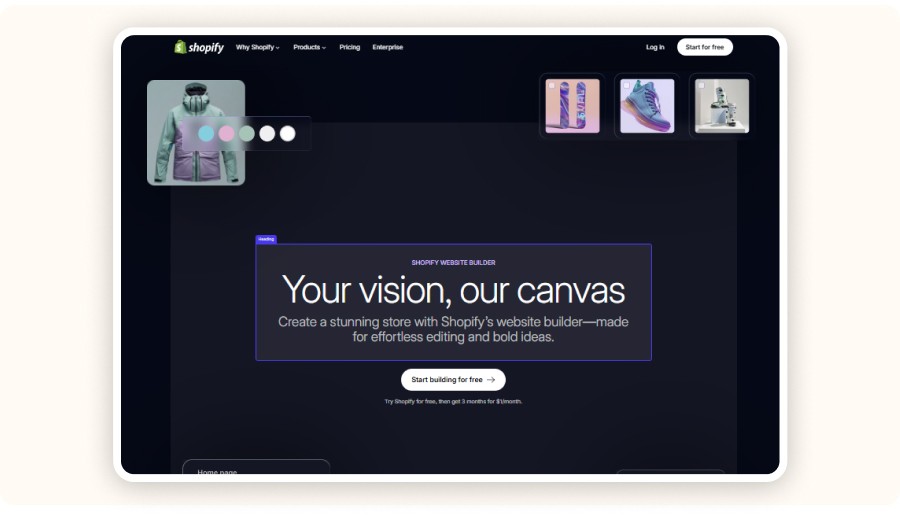
Once you’ve selected a product and a supplier, it’s time to create your online store. Use strong e-commerce platforms like Shopify, WooCommerce, or Wix.
To build a high-converting store, focus on:
clean, intuitive navigation
modern design
fast loading speed
A slow or confusing website hurts trust and conversions. This is also where you begin structuring your dropship business model for real sales.
Optimizing the store from day one helps you scale later and reinforces your understanding of dropshipping meaning in a real-world context, not just theory
Step 4: Automate Your Processes
To save time and scale efficiently, automate your repetitive tasks. This is where you truly understand how dropshipping works in a real operational sense. Automation helps streamline your entire dropshipping business model, especially when orders start increasing.
Automate key actions such as:
product imports
inventory updates
order forwarding to suppliers
tracking number updates
Use automation tools like DSers, AutoDS, or Syncee to reduce manual work and avoid human error. These tools support most store setups and reinforce the professional structure of your business model dropshipping.
Step 5: Promote Your Store
No traffic means no sales. Even with the clearest dropshipping definition, nothing works without visibility. Promote your store using a mix of paid and organic strategies:
SEO to attract long-term, free traffic
Meta Ads or TikTok Ads to generate fast sales
Influencer marketing to boost social proof
Organic content on TikTok, Instagram, Pinterest, or YouTube
Test multiple channels and keep what brings the best ROI. The people who understand the real dropshipping meaning know that marketing, not the product, is what drives consistent revenue.
Step 6: Manage Orders & Returns
Once the sales start coming in, you must manage orders, returns, and customer support like a real business. Even if the supplier handles shipping, you are responsible for the overall experience. That’s part of the meaning of dropshipping as a business model.
Set up clear policies for:
shipping and delivery
returns
refunds
Use branded invoices or thank-you notes to reinforce your identity. A smooth post-purchase workflow helps strengthen long-term trust, which is essential for any dropship business model that aims to grow.
Step 7: Track and Optimize Your Performance

A profitable business is one that improves continuously. If you want to understand not just how dropshipping works, but how it scales, you need to track your performance and optimize what matters most.
Monitor key metrics such as:
conversion rate
average order value
customer reviews
delivery times
Fix bottlenecks and automate everything that works well. The more structured your dropshipping business model becomes, the easier it is to increase your margins and stabilize your operations.
Need a real boost to accelerate your progress? Minea Academy, included in the premium plan, offers over 32 hours of complete dropshipping training. You also get access to a private community and expert support. For even faster results, a 1:1 coaching option is available to help you reach $1,000/day in under 90 days, or you get your money back.
How to Start a Dropshipping Business: 7 Actionable Steps
To understand how dropshipping works and actually launch your store in 2025, follow these seven practical steps. Each one helps you build a real online business, not just a simple product page.
Step 1: Choose a Profitable Niche

This is the foundation. Pick the wrong niche, and you’ll get few (or no) sales. A profitable niche needs real demand, manageable competition, and healthy margins.
Use tools like Minea, Google Trends, or Amazon Best Sellers to spot rising trends and validate ideas. This helps you understand the market and refine your dropshipping definition based on actual customer behavior.
A niche with strong demand can make your dropshipping business model more sustainable long-term.
Step 2: Find Reliable Suppliers

Good dropshipping doesn’t exist without good suppliers. They directly impact delivery speed, customer satisfaction, and your brand reputation.
Test trusted platforms like AliExpress, Spocket, CJdropshipping, or Shopify Collective. Before selling, always order a sample to check:
product quality
shipping times
packaging
supplier communication
A reliable supplier is the backbone of any business model dropshipping setup, and it helps avoid the problems many beginners have when they don’t fully understand the meaning of dropshipping.
Step 3: Build Your Online Store

Once you’ve selected a product and a supplier, it’s time to create your online store. Use strong e-commerce platforms like Shopify, WooCommerce, or Wix.
To build a high-converting store, focus on:
clean, intuitive navigation
modern design
fast loading speed
A slow or confusing website hurts trust and conversions. This is also where you begin structuring your dropship business model for real sales.
Optimizing the store from day one helps you scale later and reinforces your understanding of dropshipping meaning in a real-world context, not just theory
Step 4: Automate Your Processes

To save time and scale efficiently, automate your repetitive tasks. This is where you truly understand how dropshipping works in a real operational sense. Automation helps streamline your entire dropshipping business model, especially when orders start increasing.
Automate key actions such as:
product imports
inventory updates
order forwarding to suppliers
tracking number updates
Use automation tools like DSers, AutoDS, or Syncee to reduce manual work and avoid human error. These tools support most store setups and reinforce the professional structure of your business model dropshipping.
Step 5: Promote Your Store

No traffic means no sales. Even with the clearest dropshipping definition, nothing works without visibility. Promote your store using a mix of paid and organic strategies:
SEO to attract long-term, free traffic
Meta Ads or TikTok Ads to generate fast sales
Influencer marketing to boost social proof
Organic content on TikTok, Instagram, Pinterest, or YouTube
Test multiple channels and keep what brings the best ROI. The people who understand the real dropshipping meaning know that marketing, not the product, is what drives consistent revenue.
Step 6: Manage Orders & Returns

Once the sales start coming in, you must manage orders, returns, and customer support like a real business. Even if the supplier handles shipping, you are responsible for the overall experience. That’s part of the meaning of dropshipping as a business model.
Set up clear policies for:
shipping and delivery
returns
refunds
Use branded invoices or thank-you notes to reinforce your identity. A smooth post-purchase workflow helps strengthen long-term trust, which is essential for any dropship business model that aims to grow.
Step 7: Track and Optimize Your Performance

A profitable business is one that improves continuously. If you want to understand not just how dropshipping works, but how it scales, you need to track your performance and optimize what matters most.
Monitor key metrics such as:
conversion rate
average order value
customer reviews
delivery times
Fix bottlenecks and automate everything that works well. The more structured your dropshipping business model becomes, the easier it is to increase your margins and stabilize your operations.
Need a real boost to accelerate your progress? Minea Academy, included in the premium plan, offers over 32 hours of complete dropshipping training. You also get access to a private community and expert support. For even faster results, a 1:1 coaching option is available to help you reach $1,000/day in under 90 days, or you get your money back.
How to Start a Dropshipping Business: 7 Actionable Steps
To understand how dropshipping works and actually launch your store in 2025, follow these seven practical steps. Each one helps you build a real online business, not just a simple product page.
Step 1: Choose a Profitable Niche

This is the foundation. Pick the wrong niche, and you’ll get few (or no) sales. A profitable niche needs real demand, manageable competition, and healthy margins.
Use tools like Minea, Google Trends, or Amazon Best Sellers to spot rising trends and validate ideas. This helps you understand the market and refine your dropshipping definition based on actual customer behavior.
A niche with strong demand can make your dropshipping business model more sustainable long-term.
Step 2: Find Reliable Suppliers

Good dropshipping doesn’t exist without good suppliers. They directly impact delivery speed, customer satisfaction, and your brand reputation.
Test trusted platforms like AliExpress, Spocket, CJdropshipping, or Shopify Collective. Before selling, always order a sample to check:
product quality
shipping times
packaging
supplier communication
A reliable supplier is the backbone of any business model dropshipping setup, and it helps avoid the problems many beginners have when they don’t fully understand the meaning of dropshipping.
Step 3: Build Your Online Store

Once you’ve selected a product and a supplier, it’s time to create your online store. Use strong e-commerce platforms like Shopify, WooCommerce, or Wix.
To build a high-converting store, focus on:
clean, intuitive navigation
modern design
fast loading speed
A slow or confusing website hurts trust and conversions. This is also where you begin structuring your dropship business model for real sales.
Optimizing the store from day one helps you scale later and reinforces your understanding of dropshipping meaning in a real-world context, not just theory
Step 4: Automate Your Processes

To save time and scale efficiently, automate your repetitive tasks. This is where you truly understand how dropshipping works in a real operational sense. Automation helps streamline your entire dropshipping business model, especially when orders start increasing.
Automate key actions such as:
product imports
inventory updates
order forwarding to suppliers
tracking number updates
Use automation tools like DSers, AutoDS, or Syncee to reduce manual work and avoid human error. These tools support most store setups and reinforce the professional structure of your business model dropshipping.
Step 5: Promote Your Store

No traffic means no sales. Even with the clearest dropshipping definition, nothing works without visibility. Promote your store using a mix of paid and organic strategies:
SEO to attract long-term, free traffic
Meta Ads or TikTok Ads to generate fast sales
Influencer marketing to boost social proof
Organic content on TikTok, Instagram, Pinterest, or YouTube
Test multiple channels and keep what brings the best ROI. The people who understand the real dropshipping meaning know that marketing, not the product, is what drives consistent revenue.
Step 6: Manage Orders & Returns

Once the sales start coming in, you must manage orders, returns, and customer support like a real business. Even if the supplier handles shipping, you are responsible for the overall experience. That’s part of the meaning of dropshipping as a business model.
Set up clear policies for:
shipping and delivery
returns
refunds
Use branded invoices or thank-you notes to reinforce your identity. A smooth post-purchase workflow helps strengthen long-term trust, which is essential for any dropship business model that aims to grow.
Step 7: Track and Optimize Your Performance

A profitable business is one that improves continuously. If you want to understand not just how dropshipping works, but how it scales, you need to track your performance and optimize what matters most.
Monitor key metrics such as:
conversion rate
average order value
customer reviews
delivery times
Fix bottlenecks and automate everything that works well. The more structured your dropshipping business model becomes, the easier it is to increase your margins and stabilize your operations.
Need a real boost to accelerate your progress? Minea Academy, included in the premium plan, offers over 32 hours of complete dropshipping training. You also get access to a private community and expert support. For even faster results, a 1:1 coaching option is available to help you reach $1,000/day in under 90 days, or you get your money back.
How to Start a Dropshipping Business: 7 Actionable Steps
To understand how dropshipping works and actually launch your store in 2025, follow these seven practical steps. Each one helps you build a real online business, not just a simple product page.
Step 1: Choose a Profitable Niche

This is the foundation. Pick the wrong niche, and you’ll get few (or no) sales. A profitable niche needs real demand, manageable competition, and healthy margins.
Use tools like Minea, Google Trends, or Amazon Best Sellers to spot rising trends and validate ideas. This helps you understand the market and refine your dropshipping definition based on actual customer behavior.
A niche with strong demand can make your dropshipping business model more sustainable long-term.
Step 2: Find Reliable Suppliers

Good dropshipping doesn’t exist without good suppliers. They directly impact delivery speed, customer satisfaction, and your brand reputation.
Test trusted platforms like AliExpress, Spocket, CJdropshipping, or Shopify Collective. Before selling, always order a sample to check:
product quality
shipping times
packaging
supplier communication
A reliable supplier is the backbone of any business model dropshipping setup, and it helps avoid the problems many beginners have when they don’t fully understand the meaning of dropshipping.
Step 3: Build Your Online Store

Once you’ve selected a product and a supplier, it’s time to create your online store. Use strong e-commerce platforms like Shopify, WooCommerce, or Wix.
To build a high-converting store, focus on:
clean, intuitive navigation
modern design
fast loading speed
A slow or confusing website hurts trust and conversions. This is also where you begin structuring your dropship business model for real sales.
Optimizing the store from day one helps you scale later and reinforces your understanding of dropshipping meaning in a real-world context, not just theory
Step 4: Automate Your Processes

To save time and scale efficiently, automate your repetitive tasks. This is where you truly understand how dropshipping works in a real operational sense. Automation helps streamline your entire dropshipping business model, especially when orders start increasing.
Automate key actions such as:
product imports
inventory updates
order forwarding to suppliers
tracking number updates
Use automation tools like DSers, AutoDS, or Syncee to reduce manual work and avoid human error. These tools support most store setups and reinforce the professional structure of your business model dropshipping.
Step 5: Promote Your Store

No traffic means no sales. Even with the clearest dropshipping definition, nothing works without visibility. Promote your store using a mix of paid and organic strategies:
SEO to attract long-term, free traffic
Meta Ads or TikTok Ads to generate fast sales
Influencer marketing to boost social proof
Organic content on TikTok, Instagram, Pinterest, or YouTube
Test multiple channels and keep what brings the best ROI. The people who understand the real dropshipping meaning know that marketing, not the product, is what drives consistent revenue.
Step 6: Manage Orders & Returns

Once the sales start coming in, you must manage orders, returns, and customer support like a real business. Even if the supplier handles shipping, you are responsible for the overall experience. That’s part of the meaning of dropshipping as a business model.
Set up clear policies for:
shipping and delivery
returns
refunds
Use branded invoices or thank-you notes to reinforce your identity. A smooth post-purchase workflow helps strengthen long-term trust, which is essential for any dropship business model that aims to grow.
Step 7: Track and Optimize Your Performance

A profitable business is one that improves continuously. If you want to understand not just how dropshipping works, but how it scales, you need to track your performance and optimize what matters most.
Monitor key metrics such as:
conversion rate
average order value
customer reviews
delivery times
Fix bottlenecks and automate everything that works well. The more structured your dropshipping business model becomes, the easier it is to increase your margins and stabilize your operations.
Need a real boost to accelerate your progress? Minea Academy, included in the premium plan, offers over 32 hours of complete dropshipping training. You also get access to a private community and expert support. For even faster results, a 1:1 coaching option is available to help you reach $1,000/day in under 90 days, or you get your money back.
How to Start a Dropshipping Business: 7 Actionable Steps
To understand how dropshipping works and actually launch your store in 2025, follow these seven practical steps. Each one helps you build a real online business, not just a simple product page.
Step 1: Choose a Profitable Niche

This is the foundation. Pick the wrong niche, and you’ll get few (or no) sales. A profitable niche needs real demand, manageable competition, and healthy margins.
Use tools like Minea, Google Trends, or Amazon Best Sellers to spot rising trends and validate ideas. This helps you understand the market and refine your dropshipping definition based on actual customer behavior.
A niche with strong demand can make your dropshipping business model more sustainable long-term.
Step 2: Find Reliable Suppliers

Good dropshipping doesn’t exist without good suppliers. They directly impact delivery speed, customer satisfaction, and your brand reputation.
Test trusted platforms like AliExpress, Spocket, CJdropshipping, or Shopify Collective. Before selling, always order a sample to check:
product quality
shipping times
packaging
supplier communication
A reliable supplier is the backbone of any business model dropshipping setup, and it helps avoid the problems many beginners have when they don’t fully understand the meaning of dropshipping.
Step 3: Build Your Online Store

Once you’ve selected a product and a supplier, it’s time to create your online store. Use strong e-commerce platforms like Shopify, WooCommerce, or Wix.
To build a high-converting store, focus on:
clean, intuitive navigation
modern design
fast loading speed
A slow or confusing website hurts trust and conversions. This is also where you begin structuring your dropship business model for real sales.
Optimizing the store from day one helps you scale later and reinforces your understanding of dropshipping meaning in a real-world context, not just theory
Step 4: Automate Your Processes

To save time and scale efficiently, automate your repetitive tasks. This is where you truly understand how dropshipping works in a real operational sense. Automation helps streamline your entire dropshipping business model, especially when orders start increasing.
Automate key actions such as:
product imports
inventory updates
order forwarding to suppliers
tracking number updates
Use automation tools like DSers, AutoDS, or Syncee to reduce manual work and avoid human error. These tools support most store setups and reinforce the professional structure of your business model dropshipping.
Step 5: Promote Your Store

No traffic means no sales. Even with the clearest dropshipping definition, nothing works without visibility. Promote your store using a mix of paid and organic strategies:
SEO to attract long-term, free traffic
Meta Ads or TikTok Ads to generate fast sales
Influencer marketing to boost social proof
Organic content on TikTok, Instagram, Pinterest, or YouTube
Test multiple channels and keep what brings the best ROI. The people who understand the real dropshipping meaning know that marketing, not the product, is what drives consistent revenue.
Step 6: Manage Orders & Returns

Once the sales start coming in, you must manage orders, returns, and customer support like a real business. Even if the supplier handles shipping, you are responsible for the overall experience. That’s part of the meaning of dropshipping as a business model.
Set up clear policies for:
shipping and delivery
returns
refunds
Use branded invoices or thank-you notes to reinforce your identity. A smooth post-purchase workflow helps strengthen long-term trust, which is essential for any dropship business model that aims to grow.
Step 7: Track and Optimize Your Performance

A profitable business is one that improves continuously. If you want to understand not just how dropshipping works, but how it scales, you need to track your performance and optimize what matters most.
Monitor key metrics such as:
conversion rate
average order value
customer reviews
delivery times
Fix bottlenecks and automate everything that works well. The more structured your dropshipping business model becomes, the easier it is to increase your margins and stabilize your operations.
Need a real boost to accelerate your progress? Minea Academy, included in the premium plan, offers over 32 hours of complete dropshipping training. You also get access to a private community and expert support. For even faster results, a 1:1 coaching option is available to help you reach $1,000/day in under 90 days, or you get your money back.
How to Start a Dropshipping Business: 7 Actionable Steps
To understand how dropshipping works and actually launch your store in 2025, follow these seven practical steps. Each one helps you build a real online business, not just a simple product page.
Step 1: Choose a Profitable Niche

This is the foundation. Pick the wrong niche, and you’ll get few (or no) sales. A profitable niche needs real demand, manageable competition, and healthy margins.
Use tools like Minea, Google Trends, or Amazon Best Sellers to spot rising trends and validate ideas. This helps you understand the market and refine your dropshipping definition based on actual customer behavior.
A niche with strong demand can make your dropshipping business model more sustainable long-term.
Step 2: Find Reliable Suppliers

Good dropshipping doesn’t exist without good suppliers. They directly impact delivery speed, customer satisfaction, and your brand reputation.
Test trusted platforms like AliExpress, Spocket, CJdropshipping, or Shopify Collective. Before selling, always order a sample to check:
product quality
shipping times
packaging
supplier communication
A reliable supplier is the backbone of any business model dropshipping setup, and it helps avoid the problems many beginners have when they don’t fully understand the meaning of dropshipping.
Step 3: Build Your Online Store

Once you’ve selected a product and a supplier, it’s time to create your online store. Use strong e-commerce platforms like Shopify, WooCommerce, or Wix.
To build a high-converting store, focus on:
clean, intuitive navigation
modern design
fast loading speed
A slow or confusing website hurts trust and conversions. This is also where you begin structuring your dropship business model for real sales.
Optimizing the store from day one helps you scale later and reinforces your understanding of dropshipping meaning in a real-world context, not just theory
Step 4: Automate Your Processes

To save time and scale efficiently, automate your repetitive tasks. This is where you truly understand how dropshipping works in a real operational sense. Automation helps streamline your entire dropshipping business model, especially when orders start increasing.
Automate key actions such as:
product imports
inventory updates
order forwarding to suppliers
tracking number updates
Use automation tools like DSers, AutoDS, or Syncee to reduce manual work and avoid human error. These tools support most store setups and reinforce the professional structure of your business model dropshipping.
Step 5: Promote Your Store

No traffic means no sales. Even with the clearest dropshipping definition, nothing works without visibility. Promote your store using a mix of paid and organic strategies:
SEO to attract long-term, free traffic
Meta Ads or TikTok Ads to generate fast sales
Influencer marketing to boost social proof
Organic content on TikTok, Instagram, Pinterest, or YouTube
Test multiple channels and keep what brings the best ROI. The people who understand the real dropshipping meaning know that marketing, not the product, is what drives consistent revenue.
Step 6: Manage Orders & Returns

Once the sales start coming in, you must manage orders, returns, and customer support like a real business. Even if the supplier handles shipping, you are responsible for the overall experience. That’s part of the meaning of dropshipping as a business model.
Set up clear policies for:
shipping and delivery
returns
refunds
Use branded invoices or thank-you notes to reinforce your identity. A smooth post-purchase workflow helps strengthen long-term trust, which is essential for any dropship business model that aims to grow.
Step 7: Track and Optimize Your Performance

A profitable business is one that improves continuously. If you want to understand not just how dropshipping works, but how it scales, you need to track your performance and optimize what matters most.
Monitor key metrics such as:
conversion rate
average order value
customer reviews
delivery times
Fix bottlenecks and automate everything that works well. The more structured your dropshipping business model becomes, the easier it is to increase your margins and stabilize your operations.
Need a real boost to accelerate your progress? Minea Academy, included in the premium plan, offers over 32 hours of complete dropshipping training. You also get access to a private community and expert support. For even faster results, a 1:1 coaching option is available to help you reach $1,000/day in under 90 days, or you get your money back.
Alternatives to Dropshipping: Comparing the Models
Dropshipping isn’t the only way to start an online business. Here are three popular alternatives, each with its own strengths and limitations.
Print-on-Demand (POD)
This model focuses on products printed on demand (t-shirts, mugs, posters). It’s ideal for creatives who want to sell custom designs without holding inventory. POD allows you to build a strong brand identity, but production times can be longer, sales volumes lower, and margins tighter.
E-commerce Affiliate Marketing
Recommend products using affiliate links and earn a commission on each sale. No inventory. No customer service. No logistics. It’s a simple, low-risk model.
The downside? You don’t build your own business asset. Your income depends entirely on the brands and platforms you promote.
3PL (Third-Party Logistics)
You buy inventory upfront and outsource storage, preparation, and shipping. It requires a higher budget but gives you stronger control over product quality, delivery speed, and branding. It’s often the preferred option for brands that want a more professional, high-end presence from day one.
Conclusion: Is Dropshipping Right for You?
Dropshipping is a simple, flexible, and accessible model. It requires almost no upfront investment, no warehouse, and no logistics. When you understand clearly how dropshipping works, it becomes an excellent way to test an e-commerce idea without taking major risks.
This model can be profitable if you build the right foundations:
choose a profitable niche
work with reliable suppliers
run effective marketing
optimize your dropshipping business model step-by-step
Ready to get started? Before launching your store, train for free with Minea Academy, then use product-research tools to turn your idea into action.
FAQ
What is dropshipping and how does it work?
Dropshipping is a business model where you sell products without holding inventory. Customers order from your store, you forward the order to a supplier, and the supplier ships directly to the buyer. You handle marketing and customer service, while the supplier manages fulfillment.
Is dropshipping profitable in 2025?
Yes, in 2025, dropshipping remains profitable with average margins between 10% and 30%. Profitability depends on choosing the right niche, supplier quality, competitive pricing, and a reliable logistics workflow. Tools like Shopify Collective, Printful, and CJdropshipping can help boost margins.
Is dropshipping a good business model for beginners?
Yes. It requires low upfront investment, no inventory, and minimal risk. Beginners can test niches quickly, scale products easily, and run the business from anywhere. However, competition is high, so product selection and marketing matter.
How do you start a dropshipping business?
You start by picking a profitable niche, finding reliable suppliers, building an online store (Shopify, WooCommerce, or Wix), automating fulfillment, and promoting your store with SEO, ads, and influencers. Tracking your performance is essential to scale.
What are the drawbacks of dropshipping?
Main limitations include low margins, long shipping times (especially from Asia), unstable supplier stock, and limited branding control. You also manage all customer support issues, even when problems come from suppliers
Alternatives to Dropshipping: Comparing the Models

Dropshipping isn’t the only way to start an online business. Here are three popular alternatives, each with its own strengths and limitations.
Print-on-Demand (POD)
This model focuses on products printed on demand (t-shirts, mugs, posters). It’s ideal for creatives who want to sell custom designs without holding inventory. POD allows you to build a strong brand identity, but production times can be longer, sales volumes lower, and margins tighter.
E-commerce Affiliate Marketing
Recommend products using affiliate links and earn a commission on each sale. No inventory. No customer service. No logistics. It’s a simple, low-risk model.
The downside? You don’t build your own business asset. Your income depends entirely on the brands and platforms you promote.
3PL (Third-Party Logistics)
You buy inventory upfront and outsource storage, preparation, and shipping. It requires a higher budget but gives you stronger control over product quality, delivery speed, and branding. It’s often the preferred option for brands that want a more professional, high-end presence from day one.
Conclusion: Is Dropshipping Right for You?
Dropshipping is a simple, flexible, and accessible model. It requires almost no upfront investment, no warehouse, and no logistics. When you understand clearly how dropshipping works, it becomes an excellent way to test an e-commerce idea without taking major risks.
This model can be profitable if you build the right foundations:
choose a profitable niche
work with reliable suppliers
run effective marketing
optimize your dropshipping business model step-by-step
Ready to get started? Before launching your store, train for free with Minea Academy, then use product-research tools to turn your idea into action.
FAQ
What is dropshipping and how does it work?
Dropshipping is a business model where you sell products without holding inventory. Customers order from your store, you forward the order to a supplier, and the supplier ships directly to the buyer. You handle marketing and customer service, while the supplier manages fulfillment.
Is dropshipping profitable in 2025?
Yes, in 2025, dropshipping remains profitable with average margins between 10% and 30%. Profitability depends on choosing the right niche, supplier quality, competitive pricing, and a reliable logistics workflow. Tools like Shopify Collective, Printful, and CJdropshipping can help boost margins.
Is dropshipping a good business model for beginners?
Yes. It requires low upfront investment, no inventory, and minimal risk. Beginners can test niches quickly, scale products easily, and run the business from anywhere. However, competition is high, so product selection and marketing matter.
How do you start a dropshipping business?
You start by picking a profitable niche, finding reliable suppliers, building an online store (Shopify, WooCommerce, or Wix), automating fulfillment, and promoting your store with SEO, ads, and influencers. Tracking your performance is essential to scale.
What are the drawbacks of dropshipping?
Main limitations include low margins, long shipping times (especially from Asia), unstable supplier stock, and limited branding control. You also manage all customer support issues, even when problems come from suppliers
Alternatives to Dropshipping: Comparing the Models

Dropshipping isn’t the only way to start an online business. Here are three popular alternatives, each with its own strengths and limitations.
Print-on-Demand (POD)
This model focuses on products printed on demand (t-shirts, mugs, posters). It’s ideal for creatives who want to sell custom designs without holding inventory. POD allows you to build a strong brand identity, but production times can be longer, sales volumes lower, and margins tighter.
E-commerce Affiliate Marketing
Recommend products using affiliate links and earn a commission on each sale. No inventory. No customer service. No logistics. It’s a simple, low-risk model.
The downside? You don’t build your own business asset. Your income depends entirely on the brands and platforms you promote.
3PL (Third-Party Logistics)
You buy inventory upfront and outsource storage, preparation, and shipping. It requires a higher budget but gives you stronger control over product quality, delivery speed, and branding. It’s often the preferred option for brands that want a more professional, high-end presence from day one.
Conclusion: Is Dropshipping Right for You?
Dropshipping is a simple, flexible, and accessible model. It requires almost no upfront investment, no warehouse, and no logistics. When you understand clearly how dropshipping works, it becomes an excellent way to test an e-commerce idea without taking major risks.
This model can be profitable if you build the right foundations:
choose a profitable niche
work with reliable suppliers
run effective marketing
optimize your dropshipping business model step-by-step
Ready to get started? Before launching your store, train for free with Minea Academy, then use product-research tools to turn your idea into action.
FAQ
What is dropshipping and how does it work?
Dropshipping is a business model where you sell products without holding inventory. Customers order from your store, you forward the order to a supplier, and the supplier ships directly to the buyer. You handle marketing and customer service, while the supplier manages fulfillment.
Is dropshipping profitable in 2025?
Yes, in 2025, dropshipping remains profitable with average margins between 10% and 30%. Profitability depends on choosing the right niche, supplier quality, competitive pricing, and a reliable logistics workflow. Tools like Shopify Collective, Printful, and CJdropshipping can help boost margins.
Is dropshipping a good business model for beginners?
Yes. It requires low upfront investment, no inventory, and minimal risk. Beginners can test niches quickly, scale products easily, and run the business from anywhere. However, competition is high, so product selection and marketing matter.
How do you start a dropshipping business?
You start by picking a profitable niche, finding reliable suppliers, building an online store (Shopify, WooCommerce, or Wix), automating fulfillment, and promoting your store with SEO, ads, and influencers. Tracking your performance is essential to scale.
What are the drawbacks of dropshipping?
Main limitations include low margins, long shipping times (especially from Asia), unstable supplier stock, and limited branding control. You also manage all customer support issues, even when problems come from suppliers
Alternatives to Dropshipping: Comparing the Models

Dropshipping isn’t the only way to start an online business. Here are three popular alternatives, each with its own strengths and limitations.
Print-on-Demand (POD)
This model focuses on products printed on demand (t-shirts, mugs, posters). It’s ideal for creatives who want to sell custom designs without holding inventory. POD allows you to build a strong brand identity, but production times can be longer, sales volumes lower, and margins tighter.
E-commerce Affiliate Marketing
Recommend products using affiliate links and earn a commission on each sale. No inventory. No customer service. No logistics. It’s a simple, low-risk model.
The downside? You don’t build your own business asset. Your income depends entirely on the brands and platforms you promote.
3PL (Third-Party Logistics)
You buy inventory upfront and outsource storage, preparation, and shipping. It requires a higher budget but gives you stronger control over product quality, delivery speed, and branding. It’s often the preferred option for brands that want a more professional, high-end presence from day one.
Conclusion: Is Dropshipping Right for You?
Dropshipping is a simple, flexible, and accessible model. It requires almost no upfront investment, no warehouse, and no logistics. When you understand clearly how dropshipping works, it becomes an excellent way to test an e-commerce idea without taking major risks.
This model can be profitable if you build the right foundations:
choose a profitable niche
work with reliable suppliers
run effective marketing
optimize your dropshipping business model step-by-step
Ready to get started? Before launching your store, train for free with Minea Academy, then use product-research tools to turn your idea into action.
FAQ
What is dropshipping and how does it work?
Dropshipping is a business model where you sell products without holding inventory. Customers order from your store, you forward the order to a supplier, and the supplier ships directly to the buyer. You handle marketing and customer service, while the supplier manages fulfillment.
Is dropshipping profitable in 2025?
Yes, in 2025, dropshipping remains profitable with average margins between 10% and 30%. Profitability depends on choosing the right niche, supplier quality, competitive pricing, and a reliable logistics workflow. Tools like Shopify Collective, Printful, and CJdropshipping can help boost margins.
Is dropshipping a good business model for beginners?
Yes. It requires low upfront investment, no inventory, and minimal risk. Beginners can test niches quickly, scale products easily, and run the business from anywhere. However, competition is high, so product selection and marketing matter.
How do you start a dropshipping business?
You start by picking a profitable niche, finding reliable suppliers, building an online store (Shopify, WooCommerce, or Wix), automating fulfillment, and promoting your store with SEO, ads, and influencers. Tracking your performance is essential to scale.
What are the drawbacks of dropshipping?
Main limitations include low margins, long shipping times (especially from Asia), unstable supplier stock, and limited branding control. You also manage all customer support issues, even when problems come from suppliers
Alternatives to Dropshipping: Comparing the Models

Dropshipping isn’t the only way to start an online business. Here are three popular alternatives, each with its own strengths and limitations.
Print-on-Demand (POD)
This model focuses on products printed on demand (t-shirts, mugs, posters). It’s ideal for creatives who want to sell custom designs without holding inventory. POD allows you to build a strong brand identity, but production times can be longer, sales volumes lower, and margins tighter.
E-commerce Affiliate Marketing
Recommend products using affiliate links and earn a commission on each sale. No inventory. No customer service. No logistics. It’s a simple, low-risk model.
The downside? You don’t build your own business asset. Your income depends entirely on the brands and platforms you promote.
3PL (Third-Party Logistics)
You buy inventory upfront and outsource storage, preparation, and shipping. It requires a higher budget but gives you stronger control over product quality, delivery speed, and branding. It’s often the preferred option for brands that want a more professional, high-end presence from day one.
Conclusion: Is Dropshipping Right for You?
Dropshipping is a simple, flexible, and accessible model. It requires almost no upfront investment, no warehouse, and no logistics. When you understand clearly how dropshipping works, it becomes an excellent way to test an e-commerce idea without taking major risks.
This model can be profitable if you build the right foundations:
choose a profitable niche
work with reliable suppliers
run effective marketing
optimize your dropshipping business model step-by-step
Ready to get started? Before launching your store, train for free with Minea Academy, then use product-research tools to turn your idea into action.
FAQ
What is dropshipping and how does it work?
Dropshipping is a business model where you sell products without holding inventory. Customers order from your store, you forward the order to a supplier, and the supplier ships directly to the buyer. You handle marketing and customer service, while the supplier manages fulfillment.
Is dropshipping profitable in 2025?
Yes, in 2025, dropshipping remains profitable with average margins between 10% and 30%. Profitability depends on choosing the right niche, supplier quality, competitive pricing, and a reliable logistics workflow. Tools like Shopify Collective, Printful, and CJdropshipping can help boost margins.
Is dropshipping a good business model for beginners?
Yes. It requires low upfront investment, no inventory, and minimal risk. Beginners can test niches quickly, scale products easily, and run the business from anywhere. However, competition is high, so product selection and marketing matter.
How do you start a dropshipping business?
You start by picking a profitable niche, finding reliable suppliers, building an online store (Shopify, WooCommerce, or Wix), automating fulfillment, and promoting your store with SEO, ads, and influencers. Tracking your performance is essential to scale.
What are the drawbacks of dropshipping?
Main limitations include low margins, long shipping times (especially from Asia), unstable supplier stock, and limited branding control. You also manage all customer support issues, even when problems come from suppliers
Alternatives to Dropshipping: Comparing the Models

Dropshipping isn’t the only way to start an online business. Here are three popular alternatives, each with its own strengths and limitations.
Print-on-Demand (POD)
This model focuses on products printed on demand (t-shirts, mugs, posters). It’s ideal for creatives who want to sell custom designs without holding inventory. POD allows you to build a strong brand identity, but production times can be longer, sales volumes lower, and margins tighter.
E-commerce Affiliate Marketing
Recommend products using affiliate links and earn a commission on each sale. No inventory. No customer service. No logistics. It’s a simple, low-risk model.
The downside? You don’t build your own business asset. Your income depends entirely on the brands and platforms you promote.
3PL (Third-Party Logistics)
You buy inventory upfront and outsource storage, preparation, and shipping. It requires a higher budget but gives you stronger control over product quality, delivery speed, and branding. It’s often the preferred option for brands that want a more professional, high-end presence from day one.
Conclusion: Is Dropshipping Right for You?
Dropshipping is a simple, flexible, and accessible model. It requires almost no upfront investment, no warehouse, and no logistics. When you understand clearly how dropshipping works, it becomes an excellent way to test an e-commerce idea without taking major risks.
This model can be profitable if you build the right foundations:
choose a profitable niche
work with reliable suppliers
run effective marketing
optimize your dropshipping business model step-by-step
Ready to get started? Before launching your store, train for free with Minea Academy, then use product-research tools to turn your idea into action.
FAQ
What is dropshipping and how does it work?
Dropshipping is a business model where you sell products without holding inventory. Customers order from your store, you forward the order to a supplier, and the supplier ships directly to the buyer. You handle marketing and customer service, while the supplier manages fulfillment.
Is dropshipping profitable in 2025?
Yes, in 2025, dropshipping remains profitable with average margins between 10% and 30%. Profitability depends on choosing the right niche, supplier quality, competitive pricing, and a reliable logistics workflow. Tools like Shopify Collective, Printful, and CJdropshipping can help boost margins.
Is dropshipping a good business model for beginners?
Yes. It requires low upfront investment, no inventory, and minimal risk. Beginners can test niches quickly, scale products easily, and run the business from anywhere. However, competition is high, so product selection and marketing matter.
How do you start a dropshipping business?
You start by picking a profitable niche, finding reliable suppliers, building an online store (Shopify, WooCommerce, or Wix), automating fulfillment, and promoting your store with SEO, ads, and influencers. Tracking your performance is essential to scale.
What are the drawbacks of dropshipping?
Main limitations include low margins, long shipping times (especially from Asia), unstable supplier stock, and limited branding control. You also manage all customer support issues, even when problems come from suppliers
Similar articles

Best Dropshipping Business Ideas to Build a Long-Term Brand in 2025
November 25, 2025
Dropshipping Learning

Best Dropshipping Business Ideas to Build a Long-Term Brand in 2025
November 25, 2025
Dropshipping Learning

Best Dropshipping Business Ideas to Build a Long-Term Brand in 2025
November 25, 2025
Dropshipping Learning

Best Dropshipping Business Ideas to Build a Long-Term Brand in 2025
November 25, 2025
Dropshipping Learning

Best Dropshipping Business Ideas to Build a Long-Term Brand in 2025
November 25, 2025
Dropshipping Learning

Best Dropshipping Business Ideas to Build a Long-Term Brand in 2025
November 25, 2025
Dropshipping Learning


Our Free Adspys


Our Free Adspys


Our Free Adspys

Find out more
Read more
Minea © 2025

Find out more
Read more
Minea © 2025

Find out more
Read more
Minea © 2025

Find out more
Read more
Minea © 2025

Find out more
Read more
Minea © 2025

Find out more
Read more
Minea © 2025

Find out more
Read more
Minea © 2025