The advantages and disadvantages of Dropshipping

What Are the Pros and Cons of Dropshipping?

Dropshipping Learning

Author: Elysa

November 21, 2025

Contents

Dropshipping comes with clear advantages: low startup costs and zero inventory management. That’s what makes this model easy to launch and accessible for anyone starting an ecommerce business. But behind this simplicity, there are also major downsides, low profit margins, high competition, and a strong dependency on your suppliers.

Before you learn how to run a dropshipping business, you need to understand the pros and cons of dropshipping so you can avoid bad surprises and decide whether this dropshipping business model is truly right for you.

Dropshipping: Is the Model Still Relevant in 2025?

mini cart on laptop

Today, the market has surpassed $300 billion according to Statista. That means the dropshipping business is still viable in 2025.
However, it’s now more regulated, and platforms are far stricter about compliance:

  • Delivery times monitored by Shopify and TikTok Shop

  • Stronger legal obligations (VAT, customs, invoicing, legal disclosures)

  • Standardized return policies to protect consumers

  • Product compliance checks (CE certification, safety, anti-counterfeit controls)

  • Stricter ad policies (Meta, Google, TikTok penalize non-transparent accounts)

To succeed, you must follow the rules and build a real brand, with a clear offer, solid branding, automated tools, and a structured strategy. The dropshipping model still works, but there’s no room for improvisation.

To get trained properly, Minea offers a complete dropshipping course inside its premium plan: Minea Academy. This structured program includes 32+ hours of step-by-step videos to help you master both dropshipping fundamentals and advanced strategies.

You’ll learn how to:

  • find winning products

  • structure a high-converting online store

  • launch profitable ad campaigns

You also get access to the Minea Club, a private community where you can ask questions, share insights, and progress faster. Personalized coaching is available too, with a bold promise: reach $1,000/day in less than 90 days, or get refunded.

Dropshipping comes with clear advantages: low startup costs and zero inventory management. That’s what makes this model easy to launch and accessible for anyone starting an ecommerce business. But behind this simplicity, there are also major downsides, low profit margins, high competition, and a strong dependency on your suppliers.

Before you learn how to run a dropshipping business, you need to understand the pros and cons of dropshipping so you can avoid bad surprises and decide whether this dropshipping business model is truly right for you.

Dropshipping: Is the Model Still Relevant in 2025?

mini cart on laptop

Today, the market has surpassed $300 billion according to Statista. That means the dropshipping business is still viable in 2025.
However, it’s now more regulated, and platforms are far stricter about compliance:

  • Delivery times monitored by Shopify and TikTok Shop

  • Stronger legal obligations (VAT, customs, invoicing, legal disclosures)

  • Standardized return policies to protect consumers

  • Product compliance checks (CE certification, safety, anti-counterfeit controls)

  • Stricter ad policies (Meta, Google, TikTok penalize non-transparent accounts)

To succeed, you must follow the rules and build a real brand, with a clear offer, solid branding, automated tools, and a structured strategy. The dropshipping model still works, but there’s no room for improvisation.

To get trained properly, Minea offers a complete dropshipping course inside its premium plan: Minea Academy. This structured program includes 32+ hours of step-by-step videos to help you master both dropshipping fundamentals and advanced strategies.

You’ll learn how to:

  • find winning products

  • structure a high-converting online store

  • launch profitable ad campaigns

You also get access to the Minea Club, a private community where you can ask questions, share insights, and progress faster. Personalized coaching is available too, with a bold promise: reach $1,000/day in less than 90 days, or get refunded.

Dropshipping comes with clear advantages: low startup costs and zero inventory management. That’s what makes this model easy to launch and accessible for anyone starting an ecommerce business. But behind this simplicity, there are also major downsides, low profit margins, high competition, and a strong dependency on your suppliers.

Before you learn how to run a dropshipping business, you need to understand the pros and cons of dropshipping so you can avoid bad surprises and decide whether this dropshipping business model is truly right for you.

Dropshipping: Is the Model Still Relevant in 2025?

mini cart on laptop

Today, the market has surpassed $300 billion according to Statista. That means the dropshipping business is still viable in 2025.
However, it’s now more regulated, and platforms are far stricter about compliance:

  • Delivery times monitored by Shopify and TikTok Shop

  • Stronger legal obligations (VAT, customs, invoicing, legal disclosures)

  • Standardized return policies to protect consumers

  • Product compliance checks (CE certification, safety, anti-counterfeit controls)

  • Stricter ad policies (Meta, Google, TikTok penalize non-transparent accounts)

To succeed, you must follow the rules and build a real brand, with a clear offer, solid branding, automated tools, and a structured strategy. The dropshipping model still works, but there’s no room for improvisation.

To get trained properly, Minea offers a complete dropshipping course inside its premium plan: Minea Academy. This structured program includes 32+ hours of step-by-step videos to help you master both dropshipping fundamentals and advanced strategies.

You’ll learn how to:

  • find winning products

  • structure a high-converting online store

  • launch profitable ad campaigns

You also get access to the Minea Club, a private community where you can ask questions, share insights, and progress faster. Personalized coaching is available too, with a bold promise: reach $1,000/day in less than 90 days, or get refunded.

Dropshipping comes with clear advantages: low startup costs and zero inventory management. That’s what makes this model easy to launch and accessible for anyone starting an ecommerce business. But behind this simplicity, there are also major downsides, low profit margins, high competition, and a strong dependency on your suppliers.

Before you learn how to run a dropshipping business, you need to understand the pros and cons of dropshipping so you can avoid bad surprises and decide whether this dropshipping business model is truly right for you.

Dropshipping: Is the Model Still Relevant in 2025?

mini cart on laptop

Today, the market has surpassed $300 billion according to Statista. That means the dropshipping business is still viable in 2025.
However, it’s now more regulated, and platforms are far stricter about compliance:

  • Delivery times monitored by Shopify and TikTok Shop

  • Stronger legal obligations (VAT, customs, invoicing, legal disclosures)

  • Standardized return policies to protect consumers

  • Product compliance checks (CE certification, safety, anti-counterfeit controls)

  • Stricter ad policies (Meta, Google, TikTok penalize non-transparent accounts)

To succeed, you must follow the rules and build a real brand, with a clear offer, solid branding, automated tools, and a structured strategy. The dropshipping model still works, but there’s no room for improvisation.

To get trained properly, Minea offers a complete dropshipping course inside its premium plan: Minea Academy. This structured program includes 32+ hours of step-by-step videos to help you master both dropshipping fundamentals and advanced strategies.

You’ll learn how to:

  • find winning products

  • structure a high-converting online store

  • launch profitable ad campaigns

You also get access to the Minea Club, a private community where you can ask questions, share insights, and progress faster. Personalized coaching is available too, with a bold promise: reach $1,000/day in less than 90 days, or get refunded.

Dropshipping comes with clear advantages: low startup costs and zero inventory management. That’s what makes this model easy to launch and accessible for anyone starting an ecommerce business. But behind this simplicity, there are also major downsides, low profit margins, high competition, and a strong dependency on your suppliers.

Before you learn how to run a dropshipping business, you need to understand the pros and cons of dropshipping so you can avoid bad surprises and decide whether this dropshipping business model is truly right for you.

Dropshipping: Is the Model Still Relevant in 2025?

mini cart on laptop

Today, the market has surpassed $300 billion according to Statista. That means the dropshipping business is still viable in 2025.
However, it’s now more regulated, and platforms are far stricter about compliance:

  • Delivery times monitored by Shopify and TikTok Shop

  • Stronger legal obligations (VAT, customs, invoicing, legal disclosures)

  • Standardized return policies to protect consumers

  • Product compliance checks (CE certification, safety, anti-counterfeit controls)

  • Stricter ad policies (Meta, Google, TikTok penalize non-transparent accounts)

To succeed, you must follow the rules and build a real brand, with a clear offer, solid branding, automated tools, and a structured strategy. The dropshipping model still works, but there’s no room for improvisation.

To get trained properly, Minea offers a complete dropshipping course inside its premium plan: Minea Academy. This structured program includes 32+ hours of step-by-step videos to help you master both dropshipping fundamentals and advanced strategies.

You’ll learn how to:

  • find winning products

  • structure a high-converting online store

  • launch profitable ad campaigns

You also get access to the Minea Club, a private community where you can ask questions, share insights, and progress faster. Personalized coaching is available too, with a bold promise: reach $1,000/day in less than 90 days, or get refunded.

Dropshipping comes with clear advantages: low startup costs and zero inventory management. That’s what makes this model easy to launch and accessible for anyone starting an ecommerce business. But behind this simplicity, there are also major downsides, low profit margins, high competition, and a strong dependency on your suppliers.

Before you learn how to run a dropshipping business, you need to understand the pros and cons of dropshipping so you can avoid bad surprises and decide whether this dropshipping business model is truly right for you.

Dropshipping: Is the Model Still Relevant in 2025?

mini cart on laptop

Today, the market has surpassed $300 billion according to Statista. That means the dropshipping business is still viable in 2025.
However, it’s now more regulated, and platforms are far stricter about compliance:

  • Delivery times monitored by Shopify and TikTok Shop

  • Stronger legal obligations (VAT, customs, invoicing, legal disclosures)

  • Standardized return policies to protect consumers

  • Product compliance checks (CE certification, safety, anti-counterfeit controls)

  • Stricter ad policies (Meta, Google, TikTok penalize non-transparent accounts)

To succeed, you must follow the rules and build a real brand, with a clear offer, solid branding, automated tools, and a structured strategy. The dropshipping model still works, but there’s no room for improvisation.

To get trained properly, Minea offers a complete dropshipping course inside its premium plan: Minea Academy. This structured program includes 32+ hours of step-by-step videos to help you master both dropshipping fundamentals and advanced strategies.

You’ll learn how to:

  • find winning products

  • structure a high-converting online store

  • launch profitable ad campaigns

You also get access to the Minea Club, a private community where you can ask questions, share insights, and progress faster. Personalized coaching is available too, with a bold promise: reach $1,000/day in less than 90 days, or get refunded.

Take a Shortcut

Intensive coaching, $1,000/day guaranteed or your money back
Baptistin coaching

Take a Shortcut

Intensive coaching, $1,000/day guaranteed or your money back
Baptistin coaching

Take a Shortcut

Intensive coaching, $1,000/day guaranteed or your money back
Baptistin coaching

Take a Shortcut

Intensive coaching, $1,000/day guaranteed or your money back
Baptistin coaching

Take a Shortcut

Intensive coaching, $1,000/day guaranteed or your money back
Baptistin coaching

Take a Shortcut

Intensive coaching, $1,000/day guaranteed or your money back
Baptistin coaching

What Are the Pros of Dropshipping in 2025?

Dropshipping lets you launch an e-commerce business with no inventory, low startup costs, and minimal risk. In 2025, tools are more advanced, suppliers are more reliable, and profit margins can still be attractive, if you know how to leverage the pros and cons of dropshipping properly.

Start an Online Business With Little Capital
Dollar symbol above hand

With dropshipping, you can start an online business without a large upfront investment. You only order products after a customer places an order. It’s a lean model, no stock, no storage, and no need to buy 1,000 units upfront or rent a warehouse. This dramatically reduces financial risk.

For beginners, dropshipping allows you to test a market, a niche, or a product idea without losing money if it doesn’t work. You validate your offer in real conditions without locking cash in inventory.

It’s one of the only ecommerce business models that lets you sell products without buying them first.

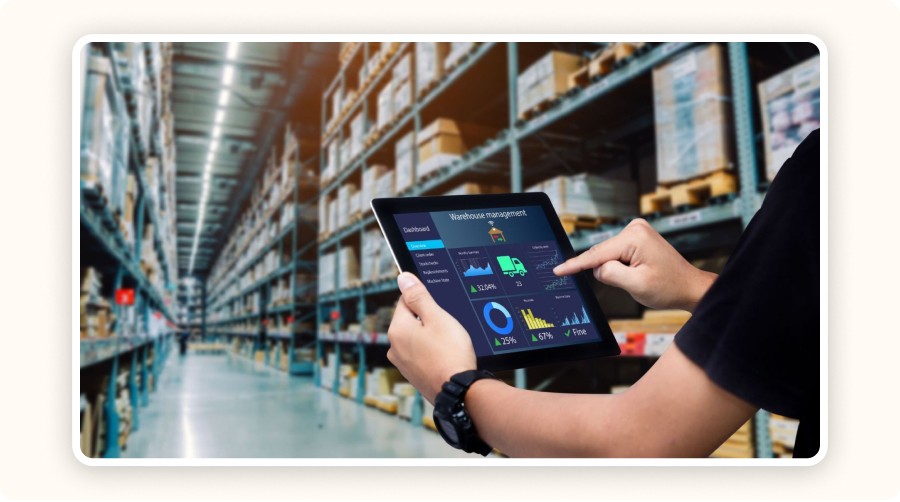
No Inventory or Logistics Management
warehouse dashboard tablet

In dropshipping, your supplier handles all logistics: picking, packing, and shipping each order.
You store nothing. You ship nothing. This eliminates headaches tied to:

  • shipping costs

  • delivery delays

  • damaged items

  • handling returns

With logistics outsourced, you save time and avoid operational stress.
This lets you focus on what actually grows a dropshipping business: product research, marketing, content creation, and optimizing product pages.

Zero logistics = more time to scale your dropshipping store and improve customer satisfaction.

Geographical and Schedule Flexibility
3d map pins

Dropshipping is a 100% digital online business model. You can run your store and make money from anywhere, all you need is a laptop and an internet connection. It fits perfectly with digital nomad lifestyles, career transitions, or part-time projects.

There are no fixed hours, no storefront to open, and no team to manage. You’re free to organize your workday however you want. This flexibility attracts solopreneurs, freelancers, and creators looking for independence.

Sell while you sleep, travel, or work elsewhere, one of the biggest benefits of dropshipping today.

A Fully Flexible, Easy-to-Update Product Catalog
catalog icon

With dropshipping, you can add or remove products from your catalog in just a few clicks. Test new niches with zero risk. Adapt your offer to trends. Never get stuck with unsold stock. It’s the ideal dropshipping business model for:

  • A/B testing products

  • comparing conversion rates

  • quickly spotting what works

You can even launch micro-stores around a theme, trend, or seasonal offer. Your catalog stays flexible, reactive, and always up to date, one of the biggest strengths in the pros and cons of dropshipping debate.

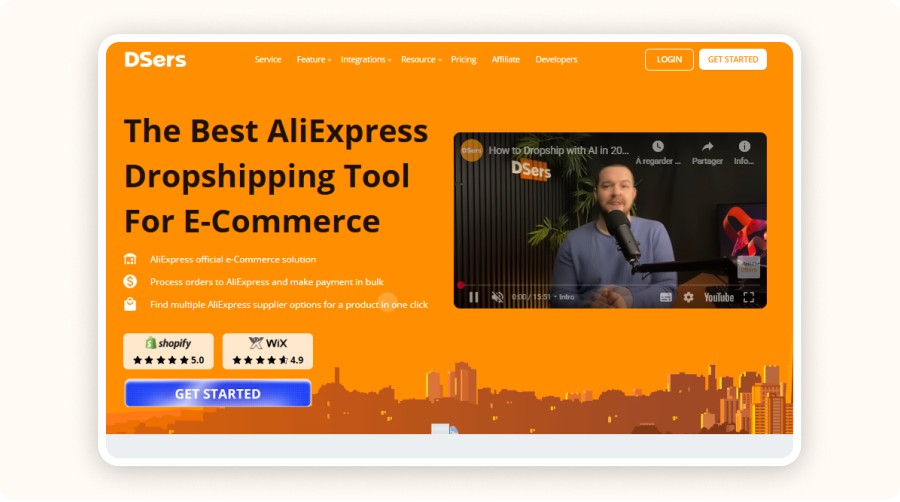
Access to Powerful Automation Tools
dsers homepage

Thanks to tools like Minea, AutoDS, and DSers, dropshipping is more automated than ever. You can import products, sync pricing and stock, track orders, and even analyze winning ads, without manual effort.

By automating your dropshipping process, you can:

  • reduce dropshipping error, especially human errors

  • speed up your operations

  • manage a fast-growing dropshipping store without burnout

Automation tools handle the repetitive tasks while you focus on strategy, branding, and growth, crucial advantages when evaluating the pros and cons of dropshipping business.

Easy Store Creation (Even With No Technical Skills)
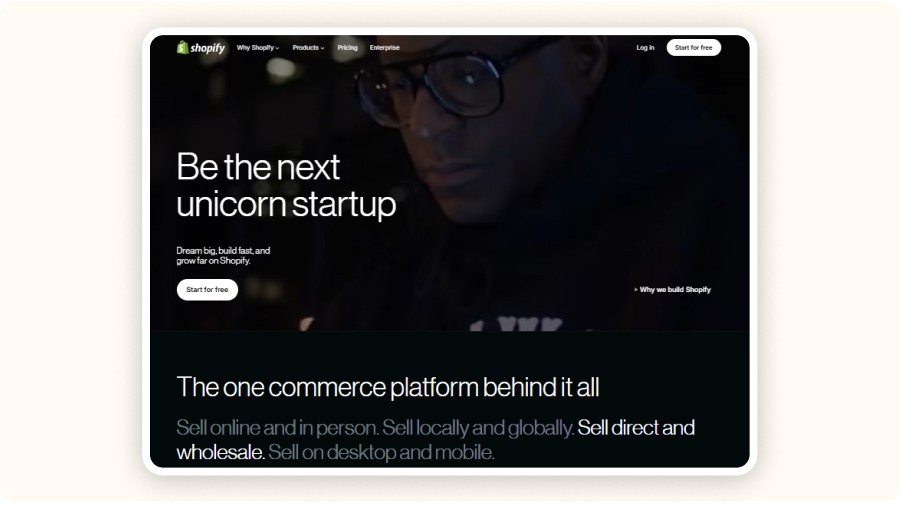
shopify homepage

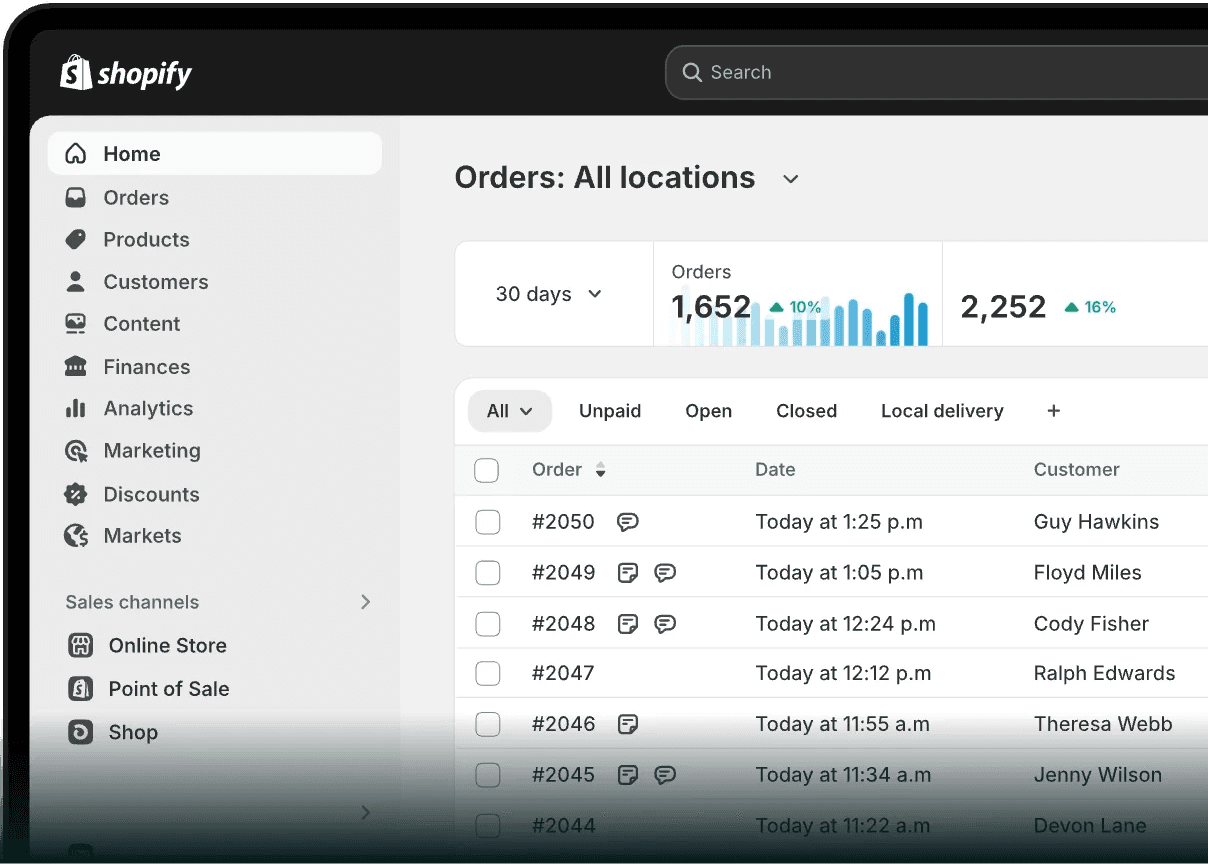
Starting a dropshipping business is simple. With Shopify or WooCommerce, you can build a professional ecommerce store without coding, thanks to no-code editors, ready-made templates, and dropshipping plugins.

In just a few hours, you're online and ready to sell. Even with zero technical skills, you can customize your branding, connect your products, and launch your campaigns.

No developer needed. Just the right platform and a clear offer, major benefits often highlighted when comparing the pros and cons of Shopify dropshipping.

What Are the Pros of Dropshipping in 2025?

Dropshipping lets you launch an e-commerce business with no inventory, low startup costs, and minimal risk. In 2025, tools are more advanced, suppliers are more reliable, and profit margins can still be attractive, if you know how to leverage the pros and cons of dropshipping properly.

Start an Online Business With Little Capital

Dollar symbol above hand

With dropshipping, you can start an online business without a large upfront investment. You only order products after a customer places an order. It’s a lean model, no stock, no storage, and no need to buy 1,000 units upfront or rent a warehouse. This dramatically reduces financial risk.

For beginners, dropshipping allows you to test a market, a niche, or a product idea without losing money if it doesn’t work. You validate your offer in real conditions without locking cash in inventory.

It’s one of the only ecommerce business models that lets you sell products without buying them first.

No Inventory or Logistics Management

warehouse dashboard tablet

In dropshipping, your supplier handles all logistics: picking, packing, and shipping each order.
You store nothing. You ship nothing. This eliminates headaches tied to:

  • shipping costs

  • delivery delays

  • damaged items

  • handling returns

With logistics outsourced, you save time and avoid operational stress.
This lets you focus on what actually grows a dropshipping business: product research, marketing, content creation, and optimizing product pages.

Zero logistics = more time to scale your dropshipping store and improve customer satisfaction.

Geographical and Schedule Flexibility

3d map pins

Dropshipping is a 100% digital online business model. You can run your store and make money from anywhere, all you need is a laptop and an internet connection. It fits perfectly with digital nomad lifestyles, career transitions, or part-time projects.

There are no fixed hours, no storefront to open, and no team to manage. You’re free to organize your workday however you want. This flexibility attracts solopreneurs, freelancers, and creators looking for independence.

Sell while you sleep, travel, or work elsewhere, one of the biggest benefits of dropshipping today.

A Fully Flexible, Easy-to-Update Product Catalog

catalog icon

With dropshipping, you can add or remove products from your catalog in just a few clicks. Test new niches with zero risk. Adapt your offer to trends. Never get stuck with unsold stock. It’s the ideal dropshipping business model for:

  • A/B testing products

  • comparing conversion rates

  • quickly spotting what works

You can even launch micro-stores around a theme, trend, or seasonal offer. Your catalog stays flexible, reactive, and always up to date, one of the biggest strengths in the pros and cons of dropshipping debate.

Access to Powerful Automation Tools

dsers homepage

Thanks to tools like Minea, AutoDS, and DSers, dropshipping is more automated than ever. You can import products, sync pricing and stock, track orders, and even analyze winning ads, without manual effort.

By automating your dropshipping process, you can:

  • reduce dropshipping error, especially human errors

  • speed up your operations

  • manage a fast-growing dropshipping store without burnout

Automation tools handle the repetitive tasks while you focus on strategy, branding, and growth, crucial advantages when evaluating the pros and cons of dropshipping business.

Easy Store Creation (Even With No Technical Skills)

shopify homepage

Starting a dropshipping business is simple. With Shopify or WooCommerce, you can build a professional ecommerce store without coding, thanks to no-code editors, ready-made templates, and dropshipping plugins.

In just a few hours, you're online and ready to sell. Even with zero technical skills, you can customize your branding, connect your products, and launch your campaigns.

No developer needed. Just the right platform and a clear offer, major benefits often highlighted when comparing the pros and cons of Shopify dropshipping.
What Are the Pros of Dropshipping in 2025?

Dropshipping lets you launch an e-commerce business with no inventory, low startup costs, and minimal risk. In 2025, tools are more advanced, suppliers are more reliable, and profit margins can still be attractive, if you know how to leverage the pros and cons of dropshipping properly.

Start an Online Business With Little Capital

Dollar symbol above hand

With dropshipping, you can start an online business without a large upfront investment. You only order products after a customer places an order. It’s a lean model, no stock, no storage, and no need to buy 1,000 units upfront or rent a warehouse. This dramatically reduces financial risk.

For beginners, dropshipping allows you to test a market, a niche, or a product idea without losing money if it doesn’t work. You validate your offer in real conditions without locking cash in inventory.

It’s one of the only ecommerce business models that lets you sell products without buying them first.

No Inventory or Logistics Management

warehouse dashboard tablet

In dropshipping, your supplier handles all logistics: picking, packing, and shipping each order.
You store nothing. You ship nothing. This eliminates headaches tied to:

  • shipping costs

  • delivery delays

  • damaged items

  • handling returns

With logistics outsourced, you save time and avoid operational stress.
This lets you focus on what actually grows a dropshipping business: product research, marketing, content creation, and optimizing product pages.

Zero logistics = more time to scale your dropshipping store and improve customer satisfaction.

Geographical and Schedule Flexibility

3d map pins

Dropshipping is a 100% digital online business model. You can run your store and make money from anywhere, all you need is a laptop and an internet connection. It fits perfectly with digital nomad lifestyles, career transitions, or part-time projects.

There are no fixed hours, no storefront to open, and no team to manage. You’re free to organize your workday however you want. This flexibility attracts solopreneurs, freelancers, and creators looking for independence.

Sell while you sleep, travel, or work elsewhere, one of the biggest benefits of dropshipping today.

A Fully Flexible, Easy-to-Update Product Catalog

catalog icon

With dropshipping, you can add or remove products from your catalog in just a few clicks. Test new niches with zero risk. Adapt your offer to trends. Never get stuck with unsold stock. It’s the ideal dropshipping business model for:

  • A/B testing products

  • comparing conversion rates

  • quickly spotting what works

You can even launch micro-stores around a theme, trend, or seasonal offer. Your catalog stays flexible, reactive, and always up to date, one of the biggest strengths in the pros and cons of dropshipping debate.

Access to Powerful Automation Tools

dsers homepage

Thanks to tools like Minea, AutoDS, and DSers, dropshipping is more automated than ever. You can import products, sync pricing and stock, track orders, and even analyze winning ads, without manual effort.

By automating your dropshipping process, you can:

  • reduce dropshipping error, especially human errors

  • speed up your operations

  • manage a fast-growing dropshipping store without burnout

Automation tools handle the repetitive tasks while you focus on strategy, branding, and growth, crucial advantages when evaluating the pros and cons of dropshipping business.

Easy Store Creation (Even With No Technical Skills)

shopify homepage

Starting a dropshipping business is simple. With Shopify or WooCommerce, you can build a professional ecommerce store without coding, thanks to no-code editors, ready-made templates, and dropshipping plugins.

In just a few hours, you're online and ready to sell. Even with zero technical skills, you can customize your branding, connect your products, and launch your campaigns.

No developer needed. Just the right platform and a clear offer, major benefits often highlighted when comparing the pros and cons of Shopify dropshipping.

What Are the Pros of Dropshipping in 2025?

Dropshipping lets you launch an e-commerce business with no inventory, low startup costs, and minimal risk. In 2025, tools are more advanced, suppliers are more reliable, and profit margins can still be attractive, if you know how to leverage the pros and cons of dropshipping properly.

Start an Online Business With Little Capital

Dollar symbol above hand

With dropshipping, you can start an online business without a large upfront investment. You only order products after a customer places an order. It’s a lean model, no stock, no storage, and no need to buy 1,000 units upfront or rent a warehouse. This dramatically reduces financial risk.

For beginners, dropshipping allows you to test a market, a niche, or a product idea without losing money if it doesn’t work. You validate your offer in real conditions without locking cash in inventory.

It’s one of the only ecommerce business models that lets you sell products without buying them first.

No Inventory or Logistics Management

warehouse dashboard tablet

In dropshipping, your supplier handles all logistics: picking, packing, and shipping each order.
You store nothing. You ship nothing. This eliminates headaches tied to:

  • shipping costs

  • delivery delays

  • damaged items

  • handling returns

With logistics outsourced, you save time and avoid operational stress.
This lets you focus on what actually grows a dropshipping business: product research, marketing, content creation, and optimizing product pages.

Zero logistics = more time to scale your dropshipping store and improve customer satisfaction.

Geographical and Schedule Flexibility

3d map pins

Dropshipping is a 100% digital online business model. You can run your store and make money from anywhere, all you need is a laptop and an internet connection. It fits perfectly with digital nomad lifestyles, career transitions, or part-time projects.

There are no fixed hours, no storefront to open, and no team to manage. You’re free to organize your workday however you want. This flexibility attracts solopreneurs, freelancers, and creators looking for independence.

Sell while you sleep, travel, or work elsewhere, one of the biggest benefits of dropshipping today.

A Fully Flexible, Easy-to-Update Product Catalog

catalog icon

With dropshipping, you can add or remove products from your catalog in just a few clicks. Test new niches with zero risk. Adapt your offer to trends. Never get stuck with unsold stock. It’s the ideal dropshipping business model for:

  • A/B testing products

  • comparing conversion rates

  • quickly spotting what works

You can even launch micro-stores around a theme, trend, or seasonal offer. Your catalog stays flexible, reactive, and always up to date, one of the biggest strengths in the pros and cons of dropshipping debate.

Access to Powerful Automation Tools

dsers homepage

Thanks to tools like Minea, AutoDS, and DSers, dropshipping is more automated than ever. You can import products, sync pricing and stock, track orders, and even analyze winning ads, without manual effort.

By automating your dropshipping process, you can:

  • reduce dropshipping error, especially human errors

  • speed up your operations

  • manage a fast-growing dropshipping store without burnout

Automation tools handle the repetitive tasks while you focus on strategy, branding, and growth, crucial advantages when evaluating the pros and cons of dropshipping business.

Easy Store Creation (Even With No Technical Skills)

shopify homepage

Starting a dropshipping business is simple. With Shopify or WooCommerce, you can build a professional ecommerce store without coding, thanks to no-code editors, ready-made templates, and dropshipping plugins.

In just a few hours, you're online and ready to sell. Even with zero technical skills, you can customize your branding, connect your products, and launch your campaigns.

No developer needed. Just the right platform and a clear offer, major benefits often highlighted when comparing the pros and cons of Shopify dropshipping.

What Are the Pros of Dropshipping in 2025?

Dropshipping lets you launch an e-commerce business with no inventory, low startup costs, and minimal risk. In 2025, tools are more advanced, suppliers are more reliable, and profit margins can still be attractive, if you know how to leverage the pros and cons of dropshipping properly.

Start an Online Business With Little Capital

Dollar symbol above hand

With dropshipping, you can start an online business without a large upfront investment. You only order products after a customer places an order. It’s a lean model, no stock, no storage, and no need to buy 1,000 units upfront or rent a warehouse. This dramatically reduces financial risk.

For beginners, dropshipping allows you to test a market, a niche, or a product idea without losing money if it doesn’t work. You validate your offer in real conditions without locking cash in inventory.

It’s one of the only ecommerce business models that lets you sell products without buying them first.

No Inventory or Logistics Management

warehouse dashboard tablet

In dropshipping, your supplier handles all logistics: picking, packing, and shipping each order.
You store nothing. You ship nothing. This eliminates headaches tied to:

  • shipping costs

  • delivery delays

  • damaged items

  • handling returns

With logistics outsourced, you save time and avoid operational stress.
This lets you focus on what actually grows a dropshipping business: product research, marketing, content creation, and optimizing product pages.

Zero logistics = more time to scale your dropshipping store and improve customer satisfaction.

Geographical and Schedule Flexibility

3d map pins

Dropshipping is a 100% digital online business model. You can run your store and make money from anywhere, all you need is a laptop and an internet connection. It fits perfectly with digital nomad lifestyles, career transitions, or part-time projects.

There are no fixed hours, no storefront to open, and no team to manage. You’re free to organize your workday however you want. This flexibility attracts solopreneurs, freelancers, and creators looking for independence.

Sell while you sleep, travel, or work elsewhere, one of the biggest benefits of dropshipping today.

A Fully Flexible, Easy-to-Update Product Catalog

catalog icon

With dropshipping, you can add or remove products from your catalog in just a few clicks. Test new niches with zero risk. Adapt your offer to trends. Never get stuck with unsold stock. It’s the ideal dropshipping business model for:

  • A/B testing products

  • comparing conversion rates

  • quickly spotting what works

You can even launch micro-stores around a theme, trend, or seasonal offer. Your catalog stays flexible, reactive, and always up to date, one of the biggest strengths in the pros and cons of dropshipping debate.

Access to Powerful Automation Tools

dsers homepage

Thanks to tools like Minea, AutoDS, and DSers, dropshipping is more automated than ever. You can import products, sync pricing and stock, track orders, and even analyze winning ads, without manual effort.

By automating your dropshipping process, you can:

  • reduce dropshipping error, especially human errors

  • speed up your operations

  • manage a fast-growing dropshipping store without burnout

Automation tools handle the repetitive tasks while you focus on strategy, branding, and growth, crucial advantages when evaluating the pros and cons of dropshipping business.

Easy Store Creation (Even With No Technical Skills)

shopify homepage

Starting a dropshipping business is simple. With Shopify or WooCommerce, you can build a professional ecommerce store without coding, thanks to no-code editors, ready-made templates, and dropshipping plugins.

In just a few hours, you're online and ready to sell. Even with zero technical skills, you can customize your branding, connect your products, and launch your campaigns.

No developer needed. Just the right platform and a clear offer, major benefits often highlighted when comparing the pros and cons of Shopify dropshipping.

What Are the Pros of Dropshipping in 2025?

Dropshipping lets you launch an e-commerce business with no inventory, low startup costs, and minimal risk. In 2025, tools are more advanced, suppliers are more reliable, and profit margins can still be attractive, if you know how to leverage the pros and cons of dropshipping properly.

Start an Online Business With Little Capital

Dollar symbol above hand

With dropshipping, you can start an online business without a large upfront investment. You only order products after a customer places an order. It’s a lean model, no stock, no storage, and no need to buy 1,000 units upfront or rent a warehouse. This dramatically reduces financial risk.

For beginners, dropshipping allows you to test a market, a niche, or a product idea without losing money if it doesn’t work. You validate your offer in real conditions without locking cash in inventory.

It’s one of the only ecommerce business models that lets you sell products without buying them first.

No Inventory or Logistics Management

warehouse dashboard tablet

In dropshipping, your supplier handles all logistics: picking, packing, and shipping each order.
You store nothing. You ship nothing. This eliminates headaches tied to:

  • shipping costs

  • delivery delays

  • damaged items

  • handling returns

With logistics outsourced, you save time and avoid operational stress.
This lets you focus on what actually grows a dropshipping business: product research, marketing, content creation, and optimizing product pages.

Zero logistics = more time to scale your dropshipping store and improve customer satisfaction.

Geographical and Schedule Flexibility

3d map pins

Dropshipping is a 100% digital online business model. You can run your store and make money from anywhere, all you need is a laptop and an internet connection. It fits perfectly with digital nomad lifestyles, career transitions, or part-time projects.

There are no fixed hours, no storefront to open, and no team to manage. You’re free to organize your workday however you want. This flexibility attracts solopreneurs, freelancers, and creators looking for independence.

Sell while you sleep, travel, or work elsewhere, one of the biggest benefits of dropshipping today.

A Fully Flexible, Easy-to-Update Product Catalog

catalog icon

With dropshipping, you can add or remove products from your catalog in just a few clicks. Test new niches with zero risk. Adapt your offer to trends. Never get stuck with unsold stock. It’s the ideal dropshipping business model for:

  • A/B testing products

  • comparing conversion rates

  • quickly spotting what works

You can even launch micro-stores around a theme, trend, or seasonal offer. Your catalog stays flexible, reactive, and always up to date, one of the biggest strengths in the pros and cons of dropshipping debate.

Access to Powerful Automation Tools

dsers homepage

Thanks to tools like Minea, AutoDS, and DSers, dropshipping is more automated than ever. You can import products, sync pricing and stock, track orders, and even analyze winning ads, without manual effort.

By automating your dropshipping process, you can:

  • reduce dropshipping error, especially human errors

  • speed up your operations

  • manage a fast-growing dropshipping store without burnout

Automation tools handle the repetitive tasks while you focus on strategy, branding, and growth, crucial advantages when evaluating the pros and cons of dropshipping business.

Easy Store Creation (Even With No Technical Skills)

shopify homepage

Starting a dropshipping business is simple. With Shopify or WooCommerce, you can build a professional ecommerce store without coding, thanks to no-code editors, ready-made templates, and dropshipping plugins.

In just a few hours, you're online and ready to sell. Even with zero technical skills, you can customize your branding, connect your products, and launch your campaigns.

No developer needed. Just the right platform and a clear offer, major benefits often highlighted when comparing the pros and cons of Shopify dropshipping.

Create your Shopify store for only $1 a day for 90 days

Create your Shopify store for only $1 a day for 90 days

Create your Shopify store for only $1 a day for 90 days

Create your Shopify store for only $1 a day for 90 days

Create your Shopify store for only $1 a day for 90 days

Create your Shopify store for only $1 a day for 90 days

What Are the Cons of Dropshipping in 2025?

Even though dropshipping has strong advantages, the pros and cons of dropshipping must be considered together. In 2025, the model comes with real limitations: fierce competition, supplier dependency, and product quality issues. Simply opening an online store is no longer enough to succeed.

Lower Profit Margins Than Expected
risk arrow cubes

Dropshipping seems profitable at first, but margins usually drop over time. Because you buy products individually, your unit cost is higher compared to bulk orders. On top of that, many sellers must invest in paid advertising to generate sales, and ROAS can fluctuate from one campaign to another.

You must also factor in platform fees (Shopify, Stripe, TikTok Ads) and subscriptions for tools like AutoDS or Minea. All of this makes profitability more fragile. A small mistake, or a sudden cost increase, can push your dropshipping business into the red.

To stay profitable, track your numbers daily and monitor your profit margins, ad spend, and shipping costs closely.

Heavy Competition on Trending Products
competition key gold

When a product works, it gets copied instantly. Winning products saturate quickly because many sellers use the same supplier, the same ad creatives, and the same marketing angles. Everyone ends up fighting on price.

In that environment, it’s hard to stand out without a focused niche, strong branding, or exclusive sourcing. Copy-pasting a TikTok product is no longer enough. To survive the pros and cons of dropshipping business, your offer must be perceived as genuinely different.

High Dependence on Suppliers
suppliers drawer label

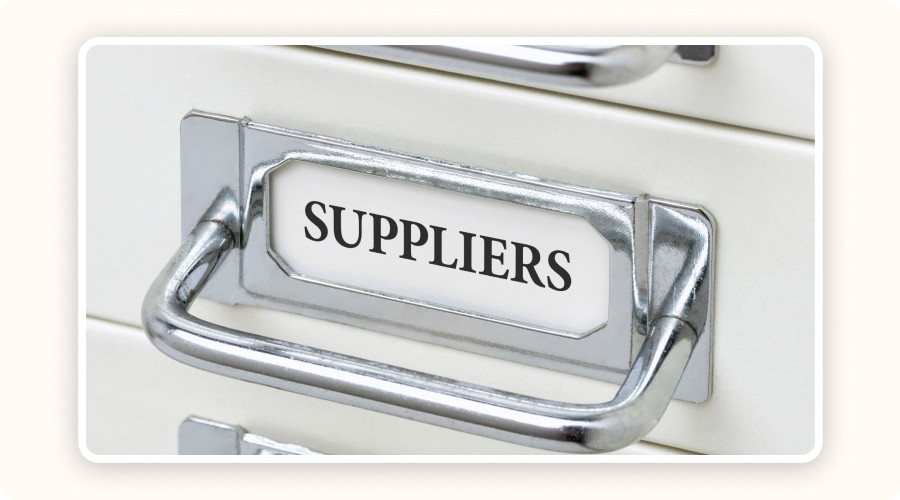
Dropshipping relies entirely on third-party suppliers. You don’t control shipping times, product quality, or stock levels. If a supplier sends a defective item or takes 20 days to deliver, you get blamed.

A bad supplier affects:

  • customer satisfaction

  • refund rates

  • reviews

  • your store’s reputation

Even with tracking tools, you remain dependent on a supply chain you don’t fully control. And even if you choose “the best” supplier, nothing is ever guaranteed 100%.

This is one of the most significant cons of dropshipping and a key reason why choosing reliable suppliers is critical to running a sustainable ecommerce business.

Harder to Build a Strong Brand
brand on laptop

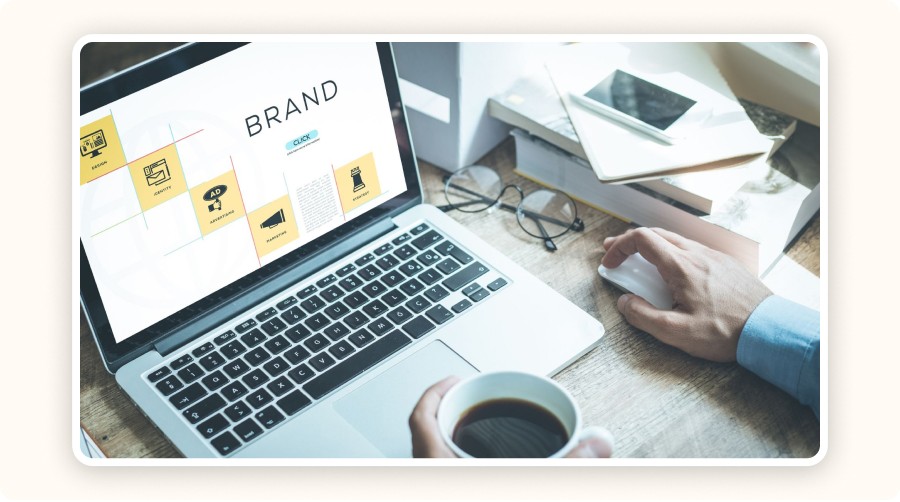
With classic dropshipping, you’re selling generic products. Without extra effort, you can’t build a strong, differentiated brand. No custom packaging, no storytelling, no loyalty elements, your store ends up looking like every other dropshipping business. Customers feel no connection and have no reason to return. Some don’t even remember which store they ordered from.

This lack of identity can make your business disposable.

To stand out, you must create a real brand with consistent branding, custom visuals, and a cohesive customer experience from start to finish. This is essential when weighing the pros and cons of dropshipping business.

Limited Control Over the Customer Experience
emotion level blocks

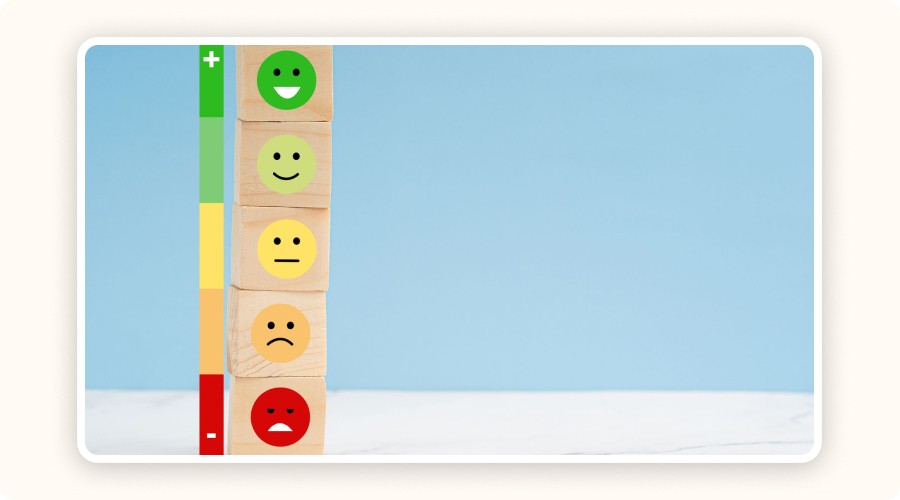
In dropshipping, your control is limited. Packaging is generic, shipping times can be long, and returns are harder to manage. Customers today expect an Amazon-level experience. If they receive a generic package, delivered late, with unclear tracking, they get frustrated.

Negative reviews quickly hurt your ads, your trust score, and your conversions, one of the most underestimated cons of dropshipping.

To compensate, you need transparent communication, fast support, and proactive follow-up to meet customer expectations and protect your customer satisfaction.

Legal and Platform-Related Risks

legal discussion paper

Dropshipping isn’t illegal, but poorly managed, it can become risky fast. To start dropshipping, know that some products are restricted or regulated depending on the country (supplements, unsafe gadgets, items requiring CE compliance).
If you sell a non-compliant product, you are responsible.

Platforms like Shopify, Meta, and TikTok can also suspend your account if they detect issues such as:

  • excessive delivery delays

  • high dispute rates

  • misleading ads

  • policy violations

You must also manage VAT, customs rules, consumer protection laws, GDPR, and other compliance standards.
The dropshipping model looks simple on paper, but it requires a solid legal framework behind the scenes.

What Are the Cons of Dropshipping in 2025?

Even though dropshipping has strong advantages, the pros and cons of dropshipping must be considered together. In 2025, the model comes with real limitations: fierce competition, supplier dependency, and product quality issues. Simply opening an online store is no longer enough to succeed.

Lower Profit Margins Than Expected

risk arrow cubes

Dropshipping seems profitable at first, but margins usually drop over time. Because you buy products individually, your unit cost is higher compared to bulk orders. On top of that, many sellers must invest in paid advertising to generate sales, and ROAS can fluctuate from one campaign to another.

You must also factor in platform fees (Shopify, Stripe, TikTok Ads) and subscriptions for tools like AutoDS or Minea. All of this makes profitability more fragile. A small mistake, or a sudden cost increase, can push your dropshipping business into the red.

To stay profitable, track your numbers daily and monitor your profit margins, ad spend, and shipping costs closely.

Heavy Competition on Trending Products

competition key gold

When a product works, it gets copied instantly. Winning products saturate quickly because many sellers use the same supplier, the same ad creatives, and the same marketing angles. Everyone ends up fighting on price.

In that environment, it’s hard to stand out without a focused niche, strong branding, or exclusive sourcing. Copy-pasting a TikTok product is no longer enough. To survive the pros and cons of dropshipping business, your offer must be perceived as genuinely different.

High Dependence on Suppliers

suppliers drawer label

Dropshipping relies entirely on third-party suppliers. You don’t control shipping times, product quality, or stock levels. If a supplier sends a defective item or takes 20 days to deliver, you get blamed.

A bad supplier affects:

  • customer satisfaction

  • refund rates

  • reviews

  • your store’s reputation

Even with tracking tools, you remain dependent on a supply chain you don’t fully control. And even if you choose “the best” supplier, nothing is ever guaranteed 100%.

This is one of the most significant cons of dropshipping and a key reason why choosing reliable suppliers is critical to running a sustainable ecommerce business.

Harder to Build a Strong Brand

brand on laptop

With classic dropshipping, you’re selling generic products. Without extra effort, you can’t build a strong, differentiated brand. No custom packaging, no storytelling, no loyalty elements, your store ends up looking like every other dropshipping business. Customers feel no connection and have no reason to return. Some don’t even remember which store they ordered from.

This lack of identity can make your business disposable.

To stand out, you must create a real brand with consistent branding, custom visuals, and a cohesive customer experience from start to finish. This is essential when weighing the pros and cons of dropshipping business.

Limited Control Over the Customer Experience

emotion level blocks

In dropshipping, your control is limited. Packaging is generic, shipping times can be long, and returns are harder to manage. Customers today expect an Amazon-level experience. If they receive a generic package, delivered late, with unclear tracking, they get frustrated.

Negative reviews quickly hurt your ads, your trust score, and your conversions, one of the most underestimated cons of dropshipping.

To compensate, you need transparent communication, fast support, and proactive follow-up to meet customer expectations and protect your customer satisfaction.

Legal and Platform-Related Risks

legal discussion paper

Dropshipping isn’t illegal, but poorly managed, it can become risky fast. To start dropshipping, know that some products are restricted or regulated depending on the country (supplements, unsafe gadgets, items requiring CE compliance).
If you sell a non-compliant product, you are responsible.

Platforms like Shopify, Meta, and TikTok can also suspend your account if they detect issues such as:

  • excessive delivery delays

  • high dispute rates

  • misleading ads

  • policy violations

You must also manage VAT, customs rules, consumer protection laws, GDPR, and other compliance standards.
The dropshipping model looks simple on paper, but it requires a solid legal framework behind the scenes.
What Are the Cons of Dropshipping in 2025?

Even though dropshipping has strong advantages, the pros and cons of dropshipping must be considered together. In 2025, the model comes with real limitations: fierce competition, supplier dependency, and product quality issues. Simply opening an online store is no longer enough to succeed.

Lower Profit Margins Than Expected

risk arrow cubes

Dropshipping seems profitable at first, but margins usually drop over time. Because you buy products individually, your unit cost is higher compared to bulk orders. On top of that, many sellers must invest in paid advertising to generate sales, and ROAS can fluctuate from one campaign to another.

You must also factor in platform fees (Shopify, Stripe, TikTok Ads) and subscriptions for tools like AutoDS or Minea. All of this makes profitability more fragile. A small mistake, or a sudden cost increase, can push your dropshipping business into the red.

To stay profitable, track your numbers daily and monitor your profit margins, ad spend, and shipping costs closely.

Heavy Competition on Trending Products

competition key gold

When a product works, it gets copied instantly. Winning products saturate quickly because many sellers use the same supplier, the same ad creatives, and the same marketing angles. Everyone ends up fighting on price.

In that environment, it’s hard to stand out without a focused niche, strong branding, or exclusive sourcing. Copy-pasting a TikTok product is no longer enough. To survive the pros and cons of dropshipping business, your offer must be perceived as genuinely different.

High Dependence on Suppliers

suppliers drawer label

Dropshipping relies entirely on third-party suppliers. You don’t control shipping times, product quality, or stock levels. If a supplier sends a defective item or takes 20 days to deliver, you get blamed.

A bad supplier affects:

  • customer satisfaction

  • refund rates

  • reviews

  • your store’s reputation

Even with tracking tools, you remain dependent on a supply chain you don’t fully control. And even if you choose “the best” supplier, nothing is ever guaranteed 100%.

This is one of the most significant cons of dropshipping and a key reason why choosing reliable suppliers is critical to running a sustainable ecommerce business.

Harder to Build a Strong Brand

brand on laptop

With classic dropshipping, you’re selling generic products. Without extra effort, you can’t build a strong, differentiated brand. No custom packaging, no storytelling, no loyalty elements, your store ends up looking like every other dropshipping business. Customers feel no connection and have no reason to return. Some don’t even remember which store they ordered from.

This lack of identity can make your business disposable.

To stand out, you must create a real brand with consistent branding, custom visuals, and a cohesive customer experience from start to finish. This is essential when weighing the pros and cons of dropshipping business.

Limited Control Over the Customer Experience

emotion level blocks

In dropshipping, your control is limited. Packaging is generic, shipping times can be long, and returns are harder to manage. Customers today expect an Amazon-level experience. If they receive a generic package, delivered late, with unclear tracking, they get frustrated.

Negative reviews quickly hurt your ads, your trust score, and your conversions, one of the most underestimated cons of dropshipping.

To compensate, you need transparent communication, fast support, and proactive follow-up to meet customer expectations and protect your customer satisfaction.

Legal and Platform-Related Risks

legal discussion paper

Dropshipping isn’t illegal, but poorly managed, it can become risky fast. To start dropshipping, know that some products are restricted or regulated depending on the country (supplements, unsafe gadgets, items requiring CE compliance).
If you sell a non-compliant product, you are responsible.

Platforms like Shopify, Meta, and TikTok can also suspend your account if they detect issues such as:

  • excessive delivery delays

  • high dispute rates

  • misleading ads

  • policy violations

You must also manage VAT, customs rules, consumer protection laws, GDPR, and other compliance standards.
The dropshipping model looks simple on paper, but it requires a solid legal framework behind the scenes.

What Are the Cons of Dropshipping in 2025?

Even though dropshipping has strong advantages, the pros and cons of dropshipping must be considered together. In 2025, the model comes with real limitations: fierce competition, supplier dependency, and product quality issues. Simply opening an online store is no longer enough to succeed.

Lower Profit Margins Than Expected

risk arrow cubes

Dropshipping seems profitable at first, but margins usually drop over time. Because you buy products individually, your unit cost is higher compared to bulk orders. On top of that, many sellers must invest in paid advertising to generate sales, and ROAS can fluctuate from one campaign to another.

You must also factor in platform fees (Shopify, Stripe, TikTok Ads) and subscriptions for tools like AutoDS or Minea. All of this makes profitability more fragile. A small mistake, or a sudden cost increase, can push your dropshipping business into the red.

To stay profitable, track your numbers daily and monitor your profit margins, ad spend, and shipping costs closely.

Heavy Competition on Trending Products

competition key gold

When a product works, it gets copied instantly. Winning products saturate quickly because many sellers use the same supplier, the same ad creatives, and the same marketing angles. Everyone ends up fighting on price.

In that environment, it’s hard to stand out without a focused niche, strong branding, or exclusive sourcing. Copy-pasting a TikTok product is no longer enough. To survive the pros and cons of dropshipping business, your offer must be perceived as genuinely different.

High Dependence on Suppliers

suppliers drawer label

Dropshipping relies entirely on third-party suppliers. You don’t control shipping times, product quality, or stock levels. If a supplier sends a defective item or takes 20 days to deliver, you get blamed.

A bad supplier affects:

  • customer satisfaction

  • refund rates

  • reviews

  • your store’s reputation

Even with tracking tools, you remain dependent on a supply chain you don’t fully control. And even if you choose “the best” supplier, nothing is ever guaranteed 100%.

This is one of the most significant cons of dropshipping and a key reason why choosing reliable suppliers is critical to running a sustainable ecommerce business.

Harder to Build a Strong Brand

brand on laptop

With classic dropshipping, you’re selling generic products. Without extra effort, you can’t build a strong, differentiated brand. No custom packaging, no storytelling, no loyalty elements, your store ends up looking like every other dropshipping business. Customers feel no connection and have no reason to return. Some don’t even remember which store they ordered from.

This lack of identity can make your business disposable.

To stand out, you must create a real brand with consistent branding, custom visuals, and a cohesive customer experience from start to finish. This is essential when weighing the pros and cons of dropshipping business.

Limited Control Over the Customer Experience

emotion level blocks

In dropshipping, your control is limited. Packaging is generic, shipping times can be long, and returns are harder to manage. Customers today expect an Amazon-level experience. If they receive a generic package, delivered late, with unclear tracking, they get frustrated.

Negative reviews quickly hurt your ads, your trust score, and your conversions, one of the most underestimated cons of dropshipping.

To compensate, you need transparent communication, fast support, and proactive follow-up to meet customer expectations and protect your customer satisfaction.

Legal and Platform-Related Risks

legal discussion paper

Dropshipping isn’t illegal, but poorly managed, it can become risky fast. To start dropshipping, know that some products are restricted or regulated depending on the country (supplements, unsafe gadgets, items requiring CE compliance).
If you sell a non-compliant product, you are responsible.

Platforms like Shopify, Meta, and TikTok can also suspend your account if they detect issues such as:

  • excessive delivery delays

  • high dispute rates

  • misleading ads

  • policy violations

You must also manage VAT, customs rules, consumer protection laws, GDPR, and other compliance standards.
The dropshipping model looks simple on paper, but it requires a solid legal framework behind the scenes.

What Are the Cons of Dropshipping in 2025?

Even though dropshipping has strong advantages, the pros and cons of dropshipping must be considered together. In 2025, the model comes with real limitations: fierce competition, supplier dependency, and product quality issues. Simply opening an online store is no longer enough to succeed.

Lower Profit Margins Than Expected

risk arrow cubes

Dropshipping seems profitable at first, but margins usually drop over time. Because you buy products individually, your unit cost is higher compared to bulk orders. On top of that, many sellers must invest in paid advertising to generate sales, and ROAS can fluctuate from one campaign to another.

You must also factor in platform fees (Shopify, Stripe, TikTok Ads) and subscriptions for tools like AutoDS or Minea. All of this makes profitability more fragile. A small mistake, or a sudden cost increase, can push your dropshipping business into the red.

To stay profitable, track your numbers daily and monitor your profit margins, ad spend, and shipping costs closely.

Heavy Competition on Trending Products

competition key gold

When a product works, it gets copied instantly. Winning products saturate quickly because many sellers use the same supplier, the same ad creatives, and the same marketing angles. Everyone ends up fighting on price.

In that environment, it’s hard to stand out without a focused niche, strong branding, or exclusive sourcing. Copy-pasting a TikTok product is no longer enough. To survive the pros and cons of dropshipping business, your offer must be perceived as genuinely different.

High Dependence on Suppliers

suppliers drawer label

Dropshipping relies entirely on third-party suppliers. You don’t control shipping times, product quality, or stock levels. If a supplier sends a defective item or takes 20 days to deliver, you get blamed.

A bad supplier affects:

  • customer satisfaction

  • refund rates

  • reviews

  • your store’s reputation

Even with tracking tools, you remain dependent on a supply chain you don’t fully control. And even if you choose “the best” supplier, nothing is ever guaranteed 100%.

This is one of the most significant cons of dropshipping and a key reason why choosing reliable suppliers is critical to running a sustainable ecommerce business.

Harder to Build a Strong Brand

brand on laptop

With classic dropshipping, you’re selling generic products. Without extra effort, you can’t build a strong, differentiated brand. No custom packaging, no storytelling, no loyalty elements, your store ends up looking like every other dropshipping business. Customers feel no connection and have no reason to return. Some don’t even remember which store they ordered from.

This lack of identity can make your business disposable.

To stand out, you must create a real brand with consistent branding, custom visuals, and a cohesive customer experience from start to finish. This is essential when weighing the pros and cons of dropshipping business.

Limited Control Over the Customer Experience

emotion level blocks

In dropshipping, your control is limited. Packaging is generic, shipping times can be long, and returns are harder to manage. Customers today expect an Amazon-level experience. If they receive a generic package, delivered late, with unclear tracking, they get frustrated.

Negative reviews quickly hurt your ads, your trust score, and your conversions, one of the most underestimated cons of dropshipping.

To compensate, you need transparent communication, fast support, and proactive follow-up to meet customer expectations and protect your customer satisfaction.

Legal and Platform-Related Risks

legal discussion paper

Dropshipping isn’t illegal, but poorly managed, it can become risky fast. To start dropshipping, know that some products are restricted or regulated depending on the country (supplements, unsafe gadgets, items requiring CE compliance).
If you sell a non-compliant product, you are responsible.

Platforms like Shopify, Meta, and TikTok can also suspend your account if they detect issues such as:

  • excessive delivery delays

  • high dispute rates

  • misleading ads

  • policy violations

You must also manage VAT, customs rules, consumer protection laws, GDPR, and other compliance standards.
The dropshipping model looks simple on paper, but it requires a solid legal framework behind the scenes.

What Are the Cons of Dropshipping in 2025?

Even though dropshipping has strong advantages, the pros and cons of dropshipping must be considered together. In 2025, the model comes with real limitations: fierce competition, supplier dependency, and product quality issues. Simply opening an online store is no longer enough to succeed.

Lower Profit Margins Than Expected

risk arrow cubes

Dropshipping seems profitable at first, but margins usually drop over time. Because you buy products individually, your unit cost is higher compared to bulk orders. On top of that, many sellers must invest in paid advertising to generate sales, and ROAS can fluctuate from one campaign to another.

You must also factor in platform fees (Shopify, Stripe, TikTok Ads) and subscriptions for tools like AutoDS or Minea. All of this makes profitability more fragile. A small mistake, or a sudden cost increase, can push your dropshipping business into the red.

To stay profitable, track your numbers daily and monitor your profit margins, ad spend, and shipping costs closely.

Heavy Competition on Trending Products

competition key gold

When a product works, it gets copied instantly. Winning products saturate quickly because many sellers use the same supplier, the same ad creatives, and the same marketing angles. Everyone ends up fighting on price.

In that environment, it’s hard to stand out without a focused niche, strong branding, or exclusive sourcing. Copy-pasting a TikTok product is no longer enough. To survive the pros and cons of dropshipping business, your offer must be perceived as genuinely different.

High Dependence on Suppliers

suppliers drawer label

Dropshipping relies entirely on third-party suppliers. You don’t control shipping times, product quality, or stock levels. If a supplier sends a defective item or takes 20 days to deliver, you get blamed.

A bad supplier affects:

  • customer satisfaction

  • refund rates

  • reviews

  • your store’s reputation

Even with tracking tools, you remain dependent on a supply chain you don’t fully control. And even if you choose “the best” supplier, nothing is ever guaranteed 100%.

This is one of the most significant cons of dropshipping and a key reason why choosing reliable suppliers is critical to running a sustainable ecommerce business.

Harder to Build a Strong Brand

brand on laptop

With classic dropshipping, you’re selling generic products. Without extra effort, you can’t build a strong, differentiated brand. No custom packaging, no storytelling, no loyalty elements, your store ends up looking like every other dropshipping business. Customers feel no connection and have no reason to return. Some don’t even remember which store they ordered from.

This lack of identity can make your business disposable.

To stand out, you must create a real brand with consistent branding, custom visuals, and a cohesive customer experience from start to finish. This is essential when weighing the pros and cons of dropshipping business.

Limited Control Over the Customer Experience

emotion level blocks

In dropshipping, your control is limited. Packaging is generic, shipping times can be long, and returns are harder to manage. Customers today expect an Amazon-level experience. If they receive a generic package, delivered late, with unclear tracking, they get frustrated.

Negative reviews quickly hurt your ads, your trust score, and your conversions, one of the most underestimated cons of dropshipping.

To compensate, you need transparent communication, fast support, and proactive follow-up to meet customer expectations and protect your customer satisfaction.

Legal and Platform-Related Risks

legal discussion paper

Dropshipping isn’t illegal, but poorly managed, it can become risky fast. To start dropshipping, know that some products are restricted or regulated depending on the country (supplements, unsafe gadgets, items requiring CE compliance).
If you sell a non-compliant product, you are responsible.

Platforms like Shopify, Meta, and TikTok can also suspend your account if they detect issues such as:

  • excessive delivery delays

  • high dispute rates

  • misleading ads

  • policy violations

You must also manage VAT, customs rules, consumer protection laws, GDPR, and other compliance standards.
The dropshipping model looks simple on paper, but it requires a solid legal framework behind the scenes.

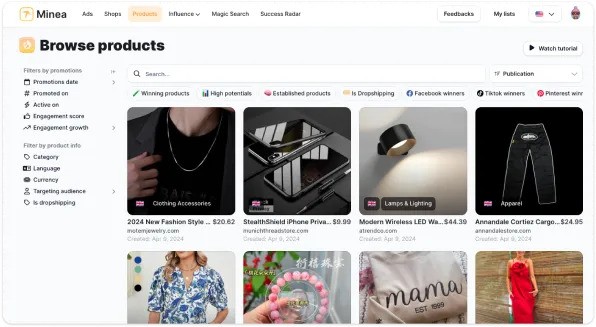
Discover Minea, the platform for finding winning products

Discover Minea, the platform for finding winning products

Discover Minea, the platform for finding winning products

Discover Minea, the platform for finding winning products

Discover Minea, the platform for finding winning products

Discover Minea, the platform for finding winning products

Who Is Dropshipping For?

hands holding WHOM letters

If you want to start a business without a big budget, test a niche quickly, or launch a side project alongside your job, dropshipping may be a great fit.
This online business model works well for:

  • beginners

  • freelancers

  • anyone who wants to learn ecommerce without dealing with logistics

But be careful, dropshipping is not for everyone.
If you expect high profit margins from day one, aim for a luxury brand image, or want full control over logistics, the cons of dropshipping will catch up with you fast. Without solid sourcing and real differentiation, competitors catch up fast.

The smartest approach? Start with dropshipping, validate your winning products, build your customer base, then move toward private label (your own branded products).
Dropshipping is a launchpad, not a final destination.

Dropshipping Pros vs Cons (Visual Overview)

Advantages of Dropshipping

Disadvantages of Dropshipping

Launch without inventory or large upfront capital

Low profit margins due to unit costs and ads

No logistics to manage (stock, shipping, returns)

Heavy competition on popular products

Geographic and schedule flexibility

Dependency on suppliers for quality and delivery times

Add and test products in a few clicks

Hard to build a strong, memorable brand

Automation through tools like DSers, AutoDS, Minea

Limited control over the customer experience

Easy store creation with Shopify/WooCommerce

Legal risks (restricted products, platform bans)

Final Verdict: Should You Start Dropshipping in 2025?

verdict chalkboard

Yes, dropshipping still works in 2025.
But it’s no longer an easy goldmine or a promise of fast money with zero effort.

To succeed, you must:

  • follow a clear strategy

  • differentiate your product offer

  • master essential ecommerce tools

The smartest move is to use dropshipping as a stepping stone, not a long-term destination.
Test your ideas, identify what works, then evolve toward a more robust model like direct-to-consumer (DTC) or private label.
With this structured, hybrid approach, you can build a sustainable ecommerce business.

Key Takeaways

Dropshipping in 2025 comes with real advantages: low startup costs, simplified logistics, and high flexibility. But its disadvantages are just as real: low margins, high competition, and supplier dependency.

Still, the pros and cons of dropshipping business show that the model remains relevant, if you understand its limits and use it methodically.

If you're looking for an accessible entry point into ecommerce, dropshipping is a solid option.
But for long-term success, you’ll need to evolve, structure your offer, and aim for a stronger model like private label.

To learn how to launch, automate, and scale your dropshipping store, join Minea Academy, one of the most complete dropshipping courses available. With 32+ hours of content, a private members-only club, and expert coaching, you’ll learn how to analyze winning products, run profitable ads, optimize your store, and avoid beginner mistakes.

FAQ

Is dropshipping still profitable in 2025?

Yes. Dropshipping is still profitable in 2025, but it requires better sourcing, stronger branding, and a more structured strategy than before. Low startup costs remain an advantage, but competition and margins demand a smarter approach.

What are the biggest cons of dropshipping?

The biggest disadvantage is the lack of control over shipping times, product quality, customer experience, and supplier reliability. These issues can lead to negative reviews, refund requests, and lower profitability.

What are the biggest pros of dropshipping?

Dropshipping lets you start an online store with almost no upfront capital. You don’t manage inventory, packaging, or fulfillment, making it one of the easiest ecommerce models to test new niches quickly.

Who should start a dropshipping business?

Dropshipping is ideal for beginners, freelancers, digital nomads, and side-hustlers who want a low-risk way to enter ecommerce. It’s less suited for those seeking high margins or total logistical control.

Who Is Dropshipping For?

hands holding WHOM letters

If you want to start a business without a big budget, test a niche quickly, or launch a side project alongside your job, dropshipping may be a great fit.
This online business model works well for:

  • beginners

  • freelancers

  • anyone who wants to learn ecommerce without dealing with logistics

But be careful, dropshipping is not for everyone.
If you expect high profit margins from day one, aim for a luxury brand image, or want full control over logistics, the cons of dropshipping will catch up with you fast. Without solid sourcing and real differentiation, competitors catch up fast.

The smartest approach? Start with dropshipping, validate your winning products, build your customer base, then move toward private label (your own branded products).
Dropshipping is a launchpad, not a final destination.

Dropshipping Pros vs Cons (Visual Overview)

Advantages of Dropshipping

Disadvantages of Dropshipping

Launch without inventory or large upfront capital

Low profit margins due to unit costs and ads

No logistics to manage (stock, shipping, returns)

Heavy competition on popular products

Geographic and schedule flexibility

Dependency on suppliers for quality and delivery times

Add and test products in a few clicks

Hard to build a strong, memorable brand

Automation through tools like DSers, AutoDS, Minea

Limited control over the customer experience

Easy store creation with Shopify/WooCommerce

Legal risks (restricted products, platform bans)

Final Verdict: Should You Start Dropshipping in 2025?

verdict chalkboard

Yes, dropshipping still works in 2025.
But it’s no longer an easy goldmine or a promise of fast money with zero effort.

To succeed, you must:

  • follow a clear strategy

  • differentiate your product offer

  • master essential ecommerce tools

The smartest move is to use dropshipping as a stepping stone, not a long-term destination.
Test your ideas, identify what works, then evolve toward a more robust model like direct-to-consumer (DTC) or private label.
With this structured, hybrid approach, you can build a sustainable ecommerce business.

Key Takeaways

Dropshipping in 2025 comes with real advantages: low startup costs, simplified logistics, and high flexibility. But its disadvantages are just as real: low margins, high competition, and supplier dependency.

Still, the pros and cons of dropshipping business show that the model remains relevant, if you understand its limits and use it methodically.

If you're looking for an accessible entry point into ecommerce, dropshipping is a solid option.
But for long-term success, you’ll need to evolve, structure your offer, and aim for a stronger model like private label.

To learn how to launch, automate, and scale your dropshipping store, join Minea Academy, one of the most complete dropshipping courses available. With 32+ hours of content, a private members-only club, and expert coaching, you’ll learn how to analyze winning products, run profitable ads, optimize your store, and avoid beginner mistakes.

FAQ

Is dropshipping still profitable in 2025?

Yes. Dropshipping is still profitable in 2025, but it requires better sourcing, stronger branding, and a more structured strategy than before. Low startup costs remain an advantage, but competition and margins demand a smarter approach.

What are the biggest cons of dropshipping?

The biggest disadvantage is the lack of control over shipping times, product quality, customer experience, and supplier reliability. These issues can lead to negative reviews, refund requests, and lower profitability.

What are the biggest pros of dropshipping?

Dropshipping lets you start an online store with almost no upfront capital. You don’t manage inventory, packaging, or fulfillment, making it one of the easiest ecommerce models to test new niches quickly.

Who should start a dropshipping business?

Dropshipping is ideal for beginners, freelancers, digital nomads, and side-hustlers who want a low-risk way to enter ecommerce. It’s less suited for those seeking high margins or total logistical control.

Who Is Dropshipping For?

hands holding WHOM letters

If you want to start a business without a big budget, test a niche quickly, or launch a side project alongside your job, dropshipping may be a great fit.
This online business model works well for:

  • beginners

  • freelancers

  • anyone who wants to learn ecommerce without dealing with logistics

But be careful, dropshipping is not for everyone.
If you expect high profit margins from day one, aim for a luxury brand image, or want full control over logistics, the cons of dropshipping will catch up with you fast. Without solid sourcing and real differentiation, competitors catch up fast.

The smartest approach? Start with dropshipping, validate your winning products, build your customer base, then move toward private label (your own branded products).
Dropshipping is a launchpad, not a final destination.

Dropshipping Pros vs Cons (Visual Overview)

Advantages of Dropshipping

Disadvantages of Dropshipping

Launch without inventory or large upfront capital

Low profit margins due to unit costs and ads

No logistics to manage (stock, shipping, returns)

Heavy competition on popular products

Geographic and schedule flexibility

Dependency on suppliers for quality and delivery times

Add and test products in a few clicks

Hard to build a strong, memorable brand

Automation through tools like DSers, AutoDS, Minea

Limited control over the customer experience

Easy store creation with Shopify/WooCommerce

Legal risks (restricted products, platform bans)

Final Verdict: Should You Start Dropshipping in 2025?

verdict chalkboard

Yes, dropshipping still works in 2025.
But it’s no longer an easy goldmine or a promise of fast money with zero effort.

To succeed, you must:

  • follow a clear strategy

  • differentiate your product offer

  • master essential ecommerce tools

The smartest move is to use dropshipping as a stepping stone, not a long-term destination.
Test your ideas, identify what works, then evolve toward a more robust model like direct-to-consumer (DTC) or private label.
With this structured, hybrid approach, you can build a sustainable ecommerce business.

Key Takeaways

Dropshipping in 2025 comes with real advantages: low startup costs, simplified logistics, and high flexibility. But its disadvantages are just as real: low margins, high competition, and supplier dependency.

Still, the pros and cons of dropshipping business show that the model remains relevant, if you understand its limits and use it methodically.

If you're looking for an accessible entry point into ecommerce, dropshipping is a solid option.
But for long-term success, you’ll need to evolve, structure your offer, and aim for a stronger model like private label.

To learn how to launch, automate, and scale your dropshipping store, join Minea Academy, one of the most complete dropshipping courses available. With 32+ hours of content, a private members-only club, and expert coaching, you’ll learn how to analyze winning products, run profitable ads, optimize your store, and avoid beginner mistakes.

FAQ

Is dropshipping still profitable in 2025?

Yes. Dropshipping is still profitable in 2025, but it requires better sourcing, stronger branding, and a more structured strategy than before. Low startup costs remain an advantage, but competition and margins demand a smarter approach.

What are the biggest cons of dropshipping?

The biggest disadvantage is the lack of control over shipping times, product quality, customer experience, and supplier reliability. These issues can lead to negative reviews, refund requests, and lower profitability.

What are the biggest pros of dropshipping?

Dropshipping lets you start an online store with almost no upfront capital. You don’t manage inventory, packaging, or fulfillment, making it one of the easiest ecommerce models to test new niches quickly.

Who should start a dropshipping business?

Dropshipping is ideal for beginners, freelancers, digital nomads, and side-hustlers who want a low-risk way to enter ecommerce. It’s less suited for those seeking high margins or total logistical control.

Who Is Dropshipping For?

hands holding WHOM letters

If you want to start a business without a big budget, test a niche quickly, or launch a side project alongside your job, dropshipping may be a great fit.
This online business model works well for:

  • beginners

  • freelancers

  • anyone who wants to learn ecommerce without dealing with logistics

But be careful, dropshipping is not for everyone.
If you expect high profit margins from day one, aim for a luxury brand image, or want full control over logistics, the cons of dropshipping will catch up with you fast. Without solid sourcing and real differentiation, competitors catch up fast.

The smartest approach? Start with dropshipping, validate your winning products, build your customer base, then move toward private label (your own branded products).
Dropshipping is a launchpad, not a final destination.

Dropshipping Pros vs Cons (Visual Overview)

Advantages of Dropshipping

Disadvantages of Dropshipping

Launch without inventory or large upfront capital

Low profit margins due to unit costs and ads

No logistics to manage (stock, shipping, returns)

Heavy competition on popular products

Geographic and schedule flexibility

Dependency on suppliers for quality and delivery times

Add and test products in a few clicks

Hard to build a strong, memorable brand

Automation through tools like DSers, AutoDS, Minea

Limited control over the customer experience

Easy store creation with Shopify/WooCommerce

Legal risks (restricted products, platform bans)

Final Verdict: Should You Start Dropshipping in 2025?

verdict chalkboard

Yes, dropshipping still works in 2025.
But it’s no longer an easy goldmine or a promise of fast money with zero effort.

To succeed, you must:

  • follow a clear strategy

  • differentiate your product offer

  • master essential ecommerce tools

The smartest move is to use dropshipping as a stepping stone, not a long-term destination.
Test your ideas, identify what works, then evolve toward a more robust model like direct-to-consumer (DTC) or private label.
With this structured, hybrid approach, you can build a sustainable ecommerce business.

Key Takeaways

Dropshipping in 2025 comes with real advantages: low startup costs, simplified logistics, and high flexibility. But its disadvantages are just as real: low margins, high competition, and supplier dependency.

Still, the pros and cons of dropshipping business show that the model remains relevant, if you understand its limits and use it methodically.

If you're looking for an accessible entry point into ecommerce, dropshipping is a solid option.
But for long-term success, you’ll need to evolve, structure your offer, and aim for a stronger model like private label.

To learn how to launch, automate, and scale your dropshipping store, join Minea Academy, one of the most complete dropshipping courses available. With 32+ hours of content, a private members-only club, and expert coaching, you’ll learn how to analyze winning products, run profitable ads, optimize your store, and avoid beginner mistakes.

FAQ

Is dropshipping still profitable in 2025?

Yes. Dropshipping is still profitable in 2025, but it requires better sourcing, stronger branding, and a more structured strategy than before. Low startup costs remain an advantage, but competition and margins demand a smarter approach.

What are the biggest cons of dropshipping?

The biggest disadvantage is the lack of control over shipping times, product quality, customer experience, and supplier reliability. These issues can lead to negative reviews, refund requests, and lower profitability.

What are the biggest pros of dropshipping?

Dropshipping lets you start an online store with almost no upfront capital. You don’t manage inventory, packaging, or fulfillment, making it one of the easiest ecommerce models to test new niches quickly.

Who should start a dropshipping business?

Dropshipping is ideal for beginners, freelancers, digital nomads, and side-hustlers who want a low-risk way to enter ecommerce. It’s less suited for those seeking high margins or total logistical control.

Who Is Dropshipping For?

hands holding WHOM letters

If you want to start a business without a big budget, test a niche quickly, or launch a side project alongside your job, dropshipping may be a great fit.
This online business model works well for:

  • beginners

  • freelancers

  • anyone who wants to learn ecommerce without dealing with logistics

But be careful, dropshipping is not for everyone.
If you expect high profit margins from day one, aim for a luxury brand image, or want full control over logistics, the cons of dropshipping will catch up with you fast. Without solid sourcing and real differentiation, competitors catch up fast.

The smartest approach? Start with dropshipping, validate your winning products, build your customer base, then move toward private label (your own branded products).
Dropshipping is a launchpad, not a final destination.

Dropshipping Pros vs Cons (Visual Overview)

Advantages of Dropshipping

Disadvantages of Dropshipping

Launch without inventory or large upfront capital

Low profit margins due to unit costs and ads

No logistics to manage (stock, shipping, returns)

Heavy competition on popular products

Geographic and schedule flexibility

Dependency on suppliers for quality and delivery times

Add and test products in a few clicks

Hard to build a strong, memorable brand

Automation through tools like DSers, AutoDS, Minea

Limited control over the customer experience

Easy store creation with Shopify/WooCommerce

Legal risks (restricted products, platform bans)

Final Verdict: Should You Start Dropshipping in 2025?

verdict chalkboard

Yes, dropshipping still works in 2025.
But it’s no longer an easy goldmine or a promise of fast money with zero effort.

To succeed, you must:

  • follow a clear strategy

  • differentiate your product offer

  • master essential ecommerce tools

The smartest move is to use dropshipping as a stepping stone, not a long-term destination.
Test your ideas, identify what works, then evolve toward a more robust model like direct-to-consumer (DTC) or private label.
With this structured, hybrid approach, you can build a sustainable ecommerce business.

Key Takeaways

Dropshipping in 2025 comes with real advantages: low startup costs, simplified logistics, and high flexibility. But its disadvantages are just as real: low margins, high competition, and supplier dependency.

Still, the pros and cons of dropshipping business show that the model remains relevant, if you understand its limits and use it methodically.

If you're looking for an accessible entry point into ecommerce, dropshipping is a solid option.
But for long-term success, you’ll need to evolve, structure your offer, and aim for a stronger model like private label.

To learn how to launch, automate, and scale your dropshipping store, join Minea Academy, one of the most complete dropshipping courses available. With 32+ hours of content, a private members-only club, and expert coaching, you’ll learn how to analyze winning products, run profitable ads, optimize your store, and avoid beginner mistakes.

FAQ

Is dropshipping still profitable in 2025?

Yes. Dropshipping is still profitable in 2025, but it requires better sourcing, stronger branding, and a more structured strategy than before. Low startup costs remain an advantage, but competition and margins demand a smarter approach.

What are the biggest cons of dropshipping?

The biggest disadvantage is the lack of control over shipping times, product quality, customer experience, and supplier reliability. These issues can lead to negative reviews, refund requests, and lower profitability.

What are the biggest pros of dropshipping?

Dropshipping lets you start an online store with almost no upfront capital. You don’t manage inventory, packaging, or fulfillment, making it one of the easiest ecommerce models to test new niches quickly.

Who should start a dropshipping business?

Dropshipping is ideal for beginners, freelancers, digital nomads, and side-hustlers who want a low-risk way to enter ecommerce. It’s less suited for those seeking high margins or total logistical control.

Who Is Dropshipping For?

hands holding WHOM letters

If you want to start a business without a big budget, test a niche quickly, or launch a side project alongside your job, dropshipping may be a great fit.
This online business model works well for:

  • beginners

  • freelancers

  • anyone who wants to learn ecommerce without dealing with logistics

But be careful, dropshipping is not for everyone.
If you expect high profit margins from day one, aim for a luxury brand image, or want full control over logistics, the cons of dropshipping will catch up with you fast. Without solid sourcing and real differentiation, competitors catch up fast.

The smartest approach? Start with dropshipping, validate your winning products, build your customer base, then move toward private label (your own branded products).
Dropshipping is a launchpad, not a final destination.

Dropshipping Pros vs Cons (Visual Overview)

Advantages of Dropshipping

Disadvantages of Dropshipping

Launch without inventory or large upfront capital

Low profit margins due to unit costs and ads

No logistics to manage (stock, shipping, returns)

Heavy competition on popular products

Geographic and schedule flexibility

Dependency on suppliers for quality and delivery times

Add and test products in a few clicks

Hard to build a strong, memorable brand

Automation through tools like DSers, AutoDS, Minea

Limited control over the customer experience

Easy store creation with Shopify/WooCommerce

Legal risks (restricted products, platform bans)

Final Verdict: Should You Start Dropshipping in 2025?

verdict chalkboard

Yes, dropshipping still works in 2025.
But it’s no longer an easy goldmine or a promise of fast money with zero effort.

To succeed, you must:

  • follow a clear strategy

  • differentiate your product offer

  • master essential ecommerce tools

The smartest move is to use dropshipping as a stepping stone, not a long-term destination.
Test your ideas, identify what works, then evolve toward a more robust model like direct-to-consumer (DTC) or private label.
With this structured, hybrid approach, you can build a sustainable ecommerce business.

Key Takeaways

Dropshipping in 2025 comes with real advantages: low startup costs, simplified logistics, and high flexibility. But its disadvantages are just as real: low margins, high competition, and supplier dependency.

Still, the pros and cons of dropshipping business show that the model remains relevant, if you understand its limits and use it methodically.

If you're looking for an accessible entry point into ecommerce, dropshipping is a solid option.
But for long-term success, you’ll need to evolve, structure your offer, and aim for a stronger model like private label.

To learn how to launch, automate, and scale your dropshipping store, join Minea Academy, one of the most complete dropshipping courses available. With 32+ hours of content, a private members-only club, and expert coaching, you’ll learn how to analyze winning products, run profitable ads, optimize your store, and avoid beginner mistakes.

FAQ

Is dropshipping still profitable in 2025?

Yes. Dropshipping is still profitable in 2025, but it requires better sourcing, stronger branding, and a more structured strategy than before. Low startup costs remain an advantage, but competition and margins demand a smarter approach.

What are the biggest cons of dropshipping?

The biggest disadvantage is the lack of control over shipping times, product quality, customer experience, and supplier reliability. These issues can lead to negative reviews, refund requests, and lower profitability.

What are the biggest pros of dropshipping?

Dropshipping lets you start an online store with almost no upfront capital. You don’t manage inventory, packaging, or fulfillment, making it one of the easiest ecommerce models to test new niches quickly.

Who should start a dropshipping business?

Dropshipping is ideal for beginners, freelancers, digital nomads, and side-hustlers who want a low-risk way to enter ecommerce. It’s less suited for those seeking high margins or total logistical control.

Similar articles

dropshipping business ideas

Best Dropshipping Business Ideas to Build a Long-Term Brand in 2025

November 25, 2025

Dropshipping Learning


dropshipping business ideas

Best Dropshipping Business Ideas to Build a Long-Term Brand in 2025

November 25, 2025

Dropshipping Learning


dropshipping business ideas

Best Dropshipping Business Ideas to Build a Long-Term Brand in 2025

November 25, 2025

Dropshipping Learning


dropshipping business ideas

Best Dropshipping Business Ideas to Build a Long-Term Brand in 2025

November 25, 2025

Dropshipping Learning


dropshipping business ideas

Best Dropshipping Business Ideas to Build a Long-Term Brand in 2025

November 25, 2025

Dropshipping Learning


dropshipping business ideas

Best Dropshipping Business Ideas to Build a Long-Term Brand in 2025

November 25, 2025

Dropshipping Learning


Formation gratuite en dropshipping

🎓 Minea Academy: 100% Free Training

November 6, 2025

Dropshipping Learning


Formation gratuite en dropshipping

🎓 Minea Academy: 100% Free Training

November 6, 2025

Dropshipping Learning


Formation gratuite en dropshipping

🎓 Minea Academy: 100% Free Training

November 6, 2025

Dropshipping Learning


Formation gratuite en dropshipping

🎓 Minea Academy: 100% Free Training

November 6, 2025

Dropshipping Learning


Formation gratuite en dropshipping

🎓 Minea Academy: 100% Free Training

November 6, 2025

Dropshipping Learning


Formation gratuite en dropshipping

🎓 Minea Academy: 100% Free Training

November 6, 2025

Dropshipping Learning


TikTok Shop: How It Works, Opportunities, and Strategies for 2025

TikTok Shop: How It Works, Opportunities, and Strategies for 2025

June 4, 2025

Dropshipping Learning


TikTok Shop: How It Works, Opportunities, and Strategies for 2025

TikTok Shop: How It Works, Opportunities, and Strategies for 2025

June 4, 2025

Dropshipping Learning


TikTok Shop: How It Works, Opportunities, and Strategies for 2025

TikTok Shop: How It Works, Opportunities, and Strategies for 2025

June 4, 2025

Dropshipping Learning


TikTok Shop: How It Works, Opportunities, and Strategies for 2025

TikTok Shop: How It Works, Opportunities, and Strategies for 2025

June 4, 2025

Dropshipping Learning


TikTok Shop: How It Works, Opportunities, and Strategies for 2025

TikTok Shop: How It Works, Opportunities, and Strategies for 2025

June 4, 2025

Dropshipping Learning


TikTok Shop: How It Works, Opportunities, and Strategies for 2025

TikTok Shop: How It Works, Opportunities, and Strategies for 2025

June 4, 2025

Dropshipping Learning


dropshipping in France

Getting started with dropshipping in France: essential tips

February 15, 2025

Dropshipping Learning


dropshipping in France

Getting started with dropshipping in France: essential tips

February 15, 2025

Dropshipping Learning


dropshipping in France

Getting started with dropshipping in France: essential tips

February 15, 2025

Dropshipping Learning


dropshipping in France

Getting started with dropshipping in France: essential tips

February 15, 2025

Dropshipping Learning


dropshipping in France

Getting started with dropshipping in France: essential tips

February 15, 2025

Dropshipping Learning


dropshipping in France

Getting started with dropshipping in France: essential tips

February 15, 2025

Dropshipping Learning

Launch winning products in

3 clicks

Discover winning products to sell today.

Our Free Adspys

1 winning product everyday.

Follow us!

Launch winning products in

3 clicks

Discover winning products to sell today.

Our Free Adspys

1 winning product everyday.

Follow us!

Launch winning products in

3 clicks

Discover winning products to sell today.

Our Free Adspys

1 winning product everyday.

Follow us!