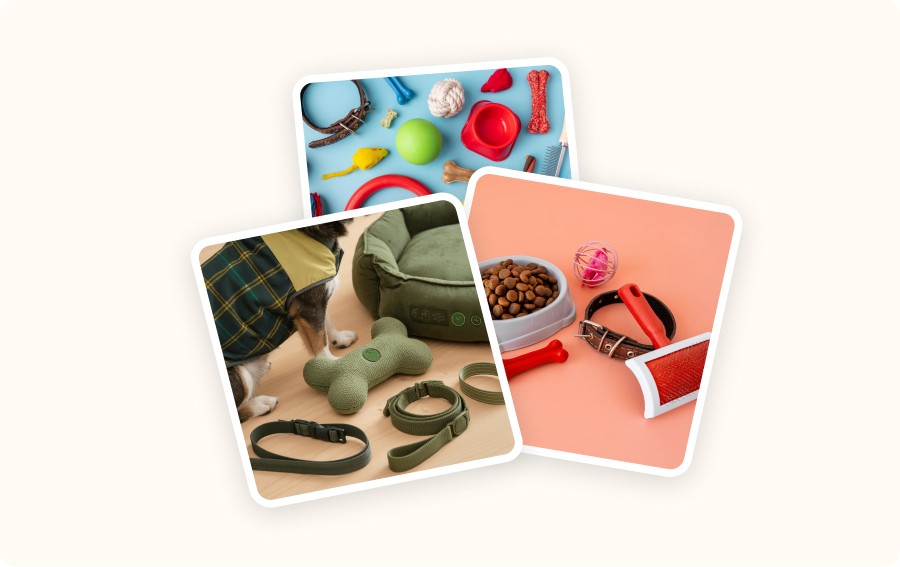


How to Start Dropshipping Pet Accessories
Best niche products dropshipping
Author:
January 28, 2026
Contents
To succeed with dropshipping pet accessories, you need to choose a focused niche and analyze real demand from pet owners. Then, build an online store designed to reassure and convince animal lovers.
Demand is booming. Pet owners actively buy toys, leashes, beds, clothing, and personalized accessories for their companions. This is one of the most profitable dropshipping niches, if you follow the right steps from the start.
To succeed with dropshipping pet accessories, you need to choose a focused niche and analyze real demand from pet owners. Then, build an online store designed to reassure and convince animal lovers.
Demand is booming. Pet owners actively buy toys, leashes, beds, clothing, and personalized accessories for their companions. This is one of the most profitable dropshipping niches, if you follow the right steps from the start.
To succeed with dropshipping pet accessories, you need to choose a focused niche and analyze real demand from pet owners. Then, build an online store designed to reassure and convince animal lovers.
Demand is booming. Pet owners actively buy toys, leashes, beds, clothing, and personalized accessories for their companions. This is one of the most profitable dropshipping niches, if you follow the right steps from the start.
To succeed with dropshipping pet accessories, you need to choose a focused niche and analyze real demand from pet owners. Then, build an online store designed to reassure and convince animal lovers.
Demand is booming. Pet owners actively buy toys, leashes, beds, clothing, and personalized accessories for their companions. This is one of the most profitable dropshipping niches, if you follow the right steps from the start.
To succeed with dropshipping pet accessories, you need to choose a focused niche and analyze real demand from pet owners. Then, build an online store designed to reassure and convince animal lovers.
Demand is booming. Pet owners actively buy toys, leashes, beds, clothing, and personalized accessories for their companions. This is one of the most profitable dropshipping niches, if you follow the right steps from the start.
To succeed with dropshipping pet accessories, you need to choose a focused niche and analyze real demand from pet owners. Then, build an online store designed to reassure and convince animal lovers.
Demand is booming. Pet owners actively buy toys, leashes, beds, clothing, and personalized accessories for their companions. This is one of the most profitable dropshipping niches, if you follow the right steps from the start.

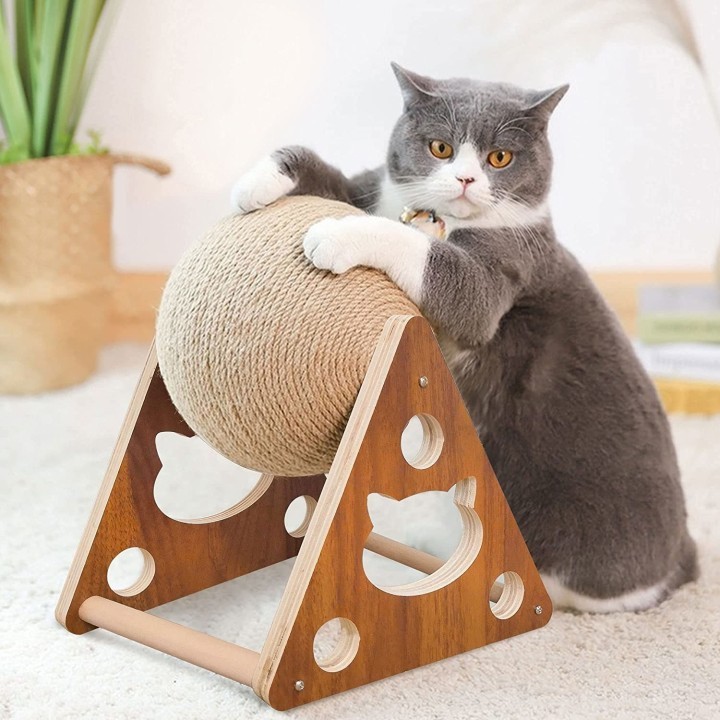
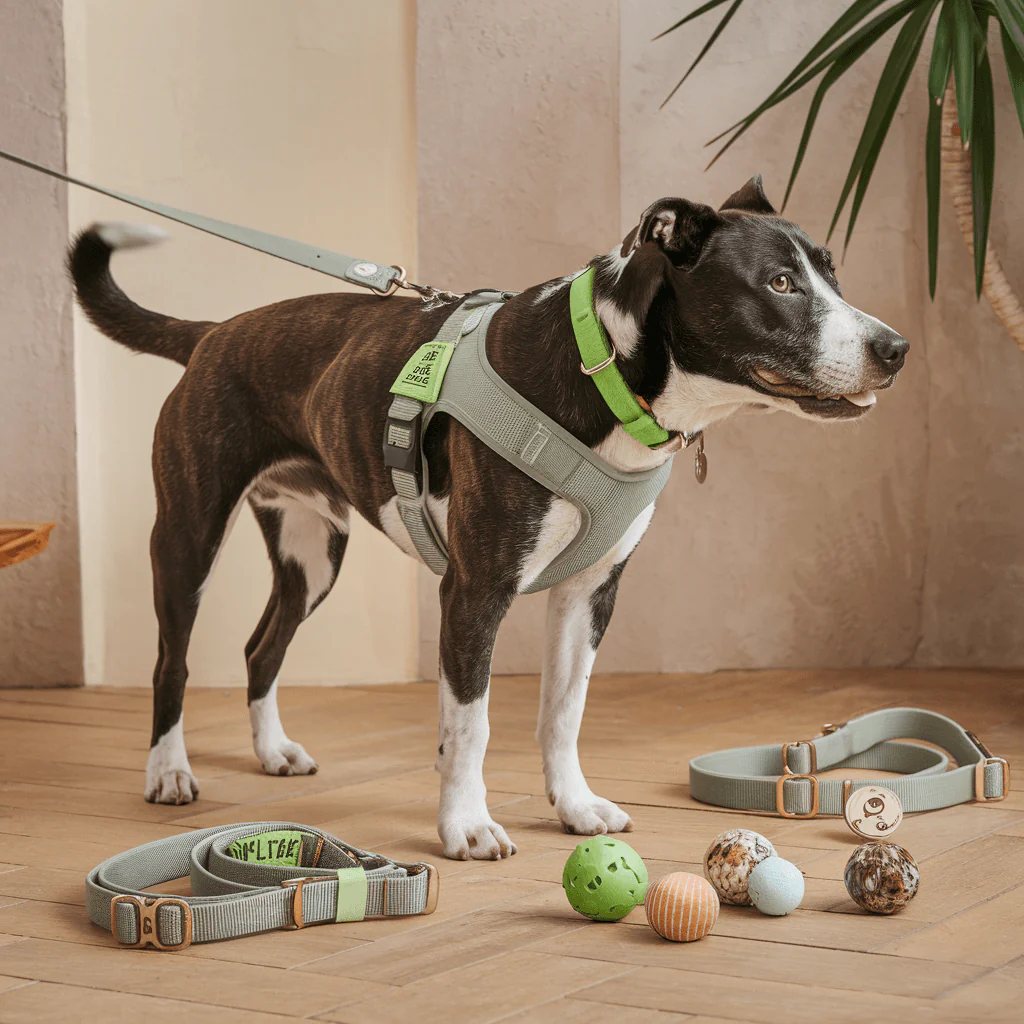




Step 1: Understand Pet Accessories Dropshipping
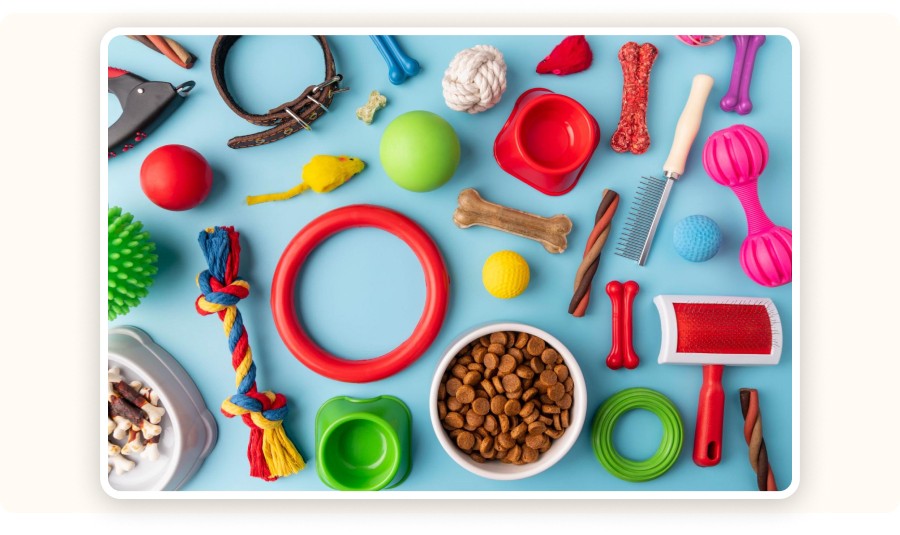
Before you sell, you need to understand what makes the pet niche different. There are specific rules, sometimes bulky products to ship, and a very demanding customer base. Without these fundamentals, building a profitable business is difficult.
How does dropshipping pet accessories work?
With dropshipping pet accessories, you sell products without holding inventory. When a customer places an order, it is sent directly to your supplier, who ships the item to the end customer. You manage the store, marketing, and customer support—without handling logistics yourself.
In the pet niche, pay close attention to these constraints:
Weight and size: beds, crates, furnitures, or food containers often increase shipping costs
Regulations: pet food, supplements, and veterinary products are strictly regulated depending on the country
Plan for these factors before launching.
Why start a pet accessories business?
The US pet market exceeded $147 billion in 2023, according to the American Pet Products Association. Nearly 7 out of 10 households own a pet. This leads to:
strong brand loyalty
repeat purchases
highly emotional buying decisions
Eco-friendly products, personalized accessories, and pet wellness items are growing the fastest. Dropshipping pet accessories can be very profitable if you understand the niche-specific constraints from day one.
Step 2: Define Your Niche and Target Audience in the Pet Category

Selling to everyone doesn’t work. In the pet niche, just like electronics, the more focused you are, the higher your conversion rate. Choose a clear sub-niche and deeply understand pet owners’ expectations.
Choose a hyper-focused niche
To succeed with pet accessories dropshipping, avoid selling everything for every animal. A targeted offer attracts a more engaged audience and positions you as a specialist.
High-performing niche examples include:
Sustainable grooming accessories for long-haired dogs
Urban dog clothing designed for winter walks
Natural supplements for senior or sensitive cats
By narrowing your focus, you:
reduce direct competition
address a real, specific need
build a strong expert brand image
Be careful with regulated categories. Products like pet food, CBD, or veterinary care require strict compliance depending on the country. Only enter these niches if you fully understand the legal requirements.
Identify your target audience
Your customers are pet owners, not pets. Without a clear audience, your store will struggle to generate sales.
Segment your audience based on:
Type of pet: dog vs. cat (active dog collars, indoor cat furniture, etc.)
Budget level: affordable accessories vs. premium products
Geographic market: France, Europe, or the United States (different expectations and purchasing power)
Validate demand using Google Trends by comparing interest across countries and seasons. Search terms like “designer dog leash” or “eco-friendly cat toy” help confirm whether demand is stable or growing.
On Reddit, explore communities like r/dogs or r/cats to find real owner questions, recommended products, and unmet needs.
On TikTok, search niche hashtags such as #dogaccessories or #catproducts. Viral videos reveal trending products and winning content formats.
Use Minea to confirm your niche
To confirm profitability, rely on Minea, a data-driven platform built to help dropshippers make decisions based on real performance, not guesswork.
With Minea, you access:
AI Magic Search: enter a keyword (e.g., “dog toys”) to instantly see top-performing products and ads powered by AI
Ads Library: analyze thousands of high-engagement e-commerce ads on Facebook, TikTok, and Pinterest, with filters by date, country, format, and platform
Success Radar (Business plan): identify 100 fast-growing products using Shopify data, ad engagement, and trend signals, updated every 8 hours
Trending Shops: analyze fast-scaling Shopify stores, their visuals, strategies, and best-sellers
Minea helps you avoid launching a store without data. You see what works right now, before your competitors do

Step 1: Understand Pet Accessories Dropshipping

Before you sell, you need to understand what makes the pet niche different. There are specific rules, sometimes bulky products to ship, and a very demanding customer base. Without these fundamentals, building a profitable business is difficult.
How does dropshipping pet accessories work?
With dropshipping pet accessories, you sell products without holding inventory. When a customer places an order, it is sent directly to your supplier, who ships the item to the end customer. You manage the store, marketing, and customer support—without handling logistics yourself.
In the pet niche, pay close attention to these constraints:
Weight and size: beds, crates, furnitures, or food containers often increase shipping costs
Regulations: pet food, supplements, and veterinary products are strictly regulated depending on the country
Plan for these factors before launching.
Why start a pet accessories business?
The US pet market exceeded $147 billion in 2023, according to the American Pet Products Association. Nearly 7 out of 10 households own a pet. This leads to:
strong brand loyalty
repeat purchases
highly emotional buying decisions
Eco-friendly products, personalized accessories, and pet wellness items are growing the fastest. Dropshipping pet accessories can be very profitable if you understand the niche-specific constraints from day one.
Step 2: Define Your Niche and Target Audience in the Pet Category

Selling to everyone doesn’t work. In the pet niche, just like electronics, the more focused you are, the higher your conversion rate. Choose a clear sub-niche and deeply understand pet owners’ expectations.
Choose a hyper-focused niche
To succeed with pet accessories dropshipping, avoid selling everything for every animal. A targeted offer attracts a more engaged audience and positions you as a specialist.
High-performing niche examples include:
Sustainable grooming accessories for long-haired dogs
Urban dog clothing designed for winter walks
Natural supplements for senior or sensitive cats
By narrowing your focus, you:
reduce direct competition
address a real, specific need
build a strong expert brand image
Be careful with regulated categories. Products like pet food, CBD, or veterinary care require strict compliance depending on the country. Only enter these niches if you fully understand the legal requirements.
Identify your target audience
Your customers are pet owners, not pets. Without a clear audience, your store will struggle to generate sales.
Segment your audience based on:
Type of pet: dog vs. cat (active dog collars, indoor cat furniture, etc.)
Budget level: affordable accessories vs. premium products
Geographic market: France, Europe, or the United States (different expectations and purchasing power)
Validate demand using Google Trends by comparing interest across countries and seasons. Search terms like “designer dog leash” or “eco-friendly cat toy” help confirm whether demand is stable or growing.
On Reddit, explore communities like r/dogs or r/cats to find real owner questions, recommended products, and unmet needs.
On TikTok, search niche hashtags such as #dogaccessories or #catproducts. Viral videos reveal trending products and winning content formats.
Use Minea to confirm your niche
To confirm profitability, rely on Minea, a data-driven platform built to help dropshippers make decisions based on real performance, not guesswork.
With Minea, you access:
AI Magic Search: enter a keyword (e.g., “dog toys”) to instantly see top-performing products and ads powered by AI
Ads Library: analyze thousands of high-engagement e-commerce ads on Facebook, TikTok, and Pinterest, with filters by date, country, format, and platform
Success Radar (Business plan): identify 100 fast-growing products using Shopify data, ad engagement, and trend signals, updated every 8 hours
Trending Shops: analyze fast-scaling Shopify stores, their visuals, strategies, and best-sellers
Minea helps you avoid launching a store without data. You see what works right now, before your competitors do

Step 1: Understand Pet Accessories Dropshipping

Before you sell, you need to understand what makes the pet niche different. There are specific rules, sometimes bulky products to ship, and a very demanding customer base. Without these fundamentals, building a profitable business is difficult.
How does dropshipping pet accessories work?
With dropshipping pet accessories, you sell products without holding inventory. When a customer places an order, it is sent directly to your supplier, who ships the item to the end customer. You manage the store, marketing, and customer support—without handling logistics yourself.
In the pet niche, pay close attention to these constraints:
Weight and size: beds, crates, furnitures, or food containers often increase shipping costs
Regulations: pet food, supplements, and veterinary products are strictly regulated depending on the country
Plan for these factors before launching.
Why start a pet accessories business?
The US pet market exceeded $147 billion in 2023, according to the American Pet Products Association. Nearly 7 out of 10 households own a pet. This leads to:
strong brand loyalty
repeat purchases
highly emotional buying decisions
Eco-friendly products, personalized accessories, and pet wellness items are growing the fastest. Dropshipping pet accessories can be very profitable if you understand the niche-specific constraints from day one.
Step 2: Define Your Niche and Target Audience in the Pet Category

Selling to everyone doesn’t work. In the pet niche, just like electronics, the more focused you are, the higher your conversion rate. Choose a clear sub-niche and deeply understand pet owners’ expectations.
Choose a hyper-focused niche
To succeed with pet accessories dropshipping, avoid selling everything for every animal. A targeted offer attracts a more engaged audience and positions you as a specialist.
High-performing niche examples include:
Sustainable grooming accessories for long-haired dogs
Urban dog clothing designed for winter walks
Natural supplements for senior or sensitive cats
By narrowing your focus, you:
reduce direct competition
address a real, specific need
build a strong expert brand image
Be careful with regulated categories. Products like pet food, CBD, or veterinary care require strict compliance depending on the country. Only enter these niches if you fully understand the legal requirements.
Identify your target audience
Your customers are pet owners, not pets. Without a clear audience, your store will struggle to generate sales.
Segment your audience based on:
Type of pet: dog vs. cat (active dog collars, indoor cat furniture, etc.)
Budget level: affordable accessories vs. premium products
Geographic market: France, Europe, or the United States (different expectations and purchasing power)
Validate demand using Google Trends by comparing interest across countries and seasons. Search terms like “designer dog leash” or “eco-friendly cat toy” help confirm whether demand is stable or growing.
On Reddit, explore communities like r/dogs or r/cats to find real owner questions, recommended products, and unmet needs.
On TikTok, search niche hashtags such as #dogaccessories or #catproducts. Viral videos reveal trending products and winning content formats.
Use Minea to confirm your niche
To confirm profitability, rely on Minea, a data-driven platform built to help dropshippers make decisions based on real performance, not guesswork.
With Minea, you access:
AI Magic Search: enter a keyword (e.g., “dog toys”) to instantly see top-performing products and ads powered by AI
Ads Library: analyze thousands of high-engagement e-commerce ads on Facebook, TikTok, and Pinterest, with filters by date, country, format, and platform
Success Radar (Business plan): identify 100 fast-growing products using Shopify data, ad engagement, and trend signals, updated every 8 hours
Trending Shops: analyze fast-scaling Shopify stores, their visuals, strategies, and best-sellers
Minea helps you avoid launching a store without data. You see what works right now, before your competitors do
Step 1: Understand Pet Accessories Dropshipping

Before you sell, you need to understand what makes the pet niche different. There are specific rules, sometimes bulky products to ship, and a very demanding customer base. Without these fundamentals, building a profitable business is difficult.
How does dropshipping pet accessories work?
With dropshipping pet accessories, you sell products without holding inventory. When a customer places an order, it is sent directly to your supplier, who ships the item to the end customer. You manage the store, marketing, and customer support—without handling logistics yourself.
In the pet niche, pay close attention to these constraints:
Weight and size: beds, crates, furnitures, or food containers often increase shipping costs
Regulations: pet food, supplements, and veterinary products are strictly regulated depending on the country
Plan for these factors before launching.
Why start a pet accessories business?
The US pet market exceeded $147 billion in 2023, according to the American Pet Products Association. Nearly 7 out of 10 households own a pet. This leads to:
strong brand loyalty
repeat purchases
highly emotional buying decisions
Eco-friendly products, personalized accessories, and pet wellness items are growing the fastest. Dropshipping pet accessories can be very profitable if you understand the niche-specific constraints from day one.
Step 2: Define Your Niche and Target Audience in the Pet Category

Selling to everyone doesn’t work. In the pet niche, just like electronics, the more focused you are, the higher your conversion rate. Choose a clear sub-niche and deeply understand pet owners’ expectations.
Choose a hyper-focused niche
To succeed with pet accessories dropshipping, avoid selling everything for every animal. A targeted offer attracts a more engaged audience and positions you as a specialist.
High-performing niche examples include:
Sustainable grooming accessories for long-haired dogs
Urban dog clothing designed for winter walks
Natural supplements for senior or sensitive cats
By narrowing your focus, you:
reduce direct competition
address a real, specific need
build a strong expert brand image
Be careful with regulated categories. Products like pet food, CBD, or veterinary care require strict compliance depending on the country. Only enter these niches if you fully understand the legal requirements.
Identify your target audience
Your customers are pet owners, not pets. Without a clear audience, your store will struggle to generate sales.
Segment your audience based on:
Type of pet: dog vs. cat (active dog collars, indoor cat furniture, etc.)
Budget level: affordable accessories vs. premium products
Geographic market: France, Europe, or the United States (different expectations and purchasing power)
Validate demand using Google Trends by comparing interest across countries and seasons. Search terms like “designer dog leash” or “eco-friendly cat toy” help confirm whether demand is stable or growing.
On Reddit, explore communities like r/dogs or r/cats to find real owner questions, recommended products, and unmet needs.
On TikTok, search niche hashtags such as #dogaccessories or #catproducts. Viral videos reveal trending products and winning content formats.
Use Minea to confirm your niche
To confirm profitability, rely on Minea, a data-driven platform built to help dropshippers make decisions based on real performance, not guesswork.
With Minea, you access:
AI Magic Search: enter a keyword (e.g., “dog toys”) to instantly see top-performing products and ads powered by AI
Ads Library: analyze thousands of high-engagement e-commerce ads on Facebook, TikTok, and Pinterest, with filters by date, country, format, and platform
Success Radar (Business plan): identify 100 fast-growing products using Shopify data, ad engagement, and trend signals, updated every 8 hours
Trending Shops: analyze fast-scaling Shopify stores, their visuals, strategies, and best-sellers
Minea helps you avoid launching a store without data. You see what works right now, before your competitors do
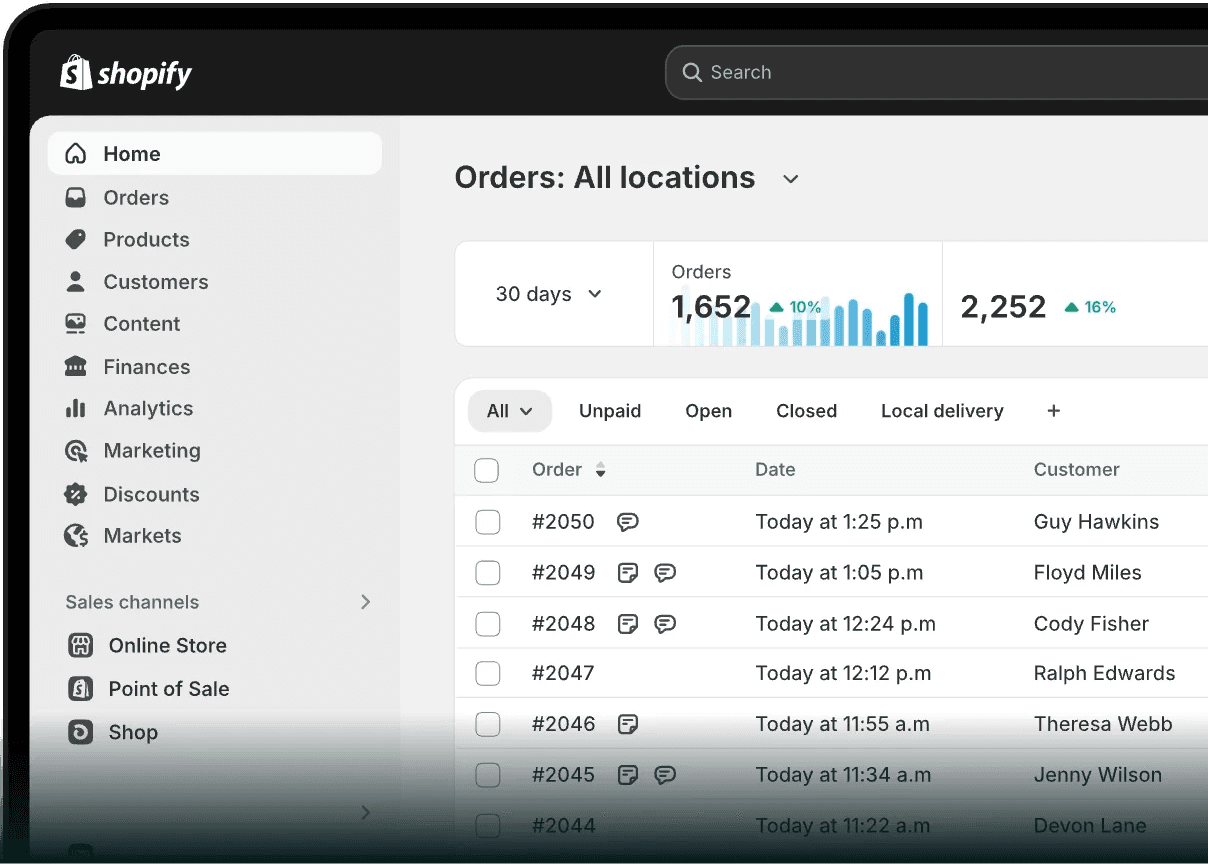
Step 1: Understand Pet Accessories Dropshipping

Before you sell, you need to understand what makes the pet niche different. There are specific rules, sometimes bulky products to ship, and a very demanding customer base. Without these fundamentals, building a profitable business is difficult.
How does dropshipping pet accessories work?
With dropshipping pet accessories, you sell products without holding inventory. When a customer places an order, it is sent directly to your supplier, who ships the item to the end customer. You manage the store, marketing, and customer support—without handling logistics yourself.
In the pet niche, pay close attention to these constraints:
Weight and size: beds, crates, furnitures, or food containers often increase shipping costs
Regulations: pet food, supplements, and veterinary products are strictly regulated depending on the country
Plan for these factors before launching.
Why start a pet accessories business?
The US pet market exceeded $147 billion in 2023, according to the American Pet Products Association. Nearly 7 out of 10 households own a pet. This leads to:
strong brand loyalty
repeat purchases
highly emotional buying decisions
Eco-friendly products, personalized accessories, and pet wellness items are growing the fastest. Dropshipping pet accessories can be very profitable if you understand the niche-specific constraints from day one.
Step 2: Define Your Niche and Target Audience in the Pet Category

Selling to everyone doesn’t work. In the pet niche, just like electronics, the more focused you are, the higher your conversion rate. Choose a clear sub-niche and deeply understand pet owners’ expectations.
Choose a hyper-focused niche
To succeed with pet accessories dropshipping, avoid selling everything for every animal. A targeted offer attracts a more engaged audience and positions you as a specialist.
High-performing niche examples include:
Sustainable grooming accessories for long-haired dogs
Urban dog clothing designed for winter walks
Natural supplements for senior or sensitive cats
By narrowing your focus, you:
reduce direct competition
address a real, specific need
build a strong expert brand image
Be careful with regulated categories. Products like pet food, CBD, or veterinary care require strict compliance depending on the country. Only enter these niches if you fully understand the legal requirements.
Identify your target audience
Your customers are pet owners, not pets. Without a clear audience, your store will struggle to generate sales.
Segment your audience based on:
Type of pet: dog vs. cat (active dog collars, indoor cat furniture, etc.)
Budget level: affordable accessories vs. premium products
Geographic market: France, Europe, or the United States (different expectations and purchasing power)
Validate demand using Google Trends by comparing interest across countries and seasons. Search terms like “designer dog leash” or “eco-friendly cat toy” help confirm whether demand is stable or growing.
On Reddit, explore communities like r/dogs or r/cats to find real owner questions, recommended products, and unmet needs.
On TikTok, search niche hashtags such as #dogaccessories or #catproducts. Viral videos reveal trending products and winning content formats.
Use Minea to confirm your niche
To confirm profitability, rely on Minea, a data-driven platform built to help dropshippers make decisions based on real performance, not guesswork.
With Minea, you access:
AI Magic Search: enter a keyword (e.g., “dog toys”) to instantly see top-performing products and ads powered by AI
Ads Library: analyze thousands of high-engagement e-commerce ads on Facebook, TikTok, and Pinterest, with filters by date, country, format, and platform
Success Radar (Business plan): identify 100 fast-growing products using Shopify data, ad engagement, and trend signals, updated every 8 hours
Trending Shops: analyze fast-scaling Shopify stores, their visuals, strategies, and best-sellers
Minea helps you avoid launching a store without data. You see what works right now, before your competitors do
Step 1: Understand Pet Accessories Dropshipping

Before you sell, you need to understand what makes the pet niche different. There are specific rules, sometimes bulky products to ship, and a very demanding customer base. Without these fundamentals, building a profitable business is difficult.
How does dropshipping pet accessories work?
With dropshipping pet accessories, you sell products without holding inventory. When a customer places an order, it is sent directly to your supplier, who ships the item to the end customer. You manage the store, marketing, and customer support—without handling logistics yourself.
In the pet niche, pay close attention to these constraints:
Weight and size: beds, crates, furnitures, or food containers often increase shipping costs
Regulations: pet food, supplements, and veterinary products are strictly regulated depending on the country
Plan for these factors before launching.
Why start a pet accessories business?
The US pet market exceeded $147 billion in 2023, according to the American Pet Products Association. Nearly 7 out of 10 households own a pet. This leads to:
strong brand loyalty
repeat purchases
highly emotional buying decisions
Eco-friendly products, personalized accessories, and pet wellness items are growing the fastest. Dropshipping pet accessories can be very profitable if you understand the niche-specific constraints from day one.
Step 2: Define Your Niche and Target Audience in the Pet Category

Selling to everyone doesn’t work. In the pet niche, just like electronics, the more focused you are, the higher your conversion rate. Choose a clear sub-niche and deeply understand pet owners’ expectations.
Choose a hyper-focused niche
To succeed with pet accessories dropshipping, avoid selling everything for every animal. A targeted offer attracts a more engaged audience and positions you as a specialist.
High-performing niche examples include:
Sustainable grooming accessories for long-haired dogs
Urban dog clothing designed for winter walks
Natural supplements for senior or sensitive cats
By narrowing your focus, you:
reduce direct competition
address a real, specific need
build a strong expert brand image
Be careful with regulated categories. Products like pet food, CBD, or veterinary care require strict compliance depending on the country. Only enter these niches if you fully understand the legal requirements.
Identify your target audience
Your customers are pet owners, not pets. Without a clear audience, your store will struggle to generate sales.
Segment your audience based on:
Type of pet: dog vs. cat (active dog collars, indoor cat furniture, etc.)
Budget level: affordable accessories vs. premium products
Geographic market: France, Europe, or the United States (different expectations and purchasing power)
Validate demand using Google Trends by comparing interest across countries and seasons. Search terms like “designer dog leash” or “eco-friendly cat toy” help confirm whether demand is stable or growing.
On Reddit, explore communities like r/dogs or r/cats to find real owner questions, recommended products, and unmet needs.
On TikTok, search niche hashtags such as #dogaccessories or #catproducts. Viral videos reveal trending products and winning content formats.
Use Minea to confirm your niche
To confirm profitability, rely on Minea, a data-driven platform built to help dropshippers make decisions based on real performance, not guesswork.
With Minea, you access:
AI Magic Search: enter a keyword (e.g., “dog toys”) to instantly see top-performing products and ads powered by AI
Ads Library: analyze thousands of high-engagement e-commerce ads on Facebook, TikTok, and Pinterest, with filters by date, country, format, and platform
Success Radar (Business plan): identify 100 fast-growing products using Shopify data, ad engagement, and trend signals, updated every 8 hours
Trending Shops: analyze fast-scaling Shopify stores, their visuals, strategies, and best-sellers
Minea helps you avoid launching a store without data. You see what works right now, before your competitors do
Minea
Top 100 des produits les plus performants ce mois-ci
Détectés en temps réel par notre IA à partir de signaux de marché : ventes réelles, statistiques publicitaires et performances

Minea
Top 100 des produits les plus performants ce mois-ci
Détectés en temps réel par notre IA à partir de signaux de marché : ventes réelles, statistiques publicitaires et performances

Minea
Top 100 des produits les plus performants ce mois-ci
Détectés en temps réel par notre IA à partir de signaux de marché : ventes réelles, statistiques publicitaires et performances

Minea
Top 100 des produits les plus performants ce mois-ci
Détectés en temps réel par notre IA à partir de signaux de marché : ventes réelles, statistiques publicitaires et performances

Minea
Top 100 des produits les plus performants ce mois-ci
Détectés en temps réel par notre IA à partir de signaux de marché : ventes réelles, statistiques publicitaires et performances

Minea
Top 100 des produits les plus performants ce mois-ci
Détectés en temps réel par notre IA à partir de signaux de marché : ventes réelles, statistiques publicitaires et performances


Create and test your Shopify store for only $1 per day during 90 days


Create and test your Shopify store for only $1 per day during 90 days


Create and test your Shopify store for only $1 per day during 90 days


Create and test your Shopify store for only $1 per day during 90 days


Create and test your Shopify store for only $1 per day during 90 days


Create and test your Shopify store for only $1 per day during 90 days

Step 3: Build a Professional Dropshipping Store for Pet Accessories

A clear niche isn’t enough. To convert visitors into buyers, your store must inspire trust from the very first second. Structure, visuals, and navigation all matter, especially when selling to pet owners.
Choose the right eCommerce platform
To launch a pet accessories dropshipping store, start with a solid platform built for dropshipping. The top options are:
Shopify: the easiest to use, with native dropshipping integrations
WooCommerce: more flexibility, ideal if you already run a WordPress site
BigCommerce: better suited for large volumes or complex catalogs
For higher performance, organize your store around buying habits. Don’t just categorize by product type (leashes, toys, treats). Group items by animal type (dogs, cats, small pets). Also create product bundles (toy + mat + treat) to increase average order value.
Optimize the store for trust and conversions
Your store must feel trustworthy on the first visit. This is even more important in the pet space, where customers prioritize safety and quality for their companions.
Make sure to add:
High-quality, real photos showing animals using the products
Accurate size guides for clothing, collars, and harnesses
A clear shipping policy with delivery times, especially for bulky items
A transparent return policy (some items like beds or worn clothing may be non-returnable for hygiene reasons)
Be transparent. Add an FAQ covering delivery times, materials, and return conditions. Strong customer support, a simple structure, and detailed product pages make a real difference.
Step 4: Manage Logistics, Payments, and Legal Requirements
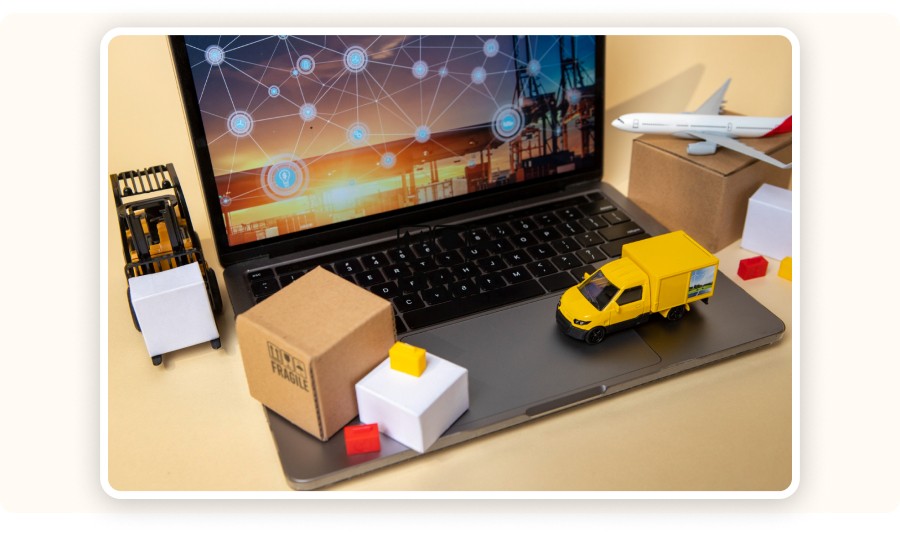
A great product won’t sell if shipping is slow or legal rules are ignored. To avoid disputes and ensure a smooth customer experience, secure your logistics from day one.
Automate order processing
To save time and reduce errors, connect your store to suppliers using apps like DSers, Dropified, or Syncee. These tools automate:
Order syncing between your store and suppliers
Customer notifications (order confirmation, tracking updates)
Inventory updates to prevent overselling
Automation means fewer manual tasks, better tracking, and a smoother customer experience. You focus on sales, not logistics.
Define shipping and return policies
Pet accessories vary widely in size and weight, so adapt your policies accordingly. Calculate shipping costs by destination: a dog house shipped to the US doesn’t cost the same as a collar shipped within Europe. For lightweight products (toys, clothing), offer fast or express shipping when possible.
For returns, note that food items or hygiene products are usually non-refundable. Clothing and accessories may be returned if unused and sealed.
State all conditions clearly on your site, this builds trust and reduces disputes.
Comply with pet product regulations
Some products require specific approvals. Supplements and wellness items must comply with FDA rules in the US or EFSA regulations in the EU. Importing pet food or care products can be blocked at customs without proper documentation.
If you sell items labeled “eco-friendly” or “natural,” always request certificates from your supplier.
Compliance protects your business and prevents legal issues.
Step 5: Set Prices and Position Your Offer

If your prices don’t match perceived value, you won’t sell. Clear, consistent pricing is often the difference between an abandoned cart and a completed order.
Calculate your selling price
To stay profitable, whether you sell pet accessories or other products like handbags or baby items, price correctly using this formula:
Selling price = product cost + shipping fees + platform fees + desired net margin
Include any custom packaging costs if you want to strengthen your brand image.
Adjust pricing by market:
United States: free shipping is almost expected, build it into the final price
Europe: include VAT, customs fees, and local regulations
Your goal is to stay competitive while protecting your margins.
Highlight value for pet owners
Your price must reflect perceived value. Example:
“Our ergonomic harness is vet-approved and ships within 48 hours in France.”
Focus on benefits:
For the pet: comfort, safety, well-being
For the owner: peace of mind, time savings, a simple solution
This positioning justifies your price, especially for premium products
Step 3: Build a Professional Dropshipping Store for Pet Accessories

A clear niche isn’t enough. To convert visitors into buyers, your store must inspire trust from the very first second. Structure, visuals, and navigation all matter, especially when selling to pet owners.
Choose the right eCommerce platform
To launch a pet accessories dropshipping store, start with a solid platform built for dropshipping. The top options are:
Shopify: the easiest to use, with native dropshipping integrations
WooCommerce: more flexibility, ideal if you already run a WordPress site
BigCommerce: better suited for large volumes or complex catalogs
For higher performance, organize your store around buying habits. Don’t just categorize by product type (leashes, toys, treats). Group items by animal type (dogs, cats, small pets). Also create product bundles (toy + mat + treat) to increase average order value.
Optimize the store for trust and conversions
Your store must feel trustworthy on the first visit. This is even more important in the pet space, where customers prioritize safety and quality for their companions.
Make sure to add:
High-quality, real photos showing animals using the products
Accurate size guides for clothing, collars, and harnesses
A clear shipping policy with delivery times, especially for bulky items
A transparent return policy (some items like beds or worn clothing may be non-returnable for hygiene reasons)
Be transparent. Add an FAQ covering delivery times, materials, and return conditions. Strong customer support, a simple structure, and detailed product pages make a real difference.
Step 4: Manage Logistics, Payments, and Legal Requirements

A great product won’t sell if shipping is slow or legal rules are ignored. To avoid disputes and ensure a smooth customer experience, secure your logistics from day one.
Automate order processing
To save time and reduce errors, connect your store to suppliers using apps like DSers, Dropified, or Syncee. These tools automate:
Order syncing between your store and suppliers
Customer notifications (order confirmation, tracking updates)
Inventory updates to prevent overselling
Automation means fewer manual tasks, better tracking, and a smoother customer experience. You focus on sales, not logistics.
Define shipping and return policies
Pet accessories vary widely in size and weight, so adapt your policies accordingly. Calculate shipping costs by destination: a dog house shipped to the US doesn’t cost the same as a collar shipped within Europe. For lightweight products (toys, clothing), offer fast or express shipping when possible.
For returns, note that food items or hygiene products are usually non-refundable. Clothing and accessories may be returned if unused and sealed.
State all conditions clearly on your site, this builds trust and reduces disputes.
Comply with pet product regulations
Some products require specific approvals. Supplements and wellness items must comply with FDA rules in the US or EFSA regulations in the EU. Importing pet food or care products can be blocked at customs without proper documentation.
If you sell items labeled “eco-friendly” or “natural,” always request certificates from your supplier.
Compliance protects your business and prevents legal issues.
Step 5: Set Prices and Position Your Offer

If your prices don’t match perceived value, you won’t sell. Clear, consistent pricing is often the difference between an abandoned cart and a completed order.
Calculate your selling price
To stay profitable, whether you sell pet accessories or other products like handbags or baby items, price correctly using this formula:
Selling price = product cost + shipping fees + platform fees + desired net margin
Include any custom packaging costs if you want to strengthen your brand image.
Adjust pricing by market:
United States: free shipping is almost expected, build it into the final price
Europe: include VAT, customs fees, and local regulations
Your goal is to stay competitive while protecting your margins.
Highlight value for pet owners
Your price must reflect perceived value. Example:
“Our ergonomic harness is vet-approved and ships within 48 hours in France.”
Focus on benefits:
For the pet: comfort, safety, well-being
For the owner: peace of mind, time savings, a simple solution
This positioning justifies your price, especially for premium products
Step 3: Build a Professional Dropshipping Store for Pet Accessories

A clear niche isn’t enough. To convert visitors into buyers, your store must inspire trust from the very first second. Structure, visuals, and navigation all matter, especially when selling to pet owners.
Choose the right eCommerce platform
To launch a pet accessories dropshipping store, start with a solid platform built for dropshipping. The top options are:
Shopify: the easiest to use, with native dropshipping integrations
WooCommerce: more flexibility, ideal if you already run a WordPress site
BigCommerce: better suited for large volumes or complex catalogs
For higher performance, organize your store around buying habits. Don’t just categorize by product type (leashes, toys, treats). Group items by animal type (dogs, cats, small pets). Also create product bundles (toy + mat + treat) to increase average order value.
Optimize the store for trust and conversions
Your store must feel trustworthy on the first visit. This is even more important in the pet space, where customers prioritize safety and quality for their companions.
Make sure to add:
High-quality, real photos showing animals using the products
Accurate size guides for clothing, collars, and harnesses
A clear shipping policy with delivery times, especially for bulky items
A transparent return policy (some items like beds or worn clothing may be non-returnable for hygiene reasons)
Be transparent. Add an FAQ covering delivery times, materials, and return conditions. Strong customer support, a simple structure, and detailed product pages make a real difference.
Step 4: Manage Logistics, Payments, and Legal Requirements

A great product won’t sell if shipping is slow or legal rules are ignored. To avoid disputes and ensure a smooth customer experience, secure your logistics from day one.
Automate order processing
To save time and reduce errors, connect your store to suppliers using apps like DSers, Dropified, or Syncee. These tools automate:
Order syncing between your store and suppliers
Customer notifications (order confirmation, tracking updates)
Inventory updates to prevent overselling
Automation means fewer manual tasks, better tracking, and a smoother customer experience. You focus on sales, not logistics.
Define shipping and return policies
Pet accessories vary widely in size and weight, so adapt your policies accordingly. Calculate shipping costs by destination: a dog house shipped to the US doesn’t cost the same as a collar shipped within Europe. For lightweight products (toys, clothing), offer fast or express shipping when possible.
For returns, note that food items or hygiene products are usually non-refundable. Clothing and accessories may be returned if unused and sealed.
State all conditions clearly on your site, this builds trust and reduces disputes.
Comply with pet product regulations
Some products require specific approvals. Supplements and wellness items must comply with FDA rules in the US or EFSA regulations in the EU. Importing pet food or care products can be blocked at customs without proper documentation.
If you sell items labeled “eco-friendly” or “natural,” always request certificates from your supplier.
Compliance protects your business and prevents legal issues.
Step 5: Set Prices and Position Your Offer

If your prices don’t match perceived value, you won’t sell. Clear, consistent pricing is often the difference between an abandoned cart and a completed order.
Calculate your selling price
To stay profitable, whether you sell pet accessories or other products like handbags or baby items, price correctly using this formula:
Selling price = product cost + shipping fees + platform fees + desired net margin
Include any custom packaging costs if you want to strengthen your brand image.
Adjust pricing by market:
United States: free shipping is almost expected, build it into the final price
Europe: include VAT, customs fees, and local regulations
Your goal is to stay competitive while protecting your margins.
Highlight value for pet owners
Your price must reflect perceived value. Example:
“Our ergonomic harness is vet-approved and ships within 48 hours in France.”
Focus on benefits:
For the pet: comfort, safety, well-being
For the owner: peace of mind, time savings, a simple solution
This positioning justifies your price, especially for premium products
Step 3: Build a Professional Dropshipping Store for Pet Accessories

A clear niche isn’t enough. To convert visitors into buyers, your store must inspire trust from the very first second. Structure, visuals, and navigation all matter, especially when selling to pet owners.
Choose the right eCommerce platform
To launch a pet accessories dropshipping store, start with a solid platform built for dropshipping. The top options are:
Shopify: the easiest to use, with native dropshipping integrations
WooCommerce: more flexibility, ideal if you already run a WordPress site
BigCommerce: better suited for large volumes or complex catalogs
For higher performance, organize your store around buying habits. Don’t just categorize by product type (leashes, toys, treats). Group items by animal type (dogs, cats, small pets). Also create product bundles (toy + mat + treat) to increase average order value.
Optimize the store for trust and conversions
Your store must feel trustworthy on the first visit. This is even more important in the pet space, where customers prioritize safety and quality for their companions.
Make sure to add:
High-quality, real photos showing animals using the products
Accurate size guides for clothing, collars, and harnesses
A clear shipping policy with delivery times, especially for bulky items
A transparent return policy (some items like beds or worn clothing may be non-returnable for hygiene reasons)
Be transparent. Add an FAQ covering delivery times, materials, and return conditions. Strong customer support, a simple structure, and detailed product pages make a real difference.
Step 4: Manage Logistics, Payments, and Legal Requirements

A great product won’t sell if shipping is slow or legal rules are ignored. To avoid disputes and ensure a smooth customer experience, secure your logistics from day one.
Automate order processing
To save time and reduce errors, connect your store to suppliers using apps like DSers, Dropified, or Syncee. These tools automate:
Order syncing between your store and suppliers
Customer notifications (order confirmation, tracking updates)
Inventory updates to prevent overselling
Automation means fewer manual tasks, better tracking, and a smoother customer experience. You focus on sales, not logistics.
Define shipping and return policies
Pet accessories vary widely in size and weight, so adapt your policies accordingly. Calculate shipping costs by destination: a dog house shipped to the US doesn’t cost the same as a collar shipped within Europe. For lightweight products (toys, clothing), offer fast or express shipping when possible.
For returns, note that food items or hygiene products are usually non-refundable. Clothing and accessories may be returned if unused and sealed.
State all conditions clearly on your site, this builds trust and reduces disputes.
Comply with pet product regulations
Some products require specific approvals. Supplements and wellness items must comply with FDA rules in the US or EFSA regulations in the EU. Importing pet food or care products can be blocked at customs without proper documentation.
If you sell items labeled “eco-friendly” or “natural,” always request certificates from your supplier.
Compliance protects your business and prevents legal issues.
Step 5: Set Prices and Position Your Offer

If your prices don’t match perceived value, you won’t sell. Clear, consistent pricing is often the difference between an abandoned cart and a completed order.
Calculate your selling price
To stay profitable, whether you sell pet accessories or other products like handbags or baby items, price correctly using this formula:
Selling price = product cost + shipping fees + platform fees + desired net margin
Include any custom packaging costs if you want to strengthen your brand image.
Adjust pricing by market:
United States: free shipping is almost expected, build it into the final price
Europe: include VAT, customs fees, and local regulations
Your goal is to stay competitive while protecting your margins.
Highlight value for pet owners
Your price must reflect perceived value. Example:
“Our ergonomic harness is vet-approved and ships within 48 hours in France.”
Focus on benefits:
For the pet: comfort, safety, well-being
For the owner: peace of mind, time savings, a simple solution
This positioning justifies your price, especially for premium products
Step 3: Build a Professional Dropshipping Store for Pet Accessories

A clear niche isn’t enough. To convert visitors into buyers, your store must inspire trust from the very first second. Structure, visuals, and navigation all matter, especially when selling to pet owners.
Choose the right eCommerce platform
To launch a pet accessories dropshipping store, start with a solid platform built for dropshipping. The top options are:
Shopify: the easiest to use, with native dropshipping integrations
WooCommerce: more flexibility, ideal if you already run a WordPress site
BigCommerce: better suited for large volumes or complex catalogs
For higher performance, organize your store around buying habits. Don’t just categorize by product type (leashes, toys, treats). Group items by animal type (dogs, cats, small pets). Also create product bundles (toy + mat + treat) to increase average order value.
Optimize the store for trust and conversions
Your store must feel trustworthy on the first visit. This is even more important in the pet space, where customers prioritize safety and quality for their companions.
Make sure to add:
High-quality, real photos showing animals using the products
Accurate size guides for clothing, collars, and harnesses
A clear shipping policy with delivery times, especially for bulky items
A transparent return policy (some items like beds or worn clothing may be non-returnable for hygiene reasons)
Be transparent. Add an FAQ covering delivery times, materials, and return conditions. Strong customer support, a simple structure, and detailed product pages make a real difference.
Step 4: Manage Logistics, Payments, and Legal Requirements

A great product won’t sell if shipping is slow or legal rules are ignored. To avoid disputes and ensure a smooth customer experience, secure your logistics from day one.
Automate order processing
To save time and reduce errors, connect your store to suppliers using apps like DSers, Dropified, or Syncee. These tools automate:
Order syncing between your store and suppliers
Customer notifications (order confirmation, tracking updates)
Inventory updates to prevent overselling
Automation means fewer manual tasks, better tracking, and a smoother customer experience. You focus on sales, not logistics.
Define shipping and return policies
Pet accessories vary widely in size and weight, so adapt your policies accordingly. Calculate shipping costs by destination: a dog house shipped to the US doesn’t cost the same as a collar shipped within Europe. For lightweight products (toys, clothing), offer fast or express shipping when possible.
For returns, note that food items or hygiene products are usually non-refundable. Clothing and accessories may be returned if unused and sealed.
State all conditions clearly on your site, this builds trust and reduces disputes.
Comply with pet product regulations
Some products require specific approvals. Supplements and wellness items must comply with FDA rules in the US or EFSA regulations in the EU. Importing pet food or care products can be blocked at customs without proper documentation.
If you sell items labeled “eco-friendly” or “natural,” always request certificates from your supplier.
Compliance protects your business and prevents legal issues.
Step 5: Set Prices and Position Your Offer

If your prices don’t match perceived value, you won’t sell. Clear, consistent pricing is often the difference between an abandoned cart and a completed order.
Calculate your selling price
To stay profitable, whether you sell pet accessories or other products like handbags or baby items, price correctly using this formula:
Selling price = product cost + shipping fees + platform fees + desired net margin
Include any custom packaging costs if you want to strengthen your brand image.
Adjust pricing by market:
United States: free shipping is almost expected, build it into the final price
Europe: include VAT, customs fees, and local regulations
Your goal is to stay competitive while protecting your margins.
Highlight value for pet owners
Your price must reflect perceived value. Example:
“Our ergonomic harness is vet-approved and ships within 48 hours in France.”
Focus on benefits:
For the pet: comfort, safety, well-being
For the owner: peace of mind, time savings, a simple solution
This positioning justifies your price, especially for premium products
Step 3: Build a Professional Dropshipping Store for Pet Accessories

A clear niche isn’t enough. To convert visitors into buyers, your store must inspire trust from the very first second. Structure, visuals, and navigation all matter, especially when selling to pet owners.
Choose the right eCommerce platform
To launch a pet accessories dropshipping store, start with a solid platform built for dropshipping. The top options are:
Shopify: the easiest to use, with native dropshipping integrations
WooCommerce: more flexibility, ideal if you already run a WordPress site
BigCommerce: better suited for large volumes or complex catalogs
For higher performance, organize your store around buying habits. Don’t just categorize by product type (leashes, toys, treats). Group items by animal type (dogs, cats, small pets). Also create product bundles (toy + mat + treat) to increase average order value.
Optimize the store for trust and conversions
Your store must feel trustworthy on the first visit. This is even more important in the pet space, where customers prioritize safety and quality for their companions.
Make sure to add:
High-quality, real photos showing animals using the products
Accurate size guides for clothing, collars, and harnesses
A clear shipping policy with delivery times, especially for bulky items
A transparent return policy (some items like beds or worn clothing may be non-returnable for hygiene reasons)
Be transparent. Add an FAQ covering delivery times, materials, and return conditions. Strong customer support, a simple structure, and detailed product pages make a real difference.
Step 4: Manage Logistics, Payments, and Legal Requirements

A great product won’t sell if shipping is slow or legal rules are ignored. To avoid disputes and ensure a smooth customer experience, secure your logistics from day one.
Automate order processing
To save time and reduce errors, connect your store to suppliers using apps like DSers, Dropified, or Syncee. These tools automate:
Order syncing between your store and suppliers
Customer notifications (order confirmation, tracking updates)
Inventory updates to prevent overselling
Automation means fewer manual tasks, better tracking, and a smoother customer experience. You focus on sales, not logistics.
Define shipping and return policies
Pet accessories vary widely in size and weight, so adapt your policies accordingly. Calculate shipping costs by destination: a dog house shipped to the US doesn’t cost the same as a collar shipped within Europe. For lightweight products (toys, clothing), offer fast or express shipping when possible.
For returns, note that food items or hygiene products are usually non-refundable. Clothing and accessories may be returned if unused and sealed.
State all conditions clearly on your site, this builds trust and reduces disputes.
Comply with pet product regulations
Some products require specific approvals. Supplements and wellness items must comply with FDA rules in the US or EFSA regulations in the EU. Importing pet food or care products can be blocked at customs without proper documentation.
If you sell items labeled “eco-friendly” or “natural,” always request certificates from your supplier.
Compliance protects your business and prevents legal issues.
Step 5: Set Prices and Position Your Offer

If your prices don’t match perceived value, you won’t sell. Clear, consistent pricing is often the difference between an abandoned cart and a completed order.
Calculate your selling price
To stay profitable, whether you sell pet accessories or other products like handbags or baby items, price correctly using this formula:
Selling price = product cost + shipping fees + platform fees + desired net margin
Include any custom packaging costs if you want to strengthen your brand image.
Adjust pricing by market:
United States: free shipping is almost expected, build it into the final price
Europe: include VAT, customs fees, and local regulations
Your goal is to stay competitive while protecting your margins.
Highlight value for pet owners
Your price must reflect perceived value. Example:
“Our ergonomic harness is vet-approved and ships within 48 hours in France.”
Focus on benefits:
For the pet: comfort, safety, well-being
For the owner: peace of mind, time savings, a simple solution
This positioning justifies your price, especially for premium products
Step 6: Prepare an Effective Launch

A great product won’t sell if the launch is weak. To maximize your chances from day one, every detail must be ready: checkout flow, product pages, emails, and seasonality.
Pre-launch checklist
Before opening your store, test everything. Place a full test order from your local market and internationally to check pricing, shipping fees, delivery times, and notifications. Review every product page. Make sure there are no typos, no missing images, and that everything displays perfectly on mobile.
Also, set up your automated emails to:
confirm each customer order
send the tracking link
request a review after delivery
Your checkout flow must feel smooth, reassuring, and error-free. A bad first impression almost always means a lost sale.
Align with seasonality in the pet market
The pet industry follows a clear seasonal rhythm. Adapt your store accordingly:
January: wellness products, health-focused items after the holidays
Halloween: costumes and fun accessories
Christmas: toys, personalized collars, gift bundles
Plan your content and promotions around these moments. Use Google Trends to spot demand spikes. This helps you sell the right product at the right time and maximize revenue.
Step 7: Optimize and Scale Your Pet Dropshipping Business

Launching a store is one thing. Optimizing it to last is another. Track performance and expand strategically to turn a side project into a real business.
Track store performance
Once your store is live, optimize continuously. Use tools like GA4, Meta Pixel, or Shopify Analytics to understand what works and what doesn’t.
Focus on:
conversion rate (visits → purchases)
cart abandonment rate (often linked to shipping or pricing)
bounce rate on product pages (poor visuals? missing info?)
These metrics reveal friction points and growth opportunities. A profitable store is a well-monitored store.
Expand your catalog strategically
Once you validate your first sales, expand your offer with intent. Start within the same category. For example, if you sell collars, add leashes, then matching harnesses, or even smart harnesses paired with safety accessories.
Add smart upsells:
treat pouches
personalized engraved tags
You can also test new markets. If sales perform well locally, explore Europe, the UK, or Canada, just double-check shipping costs and delivery times.
The goal is simple: increase average order value, reach new customers, and scale without complicating logistics.
Step 6: Prepare an Effective Launch

A great product won’t sell if the launch is weak. To maximize your chances from day one, every detail must be ready: checkout flow, product pages, emails, and seasonality.
Pre-launch checklist
Before opening your store, test everything. Place a full test order from your local market and internationally to check pricing, shipping fees, delivery times, and notifications. Review every product page. Make sure there are no typos, no missing images, and that everything displays perfectly on mobile.
Also, set up your automated emails to:
confirm each customer order
send the tracking link
request a review after delivery
Your checkout flow must feel smooth, reassuring, and error-free. A bad first impression almost always means a lost sale.
Align with seasonality in the pet market
The pet industry follows a clear seasonal rhythm. Adapt your store accordingly:
January: wellness products, health-focused items after the holidays
Halloween: costumes and fun accessories
Christmas: toys, personalized collars, gift bundles
Plan your content and promotions around these moments. Use Google Trends to spot demand spikes. This helps you sell the right product at the right time and maximize revenue.
Step 7: Optimize and Scale Your Pet Dropshipping Business

Launching a store is one thing. Optimizing it to last is another. Track performance and expand strategically to turn a side project into a real business.
Track store performance
Once your store is live, optimize continuously. Use tools like GA4, Meta Pixel, or Shopify Analytics to understand what works and what doesn’t.
Focus on:
conversion rate (visits → purchases)
cart abandonment rate (often linked to shipping or pricing)
bounce rate on product pages (poor visuals? missing info?)
These metrics reveal friction points and growth opportunities. A profitable store is a well-monitored store.
Expand your catalog strategically
Once you validate your first sales, expand your offer with intent. Start within the same category. For example, if you sell collars, add leashes, then matching harnesses, or even smart harnesses paired with safety accessories.
Add smart upsells:
treat pouches
personalized engraved tags
You can also test new markets. If sales perform well locally, explore Europe, the UK, or Canada, just double-check shipping costs and delivery times.
The goal is simple: increase average order value, reach new customers, and scale without complicating logistics.
Step 6: Prepare an Effective Launch

A great product won’t sell if the launch is weak. To maximize your chances from day one, every detail must be ready: checkout flow, product pages, emails, and seasonality.
Pre-launch checklist
Before opening your store, test everything. Place a full test order from your local market and internationally to check pricing, shipping fees, delivery times, and notifications. Review every product page. Make sure there are no typos, no missing images, and that everything displays perfectly on mobile.
Also, set up your automated emails to:
confirm each customer order
send the tracking link
request a review after delivery
Your checkout flow must feel smooth, reassuring, and error-free. A bad first impression almost always means a lost sale.
Align with seasonality in the pet market
The pet industry follows a clear seasonal rhythm. Adapt your store accordingly:
January: wellness products, health-focused items after the holidays
Halloween: costumes and fun accessories
Christmas: toys, personalized collars, gift bundles
Plan your content and promotions around these moments. Use Google Trends to spot demand spikes. This helps you sell the right product at the right time and maximize revenue.
Step 7: Optimize and Scale Your Pet Dropshipping Business

Launching a store is one thing. Optimizing it to last is another. Track performance and expand strategically to turn a side project into a real business.
Track store performance
Once your store is live, optimize continuously. Use tools like GA4, Meta Pixel, or Shopify Analytics to understand what works and what doesn’t.
Focus on:
conversion rate (visits → purchases)
cart abandonment rate (often linked to shipping or pricing)
bounce rate on product pages (poor visuals? missing info?)
These metrics reveal friction points and growth opportunities. A profitable store is a well-monitored store.
Expand your catalog strategically
Once you validate your first sales, expand your offer with intent. Start within the same category. For example, if you sell collars, add leashes, then matching harnesses, or even smart harnesses paired with safety accessories.
Add smart upsells:
treat pouches
personalized engraved tags
You can also test new markets. If sales perform well locally, explore Europe, the UK, or Canada, just double-check shipping costs and delivery times.
The goal is simple: increase average order value, reach new customers, and scale without complicating logistics.
Step 6: Prepare an Effective Launch

A great product won’t sell if the launch is weak. To maximize your chances from day one, every detail must be ready: checkout flow, product pages, emails, and seasonality.
Pre-launch checklist
Before opening your store, test everything. Place a full test order from your local market and internationally to check pricing, shipping fees, delivery times, and notifications. Review every product page. Make sure there are no typos, no missing images, and that everything displays perfectly on mobile.
Also, set up your automated emails to:
confirm each customer order
send the tracking link
request a review after delivery
Your checkout flow must feel smooth, reassuring, and error-free. A bad first impression almost always means a lost sale.
Align with seasonality in the pet market
The pet industry follows a clear seasonal rhythm. Adapt your store accordingly:
January: wellness products, health-focused items after the holidays
Halloween: costumes and fun accessories
Christmas: toys, personalized collars, gift bundles
Plan your content and promotions around these moments. Use Google Trends to spot demand spikes. This helps you sell the right product at the right time and maximize revenue.
Step 7: Optimize and Scale Your Pet Dropshipping Business

Launching a store is one thing. Optimizing it to last is another. Track performance and expand strategically to turn a side project into a real business.
Track store performance
Once your store is live, optimize continuously. Use tools like GA4, Meta Pixel, or Shopify Analytics to understand what works and what doesn’t.
Focus on:
conversion rate (visits → purchases)
cart abandonment rate (often linked to shipping or pricing)
bounce rate on product pages (poor visuals? missing info?)
These metrics reveal friction points and growth opportunities. A profitable store is a well-monitored store.
Expand your catalog strategically
Once you validate your first sales, expand your offer with intent. Start within the same category. For example, if you sell collars, add leashes, then matching harnesses, or even smart harnesses paired with safety accessories.
Add smart upsells:
treat pouches
personalized engraved tags
You can also test new markets. If sales perform well locally, explore Europe, the UK, or Canada, just double-check shipping costs and delivery times.
The goal is simple: increase average order value, reach new customers, and scale without complicating logistics.
Step 6: Prepare an Effective Launch

A great product won’t sell if the launch is weak. To maximize your chances from day one, every detail must be ready: checkout flow, product pages, emails, and seasonality.
Pre-launch checklist
Before opening your store, test everything. Place a full test order from your local market and internationally to check pricing, shipping fees, delivery times, and notifications. Review every product page. Make sure there are no typos, no missing images, and that everything displays perfectly on mobile.
Also, set up your automated emails to:
confirm each customer order
send the tracking link
request a review after delivery
Your checkout flow must feel smooth, reassuring, and error-free. A bad first impression almost always means a lost sale.
Align with seasonality in the pet market
The pet industry follows a clear seasonal rhythm. Adapt your store accordingly:
January: wellness products, health-focused items after the holidays
Halloween: costumes and fun accessories
Christmas: toys, personalized collars, gift bundles
Plan your content and promotions around these moments. Use Google Trends to spot demand spikes. This helps you sell the right product at the right time and maximize revenue.
Step 7: Optimize and Scale Your Pet Dropshipping Business

Launching a store is one thing. Optimizing it to last is another. Track performance and expand strategically to turn a side project into a real business.
Track store performance
Once your store is live, optimize continuously. Use tools like GA4, Meta Pixel, or Shopify Analytics to understand what works and what doesn’t.
Focus on:
conversion rate (visits → purchases)
cart abandonment rate (often linked to shipping or pricing)
bounce rate on product pages (poor visuals? missing info?)
These metrics reveal friction points and growth opportunities. A profitable store is a well-monitored store.
Expand your catalog strategically
Once you validate your first sales, expand your offer with intent. Start within the same category. For example, if you sell collars, add leashes, then matching harnesses, or even smart harnesses paired with safety accessories.
Add smart upsells:
treat pouches
personalized engraved tags
You can also test new markets. If sales perform well locally, explore Europe, the UK, or Canada, just double-check shipping costs and delivery times.
The goal is simple: increase average order value, reach new customers, and scale without complicating logistics.
Step 6: Prepare an Effective Launch

A great product won’t sell if the launch is weak. To maximize your chances from day one, every detail must be ready: checkout flow, product pages, emails, and seasonality.
Pre-launch checklist
Before opening your store, test everything. Place a full test order from your local market and internationally to check pricing, shipping fees, delivery times, and notifications. Review every product page. Make sure there are no typos, no missing images, and that everything displays perfectly on mobile.
Also, set up your automated emails to:
confirm each customer order
send the tracking link
request a review after delivery
Your checkout flow must feel smooth, reassuring, and error-free. A bad first impression almost always means a lost sale.
Align with seasonality in the pet market
The pet industry follows a clear seasonal rhythm. Adapt your store accordingly:
January: wellness products, health-focused items after the holidays
Halloween: costumes and fun accessories
Christmas: toys, personalized collars, gift bundles
Plan your content and promotions around these moments. Use Google Trends to spot demand spikes. This helps you sell the right product at the right time and maximize revenue.
Step 7: Optimize and Scale Your Pet Dropshipping Business

Launching a store is one thing. Optimizing it to last is another. Track performance and expand strategically to turn a side project into a real business.
Track store performance
Once your store is live, optimize continuously. Use tools like GA4, Meta Pixel, or Shopify Analytics to understand what works and what doesn’t.
Focus on:
conversion rate (visits → purchases)
cart abandonment rate (often linked to shipping or pricing)
bounce rate on product pages (poor visuals? missing info?)
These metrics reveal friction points and growth opportunities. A profitable store is a well-monitored store.
Expand your catalog strategically
Once you validate your first sales, expand your offer with intent. Start within the same category. For example, if you sell collars, add leashes, then matching harnesses, or even smart harnesses paired with safety accessories.
Add smart upsells:
treat pouches
personalized engraved tags
You can also test new markets. If sales perform well locally, explore Europe, the UK, or Canada, just double-check shipping costs and delivery times.
The goal is simple: increase average order value, reach new customers, and scale without complicating logistics.
Minea
Reach $1,000 per day or get your money back

Minea
Reach $1,000 per day or get your money back

Minea
Reach $1,000 per day or get your money back

Minea
Reach $1,000 per day or get your money back

Minea
Reach $1,000 per day or get your money back

Minea
Reach $1,000 per day or get your money back

Conclusion
To succeed with pet accessories dropshipping, choose a clear niche that matches real pet owner needs. Build a store designed to reassure and convert. Set up reliable logistics, respect regulations, and price your products strategically to protect margins.
This market has strong potential, as long as you stay consistent, structured, and focused on customer value from the very beginning.
FAQ
What pet accessories sell best in dropshipping?
The best dropshipping pet accessories are lightweight, practical, and emotional purchases. Popular examples include harnesses, grooming tools, interactive toys, travel accessories, and personalized pet products.
Is pet accessories dropshipping profitable?
Yes. Pet accessories dropshipping is highly profitable because pet owners buy repeatedly, value quality, and respond well to new products. Strong branding and smart pricing can deliver healthy margins.
Do I need certifications to dropship pet accessories?
Most accessories like leashes, toys, or beds don’t require certifications. However, supplements, grooming products, or wellness items may need FDA or local compliance depending on the market.
Which platform is best to start a pet accessories dropshipping store?
Shopify is the most beginner-friendly option, while WooCommerce offers more flexibility. Both work well with dropshipping tools and pet product suppliers.
Conclusion
To succeed with pet accessories dropshipping, choose a clear niche that matches real pet owner needs. Build a store designed to reassure and convert. Set up reliable logistics, respect regulations, and price your products strategically to protect margins.
This market has strong potential, as long as you stay consistent, structured, and focused on customer value from the very beginning.
FAQ
What pet accessories sell best in dropshipping?
The best dropshipping pet accessories are lightweight, practical, and emotional purchases. Popular examples include harnesses, grooming tools, interactive toys, travel accessories, and personalized pet products.
Is pet accessories dropshipping profitable?
Yes. Pet accessories dropshipping is highly profitable because pet owners buy repeatedly, value quality, and respond well to new products. Strong branding and smart pricing can deliver healthy margins.
Do I need certifications to dropship pet accessories?
Most accessories like leashes, toys, or beds don’t require certifications. However, supplements, grooming products, or wellness items may need FDA or local compliance depending on the market.
Which platform is best to start a pet accessories dropshipping store?
Shopify is the most beginner-friendly option, while WooCommerce offers more flexibility. Both work well with dropshipping tools and pet product suppliers.
Conclusion
To succeed with pet accessories dropshipping, choose a clear niche that matches real pet owner needs. Build a store designed to reassure and convert. Set up reliable logistics, respect regulations, and price your products strategically to protect margins.
This market has strong potential, as long as you stay consistent, structured, and focused on customer value from the very beginning.
FAQ
What pet accessories sell best in dropshipping?
The best dropshipping pet accessories are lightweight, practical, and emotional purchases. Popular examples include harnesses, grooming tools, interactive toys, travel accessories, and personalized pet products.
Is pet accessories dropshipping profitable?
Yes. Pet accessories dropshipping is highly profitable because pet owners buy repeatedly, value quality, and respond well to new products. Strong branding and smart pricing can deliver healthy margins.
Do I need certifications to dropship pet accessories?
Most accessories like leashes, toys, or beds don’t require certifications. However, supplements, grooming products, or wellness items may need FDA or local compliance depending on the market.
Which platform is best to start a pet accessories dropshipping store?
Shopify is the most beginner-friendly option, while WooCommerce offers more flexibility. Both work well with dropshipping tools and pet product suppliers.
Conclusion
To succeed with pet accessories dropshipping, choose a clear niche that matches real pet owner needs. Build a store designed to reassure and convert. Set up reliable logistics, respect regulations, and price your products strategically to protect margins.
This market has strong potential, as long as you stay consistent, structured, and focused on customer value from the very beginning.
FAQ
What pet accessories sell best in dropshipping?
The best dropshipping pet accessories are lightweight, practical, and emotional purchases. Popular examples include harnesses, grooming tools, interactive toys, travel accessories, and personalized pet products.
Is pet accessories dropshipping profitable?
Yes. Pet accessories dropshipping is highly profitable because pet owners buy repeatedly, value quality, and respond well to new products. Strong branding and smart pricing can deliver healthy margins.
Do I need certifications to dropship pet accessories?
Most accessories like leashes, toys, or beds don’t require certifications. However, supplements, grooming products, or wellness items may need FDA or local compliance depending on the market.
Which platform is best to start a pet accessories dropshipping store?
Shopify is the most beginner-friendly option, while WooCommerce offers more flexibility. Both work well with dropshipping tools and pet product suppliers.
Conclusion
To succeed with pet accessories dropshipping, choose a clear niche that matches real pet owner needs. Build a store designed to reassure and convert. Set up reliable logistics, respect regulations, and price your products strategically to protect margins.
This market has strong potential, as long as you stay consistent, structured, and focused on customer value from the very beginning.
FAQ
What pet accessories sell best in dropshipping?
The best dropshipping pet accessories are lightweight, practical, and emotional purchases. Popular examples include harnesses, grooming tools, interactive toys, travel accessories, and personalized pet products.
Is pet accessories dropshipping profitable?
Yes. Pet accessories dropshipping is highly profitable because pet owners buy repeatedly, value quality, and respond well to new products. Strong branding and smart pricing can deliver healthy margins.
Do I need certifications to dropship pet accessories?
Most accessories like leashes, toys, or beds don’t require certifications. However, supplements, grooming products, or wellness items may need FDA or local compliance depending on the market.
Which platform is best to start a pet accessories dropshipping store?
Shopify is the most beginner-friendly option, while WooCommerce offers more flexibility. Both work well with dropshipping tools and pet product suppliers.
Conclusion
To succeed with pet accessories dropshipping, choose a clear niche that matches real pet owner needs. Build a store designed to reassure and convert. Set up reliable logistics, respect regulations, and price your products strategically to protect margins.
This market has strong potential, as long as you stay consistent, structured, and focused on customer value from the very beginning.
FAQ
What pet accessories sell best in dropshipping?
The best dropshipping pet accessories are lightweight, practical, and emotional purchases. Popular examples include harnesses, grooming tools, interactive toys, travel accessories, and personalized pet products.
Is pet accessories dropshipping profitable?
Yes. Pet accessories dropshipping is highly profitable because pet owners buy repeatedly, value quality, and respond well to new products. Strong branding and smart pricing can deliver healthy margins.
Do I need certifications to dropship pet accessories?
Most accessories like leashes, toys, or beds don’t require certifications. However, supplements, grooming products, or wellness items may need FDA or local compliance depending on the market.
Which platform is best to start a pet accessories dropshipping store?
Shopify is the most beginner-friendly option, while WooCommerce offers more flexibility. Both work well with dropshipping tools and pet product suppliers.
Similar articles















Our Free Adspys


Our Free Adspys


Our Free Adspys

Find out more
Read more
Minea © 2026

Find out more
Read more
Minea © 2026

Find out more
Read more
Minea © 2026

Find out more
Read more
Minea © 2026

Find out more
Read more
Minea © 2026

Find out more
Read more
Minea © 2026

Find out more
Read more
Minea © 2026


