Would you like a variant that focuses on certain categories (fashion, tech, home) or is geared towards beginners?
With Minea, explore fashion, tech, and home products according to your level.

Would you like a variant that focuses on certain categories (fashion, tech, home) or is geared towards beginners?
With Minea, explore fashion, tech, and home products according to your level.

Would you like a variant that focuses on certain categories (fashion, tech, home) or is geared towards beginners?
With Minea, explore fashion, tech, and home products according to your level.

Would you like a variant that focuses on certain categories (fashion, tech, home) or is geared towards beginners?
With Minea, explore fashion, tech, and home products according to your level.

Would you like a variant that focuses on certain categories (fashion, tech, home) or is geared towards beginners?
With Minea, explore fashion, tech, and home products according to your level.

Would you like a variant that focuses on certain categories (fashion, tech, home) or is geared towards beginners?
With Minea, explore fashion, tech, and home products according to your level.

Contents
Suppliers by Product Type: How to Choose the Right Fit
Choose your dropshipping suppliers based on the type of product you sell. A technical or fragile item isn’t handled the same way as a simple or standard product. The nature, volume, and complexity of your item determine which types of suppliers work best for your business.
Keep in mind:
Your margin changes depending on costs, minimum order quantities, and purchasing terms.
Delivery times depend on supplier location and the logistics chain.
Perceived quality depends on how much control you have over the product and packaging.
Customer experience drops fast when shipping is slow or when the product doesn’t match expectations.
So how do you choose wisely among the different types of suppliers? Let’s break it down.
Suppliers by Product Type: How to Choose the Right Fit
Choose your dropshipping suppliers based on the type of product you sell. A technical or fragile item isn’t handled the same way as a simple or standard product. The nature, volume, and complexity of your item determine which types of suppliers work best for your business.
Keep in mind:
Your margin changes depending on costs, minimum order quantities, and purchasing terms.
Delivery times depend on supplier location and the logistics chain.
Perceived quality depends on how much control you have over the product and packaging.
Customer experience drops fast when shipping is slow or when the product doesn’t match expectations.
So how do you choose wisely among the different types of suppliers? Let’s break it down.
Suppliers by Product Type: How to Choose the Right Fit
Choose your dropshipping suppliers based on the type of product you sell. A technical or fragile item isn’t handled the same way as a simple or standard product. The nature, volume, and complexity of your item determine which types of suppliers work best for your business.
Keep in mind:
Your margin changes depending on costs, minimum order quantities, and purchasing terms.
Delivery times depend on supplier location and the logistics chain.
Perceived quality depends on how much control you have over the product and packaging.
Customer experience drops fast when shipping is slow or when the product doesn’t match expectations.
So how do you choose wisely among the different types of suppliers? Let’s break it down.
Suppliers by Product Type: How to Choose the Right Fit
Choose your dropshipping suppliers based on the type of product you sell. A technical or fragile item isn’t handled the same way as a simple or standard product. The nature, volume, and complexity of your item determine which types of suppliers work best for your business.
Keep in mind:
Your margin changes depending on costs, minimum order quantities, and purchasing terms.
Delivery times depend on supplier location and the logistics chain.
Perceived quality depends on how much control you have over the product and packaging.
Customer experience drops fast when shipping is slow or when the product doesn’t match expectations.
So how do you choose wisely among the different types of suppliers? Let’s break it down.
Suppliers by Product Type: How to Choose the Right Fit
Choose your dropshipping suppliers based on the type of product you sell. A technical or fragile item isn’t handled the same way as a simple or standard product. The nature, volume, and complexity of your item determine which types of suppliers work best for your business.
Keep in mind:
Your margin changes depending on costs, minimum order quantities, and purchasing terms.
Delivery times depend on supplier location and the logistics chain.
Perceived quality depends on how much control you have over the product and packaging.
Customer experience drops fast when shipping is slow or when the product doesn’t match expectations.
So how do you choose wisely among the different types of suppliers? Let’s break it down.
Suppliers by Product Type: How to Choose the Right Fit
Choose your dropshipping suppliers based on the type of product you sell. A technical or fragile item isn’t handled the same way as a simple or standard product. The nature, volume, and complexity of your item determine which types of suppliers work best for your business.
Keep in mind:
Your margin changes depending on costs, minimum order quantities, and purchasing terms.
Delivery times depend on supplier location and the logistics chain.
Perceived quality depends on how much control you have over the product and packaging.
Customer experience drops fast when shipping is slow or when the product doesn’t match expectations.
So how do you choose wisely among the different types of suppliers? Let’s break it down.
What if we went even further?
Discover all our related articles and resources
What if we went even further?
Discover all our related articles and resources
What if we went even further?
Discover all our related articles and resources
What if we went even further?
Discover all our related articles and resources
What if we went even further?
Discover all our related articles and resources
What if we went even further?
Discover all our related articles and resources

dropshipping-shoes-suppliers
Best Dropshipping Shoes Suppliers to Work With in 2025
Discover top dropshipping shoe suppliers to grow your business. Find reliable partners and boost success with expert insights in our guide.

dropshipping-shoes-suppliers
Best Dropshipping Shoes Suppliers to Work With in 2025
Discover top dropshipping shoe suppliers to grow your business. Find reliable partners and boost success with expert insights in our guide.

dropshipping-shoes-suppliers
Best Dropshipping Shoes Suppliers to Work With in 2025
Discover top dropshipping shoe suppliers to grow your business. Find reliable partners and boost success with expert insights in our guide.

dropshipping-shoes-suppliers
Best Dropshipping Shoes Suppliers to Work With in 2025
Discover top dropshipping shoe suppliers to grow your business. Find reliable partners and boost success with expert insights in our guide.

best-fitness-dropshipping-supplier
Top 14 Best Fitness Dropshipping Suppliers in 2025
Discover the 14 best fitness dropshipping suppliers for 2025. Get fast shipping, reliable stock, and high quality products for your store.

best-fitness-dropshipping-supplier
Top 14 Best Fitness Dropshipping Suppliers in 2025
Discover the 14 best fitness dropshipping suppliers for 2025. Get fast shipping, reliable stock, and high quality products for your store.

best-fitness-dropshipping-supplier
Top 14 Best Fitness Dropshipping Suppliers in 2025
Discover the 14 best fitness dropshipping suppliers for 2025. Get fast shipping, reliable stock, and high quality products for your store.

best-fitness-dropshipping-supplier
Top 14 Best Fitness Dropshipping Suppliers in 2025
Discover the 14 best fitness dropshipping suppliers for 2025. Get fast shipping, reliable stock, and high quality products for your store.

luxury-dropshipping-suppliers
TOP 17 Best Luxury Dropshipping Suppliers in 2025
Explore the best luxury goods dropshipping suppliers. Reliable partners to offer high-end products to your customers.

luxury-dropshipping-suppliers
TOP 17 Best Luxury Dropshipping Suppliers in 2025
Explore the best luxury goods dropshipping suppliers. Reliable partners to offer high-end products to your customers.

luxury-dropshipping-suppliers
TOP 17 Best Luxury Dropshipping Suppliers in 2025
Explore the best luxury goods dropshipping suppliers. Reliable partners to offer high-end products to your customers.

luxury-dropshipping-suppliers
TOP 17 Best Luxury Dropshipping Suppliers in 2025
Explore the best luxury goods dropshipping suppliers. Reliable partners to offer high-end products to your customers.
See more Categories

dropshipping-shoes-suppliers
Best Dropshipping Shoes Suppliers to Work With in 2025
Discover top dropshipping shoe suppliers to grow your business. Find reliable partners and boost success with expert insights in our guide.

best-fitness-dropshipping-supplier
Top 14 Best Fitness Dropshipping Suppliers in 2025
Discover the 14 best fitness dropshipping suppliers for 2025. Get fast shipping, reliable stock, and high quality products for your store.
See more Categories

dropshipping-shoes-suppliers
Best Dropshipping Shoes Suppliers to Work With in 2025
Discover top dropshipping shoe suppliers to grow your business. Find reliable partners and boost success with expert insights in our guide.
See more Categories
What Are the Main Categories of Suppliers by Product Type?
To choose the right supplier, start with what you’re selling. A USB cable has nothing in common with a piece of furniture or a software license. To structure your sourcing strategy, here are the main types of suppliers based on product category.
Simple and Standardized Products
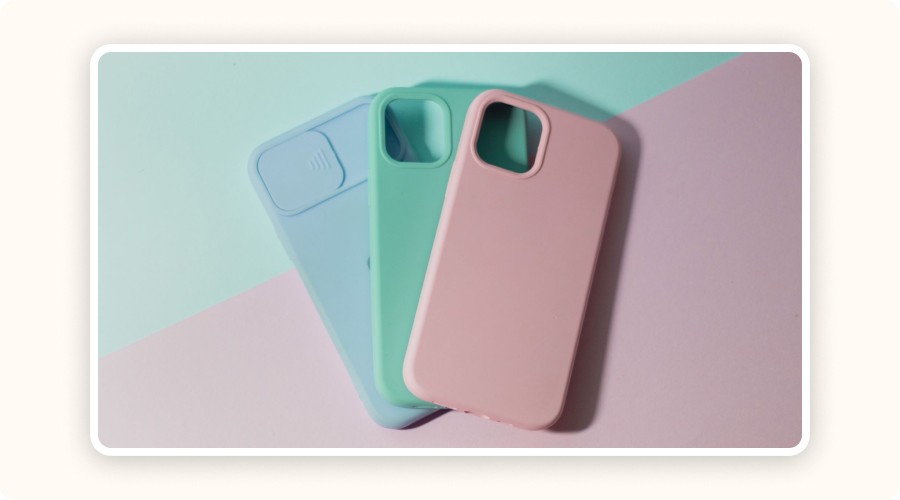
If you sell everyday items like socks, phone cases, or USB cables, look for wholesalers. These products are easy to produce, inexpensive, and often available in stock.
By sourcing from wholesalers, you can launch fast and test markets without heavy investment. You’ll benefit from:
short delivery times
low product costs
reduced operational risk
This is one of the best approaches for new stores or for quickly adding new SKUs, especially when dealing with the different types of suppliers common in low-complexity categories.
Customized or Premium Products
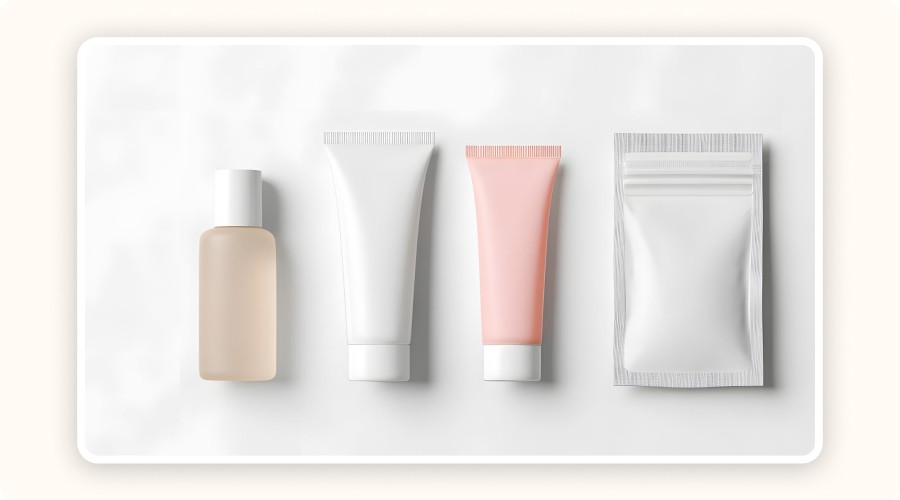
Natural beauty products, white-label clothing, jewelry, high-end accessories. These items require differentiation. In this case, work with OEM/ODM manufacturers or white-label suppliers. They allow you to build a stronger brand image and earn higher margins, as long as you have a clear product vision.
This model is ideal for sellers who want to:
build a strong brand identity
stand out from competitors
increase retention
Customized products rely more heavily on strategic types of dropshipping suppliers, especially when branding and long-term value matter.
Technical or Regulated Products
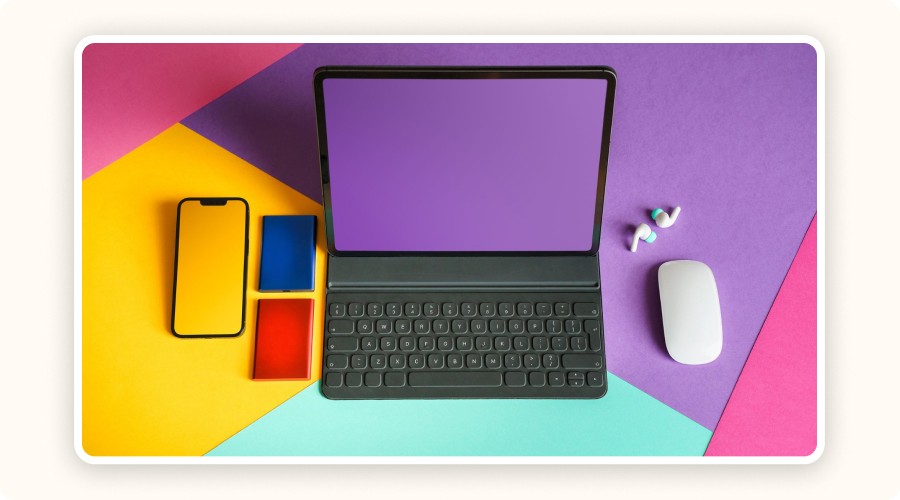
Selling electronics, health-related items, pet products, or technical sports equipment like fitness accessories requires extra care. You must guarantee:
compliance
safety
strong after-sales support
To do this, work with authorized distributors or certified manufacturers. They are the only types of suppliers who can provide products that meet regulatory standards and deliver reliable customer support. These products carry higher risk and are often subject to strict regulations, so choosing the right partner is essential.
Heavy or Bulky Products

Furniture, appliances, home decor such as large wall art. These items create major logistical challenges. Whenever possible, choose local manufacturers or fulfillment centers capable of storing, packaging, and shipping bulky goods properly.
Transport costs are high, delivery times are longer, and returns are complicated. Always calculate your true margin after shipping and after-sales service. These products can be profitable, but every mistake is expensive when working with these types of suppliers in business and logistics-intensive categories.
Digital or Intangible Products
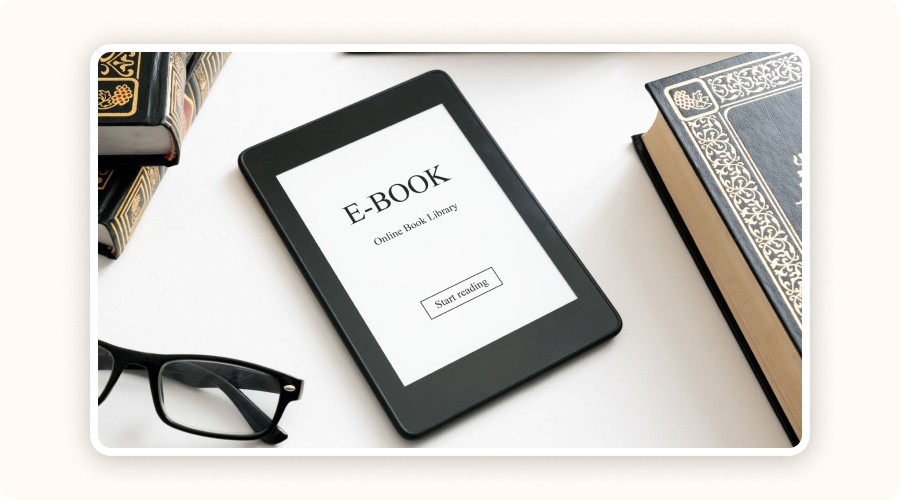
Software, e-books, digital subscriptions, these categories involve no physical stock and no traditional logistics. Your best partners here are SaaS platforms or digital white-label providers. This model is the easiest to scale: instant delivery, high margins, and low risk. It’s ideal for content creators, publishers, or anyone running a 100% digital store.
These options work especially well when exploring different types of suppliers adapted to non-physical products.
Product Type | Recommended Supplier | Control Level | MOQ | Potential Margin | Average Lead Time | Examples |
|---|---|---|---|---|---|---|
Simple & Standardized | Dropshipper, Wholesaler | Low | Very low (1–10) | Low to medium | 5–15 days | Phone cases, USB cables, socks |
Customized / Premium | OEM/ODM Manufacturer, White Label | High | Medium to high (100+) | High | 20–40 days | Natural cosmetics, branded apparel |
Technical / Regulated | Certified Manufacturer, Authorized Distributor | High | Medium (50–200) | Medium to high | 10–30 days | Electronics, supplements |
Heavy / Bulky | Local Manufacturer, Fulfillment Center | Medium | Medium to high (10–50) | Variable | 10–25 days | Furniture, appliances, wall décor |
Digital / Services | SaaS Platform, Digital White Label | High | None | Very high | Instant | Software, e-books, subscriptions |
What Are the Main Categories of Suppliers by Product Type?
To choose the right supplier, start with what you’re selling. A USB cable has nothing in common with a piece of furniture or a software license. To structure your sourcing strategy, here are the main types of suppliers based on product category.
Simple and Standardized Products

If you sell everyday items like socks, phone cases, or USB cables, look for wholesalers. These products are easy to produce, inexpensive, and often available in stock.
By sourcing from wholesalers, you can launch fast and test markets without heavy investment. You’ll benefit from:
short delivery times
low product costs
reduced operational risk
This is one of the best approaches for new stores or for quickly adding new SKUs, especially when dealing with the different types of suppliers common in low-complexity categories.
Customized or Premium Products

Natural beauty products, white-label clothing, jewelry, high-end accessories. These items require differentiation. In this case, work with OEM/ODM manufacturers or white-label suppliers. They allow you to build a stronger brand image and earn higher margins, as long as you have a clear product vision.
This model is ideal for sellers who want to:
build a strong brand identity
stand out from competitors
increase retention
Customized products rely more heavily on strategic types of dropshipping suppliers, especially when branding and long-term value matter.
Technical or Regulated Products

Selling electronics, health-related items, pet products, or technical sports equipment like fitness accessories requires extra care. You must guarantee:
compliance
safety
strong after-sales support
To do this, work with authorized distributors or certified manufacturers. They are the only types of suppliers who can provide products that meet regulatory standards and deliver reliable customer support. These products carry higher risk and are often subject to strict regulations, so choosing the right partner is essential.
Heavy or Bulky Products

Furniture, appliances, home decor such as large wall art. These items create major logistical challenges. Whenever possible, choose local manufacturers or fulfillment centers capable of storing, packaging, and shipping bulky goods properly.
Transport costs are high, delivery times are longer, and returns are complicated. Always calculate your true margin after shipping and after-sales service. These products can be profitable, but every mistake is expensive when working with these types of suppliers in business and logistics-intensive categories.
Digital or Intangible Products

Software, e-books, digital subscriptions, these categories involve no physical stock and no traditional logistics. Your best partners here are SaaS platforms or digital white-label providers. This model is the easiest to scale: instant delivery, high margins, and low risk. It’s ideal for content creators, publishers, or anyone running a 100% digital store.
These options work especially well when exploring different types of suppliers adapted to non-physical products.
Product Type | Recommended Supplier | Control Level | MOQ | Potential Margin | Average Lead Time | Examples |
|---|---|---|---|---|---|---|
Simple & Standardized | Dropshipper, Wholesaler | Low | Very low (1–10) | Low to medium | 5–15 days | Phone cases, USB cables, socks |
Customized / Premium | OEM/ODM Manufacturer, White Label | High | Medium to high (100+) | High | 20–40 days | Natural cosmetics, branded apparel |
Technical / Regulated | Certified Manufacturer, Authorized Distributor | High | Medium (50–200) | Medium to high | 10–30 days | Electronics, supplements |
Heavy / Bulky | Local Manufacturer, Fulfillment Center | Medium | Medium to high (10–50) | Variable | 10–25 days | Furniture, appliances, wall décor |
Digital / Services | SaaS Platform, Digital White Label | High | None | Very high | Instant | Software, e-books, subscriptions |
What Are the Main Categories of Suppliers by Product Type?
To choose the right supplier, start with what you’re selling. A USB cable has nothing in common with a piece of furniture or a software license. To structure your sourcing strategy, here are the main types of suppliers based on product category.
Simple and Standardized Products

If you sell everyday items like socks, phone cases, or USB cables, look for wholesalers. These products are easy to produce, inexpensive, and often available in stock.
By sourcing from wholesalers, you can launch fast and test markets without heavy investment. You’ll benefit from:
short delivery times
low product costs
reduced operational risk
This is one of the best approaches for new stores or for quickly adding new SKUs, especially when dealing with the different types of suppliers common in low-complexity categories.
Customized or Premium Products

Natural beauty products, white-label clothing, jewelry, high-end accessories. These items require differentiation. In this case, work with OEM/ODM manufacturers or white-label suppliers. They allow you to build a stronger brand image and earn higher margins, as long as you have a clear product vision.
This model is ideal for sellers who want to:
build a strong brand identity
stand out from competitors
increase retention
Customized products rely more heavily on strategic types of dropshipping suppliers, especially when branding and long-term value matter.
Technical or Regulated Products

Selling electronics, health-related items, pet products, or technical sports equipment like fitness accessories requires extra care. You must guarantee:
compliance
safety
strong after-sales support
To do this, work with authorized distributors or certified manufacturers. They are the only types of suppliers who can provide products that meet regulatory standards and deliver reliable customer support. These products carry higher risk and are often subject to strict regulations, so choosing the right partner is essential.
Heavy or Bulky Products

Furniture, appliances, home decor such as large wall art. These items create major logistical challenges. Whenever possible, choose local manufacturers or fulfillment centers capable of storing, packaging, and shipping bulky goods properly.
Transport costs are high, delivery times are longer, and returns are complicated. Always calculate your true margin after shipping and after-sales service. These products can be profitable, but every mistake is expensive when working with these types of suppliers in business and logistics-intensive categories.
Digital or Intangible Products

Software, e-books, digital subscriptions, these categories involve no physical stock and no traditional logistics. Your best partners here are SaaS platforms or digital white-label providers. This model is the easiest to scale: instant delivery, high margins, and low risk. It’s ideal for content creators, publishers, or anyone running a 100% digital store.
These options work especially well when exploring different types of suppliers adapted to non-physical products.
Product Type | Recommended Supplier | Control Level | MOQ | Potential Margin | Average Lead Time | Examples |
|---|---|---|---|---|---|---|
Simple & Standardized | Dropshipper, Wholesaler | Low | Very low (1–10) | Low to medium | 5–15 days | Phone cases, USB cables, socks |
Customized / Premium | OEM/ODM Manufacturer, White Label | High | Medium to high (100+) | High | 20–40 days | Natural cosmetics, branded apparel |
Technical / Regulated | Certified Manufacturer, Authorized Distributor | High | Medium (50–200) | Medium to high | 10–30 days | Electronics, supplements |
Heavy / Bulky | Local Manufacturer, Fulfillment Center | Medium | Medium to high (10–50) | Variable | 10–25 days | Furniture, appliances, wall décor |
Digital / Services | SaaS Platform, Digital White Label | High | None | Very high | Instant | Software, e-books, subscriptions |
What Are the Main Categories of Suppliers by Product Type?
To choose the right supplier, start with what you’re selling. A USB cable has nothing in common with a piece of furniture or a software license. To structure your sourcing strategy, here are the main types of suppliers based on product category.
Simple and Standardized Products

If you sell everyday items like socks, phone cases, or USB cables, look for wholesalers. These products are easy to produce, inexpensive, and often available in stock.
By sourcing from wholesalers, you can launch fast and test markets without heavy investment. You’ll benefit from:
short delivery times
low product costs
reduced operational risk
This is one of the best approaches for new stores or for quickly adding new SKUs, especially when dealing with the different types of suppliers common in low-complexity categories.
Customized or Premium Products

Natural beauty products, white-label clothing, jewelry, high-end accessories. These items require differentiation. In this case, work with OEM/ODM manufacturers or white-label suppliers. They allow you to build a stronger brand image and earn higher margins, as long as you have a clear product vision.
This model is ideal for sellers who want to:
build a strong brand identity
stand out from competitors
increase retention
Customized products rely more heavily on strategic types of dropshipping suppliers, especially when branding and long-term value matter.
Technical or Regulated Products

Selling electronics, health-related items, pet products, or technical sports equipment like fitness accessories requires extra care. You must guarantee:
compliance
safety
strong after-sales support
To do this, work with authorized distributors or certified manufacturers. They are the only types of suppliers who can provide products that meet regulatory standards and deliver reliable customer support. These products carry higher risk and are often subject to strict regulations, so choosing the right partner is essential.
Heavy or Bulky Products

Furniture, appliances, home decor such as large wall art. These items create major logistical challenges. Whenever possible, choose local manufacturers or fulfillment centers capable of storing, packaging, and shipping bulky goods properly.
Transport costs are high, delivery times are longer, and returns are complicated. Always calculate your true margin after shipping and after-sales service. These products can be profitable, but every mistake is expensive when working with these types of suppliers in business and logistics-intensive categories.
Digital or Intangible Products

Software, e-books, digital subscriptions, these categories involve no physical stock and no traditional logistics. Your best partners here are SaaS platforms or digital white-label providers. This model is the easiest to scale: instant delivery, high margins, and low risk. It’s ideal for content creators, publishers, or anyone running a 100% digital store.
These options work especially well when exploring different types of suppliers adapted to non-physical products.
Product Type | Recommended Supplier | Control Level | MOQ | Potential Margin | Average Lead Time | Examples |
|---|---|---|---|---|---|---|
Simple & Standardized | Dropshipper, Wholesaler | Low | Very low (1–10) | Low to medium | 5–15 days | Phone cases, USB cables, socks |
Customized / Premium | OEM/ODM Manufacturer, White Label | High | Medium to high (100+) | High | 20–40 days | Natural cosmetics, branded apparel |
Technical / Regulated | Certified Manufacturer, Authorized Distributor | High | Medium (50–200) | Medium to high | 10–30 days | Electronics, supplements |
Heavy / Bulky | Local Manufacturer, Fulfillment Center | Medium | Medium to high (10–50) | Variable | 10–25 days | Furniture, appliances, wall décor |
Digital / Services | SaaS Platform, Digital White Label | High | None | Very high | Instant | Software, e-books, subscriptions |
What Are the Main Categories of Suppliers by Product Type?
To choose the right supplier, start with what you’re selling. A USB cable has nothing in common with a piece of furniture or a software license. To structure your sourcing strategy, here are the main types of suppliers based on product category.
Simple and Standardized Products

If you sell everyday items like socks, phone cases, or USB cables, look for wholesalers. These products are easy to produce, inexpensive, and often available in stock.
By sourcing from wholesalers, you can launch fast and test markets without heavy investment. You’ll benefit from:
short delivery times
low product costs
reduced operational risk
This is one of the best approaches for new stores or for quickly adding new SKUs, especially when dealing with the different types of suppliers common in low-complexity categories.
Customized or Premium Products

Natural beauty products, white-label clothing, jewelry, high-end accessories. These items require differentiation. In this case, work with OEM/ODM manufacturers or white-label suppliers. They allow you to build a stronger brand image and earn higher margins, as long as you have a clear product vision.
This model is ideal for sellers who want to:
build a strong brand identity
stand out from competitors
increase retention
Customized products rely more heavily on strategic types of dropshipping suppliers, especially when branding and long-term value matter.
Technical or Regulated Products

Selling electronics, health-related items, pet products, or technical sports equipment like fitness accessories requires extra care. You must guarantee:
compliance
safety
strong after-sales support
To do this, work with authorized distributors or certified manufacturers. They are the only types of suppliers who can provide products that meet regulatory standards and deliver reliable customer support. These products carry higher risk and are often subject to strict regulations, so choosing the right partner is essential.
Heavy or Bulky Products

Furniture, appliances, home decor such as large wall art. These items create major logistical challenges. Whenever possible, choose local manufacturers or fulfillment centers capable of storing, packaging, and shipping bulky goods properly.
Transport costs are high, delivery times are longer, and returns are complicated. Always calculate your true margin after shipping and after-sales service. These products can be profitable, but every mistake is expensive when working with these types of suppliers in business and logistics-intensive categories.
Digital or Intangible Products

Software, e-books, digital subscriptions, these categories involve no physical stock and no traditional logistics. Your best partners here are SaaS platforms or digital white-label providers. This model is the easiest to scale: instant delivery, high margins, and low risk. It’s ideal for content creators, publishers, or anyone running a 100% digital store.
These options work especially well when exploring different types of suppliers adapted to non-physical products.
Product Type | Recommended Supplier | Control Level | MOQ | Potential Margin | Average Lead Time | Examples |
|---|---|---|---|---|---|---|
Simple & Standardized | Dropshipper, Wholesaler | Low | Very low (1–10) | Low to medium | 5–15 days | Phone cases, USB cables, socks |
Customized / Premium | OEM/ODM Manufacturer, White Label | High | Medium to high (100+) | High | 20–40 days | Natural cosmetics, branded apparel |
Technical / Regulated | Certified Manufacturer, Authorized Distributor | High | Medium (50–200) | Medium to high | 10–30 days | Electronics, supplements |
Heavy / Bulky | Local Manufacturer, Fulfillment Center | Medium | Medium to high (10–50) | Variable | 10–25 days | Furniture, appliances, wall décor |
Digital / Services | SaaS Platform, Digital White Label | High | None | Very high | Instant | Software, e-books, subscriptions |
What Are the Main Categories of Suppliers by Product Type?
To choose the right supplier, start with what you’re selling. A USB cable has nothing in common with a piece of furniture or a software license. To structure your sourcing strategy, here are the main types of suppliers based on product category.
Simple and Standardized Products

If you sell everyday items like socks, phone cases, or USB cables, look for wholesalers. These products are easy to produce, inexpensive, and often available in stock.
By sourcing from wholesalers, you can launch fast and test markets without heavy investment. You’ll benefit from:
short delivery times
low product costs
reduced operational risk
This is one of the best approaches for new stores or for quickly adding new SKUs, especially when dealing with the different types of suppliers common in low-complexity categories.
Customized or Premium Products

Natural beauty products, white-label clothing, jewelry, high-end accessories. These items require differentiation. In this case, work with OEM/ODM manufacturers or white-label suppliers. They allow you to build a stronger brand image and earn higher margins, as long as you have a clear product vision.
This model is ideal for sellers who want to:
build a strong brand identity
stand out from competitors
increase retention
Customized products rely more heavily on strategic types of dropshipping suppliers, especially when branding and long-term value matter.
Technical or Regulated Products

Selling electronics, health-related items, pet products, or technical sports equipment like fitness accessories requires extra care. You must guarantee:
compliance
safety
strong after-sales support
To do this, work with authorized distributors or certified manufacturers. They are the only types of suppliers who can provide products that meet regulatory standards and deliver reliable customer support. These products carry higher risk and are often subject to strict regulations, so choosing the right partner is essential.
Heavy or Bulky Products

Furniture, appliances, home decor such as large wall art. These items create major logistical challenges. Whenever possible, choose local manufacturers or fulfillment centers capable of storing, packaging, and shipping bulky goods properly.
Transport costs are high, delivery times are longer, and returns are complicated. Always calculate your true margin after shipping and after-sales service. These products can be profitable, but every mistake is expensive when working with these types of suppliers in business and logistics-intensive categories.
Digital or Intangible Products

Software, e-books, digital subscriptions, these categories involve no physical stock and no traditional logistics. Your best partners here are SaaS platforms or digital white-label providers. This model is the easiest to scale: instant delivery, high margins, and low risk. It’s ideal for content creators, publishers, or anyone running a 100% digital store.
These options work especially well when exploring different types of suppliers adapted to non-physical products.
Product Type | Recommended Supplier | Control Level | MOQ | Potential Margin | Average Lead Time | Examples |
|---|---|---|---|---|---|---|
Simple & Standardized | Dropshipper, Wholesaler | Low | Very low (1–10) | Low to medium | 5–15 days | Phone cases, USB cables, socks |
Customized / Premium | OEM/ODM Manufacturer, White Label | High | Medium to high (100+) | High | 20–40 days | Natural cosmetics, branded apparel |
Technical / Regulated | Certified Manufacturer, Authorized Distributor | High | Medium (50–200) | Medium to high | 10–30 days | Electronics, supplements |
Heavy / Bulky | Local Manufacturer, Fulfillment Center | Medium | Medium to high (10–50) | Variable | 10–25 days | Furniture, appliances, wall décor |
Digital / Services | SaaS Platform, Digital White Label | High | None | Very high | Instant | Software, e-books, subscriptions |
What if we went even further?
Discover all our related articles and resources
What if we went even further?
Discover all our related articles and resources
What if we went even further?
Discover all our related articles and resources
What if we went even further?
Discover all our related articles and resources
What if we went even further?
Discover all our related articles and resources
What if we went even further?
Discover all our related articles and resources

dropshipping-shoes-suppliers
Best Dropshipping Shoes Suppliers to Work With in 2025
Discover top dropshipping shoe suppliers to grow your business. Find reliable partners and boost success with expert insights in our guide.

dropshipping-shoes-suppliers
Best Dropshipping Shoes Suppliers to Work With in 2025
Discover top dropshipping shoe suppliers to grow your business. Find reliable partners and boost success with expert insights in our guide.

dropshipping-shoes-suppliers
Best Dropshipping Shoes Suppliers to Work With in 2025
Discover top dropshipping shoe suppliers to grow your business. Find reliable partners and boost success with expert insights in our guide.

dropshipping-shoes-suppliers
Best Dropshipping Shoes Suppliers to Work With in 2025
Discover top dropshipping shoe suppliers to grow your business. Find reliable partners and boost success with expert insights in our guide.

best-fitness-dropshipping-supplier
Top 14 Best Fitness Dropshipping Suppliers in 2025
Discover the 14 best fitness dropshipping suppliers for 2025. Get fast shipping, reliable stock, and high quality products for your store.

best-fitness-dropshipping-supplier
Top 14 Best Fitness Dropshipping Suppliers in 2025
Discover the 14 best fitness dropshipping suppliers for 2025. Get fast shipping, reliable stock, and high quality products for your store.

best-fitness-dropshipping-supplier
Top 14 Best Fitness Dropshipping Suppliers in 2025
Discover the 14 best fitness dropshipping suppliers for 2025. Get fast shipping, reliable stock, and high quality products for your store.

best-fitness-dropshipping-supplier
Top 14 Best Fitness Dropshipping Suppliers in 2025
Discover the 14 best fitness dropshipping suppliers for 2025. Get fast shipping, reliable stock, and high quality products for your store.

dropship-medical-supplies
Dropshipping Medical Supplies: The 12 Key Steps to Launch in 2025
Learn how to start dropshipping medical supplies with ease. Key steps to success in this field.

dropship-medical-supplies
Dropshipping Medical Supplies: The 12 Key Steps to Launch in 2025
Learn how to start dropshipping medical supplies with ease. Key steps to success in this field.

dropship-medical-supplies
Dropshipping Medical Supplies: The 12 Key Steps to Launch in 2025
Learn how to start dropshipping medical supplies with ease. Key steps to success in this field.

dropship-medical-supplies
Dropshipping Medical Supplies: The 12 Key Steps to Launch in 2025
Learn how to start dropshipping medical supplies with ease. Key steps to success in this field.
See more Categories

dropshipping-shoes-suppliers
Best Dropshipping Shoes Suppliers to Work With in 2025
Discover top dropshipping shoe suppliers to grow your business. Find reliable partners and boost success with expert insights in our guide.

best-fitness-dropshipping-supplier
Top 14 Best Fitness Dropshipping Suppliers in 2025
Discover the 14 best fitness dropshipping suppliers for 2025. Get fast shipping, reliable stock, and high quality products for your store.
See more Categories

dropshipping-shoes-suppliers
Best Dropshipping Shoes Suppliers to Work With in 2025
Discover top dropshipping shoe suppliers to grow your business. Find reliable partners and boost success with expert insights in our guide.
See more Categories
What Criteria Should You Use to Choose the Right Supplier for Your Product?

Finding a supplier is easy. Choosing the right one is where most sellers struggle. To avoid returns, unhappy customers, or destroyed margins, you need to filter your options based on clear criteria. Here’s what to evaluate when comparing the different types of suppliers for your product category.
The Right MOQ for Your Sales Capacity
If you’re just starting out, avoid suppliers who require 500 units or more. A high MOQ locks up your cash flow and can leave you with unsold stock.
On the other hand, a very low MOQ may signal that the supplier is unreliable or unable to scale with you.
The goal is to find the balance between flexibility and commercial viability, especially when comparing types of suppliers in business.
Product Quality vs. Customer Expectations
Your product quality must match the standards of your niche. In dropshipping, there’s very little room for error. If the item is low-quality, expect negative reviews.
To avoid this:
Test the product
Order a sample
Check the packaging, finish, and instructions
A supplier’s performance is also measured here: do they respect your specifications? Are they consistent over time?
These factors often determine which types of dropshipping suppliers are a good long-term fit.
Controlled Shipping Times and Costs
Shipping fees and delivery times directly impact customer experience.
If you promise 5-day delivery but your supplier ships in 15 days, you’ll lose sales fast.
From the beginning, clarify:
shipping times
serviced regions
extra fees
Different types of suppliers offer different logistics performance, so compare carefully.
Prototype, Sample, and Quality Control
A good supplier will send a prototype or sample on request. They should also allow third-party inspections, quality control, factory checks, etc.
This is the foundation of a solid supplier relationship, no matter the types of suppliers you’re evaluating.
After-Sales Service: Critical for Certain Product Types
If you sell technical, electronic, or regulated products, ensure your supplier offers after-sales service:
returns
warranty
technical support
Without this, you’ll absorb all customer service costs yourself, a major risk when your business relies on types of suppliers that handle complex or high-risk products.
Where to Find Reliable Suppliers by Product Type
To find the right partner, don’t just type a random name into Google. Search strategically based on the type of product you sell. Here are the best channels to locate reliable types of suppliers for your business.
Specialized Platforms
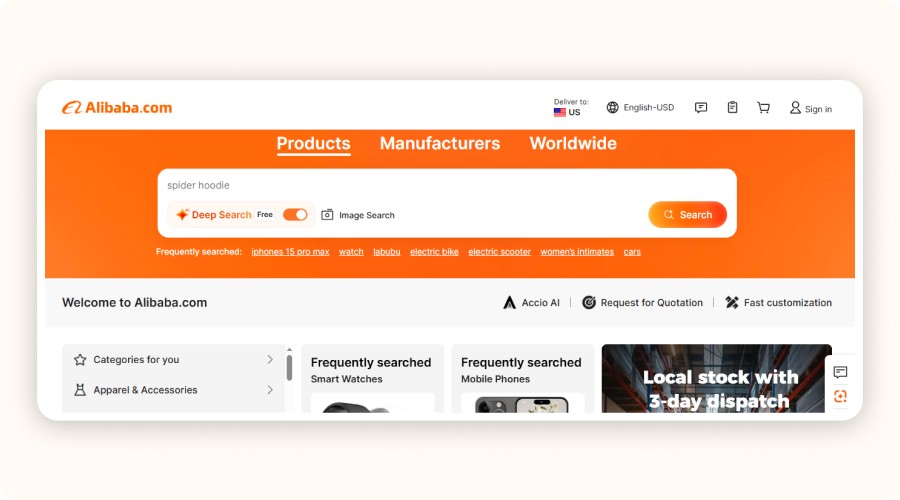
For simple, standardized, or popular products, rely on major platforms like Alibaba, 1688, or AliExpress.
Alibaba is the go-to for higher MOQs or customized products.
1688 targets the Chinese domestic market and is ideal if you work with a local sourcing agent.
AliExpress is perfect for beginners thanks to fast onboarding and direct-to-customer shipping.
For premium, creator-made, or design-oriented products, use Faire or Ankorstore, two European B2B marketplaces focused on cosmetics, home décor, artisanal goods, and higher-end items.
These platforms group suppliers by product category, making it easy to find the different types of suppliers you need:
Dropshipping-friendly suppliers
OEM/ODM manufacturers
Accessible wholesalers
B2B Directories: Professional and Local Sourcing
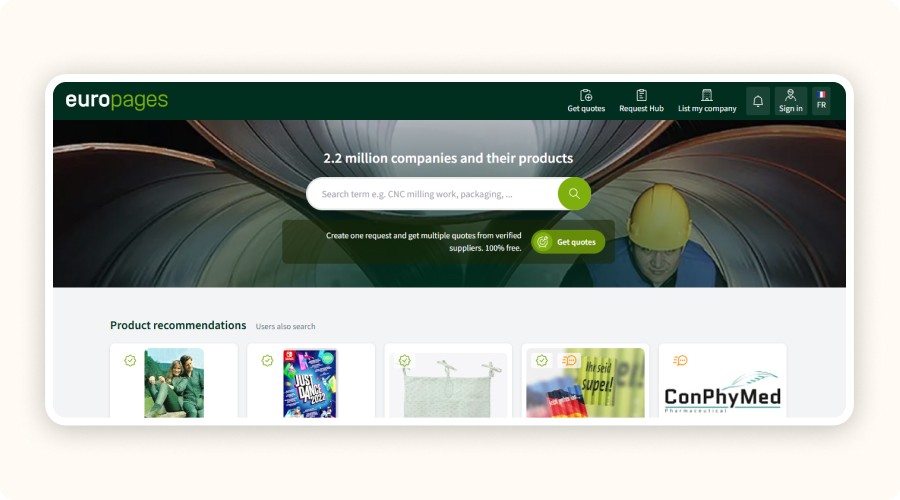
To search suppliers by industry and country, use directories like Europages and Kompass. These tools help you locate European partners if you want faster delivery or more stable logistics. You can filter suppliers by product code, industry, geographic zone, aging quality control and logistics.
Trade Shows and Industry Fairs

For technical, premium, or niche products, nothing beats face-to-face contact. By attending trade shows like Maison&Objet (design, décor, lifestyle) or the Canton Fair (China, all sectors), you can:
See real product quality
Build direct relationships with suppliers
Negotiate terms in person
Trade shows also help you spot market trends early and identify new products before your competitors, especially when comparing the different types of suppliers suited for high-value categories.
Sourcing Agents and Procurement Agencies

Short on time? Work with local sourcing agents, particularly in China, Turkey, India, or Poland. They handle:
Supplier research
Price negotiation
Quality control and logistics
This works best when you sell complex products or don’t speak the local language. Sourcing agents can bridge the gap between you and the many types of suppliers in business across global markets.
Verification: Don’t Trust the Storefront
Before approving any supplier, always verify:
Certifications (CE, ISO, FDA—depending on your niche)
Samples to evaluate product quality and packaging
Third-party audits or B2B customer reviews
It’s the only reliable way to avoid costly mistakes, especially when dealing with types of dropshipping suppliers you may not know personally.
How to Manage Supplier Relationships Long-Term
A strong supplier relationship doesn’t end after the first order. If you want to build a sustainable business, you must structure and maintain this relationship over time. Here’s how to do it effectively when working with different types of suppliers.
Set Up an SRM (Supplier Relationship Management System)
Centralize everything related to your suppliers: contact information, order history, negotiated terms, lead times, and more. Use a simple tracking tool (Excel, Notion, Trello) or more advanced systems (ERP, CRM, dedicated SRM platforms). The goal is to keep a clear view of supplier performance so you can react quickly to problems, or renegotiate when needed. An SRM is especially helpful when working with multiple types of suppliers in business.
Clarify Terms from the Start
Even if your order volume is small, set expectations during your first collaboration:
Minimum order quantity (MOQ)
Delivery times
Return policy
Dispute resolution process
A simple contract or formal purchase confirmation helps you avoid misunderstandings later, no matter the type of suppliers you work with.
Track Concrete KPIs
Don’t rely on gut feeling. Measure performance using simple KPIs:
Defective product rate
On-time delivery rate
Supplier responsiveness (reply time)
These metrics show whether the supplier relationship should continue, evolve, or end. They also help you distinguish between the different types of suppliers based on reliability.
Strengthen Partnerships With Your Best Suppliers
When a supplier proves reliable, reward them. For example, you can:
Negotiate product exclusivity
Increase order volume
Offer bonuses or faster payment terms
A well-managed relationship reduces costs, risks, and errors, especially in a model where you depend on consistent performance from several types of dropshipping suppliers.
What Criteria Should You Use to Choose the Right Supplier for Your Product?

Finding a supplier is easy. Choosing the right one is where most sellers struggle. To avoid returns, unhappy customers, or destroyed margins, you need to filter your options based on clear criteria. Here’s what to evaluate when comparing the different types of suppliers for your product category.
The Right MOQ for Your Sales Capacity
If you’re just starting out, avoid suppliers who require 500 units or more. A high MOQ locks up your cash flow and can leave you with unsold stock.
On the other hand, a very low MOQ may signal that the supplier is unreliable or unable to scale with you.
The goal is to find the balance between flexibility and commercial viability, especially when comparing types of suppliers in business.
Product Quality vs. Customer Expectations
Your product quality must match the standards of your niche. In dropshipping, there’s very little room for error. If the item is low-quality, expect negative reviews.
To avoid this:
Test the product
Order a sample
Check the packaging, finish, and instructions
A supplier’s performance is also measured here: do they respect your specifications? Are they consistent over time?
These factors often determine which types of dropshipping suppliers are a good long-term fit.
Controlled Shipping Times and Costs
Shipping fees and delivery times directly impact customer experience.
If you promise 5-day delivery but your supplier ships in 15 days, you’ll lose sales fast.
From the beginning, clarify:
shipping times
serviced regions
extra fees
Different types of suppliers offer different logistics performance, so compare carefully.
Prototype, Sample, and Quality Control
A good supplier will send a prototype or sample on request. They should also allow third-party inspections, quality control, factory checks, etc.
This is the foundation of a solid supplier relationship, no matter the types of suppliers you’re evaluating.
After-Sales Service: Critical for Certain Product Types
If you sell technical, electronic, or regulated products, ensure your supplier offers after-sales service:
returns
warranty
technical support
Without this, you’ll absorb all customer service costs yourself, a major risk when your business relies on types of suppliers that handle complex or high-risk products.
Where to Find Reliable Suppliers by Product Type
To find the right partner, don’t just type a random name into Google. Search strategically based on the type of product you sell. Here are the best channels to locate reliable types of suppliers for your business.
Specialized Platforms

For simple, standardized, or popular products, rely on major platforms like Alibaba, 1688, or AliExpress.
Alibaba is the go-to for higher MOQs or customized products.
1688 targets the Chinese domestic market and is ideal if you work with a local sourcing agent.
AliExpress is perfect for beginners thanks to fast onboarding and direct-to-customer shipping.
For premium, creator-made, or design-oriented products, use Faire or Ankorstore, two European B2B marketplaces focused on cosmetics, home décor, artisanal goods, and higher-end items.
These platforms group suppliers by product category, making it easy to find the different types of suppliers you need:
Dropshipping-friendly suppliers
OEM/ODM manufacturers
Accessible wholesalers
B2B Directories: Professional and Local Sourcing

To search suppliers by industry and country, use directories like Europages and Kompass. These tools help you locate European partners if you want faster delivery or more stable logistics. You can filter suppliers by product code, industry, geographic zone, aging quality control and logistics.
Trade Shows and Industry Fairs

For technical, premium, or niche products, nothing beats face-to-face contact. By attending trade shows like Maison&Objet (design, décor, lifestyle) or the Canton Fair (China, all sectors), you can:
See real product quality
Build direct relationships with suppliers
Negotiate terms in person
Trade shows also help you spot market trends early and identify new products before your competitors, especially when comparing the different types of suppliers suited for high-value categories.
Sourcing Agents and Procurement Agencies

Short on time? Work with local sourcing agents, particularly in China, Turkey, India, or Poland. They handle:
Supplier research
Price negotiation
Quality control and logistics
This works best when you sell complex products or don’t speak the local language. Sourcing agents can bridge the gap between you and the many types of suppliers in business across global markets.
Verification: Don’t Trust the Storefront
Before approving any supplier, always verify:
Certifications (CE, ISO, FDA—depending on your niche)
Samples to evaluate product quality and packaging
Third-party audits or B2B customer reviews
It’s the only reliable way to avoid costly mistakes, especially when dealing with types of dropshipping suppliers you may not know personally.
How to Manage Supplier Relationships Long-Term

A strong supplier relationship doesn’t end after the first order. If you want to build a sustainable business, you must structure and maintain this relationship over time. Here’s how to do it effectively when working with different types of suppliers.
Set Up an SRM (Supplier Relationship Management System)
Centralize everything related to your suppliers: contact information, order history, negotiated terms, lead times, and more. Use a simple tracking tool (Excel, Notion, Trello) or more advanced systems (ERP, CRM, dedicated SRM platforms). The goal is to keep a clear view of supplier performance so you can react quickly to problems, or renegotiate when needed. An SRM is especially helpful when working with multiple types of suppliers in business.
Clarify Terms from the Start
Even if your order volume is small, set expectations during your first collaboration:
Minimum order quantity (MOQ)
Delivery times
Return policy
Dispute resolution process
A simple contract or formal purchase confirmation helps you avoid misunderstandings later, no matter the type of suppliers you work with.
Track Concrete KPIs
Don’t rely on gut feeling. Measure performance using simple KPIs:
Defective product rate
On-time delivery rate
Supplier responsiveness (reply time)
These metrics show whether the supplier relationship should continue, evolve, or end. They also help you distinguish between the different types of suppliers based on reliability.
Strengthen Partnerships With Your Best Suppliers
When a supplier proves reliable, reward them. For example, you can:
Negotiate product exclusivity
Increase order volume
Offer bonuses or faster payment terms
A well-managed relationship reduces costs, risks, and errors, especially in a model where you depend on consistent performance from several types of dropshipping suppliers.
What Criteria Should You Use to Choose the Right Supplier for Your Product?

Finding a supplier is easy. Choosing the right one is where most sellers struggle. To avoid returns, unhappy customers, or destroyed margins, you need to filter your options based on clear criteria. Here’s what to evaluate when comparing the different types of suppliers for your product category.
The Right MOQ for Your Sales Capacity
If you’re just starting out, avoid suppliers who require 500 units or more. A high MOQ locks up your cash flow and can leave you with unsold stock.
On the other hand, a very low MOQ may signal that the supplier is unreliable or unable to scale with you.
The goal is to find the balance between flexibility and commercial viability, especially when comparing types of suppliers in business.
Product Quality vs. Customer Expectations
Your product quality must match the standards of your niche. In dropshipping, there’s very little room for error. If the item is low-quality, expect negative reviews.
To avoid this:
Test the product
Order a sample
Check the packaging, finish, and instructions
A supplier’s performance is also measured here: do they respect your specifications? Are they consistent over time?
These factors often determine which types of dropshipping suppliers are a good long-term fit.
Controlled Shipping Times and Costs
Shipping fees and delivery times directly impact customer experience.
If you promise 5-day delivery but your supplier ships in 15 days, you’ll lose sales fast.
From the beginning, clarify:
shipping times
serviced regions
extra fees
Different types of suppliers offer different logistics performance, so compare carefully.
Prototype, Sample, and Quality Control
A good supplier will send a prototype or sample on request. They should also allow third-party inspections, quality control, factory checks, etc.
This is the foundation of a solid supplier relationship, no matter the types of suppliers you’re evaluating.
After-Sales Service: Critical for Certain Product Types
If you sell technical, electronic, or regulated products, ensure your supplier offers after-sales service:
returns
warranty
technical support
Without this, you’ll absorb all customer service costs yourself, a major risk when your business relies on types of suppliers that handle complex or high-risk products.
Where to Find Reliable Suppliers by Product Type
To find the right partner, don’t just type a random name into Google. Search strategically based on the type of product you sell. Here are the best channels to locate reliable types of suppliers for your business.
Specialized Platforms

For simple, standardized, or popular products, rely on major platforms like Alibaba, 1688, or AliExpress.
Alibaba is the go-to for higher MOQs or customized products.
1688 targets the Chinese domestic market and is ideal if you work with a local sourcing agent.
AliExpress is perfect for beginners thanks to fast onboarding and direct-to-customer shipping.
For premium, creator-made, or design-oriented products, use Faire or Ankorstore, two European B2B marketplaces focused on cosmetics, home décor, artisanal goods, and higher-end items.
These platforms group suppliers by product category, making it easy to find the different types of suppliers you need:
Dropshipping-friendly suppliers
OEM/ODM manufacturers
Accessible wholesalers
B2B Directories: Professional and Local Sourcing

To search suppliers by industry and country, use directories like Europages and Kompass. These tools help you locate European partners if you want faster delivery or more stable logistics. You can filter suppliers by product code, industry, geographic zone, aging quality control and logistics.
Trade Shows and Industry Fairs

For technical, premium, or niche products, nothing beats face-to-face contact. By attending trade shows like Maison&Objet (design, décor, lifestyle) or the Canton Fair (China, all sectors), you can:
See real product quality
Build direct relationships with suppliers
Negotiate terms in person
Trade shows also help you spot market trends early and identify new products before your competitors, especially when comparing the different types of suppliers suited for high-value categories.
Sourcing Agents and Procurement Agencies

Short on time? Work with local sourcing agents, particularly in China, Turkey, India, or Poland. They handle:
Supplier research
Price negotiation
Quality control and logistics
This works best when you sell complex products or don’t speak the local language. Sourcing agents can bridge the gap between you and the many types of suppliers in business across global markets.
Verification: Don’t Trust the Storefront
Before approving any supplier, always verify:
Certifications (CE, ISO, FDA—depending on your niche)
Samples to evaluate product quality and packaging
Third-party audits or B2B customer reviews
It’s the only reliable way to avoid costly mistakes, especially when dealing with types of dropshipping suppliers you may not know personally.
How to Manage Supplier Relationships Long-Term

A strong supplier relationship doesn’t end after the first order. If you want to build a sustainable business, you must structure and maintain this relationship over time. Here’s how to do it effectively when working with different types of suppliers.
Set Up an SRM (Supplier Relationship Management System)
Centralize everything related to your suppliers: contact information, order history, negotiated terms, lead times, and more. Use a simple tracking tool (Excel, Notion, Trello) or more advanced systems (ERP, CRM, dedicated SRM platforms). The goal is to keep a clear view of supplier performance so you can react quickly to problems, or renegotiate when needed. An SRM is especially helpful when working with multiple types of suppliers in business.
Clarify Terms from the Start
Even if your order volume is small, set expectations during your first collaboration:
Minimum order quantity (MOQ)
Delivery times
Return policy
Dispute resolution process
A simple contract or formal purchase confirmation helps you avoid misunderstandings later, no matter the type of suppliers you work with.
Track Concrete KPIs
Don’t rely on gut feeling. Measure performance using simple KPIs:
Defective product rate
On-time delivery rate
Supplier responsiveness (reply time)
These metrics show whether the supplier relationship should continue, evolve, or end. They also help you distinguish between the different types of suppliers based on reliability.
Strengthen Partnerships With Your Best Suppliers
When a supplier proves reliable, reward them. For example, you can:
Negotiate product exclusivity
Increase order volume
Offer bonuses or faster payment terms
A well-managed relationship reduces costs, risks, and errors, especially in a model where you depend on consistent performance from several types of dropshipping suppliers.
What Criteria Should You Use to Choose the Right Supplier for Your Product?

Finding a supplier is easy. Choosing the right one is where most sellers struggle. To avoid returns, unhappy customers, or destroyed margins, you need to filter your options based on clear criteria. Here’s what to evaluate when comparing the different types of suppliers for your product category.
The Right MOQ for Your Sales Capacity
If you’re just starting out, avoid suppliers who require 500 units or more. A high MOQ locks up your cash flow and can leave you with unsold stock.
On the other hand, a very low MOQ may signal that the supplier is unreliable or unable to scale with you.
The goal is to find the balance between flexibility and commercial viability, especially when comparing types of suppliers in business.
Product Quality vs. Customer Expectations
Your product quality must match the standards of your niche. In dropshipping, there’s very little room for error. If the item is low-quality, expect negative reviews.
To avoid this:
Test the product
Order a sample
Check the packaging, finish, and instructions
A supplier’s performance is also measured here: do they respect your specifications? Are they consistent over time?
These factors often determine which types of dropshipping suppliers are a good long-term fit.
Controlled Shipping Times and Costs
Shipping fees and delivery times directly impact customer experience.
If you promise 5-day delivery but your supplier ships in 15 days, you’ll lose sales fast.
From the beginning, clarify:
shipping times
serviced regions
extra fees
Different types of suppliers offer different logistics performance, so compare carefully.
Prototype, Sample, and Quality Control
A good supplier will send a prototype or sample on request. They should also allow third-party inspections, quality control, factory checks, etc.
This is the foundation of a solid supplier relationship, no matter the types of suppliers you’re evaluating.
After-Sales Service: Critical for Certain Product Types
If you sell technical, electronic, or regulated products, ensure your supplier offers after-sales service:
returns
warranty
technical support
Without this, you’ll absorb all customer service costs yourself, a major risk when your business relies on types of suppliers that handle complex or high-risk products.
Where to Find Reliable Suppliers by Product Type
To find the right partner, don’t just type a random name into Google. Search strategically based on the type of product you sell. Here are the best channels to locate reliable types of suppliers for your business.
Specialized Platforms

For simple, standardized, or popular products, rely on major platforms like Alibaba, 1688, or AliExpress.
Alibaba is the go-to for higher MOQs or customized products.
1688 targets the Chinese domestic market and is ideal if you work with a local sourcing agent.
AliExpress is perfect for beginners thanks to fast onboarding and direct-to-customer shipping.
For premium, creator-made, or design-oriented products, use Faire or Ankorstore, two European B2B marketplaces focused on cosmetics, home décor, artisanal goods, and higher-end items.
These platforms group suppliers by product category, making it easy to find the different types of suppliers you need:
Dropshipping-friendly suppliers
OEM/ODM manufacturers
Accessible wholesalers
B2B Directories: Professional and Local Sourcing

To search suppliers by industry and country, use directories like Europages and Kompass. These tools help you locate European partners if you want faster delivery or more stable logistics. You can filter suppliers by product code, industry, geographic zone, aging quality control and logistics.
Trade Shows and Industry Fairs

For technical, premium, or niche products, nothing beats face-to-face contact. By attending trade shows like Maison&Objet (design, décor, lifestyle) or the Canton Fair (China, all sectors), you can:
See real product quality
Build direct relationships with suppliers
Negotiate terms in person
Trade shows also help you spot market trends early and identify new products before your competitors, especially when comparing the different types of suppliers suited for high-value categories.
Sourcing Agents and Procurement Agencies

Short on time? Work with local sourcing agents, particularly in China, Turkey, India, or Poland. They handle:
Supplier research
Price negotiation
Quality control and logistics
This works best when you sell complex products or don’t speak the local language. Sourcing agents can bridge the gap between you and the many types of suppliers in business across global markets.
Verification: Don’t Trust the Storefront
Before approving any supplier, always verify:
Certifications (CE, ISO, FDA—depending on your niche)
Samples to evaluate product quality and packaging
Third-party audits or B2B customer reviews
It’s the only reliable way to avoid costly mistakes, especially when dealing with types of dropshipping suppliers you may not know personally.
How to Manage Supplier Relationships Long-Term

A strong supplier relationship doesn’t end after the first order. If you want to build a sustainable business, you must structure and maintain this relationship over time. Here’s how to do it effectively when working with different types of suppliers.
Set Up an SRM (Supplier Relationship Management System)
Centralize everything related to your suppliers: contact information, order history, negotiated terms, lead times, and more. Use a simple tracking tool (Excel, Notion, Trello) or more advanced systems (ERP, CRM, dedicated SRM platforms). The goal is to keep a clear view of supplier performance so you can react quickly to problems, or renegotiate when needed. An SRM is especially helpful when working with multiple types of suppliers in business.
Clarify Terms from the Start
Even if your order volume is small, set expectations during your first collaboration:
Minimum order quantity (MOQ)
Delivery times
Return policy
Dispute resolution process
A simple contract or formal purchase confirmation helps you avoid misunderstandings later, no matter the type of suppliers you work with.
Track Concrete KPIs
Don’t rely on gut feeling. Measure performance using simple KPIs:
Defective product rate
On-time delivery rate
Supplier responsiveness (reply time)
These metrics show whether the supplier relationship should continue, evolve, or end. They also help you distinguish between the different types of suppliers based on reliability.
Strengthen Partnerships With Your Best Suppliers
When a supplier proves reliable, reward them. For example, you can:
Negotiate product exclusivity
Increase order volume
Offer bonuses or faster payment terms
A well-managed relationship reduces costs, risks, and errors, especially in a model where you depend on consistent performance from several types of dropshipping suppliers.
What Criteria Should You Use to Choose the Right Supplier for Your Product?

Finding a supplier is easy. Choosing the right one is where most sellers struggle. To avoid returns, unhappy customers, or destroyed margins, you need to filter your options based on clear criteria. Here’s what to evaluate when comparing the different types of suppliers for your product category.
The Right MOQ for Your Sales Capacity
If you’re just starting out, avoid suppliers who require 500 units or more. A high MOQ locks up your cash flow and can leave you with unsold stock.
On the other hand, a very low MOQ may signal that the supplier is unreliable or unable to scale with you.
The goal is to find the balance between flexibility and commercial viability, especially when comparing types of suppliers in business.
Product Quality vs. Customer Expectations
Your product quality must match the standards of your niche. In dropshipping, there’s very little room for error. If the item is low-quality, expect negative reviews.
To avoid this:
Test the product
Order a sample
Check the packaging, finish, and instructions
A supplier’s performance is also measured here: do they respect your specifications? Are they consistent over time?
These factors often determine which types of dropshipping suppliers are a good long-term fit.
Controlled Shipping Times and Costs
Shipping fees and delivery times directly impact customer experience.
If you promise 5-day delivery but your supplier ships in 15 days, you’ll lose sales fast.
From the beginning, clarify:
shipping times
serviced regions
extra fees
Different types of suppliers offer different logistics performance, so compare carefully.
Prototype, Sample, and Quality Control
A good supplier will send a prototype or sample on request. They should also allow third-party inspections, quality control, factory checks, etc.
This is the foundation of a solid supplier relationship, no matter the types of suppliers you’re evaluating.
After-Sales Service: Critical for Certain Product Types
If you sell technical, electronic, or regulated products, ensure your supplier offers after-sales service:
returns
warranty
technical support
Without this, you’ll absorb all customer service costs yourself, a major risk when your business relies on types of suppliers that handle complex or high-risk products.
Where to Find Reliable Suppliers by Product Type
To find the right partner, don’t just type a random name into Google. Search strategically based on the type of product you sell. Here are the best channels to locate reliable types of suppliers for your business.
Specialized Platforms

For simple, standardized, or popular products, rely on major platforms like Alibaba, 1688, or AliExpress.
Alibaba is the go-to for higher MOQs or customized products.
1688 targets the Chinese domestic market and is ideal if you work with a local sourcing agent.
AliExpress is perfect for beginners thanks to fast onboarding and direct-to-customer shipping.
For premium, creator-made, or design-oriented products, use Faire or Ankorstore, two European B2B marketplaces focused on cosmetics, home décor, artisanal goods, and higher-end items.
These platforms group suppliers by product category, making it easy to find the different types of suppliers you need:
Dropshipping-friendly suppliers
OEM/ODM manufacturers
Accessible wholesalers
B2B Directories: Professional and Local Sourcing

To search suppliers by industry and country, use directories like Europages and Kompass. These tools help you locate European partners if you want faster delivery or more stable logistics. You can filter suppliers by product code, industry, geographic zone, aging quality control and logistics.
Trade Shows and Industry Fairs

For technical, premium, or niche products, nothing beats face-to-face contact. By attending trade shows like Maison&Objet (design, décor, lifestyle) or the Canton Fair (China, all sectors), you can:
See real product quality
Build direct relationships with suppliers
Negotiate terms in person
Trade shows also help you spot market trends early and identify new products before your competitors, especially when comparing the different types of suppliers suited for high-value categories.
Sourcing Agents and Procurement Agencies

Short on time? Work with local sourcing agents, particularly in China, Turkey, India, or Poland. They handle:
Supplier research
Price negotiation
Quality control and logistics
This works best when you sell complex products or don’t speak the local language. Sourcing agents can bridge the gap between you and the many types of suppliers in business across global markets.
Verification: Don’t Trust the Storefront
Before approving any supplier, always verify:
Certifications (CE, ISO, FDA—depending on your niche)
Samples to evaluate product quality and packaging
Third-party audits or B2B customer reviews
It’s the only reliable way to avoid costly mistakes, especially when dealing with types of dropshipping suppliers you may not know personally.
How to Manage Supplier Relationships Long-Term

A strong supplier relationship doesn’t end after the first order. If you want to build a sustainable business, you must structure and maintain this relationship over time. Here’s how to do it effectively when working with different types of suppliers.
Set Up an SRM (Supplier Relationship Management System)
Centralize everything related to your suppliers: contact information, order history, negotiated terms, lead times, and more. Use a simple tracking tool (Excel, Notion, Trello) or more advanced systems (ERP, CRM, dedicated SRM platforms). The goal is to keep a clear view of supplier performance so you can react quickly to problems, or renegotiate when needed. An SRM is especially helpful when working with multiple types of suppliers in business.
Clarify Terms from the Start
Even if your order volume is small, set expectations during your first collaboration:
Minimum order quantity (MOQ)
Delivery times
Return policy
Dispute resolution process
A simple contract or formal purchase confirmation helps you avoid misunderstandings later, no matter the type of suppliers you work with.
Track Concrete KPIs
Don’t rely on gut feeling. Measure performance using simple KPIs:
Defective product rate
On-time delivery rate
Supplier responsiveness (reply time)
These metrics show whether the supplier relationship should continue, evolve, or end. They also help you distinguish between the different types of suppliers based on reliability.
Strengthen Partnerships With Your Best Suppliers
When a supplier proves reliable, reward them. For example, you can:
Negotiate product exclusivity
Increase order volume
Offer bonuses or faster payment terms
A well-managed relationship reduces costs, risks, and errors, especially in a model where you depend on consistent performance from several types of dropshipping suppliers.
What Criteria Should You Use to Choose the Right Supplier for Your Product?

Finding a supplier is easy. Choosing the right one is where most sellers struggle. To avoid returns, unhappy customers, or destroyed margins, you need to filter your options based on clear criteria. Here’s what to evaluate when comparing the different types of suppliers for your product category.
The Right MOQ for Your Sales Capacity
If you’re just starting out, avoid suppliers who require 500 units or more. A high MOQ locks up your cash flow and can leave you with unsold stock.
On the other hand, a very low MOQ may signal that the supplier is unreliable or unable to scale with you.
The goal is to find the balance between flexibility and commercial viability, especially when comparing types of suppliers in business.
Product Quality vs. Customer Expectations
Your product quality must match the standards of your niche. In dropshipping, there’s very little room for error. If the item is low-quality, expect negative reviews.
To avoid this:
Test the product
Order a sample
Check the packaging, finish, and instructions
A supplier’s performance is also measured here: do they respect your specifications? Are they consistent over time?
These factors often determine which types of dropshipping suppliers are a good long-term fit.
Controlled Shipping Times and Costs
Shipping fees and delivery times directly impact customer experience.
If you promise 5-day delivery but your supplier ships in 15 days, you’ll lose sales fast.
From the beginning, clarify:
shipping times
serviced regions
extra fees
Different types of suppliers offer different logistics performance, so compare carefully.
Prototype, Sample, and Quality Control
A good supplier will send a prototype or sample on request. They should also allow third-party inspections, quality control, factory checks, etc.
This is the foundation of a solid supplier relationship, no matter the types of suppliers you’re evaluating.
After-Sales Service: Critical for Certain Product Types
If you sell technical, electronic, or regulated products, ensure your supplier offers after-sales service:
returns
warranty
technical support
Without this, you’ll absorb all customer service costs yourself, a major risk when your business relies on types of suppliers that handle complex or high-risk products.
Where to Find Reliable Suppliers by Product Type
To find the right partner, don’t just type a random name into Google. Search strategically based on the type of product you sell. Here are the best channels to locate reliable types of suppliers for your business.
Specialized Platforms

For simple, standardized, or popular products, rely on major platforms like Alibaba, 1688, or AliExpress.
Alibaba is the go-to for higher MOQs or customized products.
1688 targets the Chinese domestic market and is ideal if you work with a local sourcing agent.
AliExpress is perfect for beginners thanks to fast onboarding and direct-to-customer shipping.
For premium, creator-made, or design-oriented products, use Faire or Ankorstore, two European B2B marketplaces focused on cosmetics, home décor, artisanal goods, and higher-end items.
These platforms group suppliers by product category, making it easy to find the different types of suppliers you need:
Dropshipping-friendly suppliers
OEM/ODM manufacturers
Accessible wholesalers
B2B Directories: Professional and Local Sourcing

To search suppliers by industry and country, use directories like Europages and Kompass. These tools help you locate European partners if you want faster delivery or more stable logistics. You can filter suppliers by product code, industry, geographic zone, aging quality control and logistics.
Trade Shows and Industry Fairs

For technical, premium, or niche products, nothing beats face-to-face contact. By attending trade shows like Maison&Objet (design, décor, lifestyle) or the Canton Fair (China, all sectors), you can:
See real product quality
Build direct relationships with suppliers
Negotiate terms in person
Trade shows also help you spot market trends early and identify new products before your competitors, especially when comparing the different types of suppliers suited for high-value categories.
Sourcing Agents and Procurement Agencies

Short on time? Work with local sourcing agents, particularly in China, Turkey, India, or Poland. They handle:
Supplier research
Price negotiation
Quality control and logistics
This works best when you sell complex products or don’t speak the local language. Sourcing agents can bridge the gap between you and the many types of suppliers in business across global markets.
Verification: Don’t Trust the Storefront
Before approving any supplier, always verify:
Certifications (CE, ISO, FDA—depending on your niche)
Samples to evaluate product quality and packaging
Third-party audits or B2B customer reviews
It’s the only reliable way to avoid costly mistakes, especially when dealing with types of dropshipping suppliers you may not know personally.
How to Manage Supplier Relationships Long-Term

A strong supplier relationship doesn’t end after the first order. If you want to build a sustainable business, you must structure and maintain this relationship over time. Here’s how to do it effectively when working with different types of suppliers.
Set Up an SRM (Supplier Relationship Management System)
Centralize everything related to your suppliers: contact information, order history, negotiated terms, lead times, and more. Use a simple tracking tool (Excel, Notion, Trello) or more advanced systems (ERP, CRM, dedicated SRM platforms). The goal is to keep a clear view of supplier performance so you can react quickly to problems, or renegotiate when needed. An SRM is especially helpful when working with multiple types of suppliers in business.
Clarify Terms from the Start
Even if your order volume is small, set expectations during your first collaboration:
Minimum order quantity (MOQ)
Delivery times
Return policy
Dispute resolution process
A simple contract or formal purchase confirmation helps you avoid misunderstandings later, no matter the type of suppliers you work with.
Track Concrete KPIs
Don’t rely on gut feeling. Measure performance using simple KPIs:
Defective product rate
On-time delivery rate
Supplier responsiveness (reply time)
These metrics show whether the supplier relationship should continue, evolve, or end. They also help you distinguish between the different types of suppliers based on reliability.
Strengthen Partnerships With Your Best Suppliers
When a supplier proves reliable, reward them. For example, you can:
Negotiate product exclusivity
Increase order volume
Offer bonuses or faster payment terms
A well-managed relationship reduces costs, risks, and errors, especially in a model where you depend on consistent performance from several types of dropshipping suppliers.
What if we went even further?
Discover all our related articles and resources
What if we went even further?
Discover all our related articles and resources
What if we went even further?
Discover all our related articles and resources
What if we went even further?
Discover all our related articles and resources
What if we went even further?
Discover all our related articles and resources
What if we went even further?
Discover all our related articles and resources

dropshipping-shoes-suppliers
Best Dropshipping Shoes Suppliers to Work With in 2025
Discover top dropshipping shoe suppliers to grow your business. Find reliable partners and boost success with expert insights in our guide.

dropshipping-shoes-suppliers
Best Dropshipping Shoes Suppliers to Work With in 2025
Discover top dropshipping shoe suppliers to grow your business. Find reliable partners and boost success with expert insights in our guide.

dropshipping-shoes-suppliers
Best Dropshipping Shoes Suppliers to Work With in 2025
Discover top dropshipping shoe suppliers to grow your business. Find reliable partners and boost success with expert insights in our guide.

dropshipping-shoes-suppliers
Best Dropshipping Shoes Suppliers to Work With in 2025
Discover top dropshipping shoe suppliers to grow your business. Find reliable partners and boost success with expert insights in our guide.

best-fitness-dropshipping-supplier
Top 14 Best Fitness Dropshipping Suppliers in 2025
Discover the 14 best fitness dropshipping suppliers for 2025. Get fast shipping, reliable stock, and high quality products for your store.

best-fitness-dropshipping-supplier
Top 14 Best Fitness Dropshipping Suppliers in 2025
Discover the 14 best fitness dropshipping suppliers for 2025. Get fast shipping, reliable stock, and high quality products for your store.

best-fitness-dropshipping-supplier
Top 14 Best Fitness Dropshipping Suppliers in 2025
Discover the 14 best fitness dropshipping suppliers for 2025. Get fast shipping, reliable stock, and high quality products for your store.

best-fitness-dropshipping-supplier
Top 14 Best Fitness Dropshipping Suppliers in 2025
Discover the 14 best fitness dropshipping suppliers for 2025. Get fast shipping, reliable stock, and high quality products for your store.

luxury-dropshipping-suppliers
TOP 17 Best Luxury Dropshipping Suppliers in 2025
Explore the best luxury goods dropshipping suppliers. Reliable partners to offer high-end products to your customers.

luxury-dropshipping-suppliers
TOP 17 Best Luxury Dropshipping Suppliers in 2025
Explore the best luxury goods dropshipping suppliers. Reliable partners to offer high-end products to your customers.

luxury-dropshipping-suppliers
TOP 17 Best Luxury Dropshipping Suppliers in 2025
Explore the best luxury goods dropshipping suppliers. Reliable partners to offer high-end products to your customers.

luxury-dropshipping-suppliers
TOP 17 Best Luxury Dropshipping Suppliers in 2025
Explore the best luxury goods dropshipping suppliers. Reliable partners to offer high-end products to your customers.
See more Categories

dropshipping-shoes-suppliers
Best Dropshipping Shoes Suppliers to Work With in 2025
Discover top dropshipping shoe suppliers to grow your business. Find reliable partners and boost success with expert insights in our guide.

best-fitness-dropshipping-supplier
Top 14 Best Fitness Dropshipping Suppliers in 2025
Discover the 14 best fitness dropshipping suppliers for 2025. Get fast shipping, reliable stock, and high quality products for your store.
See more Categories

dropshipping-shoes-suppliers
Best Dropshipping Shoes Suppliers to Work With in 2025
Discover top dropshipping shoe suppliers to grow your business. Find reliable partners and boost success with expert insights in our guide.
See more Categories
Common Mistakes to Avoid When Choosing Suppliers
When choosing a supplier, don’t automatically go for the lowest price. A poor decision can lead to:
hidden costs
disappointed customers
major disruptions in your business
Here are the most common pitfalls to avoid, and the right habits to adopt when comparing the different types of suppliers available to you.
Choosing the Cheapest Supplier Without Understanding the Risk
Don’t rush into a partnership just because a supplier offers the lowest price. Attractive pricing can hide poor product quality, nonexistent after-sales support, or compliance issues. These problems can lead to customer returns, disputes, and long-term reputation damage.
Before approving a supplier, always request a sample. It’s a small expense that can save you from big problems later, especially when dealing with types of dropshipping suppliers that vary widely in quality.
Ignoring Logistics Timelines and Hidden Fees
Even if a supplier seems reliable, unclear or long shipping times can ruin the customer experience. The same goes for unexpected customs fees or poorly estimated taxes that destroy your margins.
Before making a decision, calculate your true cost (product + shipping + taxes).
Verify that the supplier can meet the delivery times you plan to promise your customers. This is essential for evaluating the types of suppliers in business that fit your operational model.
Working Without a Contract or Clear Rules
Many beginners start working with a supplier without establishing any framework.
But without a contract or written terms, you can easily run into misunderstandings about quantities, delivery times, returns, or product quality.
Always formalize the relationship. Even a simple written agreement (a recap email, accepted conditions) is enough to protect both sides, regardless of the type of suppliers you work with.
Smart Habits to Avoid Bad Surprises
To prevent issues:
Always request a sample before bulk orders
Check reviews on Google, Trustpilot, or niche forums
Evaluate communication quality: response time, clarity, transparency
A supplier who responds quickly and clearly is usually more reliable.
This applies to all types of suppliers, from wholesalers to manufacturers to sourcing agents.
FAQ
What are the main types of suppliers?
The main types of suppliers include wholesalers, manufacturers, OEM/ODM partners, distributors, fulfillment centers, and SaaS or digital providers. Each fits a specific product category and level of control.
How do I choose the right supplier for my product?
Evaluate MOQ, product quality, delivery times, after-sales service, and the supplier’s ability to scale. The right choice depends on your product type and how much control you need.
What are the best suppliers for dropshipping?
For simple items, wholesalers or dropship-friendly marketplaces work best. For customized or premium products, choose OEM/ODM manufacturers. For regulated items, stick to certified distributors.
Where can I find reliable suppliers?
You can source suppliers through Alibaba, 1688, Faire, Ankorstore, Europages, Kompass, trade shows like Maison&Objet or the Canton Fair, or via local sourcing agents.
What mistakes should I avoid when selecting suppliers?
Avoid choosing the cheapest option blindly, ignoring logistics timelines, skipping contracts, or failing to verify certifications and samples.
Common Mistakes to Avoid When Choosing Suppliers

When choosing a supplier, don’t automatically go for the lowest price. A poor decision can lead to:
hidden costs
disappointed customers
major disruptions in your business
Here are the most common pitfalls to avoid, and the right habits to adopt when comparing the different types of suppliers available to you.
Choosing the Cheapest Supplier Without Understanding the Risk
Don’t rush into a partnership just because a supplier offers the lowest price. Attractive pricing can hide poor product quality, nonexistent after-sales support, or compliance issues. These problems can lead to customer returns, disputes, and long-term reputation damage.
Before approving a supplier, always request a sample. It’s a small expense that can save you from big problems later, especially when dealing with types of dropshipping suppliers that vary widely in quality.
Ignoring Logistics Timelines and Hidden Fees
Even if a supplier seems reliable, unclear or long shipping times can ruin the customer experience. The same goes for unexpected customs fees or poorly estimated taxes that destroy your margins.
Before making a decision, calculate your true cost (product + shipping + taxes).
Verify that the supplier can meet the delivery times you plan to promise your customers. This is essential for evaluating the types of suppliers in business that fit your operational model.
Working Without a Contract or Clear Rules
Many beginners start working with a supplier without establishing any framework.
But without a contract or written terms, you can easily run into misunderstandings about quantities, delivery times, returns, or product quality.
Always formalize the relationship. Even a simple written agreement (a recap email, accepted conditions) is enough to protect both sides, regardless of the type of suppliers you work with.
Smart Habits to Avoid Bad Surprises
To prevent issues:
Always request a sample before bulk orders
Check reviews on Google, Trustpilot, or niche forums
Evaluate communication quality: response time, clarity, transparency
A supplier who responds quickly and clearly is usually more reliable.
This applies to all types of suppliers, from wholesalers to manufacturers to sourcing agents.
FAQ
What are the main types of suppliers?
The main types of suppliers include wholesalers, manufacturers, OEM/ODM partners, distributors, fulfillment centers, and SaaS or digital providers. Each fits a specific product category and level of control.
How do I choose the right supplier for my product?
Evaluate MOQ, product quality, delivery times, after-sales service, and the supplier’s ability to scale. The right choice depends on your product type and how much control you need.
What are the best suppliers for dropshipping?
For simple items, wholesalers or dropship-friendly marketplaces work best. For customized or premium products, choose OEM/ODM manufacturers. For regulated items, stick to certified distributors.
Where can I find reliable suppliers?
You can source suppliers through Alibaba, 1688, Faire, Ankorstore, Europages, Kompass, trade shows like Maison&Objet or the Canton Fair, or via local sourcing agents.
What mistakes should I avoid when selecting suppliers?
Avoid choosing the cheapest option blindly, ignoring logistics timelines, skipping contracts, or failing to verify certifications and samples.
Common Mistakes to Avoid When Choosing Suppliers

When choosing a supplier, don’t automatically go for the lowest price. A poor decision can lead to:
hidden costs
disappointed customers
major disruptions in your business
Here are the most common pitfalls to avoid, and the right habits to adopt when comparing the different types of suppliers available to you.
Choosing the Cheapest Supplier Without Understanding the Risk
Don’t rush into a partnership just because a supplier offers the lowest price. Attractive pricing can hide poor product quality, nonexistent after-sales support, or compliance issues. These problems can lead to customer returns, disputes, and long-term reputation damage.
Before approving a supplier, always request a sample. It’s a small expense that can save you from big problems later, especially when dealing with types of dropshipping suppliers that vary widely in quality.
Ignoring Logistics Timelines and Hidden Fees
Even if a supplier seems reliable, unclear or long shipping times can ruin the customer experience. The same goes for unexpected customs fees or poorly estimated taxes that destroy your margins.
Before making a decision, calculate your true cost (product + shipping + taxes).
Verify that the supplier can meet the delivery times you plan to promise your customers. This is essential for evaluating the types of suppliers in business that fit your operational model.
Working Without a Contract or Clear Rules
Many beginners start working with a supplier without establishing any framework.
But without a contract or written terms, you can easily run into misunderstandings about quantities, delivery times, returns, or product quality.
Always formalize the relationship. Even a simple written agreement (a recap email, accepted conditions) is enough to protect both sides, regardless of the type of suppliers you work with.
Smart Habits to Avoid Bad Surprises
To prevent issues:
Always request a sample before bulk orders
Check reviews on Google, Trustpilot, or niche forums
Evaluate communication quality: response time, clarity, transparency
A supplier who responds quickly and clearly is usually more reliable.
This applies to all types of suppliers, from wholesalers to manufacturers to sourcing agents.
FAQ
What are the main types of suppliers?
The main types of suppliers include wholesalers, manufacturers, OEM/ODM partners, distributors, fulfillment centers, and SaaS or digital providers. Each fits a specific product category and level of control.
How do I choose the right supplier for my product?
Evaluate MOQ, product quality, delivery times, after-sales service, and the supplier’s ability to scale. The right choice depends on your product type and how much control you need.
What are the best suppliers for dropshipping?
For simple items, wholesalers or dropship-friendly marketplaces work best. For customized or premium products, choose OEM/ODM manufacturers. For regulated items, stick to certified distributors.
Where can I find reliable suppliers?
You can source suppliers through Alibaba, 1688, Faire, Ankorstore, Europages, Kompass, trade shows like Maison&Objet or the Canton Fair, or via local sourcing agents.
What mistakes should I avoid when selecting suppliers?
Avoid choosing the cheapest option blindly, ignoring logistics timelines, skipping contracts, or failing to verify certifications and samples.
Common Mistakes to Avoid When Choosing Suppliers

When choosing a supplier, don’t automatically go for the lowest price. A poor decision can lead to:
hidden costs
disappointed customers
major disruptions in your business
Here are the most common pitfalls to avoid, and the right habits to adopt when comparing the different types of suppliers available to you.
Choosing the Cheapest Supplier Without Understanding the Risk
Don’t rush into a partnership just because a supplier offers the lowest price. Attractive pricing can hide poor product quality, nonexistent after-sales support, or compliance issues. These problems can lead to customer returns, disputes, and long-term reputation damage.
Before approving a supplier, always request a sample. It’s a small expense that can save you from big problems later, especially when dealing with types of dropshipping suppliers that vary widely in quality.
Ignoring Logistics Timelines and Hidden Fees
Even if a supplier seems reliable, unclear or long shipping times can ruin the customer experience. The same goes for unexpected customs fees or poorly estimated taxes that destroy your margins.
Before making a decision, calculate your true cost (product + shipping + taxes).
Verify that the supplier can meet the delivery times you plan to promise your customers. This is essential for evaluating the types of suppliers in business that fit your operational model.
Working Without a Contract or Clear Rules
Many beginners start working with a supplier without establishing any framework.
But without a contract or written terms, you can easily run into misunderstandings about quantities, delivery times, returns, or product quality.
Always formalize the relationship. Even a simple written agreement (a recap email, accepted conditions) is enough to protect both sides, regardless of the type of suppliers you work with.
Smart Habits to Avoid Bad Surprises
To prevent issues:
Always request a sample before bulk orders
Check reviews on Google, Trustpilot, or niche forums
Evaluate communication quality: response time, clarity, transparency
A supplier who responds quickly and clearly is usually more reliable.
This applies to all types of suppliers, from wholesalers to manufacturers to sourcing agents.
FAQ
What are the main types of suppliers?
The main types of suppliers include wholesalers, manufacturers, OEM/ODM partners, distributors, fulfillment centers, and SaaS or digital providers. Each fits a specific product category and level of control.
How do I choose the right supplier for my product?
Evaluate MOQ, product quality, delivery times, after-sales service, and the supplier’s ability to scale. The right choice depends on your product type and how much control you need.
What are the best suppliers for dropshipping?
For simple items, wholesalers or dropship-friendly marketplaces work best. For customized or premium products, choose OEM/ODM manufacturers. For regulated items, stick to certified distributors.
Where can I find reliable suppliers?
You can source suppliers through Alibaba, 1688, Faire, Ankorstore, Europages, Kompass, trade shows like Maison&Objet or the Canton Fair, or via local sourcing agents.
What mistakes should I avoid when selecting suppliers?
Avoid choosing the cheapest option blindly, ignoring logistics timelines, skipping contracts, or failing to verify certifications and samples.
Common Mistakes to Avoid When Choosing Suppliers

When choosing a supplier, don’t automatically go for the lowest price. A poor decision can lead to:
hidden costs
disappointed customers
major disruptions in your business
Here are the most common pitfalls to avoid, and the right habits to adopt when comparing the different types of suppliers available to you.
Choosing the Cheapest Supplier Without Understanding the Risk
Don’t rush into a partnership just because a supplier offers the lowest price. Attractive pricing can hide poor product quality, nonexistent after-sales support, or compliance issues. These problems can lead to customer returns, disputes, and long-term reputation damage.
Before approving a supplier, always request a sample. It’s a small expense that can save you from big problems later, especially when dealing with types of dropshipping suppliers that vary widely in quality.
Ignoring Logistics Timelines and Hidden Fees
Even if a supplier seems reliable, unclear or long shipping times can ruin the customer experience. The same goes for unexpected customs fees or poorly estimated taxes that destroy your margins.
Before making a decision, calculate your true cost (product + shipping + taxes).
Verify that the supplier can meet the delivery times you plan to promise your customers. This is essential for evaluating the types of suppliers in business that fit your operational model.
Working Without a Contract or Clear Rules
Many beginners start working with a supplier without establishing any framework.
But without a contract or written terms, you can easily run into misunderstandings about quantities, delivery times, returns, or product quality.
Always formalize the relationship. Even a simple written agreement (a recap email, accepted conditions) is enough to protect both sides, regardless of the type of suppliers you work with.
Smart Habits to Avoid Bad Surprises
To prevent issues:
Always request a sample before bulk orders
Check reviews on Google, Trustpilot, or niche forums
Evaluate communication quality: response time, clarity, transparency
A supplier who responds quickly and clearly is usually more reliable.
This applies to all types of suppliers, from wholesalers to manufacturers to sourcing agents.
FAQ
What are the main types of suppliers?
The main types of suppliers include wholesalers, manufacturers, OEM/ODM partners, distributors, fulfillment centers, and SaaS or digital providers. Each fits a specific product category and level of control.
How do I choose the right supplier for my product?
Evaluate MOQ, product quality, delivery times, after-sales service, and the supplier’s ability to scale. The right choice depends on your product type and how much control you need.
What are the best suppliers for dropshipping?
For simple items, wholesalers or dropship-friendly marketplaces work best. For customized or premium products, choose OEM/ODM manufacturers. For regulated items, stick to certified distributors.
Where can I find reliable suppliers?
You can source suppliers through Alibaba, 1688, Faire, Ankorstore, Europages, Kompass, trade shows like Maison&Objet or the Canton Fair, or via local sourcing agents.
What mistakes should I avoid when selecting suppliers?
Avoid choosing the cheapest option blindly, ignoring logistics timelines, skipping contracts, or failing to verify certifications and samples.
Common Mistakes to Avoid When Choosing Suppliers

When choosing a supplier, don’t automatically go for the lowest price. A poor decision can lead to:
hidden costs
disappointed customers
major disruptions in your business
Here are the most common pitfalls to avoid, and the right habits to adopt when comparing the different types of suppliers available to you.
Choosing the Cheapest Supplier Without Understanding the Risk
Don’t rush into a partnership just because a supplier offers the lowest price. Attractive pricing can hide poor product quality, nonexistent after-sales support, or compliance issues. These problems can lead to customer returns, disputes, and long-term reputation damage.
Before approving a supplier, always request a sample. It’s a small expense that can save you from big problems later, especially when dealing with types of dropshipping suppliers that vary widely in quality.
Ignoring Logistics Timelines and Hidden Fees
Even if a supplier seems reliable, unclear or long shipping times can ruin the customer experience. The same goes for unexpected customs fees or poorly estimated taxes that destroy your margins.
Before making a decision, calculate your true cost (product + shipping + taxes).
Verify that the supplier can meet the delivery times you plan to promise your customers. This is essential for evaluating the types of suppliers in business that fit your operational model.
Working Without a Contract or Clear Rules
Many beginners start working with a supplier without establishing any framework.
But without a contract or written terms, you can easily run into misunderstandings about quantities, delivery times, returns, or product quality.
Always formalize the relationship. Even a simple written agreement (a recap email, accepted conditions) is enough to protect both sides, regardless of the type of suppliers you work with.
Smart Habits to Avoid Bad Surprises
To prevent issues:
Always request a sample before bulk orders
Check reviews on Google, Trustpilot, or niche forums
Evaluate communication quality: response time, clarity, transparency
A supplier who responds quickly and clearly is usually more reliable.
This applies to all types of suppliers, from wholesalers to manufacturers to sourcing agents.
FAQ
What are the main types of suppliers?
The main types of suppliers include wholesalers, manufacturers, OEM/ODM partners, distributors, fulfillment centers, and SaaS or digital providers. Each fits a specific product category and level of control.
How do I choose the right supplier for my product?
Evaluate MOQ, product quality, delivery times, after-sales service, and the supplier’s ability to scale. The right choice depends on your product type and how much control you need.
What are the best suppliers for dropshipping?
For simple items, wholesalers or dropship-friendly marketplaces work best. For customized or premium products, choose OEM/ODM manufacturers. For regulated items, stick to certified distributors.
Where can I find reliable suppliers?
You can source suppliers through Alibaba, 1688, Faire, Ankorstore, Europages, Kompass, trade shows like Maison&Objet or the Canton Fair, or via local sourcing agents.
What mistakes should I avoid when selecting suppliers?
Avoid choosing the cheapest option blindly, ignoring logistics timelines, skipping contracts, or failing to verify certifications and samples.
What if we went even further?
Discover all our related articles and resources

What if we went even further?
Discover all our related articles and resources
What if we went even further?
Discover all our related articles and resources
What if we went even further?
Discover all our related articles and resources

What if we went even further?
Discover all our related articles and resources
What if we went even further?
Discover all our related articles and resources

dropshipping-shoes-suppliers
Best Dropshipping Shoes Suppliers to Work With in 2025
Discover top dropshipping shoe suppliers to grow your business. Find reliable partners and boost success with expert insights in our guide.

dropshipping-shoes-suppliers
Best Dropshipping Shoes Suppliers to Work With in 2025
Discover top dropshipping shoe suppliers to grow your business. Find reliable partners and boost success with expert insights in our guide.

dropshipping-shoes-suppliers
Best Dropshipping Shoes Suppliers to Work With in 2025
Discover top dropshipping shoe suppliers to grow your business. Find reliable partners and boost success with expert insights in our guide.

dropshipping-shoes-suppliers
Best Dropshipping Shoes Suppliers to Work With in 2025
Discover top dropshipping shoe suppliers to grow your business. Find reliable partners and boost success with expert insights in our guide.

best-fitness-dropshipping-supplier
Top 14 Best Fitness Dropshipping Suppliers in 2025
Discover the 14 best fitness dropshipping suppliers for 2025. Get fast shipping, reliable stock, and high quality products for your store.

best-fitness-dropshipping-supplier
Top 14 Best Fitness Dropshipping Suppliers in 2025
Discover the 14 best fitness dropshipping suppliers for 2025. Get fast shipping, reliable stock, and high quality products for your store.

best-fitness-dropshipping-supplier
Top 14 Best Fitness Dropshipping Suppliers in 2025
Discover the 14 best fitness dropshipping suppliers for 2025. Get fast shipping, reliable stock, and high quality products for your store.

best-fitness-dropshipping-supplier
Top 14 Best Fitness Dropshipping Suppliers in 2025
Discover the 14 best fitness dropshipping suppliers for 2025. Get fast shipping, reliable stock, and high quality products for your store.

dropship-medical-supplies
Dropshipping Medical Supplies: The 12 Key Steps to Launch in 2025
Learn how to start dropshipping medical supplies with ease. Key steps to success in this field.

dropship-medical-supplies
Dropshipping Medical Supplies: The 12 Key Steps to Launch in 2025
Learn how to start dropshipping medical supplies with ease. Key steps to success in this field.

dropship-medical-supplies
Dropshipping Medical Supplies: The 12 Key Steps to Launch in 2025
Learn how to start dropshipping medical supplies with ease. Key steps to success in this field.

dropship-medical-supplies
Dropshipping Medical Supplies: The 12 Key Steps to Launch in 2025
Learn how to start dropshipping medical supplies with ease. Key steps to success in this field.
See more Categories

dropshipping-shoes-suppliers
Best Dropshipping Shoes Suppliers to Work With in 2025
Discover top dropshipping shoe suppliers to grow your business. Find reliable partners and boost success with expert insights in our guide.

best-fitness-dropshipping-supplier
Top 14 Best Fitness Dropshipping Suppliers in 2025
Discover the 14 best fitness dropshipping suppliers for 2025. Get fast shipping, reliable stock, and high quality products for your store.
See more Categories

dropshipping-shoes-suppliers
Best Dropshipping Shoes Suppliers to Work With in 2025
Discover top dropshipping shoe suppliers to grow your business. Find reliable partners and boost success with expert insights in our guide.
See more Categories


Our Free Adspys


Our Free Adspys


Our Free Adspys

Find out more
Read more
Minea © 2025

Find out more
Read more
Minea © 2025

Find out more
Read more
Minea © 2025

Find out more
Read more
Minea © 2025

Find out more
Read more
Minea © 2025

Find out more
Read more
Minea © 2025

Find out more
Read more
Minea © 2025