How to Start Beauty Product Dropshipping in 2026
Best niche products dropshipping
Author:
January 20, 2026
Contents
To succeed in how to dropship beauty products, you need a clear and simple framework. The process is straightforward:
choose a profitable niche (natural skincare, vegan makeup, hair accessories, etc.)
find reliable suppliers
build an effective online store
set up a clear marketing strategy.
According to Statista, the global cosmetics market is expected to reach $758 billion by 2026. In dropshipping, margins typically range from 30% to 60%. With no inventory to manage, risks stay low and you can test products quickly.
Just getting started? Here is exactly how to launch your beauty dropshipping business, step by step.
What Are the Steps to Succeed in Beauty Dropshipping?
To focus on how to dropship beauty products and secure solid margins, you need to master three basics:
choose the right niche
find a reliable supplier
build a store that converts.
This foundation is essential if you want long-term success in how to dropship beauty products
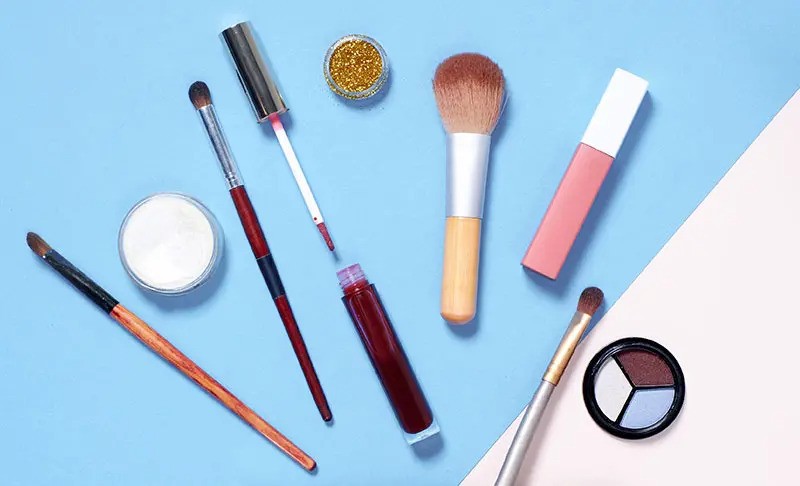
To succeed in how to dropship beauty products, you need a clear and simple framework. The process is straightforward:
choose a profitable niche (natural skincare, vegan makeup, hair accessories, etc.)
find reliable suppliers
build an effective online store
set up a clear marketing strategy.
According to Statista, the global cosmetics market is expected to reach $758 billion by 2026. In dropshipping, margins typically range from 30% to 60%. With no inventory to manage, risks stay low and you can test products quickly.
Just getting started? Here is exactly how to launch your beauty dropshipping business, step by step.
What Are the Steps to Succeed in Beauty Dropshipping?
To focus on how to dropship beauty products and secure solid margins, you need to master three basics:
choose the right niche
find a reliable supplier
build a store that converts.
This foundation is essential if you want long-term success in how to dropship beauty products
To succeed in how to dropship beauty products, you need a clear and simple framework. The process is straightforward:
choose a profitable niche (natural skincare, vegan makeup, hair accessories, etc.)
find reliable suppliers
build an effective online store
set up a clear marketing strategy.
According to Statista, the global cosmetics market is expected to reach $758 billion by 2026. In dropshipping, margins typically range from 30% to 60%. With no inventory to manage, risks stay low and you can test products quickly.
Just getting started? Here is exactly how to launch your beauty dropshipping business, step by step.
What Are the Steps to Succeed in Beauty Dropshipping?
To focus on how to dropship beauty products and secure solid margins, you need to master three basics:
choose the right niche
find a reliable supplier
build a store that converts.
This foundation is essential if you want long-term success in how to dropship beauty products
To succeed in how to dropship beauty products, you need a clear and simple framework. The process is straightforward:
choose a profitable niche (natural skincare, vegan makeup, hair accessories, etc.)
find reliable suppliers
build an effective online store
set up a clear marketing strategy.
According to Statista, the global cosmetics market is expected to reach $758 billion by 2026. In dropshipping, margins typically range from 30% to 60%. With no inventory to manage, risks stay low and you can test products quickly.
Just getting started? Here is exactly how to launch your beauty dropshipping business, step by step.
What Are the Steps to Succeed in Beauty Dropshipping?
To focus on how to dropship beauty products and secure solid margins, you need to master three basics:
choose the right niche
find a reliable supplier
build a store that converts.
This foundation is essential if you want long-term success in how to dropship beauty products
To succeed in how to dropship beauty products, you need a clear and simple framework. The process is straightforward:
choose a profitable niche (natural skincare, vegan makeup, hair accessories, etc.)
find reliable suppliers
build an effective online store
set up a clear marketing strategy.
According to Statista, the global cosmetics market is expected to reach $758 billion by 2026. In dropshipping, margins typically range from 30% to 60%. With no inventory to manage, risks stay low and you can test products quickly.
Just getting started? Here is exactly how to launch your beauty dropshipping business, step by step.
What Are the Steps to Succeed in Beauty Dropshipping?
To focus on how to dropship beauty products and secure solid margins, you need to master three basics:
choose the right niche
find a reliable supplier
build a store that converts.
This foundation is essential if you want long-term success in how to dropship beauty products
To succeed in how to dropship beauty products, you need a clear and simple framework. The process is straightforward:
choose a profitable niche (natural skincare, vegan makeup, hair accessories, etc.)
find reliable suppliers
build an effective online store
set up a clear marketing strategy.
According to Statista, the global cosmetics market is expected to reach $758 billion by 2026. In dropshipping, margins typically range from 30% to 60%. With no inventory to manage, risks stay low and you can test products quickly.
Just getting started? Here is exactly how to launch your beauty dropshipping business, step by step.
What Are the Steps to Succeed in Beauty Dropshipping?
To focus on how to dropship beauty products and secure solid margins, you need to master three basics:
choose the right niche
find a reliable supplier
build a store that converts.
This foundation is essential if you want long-term success in how to dropship beauty products






Step 1: Choose a Profitable Cosmetics Niche
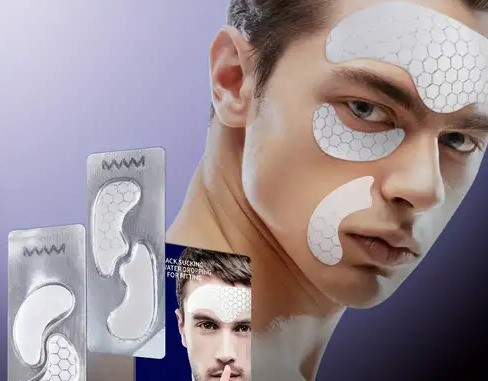
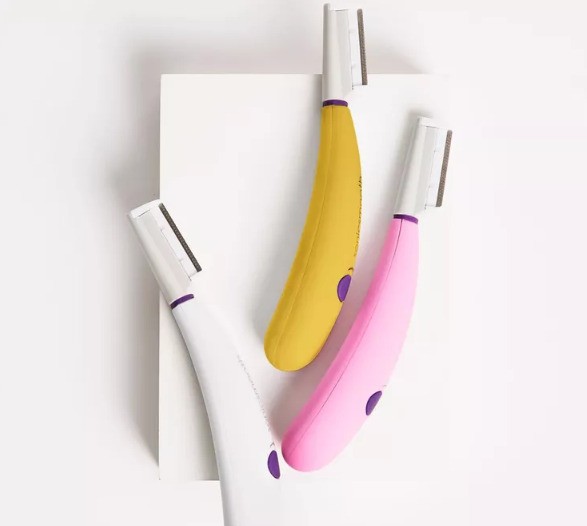
To stand out in the highly competitive beauty market, specialization is essential. Selling everything rarely works. A well-defined niche helps you attract a targeted audience and build a focused beauty business from day one, this is the foundation of how to dropship beauty products successfully.
In 2026, the most trending beauty products niches include:
natural skincare products
vegan and cruelty-free makeup products
premium hair accessories
eco-friendly cosmetics (clean beauty, zero waste)
products for sensitive or melanin-rich skin.
If a niche catches your interest, don’t rush. Validate it using Google Trends, Minea, or SEMrush. Check demand, growth signals, and search volume. Ideally, choose a growing segment that isn’t yet saturated, crucial in a competitive space.
Validate a Beauty Product with Minea
Analyze intent with AI Magic Search: Enter specific queries like “facial skincare routine” to surface the most relevant ads and uncover unmet needs in the beauty market.
Scan the Ads Library: Beauty is visual. Use Premium filters to identify high-engagement videos. Thousands of recent views signal high demand.
Check viability with Trending Shops: Study competing Shopify stores to confirm real sales and high profits potential before you commit.
Anticipate with Success Radar: Available on the Business plan, it shows whether a trend is accelerating or fading, with updates every 8 hours.
Minea turns guesswork into a data-driven dropshipping process. When Ads Library and Success Radar show green signals, your niche is ready to scale with a healthy profit margin.
Step 2: Find Reliable Suppliers (White Label or Not)
Your supplier choice can make or break your dropshipping business. You need high quality products, fast delivery, and, ideally, branding options. This is where dropshipping beauty products suppliers and suppliers of beauty products matter most.
Before choosing a partner, always verify:
product quality (order samples and test them)
fast shipping times (EU/US: 3–7 days)
branding options (custom packaging, logo, inserts)
customer reviews (Trustpilot, forums).
Recommended options for drop shipping cosmetics include:
Blanka: premium white label health and beauty products dropshipping
Greendropship: organic, natural, eco-friendly cosmetics
Jubilee Beauty: seasonal cosmetics and personal care items like for halloween or christmas
Spocket and Zendrop: vetted trusted suppliers with local warehouses
AliExpress: useful to test trending dropshipping products, but watch shipping fees and timelines.
If you want to build a beauty brand, choose private label beauty products via white label health and beauty products dropshipping. This supports branded products, differentiation, and long-term growth.
Minea simplifies sourcing with seamless access to supplier links from Ads Library creatives. It compares product cost, shows shipping fees, and helps secure margins before you import products, without holding inventory.
Step 3: Build an Optimized E-Commerce Store
A store that converts is a well-designed store. No matter which platform you choose or which niche you target, cleaning products, baby products, or any other category, the user experience, visuals, and checkout flow must be clearly structured and optimized.
To optimize your ecommerce store:
use a clean, niche-aligned design (luxury, natural, minimalist)
add high-quality visuals (packshots, lifestyle, before/after)
create clear product pages (bullets, ingredients, benefits)
include social proof (reviews, demos).
Technically, keep your site fast and mobile-first. Tools like Reconvert (AOV), DSers (inventory management), and live chat enable seamless integration for a scalable dropshipping store.

Step 1: Choose a Profitable Cosmetics Niche

To stand out in the highly competitive beauty market, specialization is essential. Selling everything rarely works. A well-defined niche helps you attract a targeted audience and build a focused beauty business from day one, this is the foundation of how to dropship beauty products successfully.
In 2026, the most trending beauty products niches include:
natural skincare products
vegan and cruelty-free makeup products
premium hair accessories
eco-friendly cosmetics (clean beauty, zero waste)
products for sensitive or melanin-rich skin.
If a niche catches your interest, don’t rush. Validate it using Google Trends, Minea, or SEMrush. Check demand, growth signals, and search volume. Ideally, choose a growing segment that isn’t yet saturated, crucial in a competitive space.
Validate a Beauty Product with Minea
Analyze intent with AI Magic Search: Enter specific queries like “facial skincare routine” to surface the most relevant ads and uncover unmet needs in the beauty market.
Scan the Ads Library: Beauty is visual. Use Premium filters to identify high-engagement videos. Thousands of recent views signal high demand.
Check viability with Trending Shops: Study competing Shopify stores to confirm real sales and high profits potential before you commit.
Anticipate with Success Radar: Available on the Business plan, it shows whether a trend is accelerating or fading, with updates every 8 hours.
Minea turns guesswork into a data-driven dropshipping process. When Ads Library and Success Radar show green signals, your niche is ready to scale with a healthy profit margin.
Step 2: Find Reliable Suppliers (White Label or Not)

Your supplier choice can make or break your dropshipping business. You need high quality products, fast delivery, and, ideally, branding options. This is where dropshipping beauty products suppliers and suppliers of beauty products matter most.
Before choosing a partner, always verify:
product quality (order samples and test them)
fast shipping times (EU/US: 3–7 days)
branding options (custom packaging, logo, inserts)
customer reviews (Trustpilot, forums).
Recommended options for drop shipping cosmetics include:
Blanka: premium white label health and beauty products dropshipping
Greendropship: organic, natural, eco-friendly cosmetics
Jubilee Beauty: seasonal cosmetics and personal care items like for halloween or christmas
Spocket and Zendrop: vetted trusted suppliers with local warehouses
AliExpress: useful to test trending dropshipping products, but watch shipping fees and timelines.
If you want to build a beauty brand, choose private label beauty products via white label health and beauty products dropshipping. This supports branded products, differentiation, and long-term growth.
Minea simplifies sourcing with seamless access to supplier links from Ads Library creatives. It compares product cost, shows shipping fees, and helps secure margins before you import products, without holding inventory.
Step 3: Build an Optimized E-Commerce Store

A store that converts is a well-designed store. No matter which platform you choose or which niche you target, cleaning products, baby products, or any other category, the user experience, visuals, and checkout flow must be clearly structured and optimized.
To optimize your ecommerce store:
use a clean, niche-aligned design (luxury, natural, minimalist)
add high-quality visuals (packshots, lifestyle, before/after)
create clear product pages (bullets, ingredients, benefits)
include social proof (reviews, demos).
Technically, keep your site fast and mobile-first. Tools like Reconvert (AOV), DSers (inventory management), and live chat enable seamless integration for a scalable dropshipping store.
Step 1: Choose a Profitable Cosmetics Niche

To stand out in the highly competitive beauty market, specialization is essential. Selling everything rarely works. A well-defined niche helps you attract a targeted audience and build a focused beauty business from day one, this is the foundation of how to dropship beauty products successfully.
In 2026, the most trending beauty products niches include:
natural skincare products
vegan and cruelty-free makeup products
premium hair accessories
eco-friendly cosmetics (clean beauty, zero waste)
products for sensitive or melanin-rich skin.
If a niche catches your interest, don’t rush. Validate it using Google Trends, Minea, or SEMrush. Check demand, growth signals, and search volume. Ideally, choose a growing segment that isn’t yet saturated, crucial in a competitive space.
Validate a Beauty Product with Minea
Analyze intent with AI Magic Search: Enter specific queries like “facial skincare routine” to surface the most relevant ads and uncover unmet needs in the beauty market.
Scan the Ads Library: Beauty is visual. Use Premium filters to identify high-engagement videos. Thousands of recent views signal high demand.
Check viability with Trending Shops: Study competing Shopify stores to confirm real sales and high profits potential before you commit.
Anticipate with Success Radar: Available on the Business plan, it shows whether a trend is accelerating or fading, with updates every 8 hours.
Minea turns guesswork into a data-driven dropshipping process. When Ads Library and Success Radar show green signals, your niche is ready to scale with a healthy profit margin.
Step 2: Find Reliable Suppliers (White Label or Not)

Your supplier choice can make or break your dropshipping business. You need high quality products, fast delivery, and, ideally, branding options. This is where dropshipping beauty products suppliers and suppliers of beauty products matter most.
Before choosing a partner, always verify:
product quality (order samples and test them)
fast shipping times (EU/US: 3–7 days)
branding options (custom packaging, logo, inserts)
customer reviews (Trustpilot, forums).
Recommended options for drop shipping cosmetics include:
Blanka: premium white label health and beauty products dropshipping
Greendropship: organic, natural, eco-friendly cosmetics
Jubilee Beauty: seasonal cosmetics and personal care items like for halloween or christmas
Spocket and Zendrop: vetted trusted suppliers with local warehouses
AliExpress: useful to test trending dropshipping products, but watch shipping fees and timelines.
If you want to build a beauty brand, choose private label beauty products via white label health and beauty products dropshipping. This supports branded products, differentiation, and long-term growth.
Minea simplifies sourcing with seamless access to supplier links from Ads Library creatives. It compares product cost, shows shipping fees, and helps secure margins before you import products, without holding inventory.
Step 3: Build an Optimized E-Commerce Store

A store that converts is a well-designed store. No matter which platform you choose or which niche you target, cleaning products, baby products, or any other category, the user experience, visuals, and checkout flow must be clearly structured and optimized.
To optimize your ecommerce store:
use a clean, niche-aligned design (luxury, natural, minimalist)
add high-quality visuals (packshots, lifestyle, before/after)
create clear product pages (bullets, ingredients, benefits)
include social proof (reviews, demos).
Technically, keep your site fast and mobile-first. Tools like Reconvert (AOV), DSers (inventory management), and live chat enable seamless integration for a scalable dropshipping store.
Step 1: Choose a Profitable Cosmetics Niche

To stand out in the highly competitive beauty market, specialization is essential. Selling everything rarely works. A well-defined niche helps you attract a targeted audience and build a focused beauty business from day one, this is the foundation of how to dropship beauty products successfully.
In 2026, the most trending beauty products niches include:
natural skincare products
vegan and cruelty-free makeup products
premium hair accessories
eco-friendly cosmetics (clean beauty, zero waste)
products for sensitive or melanin-rich skin.
If a niche catches your interest, don’t rush. Validate it using Google Trends, Minea, or SEMrush. Check demand, growth signals, and search volume. Ideally, choose a growing segment that isn’t yet saturated, crucial in a competitive space.
Validate a Beauty Product with Minea
Analyze intent with AI Magic Search: Enter specific queries like “facial skincare routine” to surface the most relevant ads and uncover unmet needs in the beauty market.
Scan the Ads Library: Beauty is visual. Use Premium filters to identify high-engagement videos. Thousands of recent views signal high demand.
Check viability with Trending Shops: Study competing Shopify stores to confirm real sales and high profits potential before you commit.
Anticipate with Success Radar: Available on the Business plan, it shows whether a trend is accelerating or fading, with updates every 8 hours.
Minea turns guesswork into a data-driven dropshipping process. When Ads Library and Success Radar show green signals, your niche is ready to scale with a healthy profit margin.
Step 2: Find Reliable Suppliers (White Label or Not)

Your supplier choice can make or break your dropshipping business. You need high quality products, fast delivery, and, ideally, branding options. This is where dropshipping beauty products suppliers and suppliers of beauty products matter most.
Before choosing a partner, always verify:
product quality (order samples and test them)
fast shipping times (EU/US: 3–7 days)
branding options (custom packaging, logo, inserts)
customer reviews (Trustpilot, forums).
Recommended options for drop shipping cosmetics include:
Blanka: premium white label health and beauty products dropshipping
Greendropship: organic, natural, eco-friendly cosmetics
Jubilee Beauty: seasonal cosmetics and personal care items like for halloween or christmas
Spocket and Zendrop: vetted trusted suppliers with local warehouses
AliExpress: useful to test trending dropshipping products, but watch shipping fees and timelines.
If you want to build a beauty brand, choose private label beauty products via white label health and beauty products dropshipping. This supports branded products, differentiation, and long-term growth.
Minea simplifies sourcing with seamless access to supplier links from Ads Library creatives. It compares product cost, shows shipping fees, and helps secure margins before you import products, without holding inventory.
Step 3: Build an Optimized E-Commerce Store

A store that converts is a well-designed store. No matter which platform you choose or which niche you target, cleaning products, baby products, or any other category, the user experience, visuals, and checkout flow must be clearly structured and optimized.
To optimize your ecommerce store:
use a clean, niche-aligned design (luxury, natural, minimalist)
add high-quality visuals (packshots, lifestyle, before/after)
create clear product pages (bullets, ingredients, benefits)
include social proof (reviews, demos).
Technically, keep your site fast and mobile-first. Tools like Reconvert (AOV), DSers (inventory management), and live chat enable seamless integration for a scalable dropshipping store.
Step 1: Choose a Profitable Cosmetics Niche

To stand out in the highly competitive beauty market, specialization is essential. Selling everything rarely works. A well-defined niche helps you attract a targeted audience and build a focused beauty business from day one, this is the foundation of how to dropship beauty products successfully.
In 2026, the most trending beauty products niches include:
natural skincare products
vegan and cruelty-free makeup products
premium hair accessories
eco-friendly cosmetics (clean beauty, zero waste)
products for sensitive or melanin-rich skin.
If a niche catches your interest, don’t rush. Validate it using Google Trends, Minea, or SEMrush. Check demand, growth signals, and search volume. Ideally, choose a growing segment that isn’t yet saturated, crucial in a competitive space.
Validate a Beauty Product with Minea
Analyze intent with AI Magic Search: Enter specific queries like “facial skincare routine” to surface the most relevant ads and uncover unmet needs in the beauty market.
Scan the Ads Library: Beauty is visual. Use Premium filters to identify high-engagement videos. Thousands of recent views signal high demand.
Check viability with Trending Shops: Study competing Shopify stores to confirm real sales and high profits potential before you commit.
Anticipate with Success Radar: Available on the Business plan, it shows whether a trend is accelerating or fading, with updates every 8 hours.
Minea turns guesswork into a data-driven dropshipping process. When Ads Library and Success Radar show green signals, your niche is ready to scale with a healthy profit margin.
Step 2: Find Reliable Suppliers (White Label or Not)

Your supplier choice can make or break your dropshipping business. You need high quality products, fast delivery, and, ideally, branding options. This is where dropshipping beauty products suppliers and suppliers of beauty products matter most.
Before choosing a partner, always verify:
product quality (order samples and test them)
fast shipping times (EU/US: 3–7 days)
branding options (custom packaging, logo, inserts)
customer reviews (Trustpilot, forums).
Recommended options for drop shipping cosmetics include:
Blanka: premium white label health and beauty products dropshipping
Greendropship: organic, natural, eco-friendly cosmetics
Jubilee Beauty: seasonal cosmetics and personal care items like for halloween or christmas
Spocket and Zendrop: vetted trusted suppliers with local warehouses
AliExpress: useful to test trending dropshipping products, but watch shipping fees and timelines.
If you want to build a beauty brand, choose private label beauty products via white label health and beauty products dropshipping. This supports branded products, differentiation, and long-term growth.
Minea simplifies sourcing with seamless access to supplier links from Ads Library creatives. It compares product cost, shows shipping fees, and helps secure margins before you import products, without holding inventory.
Step 3: Build an Optimized E-Commerce Store

A store that converts is a well-designed store. No matter which platform you choose or which niche you target, cleaning products, baby products, or any other category, the user experience, visuals, and checkout flow must be clearly structured and optimized.
To optimize your ecommerce store:
use a clean, niche-aligned design (luxury, natural, minimalist)
add high-quality visuals (packshots, lifestyle, before/after)
create clear product pages (bullets, ingredients, benefits)
include social proof (reviews, demos).
Technically, keep your site fast and mobile-first. Tools like Reconvert (AOV), DSers (inventory management), and live chat enable seamless integration for a scalable dropshipping store.
Step 1: Choose a Profitable Cosmetics Niche

To stand out in the highly competitive beauty market, specialization is essential. Selling everything rarely works. A well-defined niche helps you attract a targeted audience and build a focused beauty business from day one, this is the foundation of how to dropship beauty products successfully.
In 2026, the most trending beauty products niches include:
natural skincare products
vegan and cruelty-free makeup products
premium hair accessories
eco-friendly cosmetics (clean beauty, zero waste)
products for sensitive or melanin-rich skin.
If a niche catches your interest, don’t rush. Validate it using Google Trends, Minea, or SEMrush. Check demand, growth signals, and search volume. Ideally, choose a growing segment that isn’t yet saturated, crucial in a competitive space.
Validate a Beauty Product with Minea
Analyze intent with AI Magic Search: Enter specific queries like “facial skincare routine” to surface the most relevant ads and uncover unmet needs in the beauty market.
Scan the Ads Library: Beauty is visual. Use Premium filters to identify high-engagement videos. Thousands of recent views signal high demand.
Check viability with Trending Shops: Study competing Shopify stores to confirm real sales and high profits potential before you commit.
Anticipate with Success Radar: Available on the Business plan, it shows whether a trend is accelerating or fading, with updates every 8 hours.
Minea turns guesswork into a data-driven dropshipping process. When Ads Library and Success Radar show green signals, your niche is ready to scale with a healthy profit margin.
Step 2: Find Reliable Suppliers (White Label or Not)

Your supplier choice can make or break your dropshipping business. You need high quality products, fast delivery, and, ideally, branding options. This is where dropshipping beauty products suppliers and suppliers of beauty products matter most.
Before choosing a partner, always verify:
product quality (order samples and test them)
fast shipping times (EU/US: 3–7 days)
branding options (custom packaging, logo, inserts)
customer reviews (Trustpilot, forums).
Recommended options for drop shipping cosmetics include:
Blanka: premium white label health and beauty products dropshipping
Greendropship: organic, natural, eco-friendly cosmetics
Jubilee Beauty: seasonal cosmetics and personal care items like for halloween or christmas
Spocket and Zendrop: vetted trusted suppliers with local warehouses
AliExpress: useful to test trending dropshipping products, but watch shipping fees and timelines.
If you want to build a beauty brand, choose private label beauty products via white label health and beauty products dropshipping. This supports branded products, differentiation, and long-term growth.
Minea simplifies sourcing with seamless access to supplier links from Ads Library creatives. It compares product cost, shows shipping fees, and helps secure margins before you import products, without holding inventory.
Step 3: Build an Optimized E-Commerce Store

A store that converts is a well-designed store. No matter which platform you choose or which niche you target, cleaning products, baby products, or any other category, the user experience, visuals, and checkout flow must be clearly structured and optimized.
To optimize your ecommerce store:
use a clean, niche-aligned design (luxury, natural, minimalist)
add high-quality visuals (packshots, lifestyle, before/after)
create clear product pages (bullets, ingredients, benefits)
include social proof (reviews, demos).
Technically, keep your site fast and mobile-first. Tools like Reconvert (AOV), DSers (inventory management), and live chat enable seamless integration for a scalable dropshipping store.

Create and test your Shopify store for only $1 per day during 90 days


Create and test your Shopify store for only $1 per day during 90 days


Create and test your Shopify store for only $1 per day during 90 days


Create and test your Shopify store for only $1 per day during 90 days


Create and test your Shopify store for only $1 per day during 90 days


Create and test your Shopify store for only $1 per day during 90 days

Step 4: Set Up a Beauty Marketing Strategy

No visibility means no sales. A clear strategy is essential to sell beauty products and build a successful brand.
Focus on Social Media
Create engaging content on:
Instagram: routines, visuals, before/after
TikTok: tutorials, unboxings, quick transformations.
Keep it simple and consistent. Show real textures, application, and outcomes. Authentic content improves customer experience and drives conversions for dropship beauty products.
Work with Beauty Micro-Influencers
Micro-influencers deliver strong ROI with engaged customers. Offer codes, commissions, or samples to accelerate sales without inflating costs.
Positioning & Storytelling
Define a clear angle, clean, inclusive, minimalist, ethical, and explain why your brand is different. Strong storytelling builds trust and supports long-term growth.
Integrate SEO Keywords
Use buyer-intent terms across titles, descriptions, ALT tags, URLs, FAQs, and blogs. Tools like Minea, SEMrush, and Ubersuggest help you stay aligned with the latest trends.
Step 5: Optimize SEO and Product Positioning

Want better rankings fast in a competitive beauty market? Target long-tail transactional keywords that show clear buying intent, such as "sulfate-free solid shampoo” This strategy is essential when learning how to dropship beauty products, as it targets customers who are ready to buy.
On the technical side, optimize your Title tags, H1–H3 headings, URLs, and image ALT attributes to strengthen image SEO. In cosmetics, visual search plays a major role in driving traffic and supporting high demand.
Do not overlook SEO integration through a detailed FAQ. A strong FAQ answers real customer questions, improves trust, and supports customer satisfaction. Finally, build an SEO hub. An educational blog focused on routines, ingredients, and skincare products attracts qualified organic traffic and positions your online store as a trusted authority. This approach strengthens your dropshipping business and helps build a successful brand over time.
Step 6: Manage Orders, Shipping, and Customer Support

To grow a sustainable beauty business, logistics and customer relationships must be a priority, even if you later expand into other niches like shoes, cleaning products etc.... Fast delivery is critical for ensuring customer satisfaction. Choose reliable suppliers with warehouses in Europe or the United States. Shipping within 3–7 days helps reduce cart abandonment and improves the overall customer experience, a key factor in dropship beauty success.
Automate Order Management
To save time and reduce errors, use tools such as Spocket, DSers, or Zendrop. These solutions handle order tracking, stock updates, and fulfillment automatically. With proper inventory management, you can scale your dropshipping store efficiently without manually handling orders or holding inventory.
Offer Strong Customer Support
Use platforms like Gorgias or Reamaze to manage requests. Set up live chat, maintain a clear FAQ, and respond quickly. Quality support builds trust, strengthens customer satisfaction, and encourages repeat sales in beauty products.
Step 4: Set Up a Beauty Marketing Strategy

No visibility means no sales. A clear strategy is essential to sell beauty products and build a successful brand.
Focus on Social Media
Create engaging content on:
Instagram: routines, visuals, before/after
TikTok: tutorials, unboxings, quick transformations.
Keep it simple and consistent. Show real textures, application, and outcomes. Authentic content improves customer experience and drives conversions for dropship beauty products.
Work with Beauty Micro-Influencers
Micro-influencers deliver strong ROI with engaged customers. Offer codes, commissions, or samples to accelerate sales without inflating costs.
Positioning & Storytelling
Define a clear angle, clean, inclusive, minimalist, ethical, and explain why your brand is different. Strong storytelling builds trust and supports long-term growth.
Integrate SEO Keywords
Use buyer-intent terms across titles, descriptions, ALT tags, URLs, FAQs, and blogs. Tools like Minea, SEMrush, and Ubersuggest help you stay aligned with the latest trends.
Step 5: Optimize SEO and Product Positioning

Want better rankings fast in a competitive beauty market? Target long-tail transactional keywords that show clear buying intent, such as "sulfate-free solid shampoo” This strategy is essential when learning how to dropship beauty products, as it targets customers who are ready to buy.
On the technical side, optimize your Title tags, H1–H3 headings, URLs, and image ALT attributes to strengthen image SEO. In cosmetics, visual search plays a major role in driving traffic and supporting high demand.
Do not overlook SEO integration through a detailed FAQ. A strong FAQ answers real customer questions, improves trust, and supports customer satisfaction. Finally, build an SEO hub. An educational blog focused on routines, ingredients, and skincare products attracts qualified organic traffic and positions your online store as a trusted authority. This approach strengthens your dropshipping business and helps build a successful brand over time.
Step 6: Manage Orders, Shipping, and Customer Support

To grow a sustainable beauty business, logistics and customer relationships must be a priority, even if you later expand into other niches like shoes, cleaning products etc.... Fast delivery is critical for ensuring customer satisfaction. Choose reliable suppliers with warehouses in Europe or the United States. Shipping within 3–7 days helps reduce cart abandonment and improves the overall customer experience, a key factor in dropship beauty success.
Automate Order Management
To save time and reduce errors, use tools such as Spocket, DSers, or Zendrop. These solutions handle order tracking, stock updates, and fulfillment automatically. With proper inventory management, you can scale your dropshipping store efficiently without manually handling orders or holding inventory.
Offer Strong Customer Support
Use platforms like Gorgias or Reamaze to manage requests. Set up live chat, maintain a clear FAQ, and respond quickly. Quality support builds trust, strengthens customer satisfaction, and encourages repeat sales in beauty products.
Step 4: Set Up a Beauty Marketing Strategy

No visibility means no sales. A clear strategy is essential to sell beauty products and build a successful brand.
Focus on Social Media
Create engaging content on:
Instagram: routines, visuals, before/after
TikTok: tutorials, unboxings, quick transformations.
Keep it simple and consistent. Show real textures, application, and outcomes. Authentic content improves customer experience and drives conversions for dropship beauty products.
Work with Beauty Micro-Influencers
Micro-influencers deliver strong ROI with engaged customers. Offer codes, commissions, or samples to accelerate sales without inflating costs.
Positioning & Storytelling
Define a clear angle, clean, inclusive, minimalist, ethical, and explain why your brand is different. Strong storytelling builds trust and supports long-term growth.
Integrate SEO Keywords
Use buyer-intent terms across titles, descriptions, ALT tags, URLs, FAQs, and blogs. Tools like Minea, SEMrush, and Ubersuggest help you stay aligned with the latest trends.
Step 5: Optimize SEO and Product Positioning

Want better rankings fast in a competitive beauty market? Target long-tail transactional keywords that show clear buying intent, such as "sulfate-free solid shampoo” This strategy is essential when learning how to dropship beauty products, as it targets customers who are ready to buy.
On the technical side, optimize your Title tags, H1–H3 headings, URLs, and image ALT attributes to strengthen image SEO. In cosmetics, visual search plays a major role in driving traffic and supporting high demand.
Do not overlook SEO integration through a detailed FAQ. A strong FAQ answers real customer questions, improves trust, and supports customer satisfaction. Finally, build an SEO hub. An educational blog focused on routines, ingredients, and skincare products attracts qualified organic traffic and positions your online store as a trusted authority. This approach strengthens your dropshipping business and helps build a successful brand over time.
Step 6: Manage Orders, Shipping, and Customer Support

To grow a sustainable beauty business, logistics and customer relationships must be a priority, even if you later expand into other niches like shoes, cleaning products etc.... Fast delivery is critical for ensuring customer satisfaction. Choose reliable suppliers with warehouses in Europe or the United States. Shipping within 3–7 days helps reduce cart abandonment and improves the overall customer experience, a key factor in dropship beauty success.
Automate Order Management
To save time and reduce errors, use tools such as Spocket, DSers, or Zendrop. These solutions handle order tracking, stock updates, and fulfillment automatically. With proper inventory management, you can scale your dropshipping store efficiently without manually handling orders or holding inventory.
Offer Strong Customer Support
Use platforms like Gorgias or Reamaze to manage requests. Set up live chat, maintain a clear FAQ, and respond quickly. Quality support builds trust, strengthens customer satisfaction, and encourages repeat sales in beauty products.
Step 4: Set Up a Beauty Marketing Strategy

No visibility means no sales. A clear strategy is essential to sell beauty products and build a successful brand.
Focus on Social Media
Create engaging content on:
Instagram: routines, visuals, before/after
TikTok: tutorials, unboxings, quick transformations.
Keep it simple and consistent. Show real textures, application, and outcomes. Authentic content improves customer experience and drives conversions for dropship beauty products.
Work with Beauty Micro-Influencers
Micro-influencers deliver strong ROI with engaged customers. Offer codes, commissions, or samples to accelerate sales without inflating costs.
Positioning & Storytelling
Define a clear angle, clean, inclusive, minimalist, ethical, and explain why your brand is different. Strong storytelling builds trust and supports long-term growth.
Integrate SEO Keywords
Use buyer-intent terms across titles, descriptions, ALT tags, URLs, FAQs, and blogs. Tools like Minea, SEMrush, and Ubersuggest help you stay aligned with the latest trends.
Step 5: Optimize SEO and Product Positioning

Want better rankings fast in a competitive beauty market? Target long-tail transactional keywords that show clear buying intent, such as "sulfate-free solid shampoo” This strategy is essential when learning how to dropship beauty products, as it targets customers who are ready to buy.
On the technical side, optimize your Title tags, H1–H3 headings, URLs, and image ALT attributes to strengthen image SEO. In cosmetics, visual search plays a major role in driving traffic and supporting high demand.
Do not overlook SEO integration through a detailed FAQ. A strong FAQ answers real customer questions, improves trust, and supports customer satisfaction. Finally, build an SEO hub. An educational blog focused on routines, ingredients, and skincare products attracts qualified organic traffic and positions your online store as a trusted authority. This approach strengthens your dropshipping business and helps build a successful brand over time.
Step 6: Manage Orders, Shipping, and Customer Support

To grow a sustainable beauty business, logistics and customer relationships must be a priority, even if you later expand into other niches like shoes, cleaning products etc.... Fast delivery is critical for ensuring customer satisfaction. Choose reliable suppliers with warehouses in Europe or the United States. Shipping within 3–7 days helps reduce cart abandonment and improves the overall customer experience, a key factor in dropship beauty success.
Automate Order Management
To save time and reduce errors, use tools such as Spocket, DSers, or Zendrop. These solutions handle order tracking, stock updates, and fulfillment automatically. With proper inventory management, you can scale your dropshipping store efficiently without manually handling orders or holding inventory.
Offer Strong Customer Support
Use platforms like Gorgias or Reamaze to manage requests. Set up live chat, maintain a clear FAQ, and respond quickly. Quality support builds trust, strengthens customer satisfaction, and encourages repeat sales in beauty products.
Step 4: Set Up a Beauty Marketing Strategy

No visibility means no sales. A clear strategy is essential to sell beauty products and build a successful brand.
Focus on Social Media
Create engaging content on:
Instagram: routines, visuals, before/after
TikTok: tutorials, unboxings, quick transformations.
Keep it simple and consistent. Show real textures, application, and outcomes. Authentic content improves customer experience and drives conversions for dropship beauty products.
Work with Beauty Micro-Influencers
Micro-influencers deliver strong ROI with engaged customers. Offer codes, commissions, or samples to accelerate sales without inflating costs.
Positioning & Storytelling
Define a clear angle, clean, inclusive, minimalist, ethical, and explain why your brand is different. Strong storytelling builds trust and supports long-term growth.
Integrate SEO Keywords
Use buyer-intent terms across titles, descriptions, ALT tags, URLs, FAQs, and blogs. Tools like Minea, SEMrush, and Ubersuggest help you stay aligned with the latest trends.
Step 5: Optimize SEO and Product Positioning

Want better rankings fast in a competitive beauty market? Target long-tail transactional keywords that show clear buying intent, such as "sulfate-free solid shampoo” This strategy is essential when learning how to dropship beauty products, as it targets customers who are ready to buy.
On the technical side, optimize your Title tags, H1–H3 headings, URLs, and image ALT attributes to strengthen image SEO. In cosmetics, visual search plays a major role in driving traffic and supporting high demand.
Do not overlook SEO integration through a detailed FAQ. A strong FAQ answers real customer questions, improves trust, and supports customer satisfaction. Finally, build an SEO hub. An educational blog focused on routines, ingredients, and skincare products attracts qualified organic traffic and positions your online store as a trusted authority. This approach strengthens your dropshipping business and helps build a successful brand over time.
Step 6: Manage Orders, Shipping, and Customer Support

To grow a sustainable beauty business, logistics and customer relationships must be a priority, even if you later expand into other niches like shoes, cleaning products etc.... Fast delivery is critical for ensuring customer satisfaction. Choose reliable suppliers with warehouses in Europe or the United States. Shipping within 3–7 days helps reduce cart abandonment and improves the overall customer experience, a key factor in dropship beauty success.
Automate Order Management
To save time and reduce errors, use tools such as Spocket, DSers, or Zendrop. These solutions handle order tracking, stock updates, and fulfillment automatically. With proper inventory management, you can scale your dropshipping store efficiently without manually handling orders or holding inventory.
Offer Strong Customer Support
Use platforms like Gorgias or Reamaze to manage requests. Set up live chat, maintain a clear FAQ, and respond quickly. Quality support builds trust, strengthens customer satisfaction, and encourages repeat sales in beauty products.
Step 4: Set Up a Beauty Marketing Strategy

No visibility means no sales. A clear strategy is essential to sell beauty products and build a successful brand.
Focus on Social Media
Create engaging content on:
Instagram: routines, visuals, before/after
TikTok: tutorials, unboxings, quick transformations.
Keep it simple and consistent. Show real textures, application, and outcomes. Authentic content improves customer experience and drives conversions for dropship beauty products.
Work with Beauty Micro-Influencers
Micro-influencers deliver strong ROI with engaged customers. Offer codes, commissions, or samples to accelerate sales without inflating costs.
Positioning & Storytelling
Define a clear angle, clean, inclusive, minimalist, ethical, and explain why your brand is different. Strong storytelling builds trust and supports long-term growth.
Integrate SEO Keywords
Use buyer-intent terms across titles, descriptions, ALT tags, URLs, FAQs, and blogs. Tools like Minea, SEMrush, and Ubersuggest help you stay aligned with the latest trends.
Step 5: Optimize SEO and Product Positioning

Want better rankings fast in a competitive beauty market? Target long-tail transactional keywords that show clear buying intent, such as "sulfate-free solid shampoo” This strategy is essential when learning how to dropship beauty products, as it targets customers who are ready to buy.
On the technical side, optimize your Title tags, H1–H3 headings, URLs, and image ALT attributes to strengthen image SEO. In cosmetics, visual search plays a major role in driving traffic and supporting high demand.
Do not overlook SEO integration through a detailed FAQ. A strong FAQ answers real customer questions, improves trust, and supports customer satisfaction. Finally, build an SEO hub. An educational blog focused on routines, ingredients, and skincare products attracts qualified organic traffic and positions your online store as a trusted authority. This approach strengthens your dropshipping business and helps build a successful brand over time.
Step 6: Manage Orders, Shipping, and Customer Support

To grow a sustainable beauty business, logistics and customer relationships must be a priority, even if you later expand into other niches like shoes, cleaning products etc.... Fast delivery is critical for ensuring customer satisfaction. Choose reliable suppliers with warehouses in Europe or the United States. Shipping within 3–7 days helps reduce cart abandonment and improves the overall customer experience, a key factor in dropship beauty success.
Automate Order Management
To save time and reduce errors, use tools such as Spocket, DSers, or Zendrop. These solutions handle order tracking, stock updates, and fulfillment automatically. With proper inventory management, you can scale your dropshipping store efficiently without manually handling orders or holding inventory.
Offer Strong Customer Support
Use platforms like Gorgias or Reamaze to manage requests. Set up live chat, maintain a clear FAQ, and respond quickly. Quality support builds trust, strengthens customer satisfaction, and encourages repeat sales in beauty products.
Minea
Reach $1,000 per day or get your money back

Minea
Reach $1,000 per day or get your money back

Minea
Reach $1,000 per day or get your money back

Minea
Reach $1,000 per day or get your money back

Minea
Reach $1,000 per day or get your money back

Minea
Reach $1,000 per day or get your money back

Step 7: Track Trends, Analyze Competitors, and Adjust

In the beauty industry, staying informed is non-negotiable. Monitor social media and advertising platforms to spot latest trends, new ingredients, or accessories that suddenly go viral. The goal is to identify trending beauty products and trending dropshipping products before they become saturated.
To succeed, also study the top-performing stores in your niche. Do not copy blindly, analyze:
Engagement: which ad formats generate the most comments and shares?
Copywriting: what tone reassures a demanding beauty audience?
Visuals: do raw, authentic visuals outperform polished creatives?
Review your data regularly. If performance drops, act quickly. Update hooks, visuals, or offers by learning from what works right now. By continuously adapting your marketing strategy and product selection, you turn your dropshipping process into a resilient, highly competitive system that supports long-term growth in beauty products sales.
Beauty Product Dropshipping: Mistakes to Avoid
In the beauty industry, mistakes are expensive. Refunds, negative reviews, and lost trust can quickly damage a store. If you want to understand how to dropship beauty products successfully, avoid these common traps.
Ignoring Cosmetic Regulations
Like health or high-tech items, cosmetics are strictly regulated. Before selling, make sure your products comply with the rules of your target market (EU, US, etc.):
approved ingredients
complete and compliant labeling
dermatologically tested formulas
no banned substances (such as parabens or phthalates)
In Europe, products must be registered in the CPNP (Cosmetic Product Notification Portal). In the US, the FDA can remove non-compliant cosmetic products from the market. Ignoring regulations puts your beauty business and customer satisfaction at risk.
Using Misleading Visuals
Stolen or over-edited images hurt credibility. Only show what you actually sell. Use visuals that are:
official (from suppliers of beauty products or your own shoots)
consistent with real packaging and texture
based on real demos or before-and-after tests when possible
Over-polished images that don’t match the real product increase refunds and harm ensuring customer satisfaction.
Selling Without Testing Your Suppliers
Never rely on appearances alone. Some dropshipping beauty products suppliers deliver low-quality or poorly packaged items. Always order samples and check:
real product quality
actual delivery times and fast shipping options
packaging condition
accuracy of the product description
Never launch ads without testing. This step is essential when working with reliable suppliers.
Forgetting Returns and Dispute Management
Returns are more complex in drop shipping, but you still need a clear process:
write a clear return policy (opened products = non-returnable)
offer exchanges or store credit when possible
respond quickly to disputes, service makes the difference
A well-supported customer may come back. An ignored customer leaves a one-star review and hurts your beauty brand.
Tips to Sell Beauty Products Online and Stand Out

To sell beauty products online, a nice-looking store is not enough. Think about the full customer experience, from the first click to delivery.
Improve the Customer Experience
In beauty, emotion matters. Create a real experience around your products:
Packaging: clean, branded, and consistent. Some white label health and beauty products dropshipping suppliers offer custom packaging.
Unboxing: add a thank-you note, a card, or a QR code linking to a tutorial. These details encourage sharing and repeat purchases.
Optimize Your Product Pages
Each page should persuade and reassure:
clear title with a main benefit (example: “Glow Face Serum – Vitamin C + Hyaluronic Acid”)
high-quality photos showing texture, use, and results
persuasive descriptions focused on results, not just ingredients
SEO keywords related to skincare products, makeup, or personal care
social proof such as reviews or “best-seller” labels
These elements support high demand, high profits, and long-term growth for your dropshipping store.
Highlight What Makes You Unique
Don’t just sell a product, sell a positioning. Organic, vegan, allergen-free, or private label products? Say it clearly. Strong differentiation builds trust and helps create a successful brand in a competitive beauty market.

Step 7: Track Trends, Analyze Competitors, and Adjust

In the beauty industry, staying informed is non-negotiable. Monitor social media and advertising platforms to spot latest trends, new ingredients, or accessories that suddenly go viral. The goal is to identify trending beauty products and trending dropshipping products before they become saturated.
To succeed, also study the top-performing stores in your niche. Do not copy blindly, analyze:
Engagement: which ad formats generate the most comments and shares?
Copywriting: what tone reassures a demanding beauty audience?
Visuals: do raw, authentic visuals outperform polished creatives?
Review your data regularly. If performance drops, act quickly. Update hooks, visuals, or offers by learning from what works right now. By continuously adapting your marketing strategy and product selection, you turn your dropshipping process into a resilient, highly competitive system that supports long-term growth in beauty products sales.
Beauty Product Dropshipping: Mistakes to Avoid

In the beauty industry, mistakes are expensive. Refunds, negative reviews, and lost trust can quickly damage a store. If you want to understand how to dropship beauty products successfully, avoid these common traps.
Ignoring Cosmetic Regulations
Like health or high-tech items, cosmetics are strictly regulated. Before selling, make sure your products comply with the rules of your target market (EU, US, etc.):
approved ingredients
complete and compliant labeling
dermatologically tested formulas
no banned substances (such as parabens or phthalates)
In Europe, products must be registered in the CPNP (Cosmetic Product Notification Portal). In the US, the FDA can remove non-compliant cosmetic products from the market. Ignoring regulations puts your beauty business and customer satisfaction at risk.
Using Misleading Visuals
Stolen or over-edited images hurt credibility. Only show what you actually sell. Use visuals that are:
official (from suppliers of beauty products or your own shoots)
consistent with real packaging and texture
based on real demos or before-and-after tests when possible
Over-polished images that don’t match the real product increase refunds and harm ensuring customer satisfaction.
Selling Without Testing Your Suppliers
Never rely on appearances alone. Some dropshipping beauty products suppliers deliver low-quality or poorly packaged items. Always order samples and check:
real product quality
actual delivery times and fast shipping options
packaging condition
accuracy of the product description
Never launch ads without testing. This step is essential when working with reliable suppliers.
Forgetting Returns and Dispute Management
Returns are more complex in drop shipping, but you still need a clear process:
write a clear return policy (opened products = non-returnable)
offer exchanges or store credit when possible
respond quickly to disputes, service makes the difference
A well-supported customer may come back. An ignored customer leaves a one-star review and hurts your beauty brand.
Tips to Sell Beauty Products Online and Stand Out

To sell beauty products online, a nice-looking store is not enough. Think about the full customer experience, from the first click to delivery.
Improve the Customer Experience
In beauty, emotion matters. Create a real experience around your products:
Packaging: clean, branded, and consistent. Some white label health and beauty products dropshipping suppliers offer custom packaging.
Unboxing: add a thank-you note, a card, or a QR code linking to a tutorial. These details encourage sharing and repeat purchases.
Optimize Your Product Pages
Each page should persuade and reassure:
clear title with a main benefit (example: “Glow Face Serum – Vitamin C + Hyaluronic Acid”)
high-quality photos showing texture, use, and results
persuasive descriptions focused on results, not just ingredients
SEO keywords related to skincare products, makeup, or personal care
social proof such as reviews or “best-seller” labels
These elements support high demand, high profits, and long-term growth for your dropshipping store.
Highlight What Makes You Unique
Don’t just sell a product, sell a positioning. Organic, vegan, allergen-free, or private label products? Say it clearly. Strong differentiation builds trust and helps create a successful brand in a competitive beauty market.
Step 7: Track Trends, Analyze Competitors, and Adjust

In the beauty industry, staying informed is non-negotiable. Monitor social media and advertising platforms to spot latest trends, new ingredients, or accessories that suddenly go viral. The goal is to identify trending beauty products and trending dropshipping products before they become saturated.
To succeed, also study the top-performing stores in your niche. Do not copy blindly, analyze:
Engagement: which ad formats generate the most comments and shares?
Copywriting: what tone reassures a demanding beauty audience?
Visuals: do raw, authentic visuals outperform polished creatives?
Review your data regularly. If performance drops, act quickly. Update hooks, visuals, or offers by learning from what works right now. By continuously adapting your marketing strategy and product selection, you turn your dropshipping process into a resilient, highly competitive system that supports long-term growth in beauty products sales.
Beauty Product Dropshipping: Mistakes to Avoid

In the beauty industry, mistakes are expensive. Refunds, negative reviews, and lost trust can quickly damage a store. If you want to understand how to dropship beauty products successfully, avoid these common traps.
Ignoring Cosmetic Regulations
Like health or high-tech items, cosmetics are strictly regulated. Before selling, make sure your products comply with the rules of your target market (EU, US, etc.):
approved ingredients
complete and compliant labeling
dermatologically tested formulas
no banned substances (such as parabens or phthalates)
In Europe, products must be registered in the CPNP (Cosmetic Product Notification Portal). In the US, the FDA can remove non-compliant cosmetic products from the market. Ignoring regulations puts your beauty business and customer satisfaction at risk.
Using Misleading Visuals
Stolen or over-edited images hurt credibility. Only show what you actually sell. Use visuals that are:
official (from suppliers of beauty products or your own shoots)
consistent with real packaging and texture
based on real demos or before-and-after tests when possible
Over-polished images that don’t match the real product increase refunds and harm ensuring customer satisfaction.
Selling Without Testing Your Suppliers
Never rely on appearances alone. Some dropshipping beauty products suppliers deliver low-quality or poorly packaged items. Always order samples and check:
real product quality
actual delivery times and fast shipping options
packaging condition
accuracy of the product description
Never launch ads without testing. This step is essential when working with reliable suppliers.
Forgetting Returns and Dispute Management
Returns are more complex in drop shipping, but you still need a clear process:
write a clear return policy (opened products = non-returnable)
offer exchanges or store credit when possible
respond quickly to disputes, service makes the difference
A well-supported customer may come back. An ignored customer leaves a one-star review and hurts your beauty brand.
Tips to Sell Beauty Products Online and Stand Out

To sell beauty products online, a nice-looking store is not enough. Think about the full customer experience, from the first click to delivery.
Improve the Customer Experience
In beauty, emotion matters. Create a real experience around your products:
Packaging: clean, branded, and consistent. Some white label health and beauty products dropshipping suppliers offer custom packaging.
Unboxing: add a thank-you note, a card, or a QR code linking to a tutorial. These details encourage sharing and repeat purchases.
Optimize Your Product Pages
Each page should persuade and reassure:
clear title with a main benefit (example: “Glow Face Serum – Vitamin C + Hyaluronic Acid”)
high-quality photos showing texture, use, and results
persuasive descriptions focused on results, not just ingredients
SEO keywords related to skincare products, makeup, or personal care
social proof such as reviews or “best-seller” labels
These elements support high demand, high profits, and long-term growth for your dropshipping store.
Highlight What Makes You Unique
Don’t just sell a product, sell a positioning. Organic, vegan, allergen-free, or private label products? Say it clearly. Strong differentiation builds trust and helps create a successful brand in a competitive beauty market.
Step 7: Track Trends, Analyze Competitors, and Adjust

In the beauty industry, staying informed is non-negotiable. Monitor social media and advertising platforms to spot latest trends, new ingredients, or accessories that suddenly go viral. The goal is to identify trending beauty products and trending dropshipping products before they become saturated.
To succeed, also study the top-performing stores in your niche. Do not copy blindly, analyze:
Engagement: which ad formats generate the most comments and shares?
Copywriting: what tone reassures a demanding beauty audience?
Visuals: do raw, authentic visuals outperform polished creatives?
Review your data regularly. If performance drops, act quickly. Update hooks, visuals, or offers by learning from what works right now. By continuously adapting your marketing strategy and product selection, you turn your dropshipping process into a resilient, highly competitive system that supports long-term growth in beauty products sales.
Beauty Product Dropshipping: Mistakes to Avoid

In the beauty industry, mistakes are expensive. Refunds, negative reviews, and lost trust can quickly damage a store. If you want to understand how to dropship beauty products successfully, avoid these common traps.
Ignoring Cosmetic Regulations
Like health or high-tech items, cosmetics are strictly regulated. Before selling, make sure your products comply with the rules of your target market (EU, US, etc.):
approved ingredients
complete and compliant labeling
dermatologically tested formulas
no banned substances (such as parabens or phthalates)
In Europe, products must be registered in the CPNP (Cosmetic Product Notification Portal). In the US, the FDA can remove non-compliant cosmetic products from the market. Ignoring regulations puts your beauty business and customer satisfaction at risk.
Using Misleading Visuals
Stolen or over-edited images hurt credibility. Only show what you actually sell. Use visuals that are:
official (from suppliers of beauty products or your own shoots)
consistent with real packaging and texture
based on real demos or before-and-after tests when possible
Over-polished images that don’t match the real product increase refunds and harm ensuring customer satisfaction.
Selling Without Testing Your Suppliers
Never rely on appearances alone. Some dropshipping beauty products suppliers deliver low-quality or poorly packaged items. Always order samples and check:
real product quality
actual delivery times and fast shipping options
packaging condition
accuracy of the product description
Never launch ads without testing. This step is essential when working with reliable suppliers.
Forgetting Returns and Dispute Management
Returns are more complex in drop shipping, but you still need a clear process:
write a clear return policy (opened products = non-returnable)
offer exchanges or store credit when possible
respond quickly to disputes, service makes the difference
A well-supported customer may come back. An ignored customer leaves a one-star review and hurts your beauty brand.
Tips to Sell Beauty Products Online and Stand Out

To sell beauty products online, a nice-looking store is not enough. Think about the full customer experience, from the first click to delivery.
Improve the Customer Experience
In beauty, emotion matters. Create a real experience around your products:
Packaging: clean, branded, and consistent. Some white label health and beauty products dropshipping suppliers offer custom packaging.
Unboxing: add a thank-you note, a card, or a QR code linking to a tutorial. These details encourage sharing and repeat purchases.
Optimize Your Product Pages
Each page should persuade and reassure:
clear title with a main benefit (example: “Glow Face Serum – Vitamin C + Hyaluronic Acid”)
high-quality photos showing texture, use, and results
persuasive descriptions focused on results, not just ingredients
SEO keywords related to skincare products, makeup, or personal care
social proof such as reviews or “best-seller” labels
These elements support high demand, high profits, and long-term growth for your dropshipping store.
Highlight What Makes You Unique
Don’t just sell a product, sell a positioning. Organic, vegan, allergen-free, or private label products? Say it clearly. Strong differentiation builds trust and helps create a successful brand in a competitive beauty market.
Step 7: Track Trends, Analyze Competitors, and Adjust

In the beauty industry, staying informed is non-negotiable. Monitor social media and advertising platforms to spot latest trends, new ingredients, or accessories that suddenly go viral. The goal is to identify trending beauty products and trending dropshipping products before they become saturated.
To succeed, also study the top-performing stores in your niche. Do not copy blindly, analyze:
Engagement: which ad formats generate the most comments and shares?
Copywriting: what tone reassures a demanding beauty audience?
Visuals: do raw, authentic visuals outperform polished creatives?
Review your data regularly. If performance drops, act quickly. Update hooks, visuals, or offers by learning from what works right now. By continuously adapting your marketing strategy and product selection, you turn your dropshipping process into a resilient, highly competitive system that supports long-term growth in beauty products sales.
Beauty Product Dropshipping: Mistakes to Avoid

In the beauty industry, mistakes are expensive. Refunds, negative reviews, and lost trust can quickly damage a store. If you want to understand how to dropship beauty products successfully, avoid these common traps.
Ignoring Cosmetic Regulations
Like health or high-tech items, cosmetics are strictly regulated. Before selling, make sure your products comply with the rules of your target market (EU, US, etc.):
approved ingredients
complete and compliant labeling
dermatologically tested formulas
no banned substances (such as parabens or phthalates)
In Europe, products must be registered in the CPNP (Cosmetic Product Notification Portal). In the US, the FDA can remove non-compliant cosmetic products from the market. Ignoring regulations puts your beauty business and customer satisfaction at risk.
Using Misleading Visuals
Stolen or over-edited images hurt credibility. Only show what you actually sell. Use visuals that are:
official (from suppliers of beauty products or your own shoots)
consistent with real packaging and texture
based on real demos or before-and-after tests when possible
Over-polished images that don’t match the real product increase refunds and harm ensuring customer satisfaction.
Selling Without Testing Your Suppliers
Never rely on appearances alone. Some dropshipping beauty products suppliers deliver low-quality or poorly packaged items. Always order samples and check:
real product quality
actual delivery times and fast shipping options
packaging condition
accuracy of the product description
Never launch ads without testing. This step is essential when working with reliable suppliers.
Forgetting Returns and Dispute Management
Returns are more complex in drop shipping, but you still need a clear process:
write a clear return policy (opened products = non-returnable)
offer exchanges or store credit when possible
respond quickly to disputes, service makes the difference
A well-supported customer may come back. An ignored customer leaves a one-star review and hurts your beauty brand.
Tips to Sell Beauty Products Online and Stand Out

To sell beauty products online, a nice-looking store is not enough. Think about the full customer experience, from the first click to delivery.
Improve the Customer Experience
In beauty, emotion matters. Create a real experience around your products:
Packaging: clean, branded, and consistent. Some white label health and beauty products dropshipping suppliers offer custom packaging.
Unboxing: add a thank-you note, a card, or a QR code linking to a tutorial. These details encourage sharing and repeat purchases.
Optimize Your Product Pages
Each page should persuade and reassure:
clear title with a main benefit (example: “Glow Face Serum – Vitamin C + Hyaluronic Acid”)
high-quality photos showing texture, use, and results
persuasive descriptions focused on results, not just ingredients
SEO keywords related to skincare products, makeup, or personal care
social proof such as reviews or “best-seller” labels
These elements support high demand, high profits, and long-term growth for your dropshipping store.
Highlight What Makes You Unique
Don’t just sell a product, sell a positioning. Organic, vegan, allergen-free, or private label products? Say it clearly. Strong differentiation builds trust and helps create a successful brand in a competitive beauty market.
Step 7: Track Trends, Analyze Competitors, and Adjust

In the beauty industry, staying informed is non-negotiable. Monitor social media and advertising platforms to spot latest trends, new ingredients, or accessories that suddenly go viral. The goal is to identify trending beauty products and trending dropshipping products before they become saturated.
To succeed, also study the top-performing stores in your niche. Do not copy blindly, analyze:
Engagement: which ad formats generate the most comments and shares?
Copywriting: what tone reassures a demanding beauty audience?
Visuals: do raw, authentic visuals outperform polished creatives?
Review your data regularly. If performance drops, act quickly. Update hooks, visuals, or offers by learning from what works right now. By continuously adapting your marketing strategy and product selection, you turn your dropshipping process into a resilient, highly competitive system that supports long-term growth in beauty products sales.
Beauty Product Dropshipping: Mistakes to Avoid

In the beauty industry, mistakes are expensive. Refunds, negative reviews, and lost trust can quickly damage a store. If you want to understand how to dropship beauty products successfully, avoid these common traps.
Ignoring Cosmetic Regulations
Like health or high-tech items, cosmetics are strictly regulated. Before selling, make sure your products comply with the rules of your target market (EU, US, etc.):
approved ingredients
complete and compliant labeling
dermatologically tested formulas
no banned substances (such as parabens or phthalates)
In Europe, products must be registered in the CPNP (Cosmetic Product Notification Portal). In the US, the FDA can remove non-compliant cosmetic products from the market. Ignoring regulations puts your beauty business and customer satisfaction at risk.
Using Misleading Visuals
Stolen or over-edited images hurt credibility. Only show what you actually sell. Use visuals that are:
official (from suppliers of beauty products or your own shoots)
consistent with real packaging and texture
based on real demos or before-and-after tests when possible
Over-polished images that don’t match the real product increase refunds and harm ensuring customer satisfaction.
Selling Without Testing Your Suppliers
Never rely on appearances alone. Some dropshipping beauty products suppliers deliver low-quality or poorly packaged items. Always order samples and check:
real product quality
actual delivery times and fast shipping options
packaging condition
accuracy of the product description
Never launch ads without testing. This step is essential when working with reliable suppliers.
Forgetting Returns and Dispute Management
Returns are more complex in drop shipping, but you still need a clear process:
write a clear return policy (opened products = non-returnable)
offer exchanges or store credit when possible
respond quickly to disputes, service makes the difference
A well-supported customer may come back. An ignored customer leaves a one-star review and hurts your beauty brand.
Tips to Sell Beauty Products Online and Stand Out

To sell beauty products online, a nice-looking store is not enough. Think about the full customer experience, from the first click to delivery.
Improve the Customer Experience
In beauty, emotion matters. Create a real experience around your products:
Packaging: clean, branded, and consistent. Some white label health and beauty products dropshipping suppliers offer custom packaging.
Unboxing: add a thank-you note, a card, or a QR code linking to a tutorial. These details encourage sharing and repeat purchases.
Optimize Your Product Pages
Each page should persuade and reassure:
clear title with a main benefit (example: “Glow Face Serum – Vitamin C + Hyaluronic Acid”)
high-quality photos showing texture, use, and results
persuasive descriptions focused on results, not just ingredients
SEO keywords related to skincare products, makeup, or personal care
social proof such as reviews or “best-seller” labels
These elements support high demand, high profits, and long-term growth for your dropshipping store.
Highlight What Makes You Unique
Don’t just sell a product, sell a positioning. Organic, vegan, allergen-free, or private label products? Say it clearly. Strong differentiation builds trust and helps create a successful brand in a competitive beauty market.


Conclusion: Launch Your Beauty Dropshipping Store Today
Beauty product dropshipping is an accessible, low-risk business with strong profit potential. The beauty market is growing, tools are available, and trusted suppliers make it easier than ever to start, without holding inventory or investing heavily.
To succeed:
choose a clear niche
test products and order samples
build a focused offer
learn and adapt as you grow
If you want to start your own beauty brand, now is the time. Start simple, stay focused, and take action
FAQ
Can I dropship beauty products?
Yes, you can dropship beauty products legally if you follow regulations and sell compliant items. This means working with reliable suppliers, respecting cosmetic safety standards, and being transparent about ingredients. Many dropshippers focus on skincare, clean beauty, tools, and accessories because they are easier to ship, highly visual, and generate repeat purchases.
How do I dropship beauty products successfully?
To dropship beauty products successfully, you need to choose a focused niche, work with reliable suppliers, build a high-converting online store, and use SEO and social media to drive targeted traffic.
Is beauty dropshipping profitable in 2025?
Yes, beauty dropshipping is profitable in 2025. High demand, repeat purchases, and strong margins, especially in skincare, clean beauty, and private label products, make it one of the best eCommerce niches.
Which product sells most on dropshipping?
The products that sell the most in dropshipping are skincare items and beauty accessories. Facial serums, haircare products, makeup essentials, and viral beauty tools perform especially well because they are used daily, easy to demonstrate, and often purchased impulsively through social media.
Conclusion: Launch Your Beauty Dropshipping Store Today
Beauty product dropshipping is an accessible, low-risk business with strong profit potential. The beauty market is growing, tools are available, and trusted suppliers make it easier than ever to start, without holding inventory or investing heavily.
To succeed:
choose a clear niche
test products and order samples
build a focused offer
learn and adapt as you grow
If you want to start your own beauty brand, now is the time. Start simple, stay focused, and take action
FAQ
Can I dropship beauty products?
Yes, you can dropship beauty products legally if you follow regulations and sell compliant items. This means working with reliable suppliers, respecting cosmetic safety standards, and being transparent about ingredients. Many dropshippers focus on skincare, clean beauty, tools, and accessories because they are easier to ship, highly visual, and generate repeat purchases.
How do I dropship beauty products successfully?
To dropship beauty products successfully, you need to choose a focused niche, work with reliable suppliers, build a high-converting online store, and use SEO and social media to drive targeted traffic.
Is beauty dropshipping profitable in 2025?
Yes, beauty dropshipping is profitable in 2025. High demand, repeat purchases, and strong margins, especially in skincare, clean beauty, and private label products, make it one of the best eCommerce niches.
Which product sells most on dropshipping?
The products that sell the most in dropshipping are skincare items and beauty accessories. Facial serums, haircare products, makeup essentials, and viral beauty tools perform especially well because they are used daily, easy to demonstrate, and often purchased impulsively through social media.
Conclusion: Launch Your Beauty Dropshipping Store Today
Beauty product dropshipping is an accessible, low-risk business with strong profit potential. The beauty market is growing, tools are available, and trusted suppliers make it easier than ever to start, without holding inventory or investing heavily.
To succeed:
choose a clear niche
test products and order samples
build a focused offer
learn and adapt as you grow
If you want to start your own beauty brand, now is the time. Start simple, stay focused, and take action
FAQ
Can I dropship beauty products?
Yes, you can dropship beauty products legally if you follow regulations and sell compliant items. This means working with reliable suppliers, respecting cosmetic safety standards, and being transparent about ingredients. Many dropshippers focus on skincare, clean beauty, tools, and accessories because they are easier to ship, highly visual, and generate repeat purchases.
How do I dropship beauty products successfully?
To dropship beauty products successfully, you need to choose a focused niche, work with reliable suppliers, build a high-converting online store, and use SEO and social media to drive targeted traffic.
Is beauty dropshipping profitable in 2025?
Yes, beauty dropshipping is profitable in 2025. High demand, repeat purchases, and strong margins, especially in skincare, clean beauty, and private label products, make it one of the best eCommerce niches.
Which product sells most on dropshipping?
The products that sell the most in dropshipping are skincare items and beauty accessories. Facial serums, haircare products, makeup essentials, and viral beauty tools perform especially well because they are used daily, easy to demonstrate, and often purchased impulsively through social media.
Conclusion: Launch Your Beauty Dropshipping Store Today
Beauty product dropshipping is an accessible, low-risk business with strong profit potential. The beauty market is growing, tools are available, and trusted suppliers make it easier than ever to start, without holding inventory or investing heavily.
To succeed:
choose a clear niche
test products and order samples
build a focused offer
learn and adapt as you grow
If you want to start your own beauty brand, now is the time. Start simple, stay focused, and take action
FAQ
Can I dropship beauty products?
Yes, you can dropship beauty products legally if you follow regulations and sell compliant items. This means working with reliable suppliers, respecting cosmetic safety standards, and being transparent about ingredients. Many dropshippers focus on skincare, clean beauty, tools, and accessories because they are easier to ship, highly visual, and generate repeat purchases.
How do I dropship beauty products successfully?
To dropship beauty products successfully, you need to choose a focused niche, work with reliable suppliers, build a high-converting online store, and use SEO and social media to drive targeted traffic.
Is beauty dropshipping profitable in 2025?
Yes, beauty dropshipping is profitable in 2025. High demand, repeat purchases, and strong margins, especially in skincare, clean beauty, and private label products, make it one of the best eCommerce niches.
Which product sells most on dropshipping?
The products that sell the most in dropshipping are skincare items and beauty accessories. Facial serums, haircare products, makeup essentials, and viral beauty tools perform especially well because they are used daily, easy to demonstrate, and often purchased impulsively through social media.
Conclusion: Launch Your Beauty Dropshipping Store Today
Beauty product dropshipping is an accessible, low-risk business with strong profit potential. The beauty market is growing, tools are available, and trusted suppliers make it easier than ever to start, without holding inventory or investing heavily.
To succeed:
choose a clear niche
test products and order samples
build a focused offer
learn and adapt as you grow
If you want to start your own beauty brand, now is the time. Start simple, stay focused, and take action
FAQ
Can I dropship beauty products?
Yes, you can dropship beauty products legally if you follow regulations and sell compliant items. This means working with reliable suppliers, respecting cosmetic safety standards, and being transparent about ingredients. Many dropshippers focus on skincare, clean beauty, tools, and accessories because they are easier to ship, highly visual, and generate repeat purchases.
How do I dropship beauty products successfully?
To dropship beauty products successfully, you need to choose a focused niche, work with reliable suppliers, build a high-converting online store, and use SEO and social media to drive targeted traffic.
Is beauty dropshipping profitable in 2025?
Yes, beauty dropshipping is profitable in 2025. High demand, repeat purchases, and strong margins, especially in skincare, clean beauty, and private label products, make it one of the best eCommerce niches.
Which product sells most on dropshipping?
The products that sell the most in dropshipping are skincare items and beauty accessories. Facial serums, haircare products, makeup essentials, and viral beauty tools perform especially well because they are used daily, easy to demonstrate, and often purchased impulsively through social media.
Conclusion: Launch Your Beauty Dropshipping Store Today
Beauty product dropshipping is an accessible, low-risk business with strong profit potential. The beauty market is growing, tools are available, and trusted suppliers make it easier than ever to start, without holding inventory or investing heavily.
To succeed:
choose a clear niche
test products and order samples
build a focused offer
learn and adapt as you grow
If you want to start your own beauty brand, now is the time. Start simple, stay focused, and take action
FAQ
Can I dropship beauty products?
Yes, you can dropship beauty products legally if you follow regulations and sell compliant items. This means working with reliable suppliers, respecting cosmetic safety standards, and being transparent about ingredients. Many dropshippers focus on skincare, clean beauty, tools, and accessories because they are easier to ship, highly visual, and generate repeat purchases.
How do I dropship beauty products successfully?
To dropship beauty products successfully, you need to choose a focused niche, work with reliable suppliers, build a high-converting online store, and use SEO and social media to drive targeted traffic.
Is beauty dropshipping profitable in 2025?
Yes, beauty dropshipping is profitable in 2025. High demand, repeat purchases, and strong margins, especially in skincare, clean beauty, and private label products, make it one of the best eCommerce niches.
Which product sells most on dropshipping?
The products that sell the most in dropshipping are skincare items and beauty accessories. Facial serums, haircare products, makeup essentials, and viral beauty tools perform especially well because they are used daily, easy to demonstrate, and often purchased impulsively through social media.
Similar articles


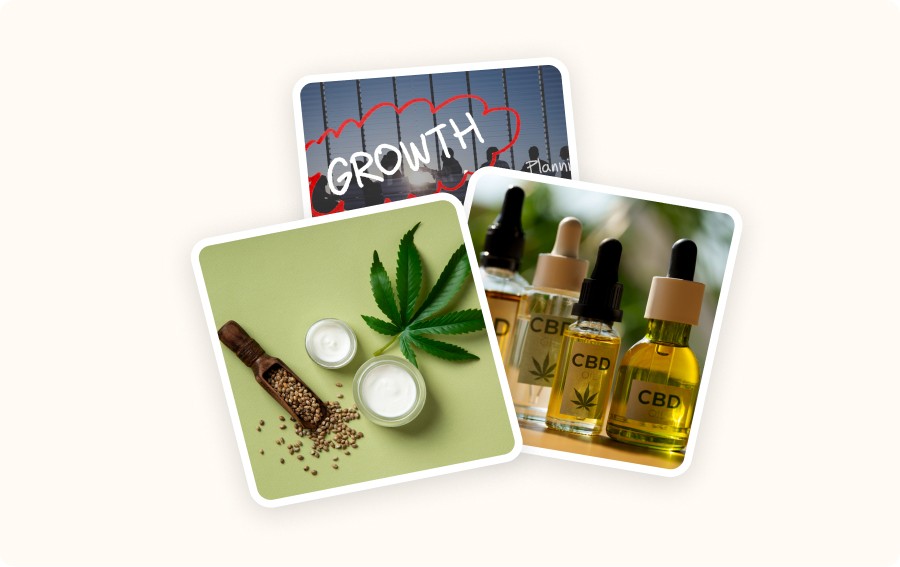












Our Free Adspys


Our Free Adspys


Our Free Adspys

Find out more
Read more
Minea © 2025

Find out more
Read more
Minea © 2025

Find out more
Read more
Minea © 2025

Find out more
Read more
Minea © 2025

Find out more
Read more
Minea © 2025

Find out more
Read more
Minea © 2025

Find out more
Read more
Minea © 2025