How to Succeed in Dropshipping Tech Products in 2025
Best niche products dropshipping
Author:
December 14, 2025
Contents
To succeed with dropshipping tech products, you need to understand what actually sells, who you’re selling to, and how to launch your store effectively. Unlike other top niches, the tech market is more volatile and trend-driven, but also far more profitable when you choose the right items.
Gadgets like wireless chargers or smartwatches can generate margins of up to 200%.
But how do you build a winning business in a market that moves fast and feels increasingly competitive? This guide walks you through it, step by step.
To succeed with dropshipping tech products, you need to understand what actually sells, who you’re selling to, and how to launch your store effectively. Unlike other top niches, the tech market is more volatile and trend-driven, but also far more profitable when you choose the right items.
Gadgets like wireless chargers or smartwatches can generate margins of up to 200%.
But how do you build a winning business in a market that moves fast and feels increasingly competitive? This guide walks you through it, step by step.
To succeed with dropshipping tech products, you need to understand what actually sells, who you’re selling to, and how to launch your store effectively. Unlike other top niches, the tech market is more volatile and trend-driven, but also far more profitable when you choose the right items.
Gadgets like wireless chargers or smartwatches can generate margins of up to 200%.
But how do you build a winning business in a market that moves fast and feels increasingly competitive? This guide walks you through it, step by step.
To succeed with dropshipping tech products, you need to understand what actually sells, who you’re selling to, and how to launch your store effectively. Unlike other top niches, the tech market is more volatile and trend-driven, but also far more profitable when you choose the right items.
Gadgets like wireless chargers or smartwatches can generate margins of up to 200%.
But how do you build a winning business in a market that moves fast and feels increasingly competitive? This guide walks you through it, step by step.
To succeed with dropshipping tech products, you need to understand what actually sells, who you’re selling to, and how to launch your store effectively. Unlike other top niches, the tech market is more volatile and trend-driven, but also far more profitable when you choose the right items.
Gadgets like wireless chargers or smartwatches can generate margins of up to 200%.
But how do you build a winning business in a market that moves fast and feels increasingly competitive? This guide walks you through it, step by step.
To succeed with dropshipping tech products, you need to understand what actually sells, who you’re selling to, and how to launch your store effectively. Unlike other top niches, the tech market is more volatile and trend-driven, but also far more profitable when you choose the right items.
Gadgets like wireless chargers or smartwatches can generate margins of up to 200%.
But how do you build a winning business in a market that moves fast and feels increasingly competitive? This guide walks you through it, step by step.


Steps to Build a Profitable Tech Dropshipping Business
Every step matters, from choosing the right product to optimizing your online store. Nothing should be left to chance. Follow this guide step by step to build a business that is solid, profitable, and ready to scale.
Step 1: Identify a Profitable Tech Niche

Before selling anything, choose a clear niche for your dropshipping store. In the tech world, profitable niches solve a real problem, not just a temporary “wow effect.” Some of the strongest categories include:
smart home devices
gaming accessories
wearables
AI-powered gadgets
To spot rising products within these categories, use tools like Google Trends, TikTok Creative Center, or Amazon Movers & Shakers. Focus on demand, not just views. A great smart gadget grabs attention, but more importantly, it solves a problem.
Also think about market segmentation, target precise groups like gamers or smart-home enthusiasts. A clearly defined niche means less competition, better messaging, and more sales.
Step 2: Validate Demand With Real Data

Before launching any product, whether it’s tech, home décor, cleaning products, or anything else, make sure there is real demand. To find winning items, use:
Google Keyword Planner for search volumes
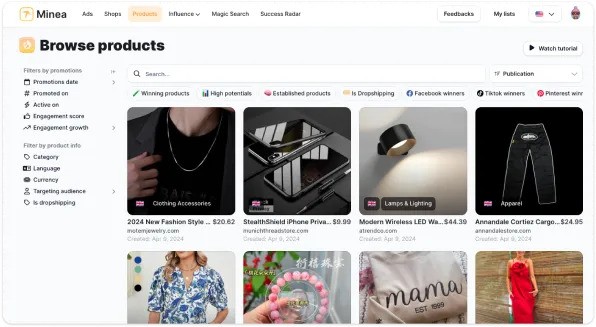
Minea Success Radar to spot high-performing ads
Meta Ads Library to identify top creatives
Watch the right signals: clicks, views, comments, conversion rates. Just because a gadget goes viral doesn’t mean it sells.
The tech products to sell successfully in dropshipping are those that combine utility, visual appeal, and clear buying intent. Examples include mini projectors, Bluetooth speakers, and AI-powered gadgets.
Step 3: Know Your Ideal Customer (Tech Profile)

To sell tech dropshipping products effectively, you must know exactly who you are speaking to. Trying to target “everyone” means reaching no one.
For tech products, focus on groups like:
Gamers: they want performance and design (e.g., RGB accessories)
Remote workers: they need practical, reliable tech
Students: they look for affordability and compatibility
Gadget lovers: they’re attracted to innovation and novelty
What do they expect?
fast delivery
responsive customer support
clear compatibility (smartphones, OS, devices)
strong value for money
To convert more customers, tailor your product pages:
→ targeted messaging
→ clear visuals
→ benefits-first descriptions
The better you align with their needs, the more you sell.
Step 4: Build Your High-Tech E-Commerce Store

Just like a store selling health products, your dropshipping tech products website must inspire trust from the very first visit. The store does the selling.
Start by choosing the right e-commerce platform:
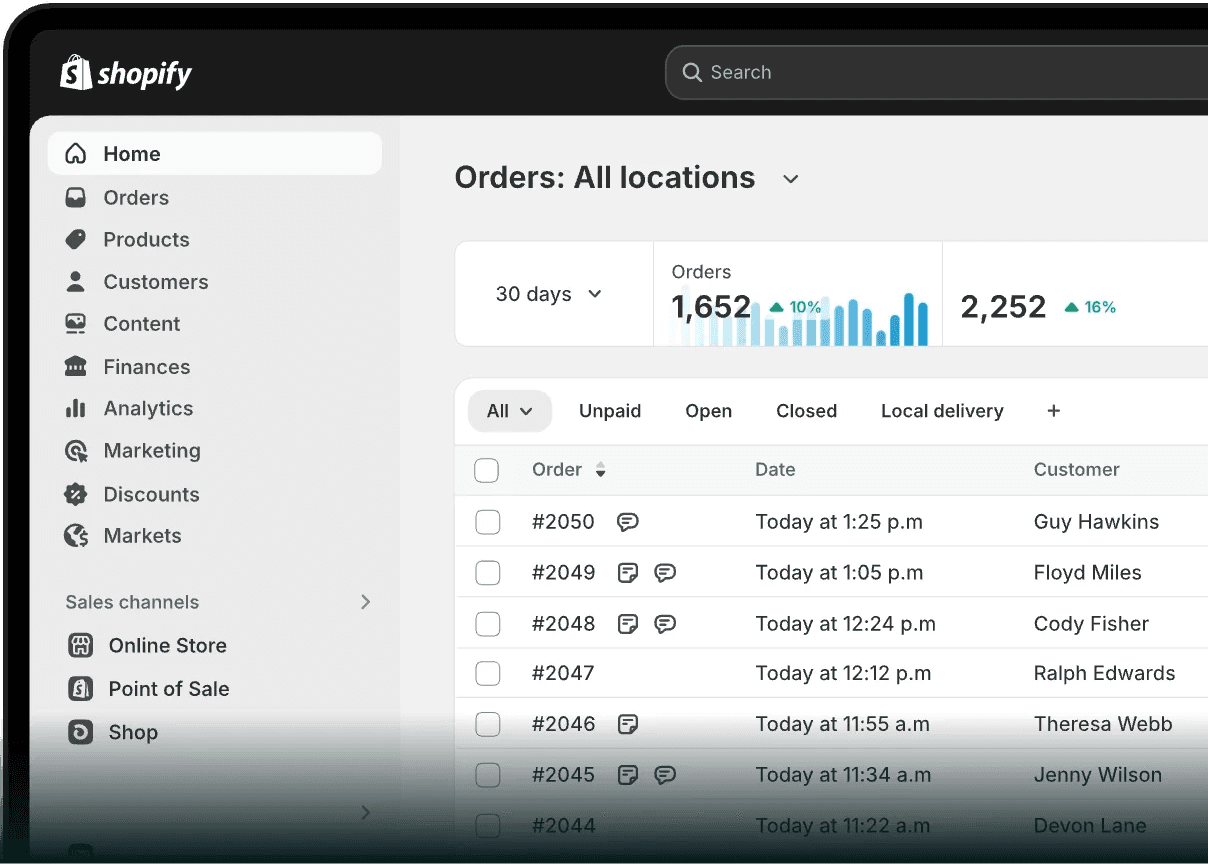
Shopify: fast to launch, with built-in dropshipping plugins
WooCommerce: more flexible, perfect if you already use WordPress
Your site should include:
a conversion-focused homepage (offers, visuals, clear USPs)
detailed product pages: compatibility, warranties, high-quality visuals
a simple FAQ: shipping, returns, customer service
Also focus on site speed and a smooth mobile UX (over 60% of visitors come from mobile). Don’t forget trust elements like badges, reviews, shipping estimates, and guarantees, they significantly increase conversion rates for tech dropshipping stores.
Step 5: Choose the Right High-Tech Products to Sell

Not all tech products are equal. To succeed, focus on items with a novelty effect, clear utility, high perceived value, and easy shipping.
A good tech product should be:
lightweight (under 500 g to reduce shipping costs)
visually appealing (instant “wow” effect)
easy to understand and use
compatible with popular devices (smartphones, laptops, smart home systems)
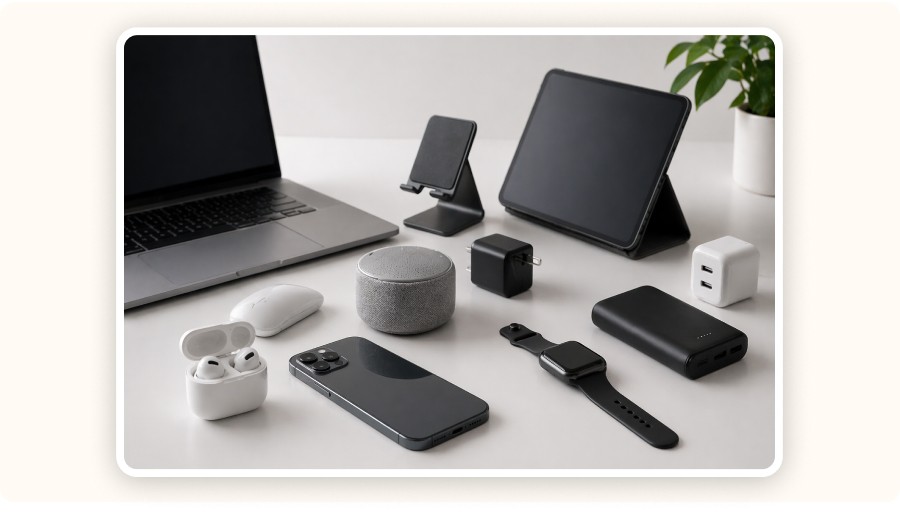
Some of the most popular tech products to sell include:
smart plugs: remote control, useful, easy to sell
RGB keyboards: highly visual, popular among gamers
AI gadgets: instant “tech effect” (e.g., voice translators)
3-in-1 wireless chargers: practical, trending, strong demand
These options perform well in gadget dropshipping, offering a balance of margin, demand, and reliability.
Steps to Build a Profitable Tech Dropshipping Business
Every step matters, from choosing the right product to optimizing your online store. Nothing should be left to chance. Follow this guide step by step to build a business that is solid, profitable, and ready to scale.
Step 1: Identify a Profitable Tech Niche

Before selling anything, choose a clear niche for your dropshipping store. In the tech world, profitable niches solve a real problem, not just a temporary “wow effect.” Some of the strongest categories include:
smart home devices
gaming accessories
wearables
AI-powered gadgets
To spot rising products within these categories, use tools like Google Trends, TikTok Creative Center, or Amazon Movers & Shakers. Focus on demand, not just views. A great smart gadget grabs attention, but more importantly, it solves a problem.
Also think about market segmentation, target precise groups like gamers or smart-home enthusiasts. A clearly defined niche means less competition, better messaging, and more sales.
Step 2: Validate Demand With Real Data

Before launching any product, whether it’s tech, home décor, cleaning products, or anything else, make sure there is real demand. To find winning items, use:
Google Keyword Planner for search volumes
Minea Success Radar to spot high-performing ads
Meta Ads Library to identify top creatives
Watch the right signals: clicks, views, comments, conversion rates. Just because a gadget goes viral doesn’t mean it sells.
The tech products to sell successfully in dropshipping are those that combine utility, visual appeal, and clear buying intent. Examples include mini projectors, Bluetooth speakers, and AI-powered gadgets.
Step 3: Know Your Ideal Customer (Tech Profile)

To sell tech dropshipping products effectively, you must know exactly who you are speaking to. Trying to target “everyone” means reaching no one.
For tech products, focus on groups like:
Gamers: they want performance and design (e.g., RGB accessories)
Remote workers: they need practical, reliable tech
Students: they look for affordability and compatibility
Gadget lovers: they’re attracted to innovation and novelty
What do they expect?
fast delivery
responsive customer support
clear compatibility (smartphones, OS, devices)
strong value for money
To convert more customers, tailor your product pages:
→ targeted messaging
→ clear visuals
→ benefits-first descriptions
The better you align with their needs, the more you sell.
Step 4: Build Your High-Tech E-Commerce Store

Just like a store selling health products, your dropshipping tech products website must inspire trust from the very first visit. The store does the selling.
Start by choosing the right e-commerce platform:
Shopify: fast to launch, with built-in dropshipping plugins
WooCommerce: more flexible, perfect if you already use WordPress
Your site should include:
a conversion-focused homepage (offers, visuals, clear USPs)
detailed product pages: compatibility, warranties, high-quality visuals
a simple FAQ: shipping, returns, customer service
Also focus on site speed and a smooth mobile UX (over 60% of visitors come from mobile). Don’t forget trust elements like badges, reviews, shipping estimates, and guarantees, they significantly increase conversion rates for tech dropshipping stores.
Step 5: Choose the Right High-Tech Products to Sell

Not all tech products are equal. To succeed, focus on items with a novelty effect, clear utility, high perceived value, and easy shipping.
A good tech product should be:
lightweight (under 500 g to reduce shipping costs)
visually appealing (instant “wow” effect)
easy to understand and use
compatible with popular devices (smartphones, laptops, smart home systems)
Some of the most popular tech products to sell include:
smart plugs: remote control, useful, easy to sell
RGB keyboards: highly visual, popular among gamers
AI gadgets: instant “tech effect” (e.g., voice translators)
3-in-1 wireless chargers: practical, trending, strong demand
These options perform well in gadget dropshipping, offering a balance of margin, demand, and reliability.
Steps to Build a Profitable Tech Dropshipping Business
Every step matters, from choosing the right product to optimizing your online store. Nothing should be left to chance. Follow this guide step by step to build a business that is solid, profitable, and ready to scale.
Step 1: Identify a Profitable Tech Niche

Before selling anything, choose a clear niche for your dropshipping store. In the tech world, profitable niches solve a real problem, not just a temporary “wow effect.” Some of the strongest categories include:
smart home devices
gaming accessories
wearables
AI-powered gadgets
To spot rising products within these categories, use tools like Google Trends, TikTok Creative Center, or Amazon Movers & Shakers. Focus on demand, not just views. A great smart gadget grabs attention, but more importantly, it solves a problem.
Also think about market segmentation, target precise groups like gamers or smart-home enthusiasts. A clearly defined niche means less competition, better messaging, and more sales.
Step 2: Validate Demand With Real Data

Before launching any product, whether it’s tech, home décor, cleaning products, or anything else, make sure there is real demand. To find winning items, use:
Google Keyword Planner for search volumes
Minea Success Radar to spot high-performing ads
Meta Ads Library to identify top creatives
Watch the right signals: clicks, views, comments, conversion rates. Just because a gadget goes viral doesn’t mean it sells.
The tech products to sell successfully in dropshipping are those that combine utility, visual appeal, and clear buying intent. Examples include mini projectors, Bluetooth speakers, and AI-powered gadgets.
Step 3: Know Your Ideal Customer (Tech Profile)

To sell tech dropshipping products effectively, you must know exactly who you are speaking to. Trying to target “everyone” means reaching no one.
For tech products, focus on groups like:
Gamers: they want performance and design (e.g., RGB accessories)
Remote workers: they need practical, reliable tech
Students: they look for affordability and compatibility
Gadget lovers: they’re attracted to innovation and novelty
What do they expect?
fast delivery
responsive customer support
clear compatibility (smartphones, OS, devices)
strong value for money
To convert more customers, tailor your product pages:
→ targeted messaging
→ clear visuals
→ benefits-first descriptions
The better you align with their needs, the more you sell.
Step 4: Build Your High-Tech E-Commerce Store

Just like a store selling health products, your dropshipping tech products website must inspire trust from the very first visit. The store does the selling.
Start by choosing the right e-commerce platform:
Shopify: fast to launch, with built-in dropshipping plugins
WooCommerce: more flexible, perfect if you already use WordPress
Your site should include:
a conversion-focused homepage (offers, visuals, clear USPs)
detailed product pages: compatibility, warranties, high-quality visuals
a simple FAQ: shipping, returns, customer service
Also focus on site speed and a smooth mobile UX (over 60% of visitors come from mobile). Don’t forget trust elements like badges, reviews, shipping estimates, and guarantees, they significantly increase conversion rates for tech dropshipping stores.
Step 5: Choose the Right High-Tech Products to Sell

Not all tech products are equal. To succeed, focus on items with a novelty effect, clear utility, high perceived value, and easy shipping.
A good tech product should be:
lightweight (under 500 g to reduce shipping costs)
visually appealing (instant “wow” effect)
easy to understand and use
compatible with popular devices (smartphones, laptops, smart home systems)
Some of the most popular tech products to sell include:
smart plugs: remote control, useful, easy to sell
RGB keyboards: highly visual, popular among gamers
AI gadgets: instant “tech effect” (e.g., voice translators)
3-in-1 wireless chargers: practical, trending, strong demand
These options perform well in gadget dropshipping, offering a balance of margin, demand, and reliability.
Steps to Build a Profitable Tech Dropshipping Business
Every step matters, from choosing the right product to optimizing your online store. Nothing should be left to chance. Follow this guide step by step to build a business that is solid, profitable, and ready to scale.
Step 1: Identify a Profitable Tech Niche

Before selling anything, choose a clear niche for your dropshipping store. In the tech world, profitable niches solve a real problem, not just a temporary “wow effect.” Some of the strongest categories include:
smart home devices
gaming accessories
wearables
AI-powered gadgets
To spot rising products within these categories, use tools like Google Trends, TikTok Creative Center, or Amazon Movers & Shakers. Focus on demand, not just views. A great smart gadget grabs attention, but more importantly, it solves a problem.
Also think about market segmentation, target precise groups like gamers or smart-home enthusiasts. A clearly defined niche means less competition, better messaging, and more sales.
Step 2: Validate Demand With Real Data

Before launching any product, whether it’s tech, home décor, cleaning products, or anything else, make sure there is real demand. To find winning items, use:
Google Keyword Planner for search volumes
Minea Success Radar to spot high-performing ads
Meta Ads Library to identify top creatives
Watch the right signals: clicks, views, comments, conversion rates. Just because a gadget goes viral doesn’t mean it sells.
The tech products to sell successfully in dropshipping are those that combine utility, visual appeal, and clear buying intent. Examples include mini projectors, Bluetooth speakers, and AI-powered gadgets.
Step 3: Know Your Ideal Customer (Tech Profile)

To sell tech dropshipping products effectively, you must know exactly who you are speaking to. Trying to target “everyone” means reaching no one.
For tech products, focus on groups like:
Gamers: they want performance and design (e.g., RGB accessories)
Remote workers: they need practical, reliable tech
Students: they look for affordability and compatibility
Gadget lovers: they’re attracted to innovation and novelty
What do they expect?
fast delivery
responsive customer support
clear compatibility (smartphones, OS, devices)
strong value for money
To convert more customers, tailor your product pages:
→ targeted messaging
→ clear visuals
→ benefits-first descriptions
The better you align with their needs, the more you sell.
Step 4: Build Your High-Tech E-Commerce Store

Just like a store selling health products, your dropshipping tech products website must inspire trust from the very first visit. The store does the selling.
Start by choosing the right e-commerce platform:
Shopify: fast to launch, with built-in dropshipping plugins
WooCommerce: more flexible, perfect if you already use WordPress
Your site should include:
a conversion-focused homepage (offers, visuals, clear USPs)
detailed product pages: compatibility, warranties, high-quality visuals
a simple FAQ: shipping, returns, customer service
Also focus on site speed and a smooth mobile UX (over 60% of visitors come from mobile). Don’t forget trust elements like badges, reviews, shipping estimates, and guarantees, they significantly increase conversion rates for tech dropshipping stores.
Step 5: Choose the Right High-Tech Products to Sell

Not all tech products are equal. To succeed, focus on items with a novelty effect, clear utility, high perceived value, and easy shipping.
A good tech product should be:
lightweight (under 500 g to reduce shipping costs)
visually appealing (instant “wow” effect)
easy to understand and use
compatible with popular devices (smartphones, laptops, smart home systems)
Some of the most popular tech products to sell include:
smart plugs: remote control, useful, easy to sell
RGB keyboards: highly visual, popular among gamers
AI gadgets: instant “tech effect” (e.g., voice translators)
3-in-1 wireless chargers: practical, trending, strong demand
These options perform well in gadget dropshipping, offering a balance of margin, demand, and reliability.
Steps to Build a Profitable Tech Dropshipping Business
Every step matters, from choosing the right product to optimizing your online store. Nothing should be left to chance. Follow this guide step by step to build a business that is solid, profitable, and ready to scale.
Step 1: Identify a Profitable Tech Niche

Before selling anything, choose a clear niche for your dropshipping store. In the tech world, profitable niches solve a real problem, not just a temporary “wow effect.” Some of the strongest categories include:
smart home devices
gaming accessories
wearables
AI-powered gadgets
To spot rising products within these categories, use tools like Google Trends, TikTok Creative Center, or Amazon Movers & Shakers. Focus on demand, not just views. A great smart gadget grabs attention, but more importantly, it solves a problem.
Also think about market segmentation, target precise groups like gamers or smart-home enthusiasts. A clearly defined niche means less competition, better messaging, and more sales.
Step 2: Validate Demand With Real Data

Before launching any product, whether it’s tech, home décor, cleaning products, or anything else, make sure there is real demand. To find winning items, use:
Google Keyword Planner for search volumes
Minea Success Radar to spot high-performing ads
Meta Ads Library to identify top creatives
Watch the right signals: clicks, views, comments, conversion rates. Just because a gadget goes viral doesn’t mean it sells.
The tech products to sell successfully in dropshipping are those that combine utility, visual appeal, and clear buying intent. Examples include mini projectors, Bluetooth speakers, and AI-powered gadgets.
Step 3: Know Your Ideal Customer (Tech Profile)

To sell tech dropshipping products effectively, you must know exactly who you are speaking to. Trying to target “everyone” means reaching no one.
For tech products, focus on groups like:
Gamers: they want performance and design (e.g., RGB accessories)
Remote workers: they need practical, reliable tech
Students: they look for affordability and compatibility
Gadget lovers: they’re attracted to innovation and novelty
What do they expect?
fast delivery
responsive customer support
clear compatibility (smartphones, OS, devices)
strong value for money
To convert more customers, tailor your product pages:
→ targeted messaging
→ clear visuals
→ benefits-first descriptions
The better you align with their needs, the more you sell.
Step 4: Build Your High-Tech E-Commerce Store

Just like a store selling health products, your dropshipping tech products website must inspire trust from the very first visit. The store does the selling.
Start by choosing the right e-commerce platform:
Shopify: fast to launch, with built-in dropshipping plugins
WooCommerce: more flexible, perfect if you already use WordPress
Your site should include:
a conversion-focused homepage (offers, visuals, clear USPs)
detailed product pages: compatibility, warranties, high-quality visuals
a simple FAQ: shipping, returns, customer service
Also focus on site speed and a smooth mobile UX (over 60% of visitors come from mobile). Don’t forget trust elements like badges, reviews, shipping estimates, and guarantees, they significantly increase conversion rates for tech dropshipping stores.
Step 5: Choose the Right High-Tech Products to Sell

Not all tech products are equal. To succeed, focus on items with a novelty effect, clear utility, high perceived value, and easy shipping.
A good tech product should be:
lightweight (under 500 g to reduce shipping costs)
visually appealing (instant “wow” effect)
easy to understand and use
compatible with popular devices (smartphones, laptops, smart home systems)
Some of the most popular tech products to sell include:
smart plugs: remote control, useful, easy to sell
RGB keyboards: highly visual, popular among gamers
AI gadgets: instant “tech effect” (e.g., voice translators)
3-in-1 wireless chargers: practical, trending, strong demand
These options perform well in gadget dropshipping, offering a balance of margin, demand, and reliability.
Steps to Build a Profitable Tech Dropshipping Business
Every step matters, from choosing the right product to optimizing your online store. Nothing should be left to chance. Follow this guide step by step to build a business that is solid, profitable, and ready to scale.
Step 1: Identify a Profitable Tech Niche

Before selling anything, choose a clear niche for your dropshipping store. In the tech world, profitable niches solve a real problem, not just a temporary “wow effect.” Some of the strongest categories include:
smart home devices
gaming accessories
wearables
AI-powered gadgets
To spot rising products within these categories, use tools like Google Trends, TikTok Creative Center, or Amazon Movers & Shakers. Focus on demand, not just views. A great smart gadget grabs attention, but more importantly, it solves a problem.
Also think about market segmentation, target precise groups like gamers or smart-home enthusiasts. A clearly defined niche means less competition, better messaging, and more sales.
Step 2: Validate Demand With Real Data

Before launching any product, whether it’s tech, home décor, cleaning products, or anything else, make sure there is real demand. To find winning items, use:
Google Keyword Planner for search volumes
Minea Success Radar to spot high-performing ads
Meta Ads Library to identify top creatives
Watch the right signals: clicks, views, comments, conversion rates. Just because a gadget goes viral doesn’t mean it sells.
The tech products to sell successfully in dropshipping are those that combine utility, visual appeal, and clear buying intent. Examples include mini projectors, Bluetooth speakers, and AI-powered gadgets.
Step 3: Know Your Ideal Customer (Tech Profile)

To sell tech dropshipping products effectively, you must know exactly who you are speaking to. Trying to target “everyone” means reaching no one.
For tech products, focus on groups like:
Gamers: they want performance and design (e.g., RGB accessories)
Remote workers: they need practical, reliable tech
Students: they look for affordability and compatibility
Gadget lovers: they’re attracted to innovation and novelty
What do they expect?
fast delivery
responsive customer support
clear compatibility (smartphones, OS, devices)
strong value for money
To convert more customers, tailor your product pages:
→ targeted messaging
→ clear visuals
→ benefits-first descriptions
The better you align with their needs, the more you sell.
Step 4: Build Your High-Tech E-Commerce Store

Just like a store selling health products, your dropshipping tech products website must inspire trust from the very first visit. The store does the selling.
Start by choosing the right e-commerce platform:
Shopify: fast to launch, with built-in dropshipping plugins
WooCommerce: more flexible, perfect if you already use WordPress
Your site should include:
a conversion-focused homepage (offers, visuals, clear USPs)
detailed product pages: compatibility, warranties, high-quality visuals
a simple FAQ: shipping, returns, customer service
Also focus on site speed and a smooth mobile UX (over 60% of visitors come from mobile). Don’t forget trust elements like badges, reviews, shipping estimates, and guarantees, they significantly increase conversion rates for tech dropshipping stores.
Step 5: Choose the Right High-Tech Products to Sell

Not all tech products are equal. To succeed, focus on items with a novelty effect, clear utility, high perceived value, and easy shipping.
A good tech product should be:
lightweight (under 500 g to reduce shipping costs)
visually appealing (instant “wow” effect)
easy to understand and use
compatible with popular devices (smartphones, laptops, smart home systems)
Some of the most popular tech products to sell include:
smart plugs: remote control, useful, easy to sell
RGB keyboards: highly visual, popular among gamers
AI gadgets: instant “tech effect” (e.g., voice translators)
3-in-1 wireless chargers: practical, trending, strong demand
These options perform well in gadget dropshipping, offering a balance of margin, demand, and reliability.


Step 6: Choose Your Dropshipping Platform & Tools

To manage a tech dropshipping store properly, whether you sell electronics, baby items, toys, or anything else, you must automate. Use the right tools for:
order processing
package tracking
return management
stock synchronization
Tools like DSers, AutoDS, and Zendrop help you sync with suppliers and automate order fulfillment. For sourcing trending items, Minea’s Magic Search and Creative Finder are excellent tools.
Before getting started, always confirm these tools are compatible with your CMS (Shopify, WooCommerce). A good dropshipping setup streamlines your logistics and saves you valuable time. Your job is to sell, not manually handle shipments
Step 7: Set Competitive and Profitable Pricing

When pricing your tech products, don’t base your numbers solely on product cost. Consider perceived value.
For example, a charger that costs $7 can sell for $24.99 if it’s presented well. In dropshipping tech products, the goal is to aim for strong margins, between 50% and 200%, depending on the product’s usefulness and complexity.
If possible, increase your average order value through:
upsells (a superior model or an add-on accessory)
bundles (e.g., charger + cable + stand)
Most importantly, monitor competitor pricing and adjust frequently. In tech dropshipping, the right price can shift quickly.
Step 8: Launch Your Marketing Campaign

To sell tech products online, video is the format that converts best. So:
create short videos for TikTok and Facebook Ads: unboxing, quick tests, simple demos
use UGC (customer-generated content): authentic and highly effective
collaborate with small tech influencers for credible, low-cost content
Beyond video, don’t overlook SEO. Your product listings must include keywords, benefits, compatibility details, and answers to common objections.
Your goal? Show the product in action, prove it solves a real problem, and trigger immediate purchase. Nothing else matters.
Step 9: Deliver Outstanding Customer Service

In dropshipping technology, great customer service is non-negotiable. Returns are more common due to compatibility issues, bugs, or misunderstandings.
Put in place:
a chatbot for simple questions and responsive human support
a clear refund policy: timelines, conditions, visible guarantees
clear instructions, demo videos, and detailed FAQs to reduce confusion
If customers don’t understand the product, they will return it. So invest in clarity and anticipation to boost satisfaction and protect your margins.
Step 10: Analyze Your Results and Optimize

To keep your tech store thriving, you must optimize continuously. Track your key metrics weekly to refine your strategy:
CTR (click-through rate)
ROAS (return on ad spend)
product return rate
abandoned cart rate
Improve your performance through continuous A/B testing:
product visuals
pricing
titles and descriptions
For inventory management, refresh your catalog every 4 to 6 weeks. Tech products become obsolete quickly, never get emotionally attached. The key? Test, measure, replace.
Ultimately, your success depends on how quickly you respond to data. No emotion, just numbers.
Step 6: Choose Your Dropshipping Platform & Tools

To manage a tech dropshipping store properly, whether you sell electronics, baby items, toys, or anything else, you must automate. Use the right tools for:
order processing
package tracking
return management
stock synchronization
Tools like DSers, AutoDS, and Zendrop help you sync with suppliers and automate order fulfillment. For sourcing trending items, Minea’s Magic Search and Creative Finder are excellent tools.
Before getting started, always confirm these tools are compatible with your CMS (Shopify, WooCommerce). A good dropshipping setup streamlines your logistics and saves you valuable time. Your job is to sell, not manually handle shipments
Step 7: Set Competitive and Profitable Pricing

When pricing your tech products, don’t base your numbers solely on product cost. Consider perceived value.
For example, a charger that costs $7 can sell for $24.99 if it’s presented well. In dropshipping tech products, the goal is to aim for strong margins, between 50% and 200%, depending on the product’s usefulness and complexity.
If possible, increase your average order value through:
upsells (a superior model or an add-on accessory)
bundles (e.g., charger + cable + stand)
Most importantly, monitor competitor pricing and adjust frequently. In tech dropshipping, the right price can shift quickly.
Step 8: Launch Your Marketing Campaign

To sell tech products online, video is the format that converts best. So:
create short videos for TikTok and Facebook Ads: unboxing, quick tests, simple demos
use UGC (customer-generated content): authentic and highly effective
collaborate with small tech influencers for credible, low-cost content
Beyond video, don’t overlook SEO. Your product listings must include keywords, benefits, compatibility details, and answers to common objections.
Your goal? Show the product in action, prove it solves a real problem, and trigger immediate purchase. Nothing else matters.
Step 9: Deliver Outstanding Customer Service

In dropshipping technology, great customer service is non-negotiable. Returns are more common due to compatibility issues, bugs, or misunderstandings.
Put in place:
a chatbot for simple questions and responsive human support
a clear refund policy: timelines, conditions, visible guarantees
clear instructions, demo videos, and detailed FAQs to reduce confusion
If customers don’t understand the product, they will return it. So invest in clarity and anticipation to boost satisfaction and protect your margins.
Step 10: Analyze Your Results and Optimize

To keep your tech store thriving, you must optimize continuously. Track your key metrics weekly to refine your strategy:
CTR (click-through rate)
ROAS (return on ad spend)
product return rate
abandoned cart rate
Improve your performance through continuous A/B testing:
product visuals
pricing
titles and descriptions
For inventory management, refresh your catalog every 4 to 6 weeks. Tech products become obsolete quickly, never get emotionally attached. The key? Test, measure, replace.
Ultimately, your success depends on how quickly you respond to data. No emotion, just numbers.
Step 6: Choose Your Dropshipping Platform & Tools

To manage a tech dropshipping store properly, whether you sell electronics, baby items, toys, or anything else, you must automate. Use the right tools for:
order processing
package tracking
return management
stock synchronization
Tools like DSers, AutoDS, and Zendrop help you sync with suppliers and automate order fulfillment. For sourcing trending items, Minea’s Magic Search and Creative Finder are excellent tools.
Before getting started, always confirm these tools are compatible with your CMS (Shopify, WooCommerce). A good dropshipping setup streamlines your logistics and saves you valuable time. Your job is to sell, not manually handle shipments
Step 7: Set Competitive and Profitable Pricing

When pricing your tech products, don’t base your numbers solely on product cost. Consider perceived value.
For example, a charger that costs $7 can sell for $24.99 if it’s presented well. In dropshipping tech products, the goal is to aim for strong margins, between 50% and 200%, depending on the product’s usefulness and complexity.
If possible, increase your average order value through:
upsells (a superior model or an add-on accessory)
bundles (e.g., charger + cable + stand)
Most importantly, monitor competitor pricing and adjust frequently. In tech dropshipping, the right price can shift quickly.
Step 8: Launch Your Marketing Campaign

To sell tech products online, video is the format that converts best. So:
create short videos for TikTok and Facebook Ads: unboxing, quick tests, simple demos
use UGC (customer-generated content): authentic and highly effective
collaborate with small tech influencers for credible, low-cost content
Beyond video, don’t overlook SEO. Your product listings must include keywords, benefits, compatibility details, and answers to common objections.
Your goal? Show the product in action, prove it solves a real problem, and trigger immediate purchase. Nothing else matters.
Step 9: Deliver Outstanding Customer Service

In dropshipping technology, great customer service is non-negotiable. Returns are more common due to compatibility issues, bugs, or misunderstandings.
Put in place:
a chatbot for simple questions and responsive human support
a clear refund policy: timelines, conditions, visible guarantees
clear instructions, demo videos, and detailed FAQs to reduce confusion
If customers don’t understand the product, they will return it. So invest in clarity and anticipation to boost satisfaction and protect your margins.
Step 10: Analyze Your Results and Optimize

To keep your tech store thriving, you must optimize continuously. Track your key metrics weekly to refine your strategy:
CTR (click-through rate)
ROAS (return on ad spend)
product return rate
abandoned cart rate
Improve your performance through continuous A/B testing:
product visuals
pricing
titles and descriptions
For inventory management, refresh your catalog every 4 to 6 weeks. Tech products become obsolete quickly, never get emotionally attached. The key? Test, measure, replace.
Ultimately, your success depends on how quickly you respond to data. No emotion, just numbers.
Step 6: Choose Your Dropshipping Platform & Tools

To manage a tech dropshipping store properly, whether you sell electronics, baby items, toys, or anything else, you must automate. Use the right tools for:
order processing
package tracking
return management
stock synchronization
Tools like DSers, AutoDS, and Zendrop help you sync with suppliers and automate order fulfillment. For sourcing trending items, Minea’s Magic Search and Creative Finder are excellent tools.
Before getting started, always confirm these tools are compatible with your CMS (Shopify, WooCommerce). A good dropshipping setup streamlines your logistics and saves you valuable time. Your job is to sell, not manually handle shipments
Step 7: Set Competitive and Profitable Pricing

When pricing your tech products, don’t base your numbers solely on product cost. Consider perceived value.
For example, a charger that costs $7 can sell for $24.99 if it’s presented well. In dropshipping tech products, the goal is to aim for strong margins, between 50% and 200%, depending on the product’s usefulness and complexity.
If possible, increase your average order value through:
upsells (a superior model or an add-on accessory)
bundles (e.g., charger + cable + stand)
Most importantly, monitor competitor pricing and adjust frequently. In tech dropshipping, the right price can shift quickly.
Step 8: Launch Your Marketing Campaign

To sell tech products online, video is the format that converts best. So:
create short videos for TikTok and Facebook Ads: unboxing, quick tests, simple demos
use UGC (customer-generated content): authentic and highly effective
collaborate with small tech influencers for credible, low-cost content
Beyond video, don’t overlook SEO. Your product listings must include keywords, benefits, compatibility details, and answers to common objections.
Your goal? Show the product in action, prove it solves a real problem, and trigger immediate purchase. Nothing else matters.
Step 9: Deliver Outstanding Customer Service

In dropshipping technology, great customer service is non-negotiable. Returns are more common due to compatibility issues, bugs, or misunderstandings.
Put in place:
a chatbot for simple questions and responsive human support
a clear refund policy: timelines, conditions, visible guarantees
clear instructions, demo videos, and detailed FAQs to reduce confusion
If customers don’t understand the product, they will return it. So invest in clarity and anticipation to boost satisfaction and protect your margins.
Step 10: Analyze Your Results and Optimize

To keep your tech store thriving, you must optimize continuously. Track your key metrics weekly to refine your strategy:
CTR (click-through rate)
ROAS (return on ad spend)
product return rate
abandoned cart rate
Improve your performance through continuous A/B testing:
product visuals
pricing
titles and descriptions
For inventory management, refresh your catalog every 4 to 6 weeks. Tech products become obsolete quickly, never get emotionally attached. The key? Test, measure, replace.
Ultimately, your success depends on how quickly you respond to data. No emotion, just numbers.
Step 6: Choose Your Dropshipping Platform & Tools

To manage a tech dropshipping store properly, whether you sell electronics, baby items, toys, or anything else, you must automate. Use the right tools for:
order processing
package tracking
return management
stock synchronization
Tools like DSers, AutoDS, and Zendrop help you sync with suppliers and automate order fulfillment. For sourcing trending items, Minea’s Magic Search and Creative Finder are excellent tools.
Before getting started, always confirm these tools are compatible with your CMS (Shopify, WooCommerce). A good dropshipping setup streamlines your logistics and saves you valuable time. Your job is to sell, not manually handle shipments
Step 7: Set Competitive and Profitable Pricing

When pricing your tech products, don’t base your numbers solely on product cost. Consider perceived value.
For example, a charger that costs $7 can sell for $24.99 if it’s presented well. In dropshipping tech products, the goal is to aim for strong margins, between 50% and 200%, depending on the product’s usefulness and complexity.
If possible, increase your average order value through:
upsells (a superior model or an add-on accessory)
bundles (e.g., charger + cable + stand)
Most importantly, monitor competitor pricing and adjust frequently. In tech dropshipping, the right price can shift quickly.
Step 8: Launch Your Marketing Campaign

To sell tech products online, video is the format that converts best. So:
create short videos for TikTok and Facebook Ads: unboxing, quick tests, simple demos
use UGC (customer-generated content): authentic and highly effective
collaborate with small tech influencers for credible, low-cost content
Beyond video, don’t overlook SEO. Your product listings must include keywords, benefits, compatibility details, and answers to common objections.
Your goal? Show the product in action, prove it solves a real problem, and trigger immediate purchase. Nothing else matters.
Step 9: Deliver Outstanding Customer Service

In dropshipping technology, great customer service is non-negotiable. Returns are more common due to compatibility issues, bugs, or misunderstandings.
Put in place:
a chatbot for simple questions and responsive human support
a clear refund policy: timelines, conditions, visible guarantees
clear instructions, demo videos, and detailed FAQs to reduce confusion
If customers don’t understand the product, they will return it. So invest in clarity and anticipation to boost satisfaction and protect your margins.
Step 10: Analyze Your Results and Optimize

To keep your tech store thriving, you must optimize continuously. Track your key metrics weekly to refine your strategy:
CTR (click-through rate)
ROAS (return on ad spend)
product return rate
abandoned cart rate
Improve your performance through continuous A/B testing:
product visuals
pricing
titles and descriptions
For inventory management, refresh your catalog every 4 to 6 weeks. Tech products become obsolete quickly, never get emotionally attached. The key? Test, measure, replace.
Ultimately, your success depends on how quickly you respond to data. No emotion, just numbers.
Step 6: Choose Your Dropshipping Platform & Tools

To manage a tech dropshipping store properly, whether you sell electronics, baby items, toys, or anything else, you must automate. Use the right tools for:
order processing
package tracking
return management
stock synchronization
Tools like DSers, AutoDS, and Zendrop help you sync with suppliers and automate order fulfillment. For sourcing trending items, Minea’s Magic Search and Creative Finder are excellent tools.
Before getting started, always confirm these tools are compatible with your CMS (Shopify, WooCommerce). A good dropshipping setup streamlines your logistics and saves you valuable time. Your job is to sell, not manually handle shipments
Step 7: Set Competitive and Profitable Pricing

When pricing your tech products, don’t base your numbers solely on product cost. Consider perceived value.
For example, a charger that costs $7 can sell for $24.99 if it’s presented well. In dropshipping tech products, the goal is to aim for strong margins, between 50% and 200%, depending on the product’s usefulness and complexity.
If possible, increase your average order value through:
upsells (a superior model or an add-on accessory)
bundles (e.g., charger + cable + stand)
Most importantly, monitor competitor pricing and adjust frequently. In tech dropshipping, the right price can shift quickly.
Step 8: Launch Your Marketing Campaign

To sell tech products online, video is the format that converts best. So:
create short videos for TikTok and Facebook Ads: unboxing, quick tests, simple demos
use UGC (customer-generated content): authentic and highly effective
collaborate with small tech influencers for credible, low-cost content
Beyond video, don’t overlook SEO. Your product listings must include keywords, benefits, compatibility details, and answers to common objections.
Your goal? Show the product in action, prove it solves a real problem, and trigger immediate purchase. Nothing else matters.
Step 9: Deliver Outstanding Customer Service

In dropshipping technology, great customer service is non-negotiable. Returns are more common due to compatibility issues, bugs, or misunderstandings.
Put in place:
a chatbot for simple questions and responsive human support
a clear refund policy: timelines, conditions, visible guarantees
clear instructions, demo videos, and detailed FAQs to reduce confusion
If customers don’t understand the product, they will return it. So invest in clarity and anticipation to boost satisfaction and protect your margins.
Step 10: Analyze Your Results and Optimize

To keep your tech store thriving, you must optimize continuously. Track your key metrics weekly to refine your strategy:
CTR (click-through rate)
ROAS (return on ad spend)
product return rate
abandoned cart rate
Improve your performance through continuous A/B testing:
product visuals
pricing
titles and descriptions
For inventory management, refresh your catalog every 4 to 6 weeks. Tech products become obsolete quickly, never get emotionally attached. The key? Test, measure, replace.
Ultimately, your success depends on how quickly you respond to data. No emotion, just numbers.
Common Mistakes to Avoid in Dropshipping Tech

In dropshipping tech products, mistakes are expensive. To avoid damaging your store, steer clear of these common pitfalls.
Exaggerated Marketing Claims
Never promise features your product can’t deliver. This is the fastest way to generate refunds and angry customers.
For example, never claim that a voice translator works “in every language in real time” when it only supports four languages or fails without Wi-Fi.
The solution is simple: test every product yourself. Only describe what the product actually does. Focus on real benefits like battery life, compatibility, and ease of use, not unrealistic performance.
Unreliable Suppliers
If your supplier is slow or inconsistent, your customers will be frustrated. Defective items, 20-day delivery times, or sudden stockouts will result in disputes, lost credibility, and negative reviews.
To avoid this, work only with verified, reliable suppliers with:
EU or US warehouses
responsive customer service
a strong order history
Always check real delivery times before launching any product in your tech dropshipping store.
Outdated Products
In tech, what was trending three months ago may already be dead. Selling obsolete gadgets only leads to returns, bad reviews, and shrinking margins.
Stay ahead by tracking trends with tools like Minea, Google Trends, and Amazon Movers & Shakers. Remove products as soon as demand drops. Aim to stay one to two months ahead of the curve.
Ignoring Shipping Costs
High or unclear shipping fees make buyers abandon their carts instantly. Offer clear, fixed shipping costs, or better, free shipping above a certain order threshold. It increases conversions and keeps your pricing competitive in dropshipping technology.
Tools and Resources You Need to Succeed in Tech Dropshipping

To succeed with dropshipping tech products, you must use the right tools at every stage:
trend detection
competitor analysis
store creation and automation
These tools help you make smarter decisions, avoid costly mistakes, and stay ahead of the tech market.
Identify Product Trends
To validate a tech product, start with Google Trends. It lets you see in real time whether searches like “LED mini projector” or “Wi-Fi smart plug” are rising or falling.
Next, use Ubersuggest to check:
exact search volumes
competition level
long-tail keyword ideas to use in your product listings
Trend + keyword + intent = a much stronger chance of choosing winning tech products to sell.
Analyze Top-Performing Ads
Minea is a leading tool for e-commerce competitive research. With Success Radar, you can find the most successful ads in the tech niche across TikTok, Facebook, and Pinterest.
Creative Finder reveals the ads and video formats that generate the most engagement.
Alongside Minea, use Meta Ads Library to see exactly what your competitors are running at this moment in the gadget dropshipping space.
Create and Automate Your Store
Two CMS platforms dominate the market:
Shopify: easy to set up, seamless integration with dropshipping apps
WooCommerce: more flexible for WordPress users
Once your store is active, connect it to tools like DSers, AutoDS, or the historical version of Oberlo. These platforms automate:
order fulfillment
package tracking
stock updates
returns management
Automation is essential in tech dropshipping: it saves time and reduces human error so you can focus on marketing and growth.
With the right resources, you gain efficiency, avoid mistakes, and stay on top of fast-moving tech trends.
Common Mistakes to Avoid in Dropshipping Tech

In dropshipping tech products, mistakes are expensive. To avoid damaging your store, steer clear of these common pitfalls.
Exaggerated Marketing Claims
Never promise features your product can’t deliver. This is the fastest way to generate refunds and angry customers.
For example, never claim that a voice translator works “in every language in real time” when it only supports four languages or fails without Wi-Fi.
The solution is simple: test every product yourself. Only describe what the product actually does. Focus on real benefits like battery life, compatibility, and ease of use, not unrealistic performance.
Unreliable Suppliers
If your supplier is slow or inconsistent, your customers will be frustrated. Defective items, 20-day delivery times, or sudden stockouts will result in disputes, lost credibility, and negative reviews.
To avoid this, work only with verified, reliable suppliers with:
EU or US warehouses
responsive customer service
a strong order history
Always check real delivery times before launching any product in your tech dropshipping store.
Outdated Products
In tech, what was trending three months ago may already be dead. Selling obsolete gadgets only leads to returns, bad reviews, and shrinking margins.
Stay ahead by tracking trends with tools like Minea, Google Trends, and Amazon Movers & Shakers. Remove products as soon as demand drops. Aim to stay one to two months ahead of the curve.
Ignoring Shipping Costs
High or unclear shipping fees make buyers abandon their carts instantly. Offer clear, fixed shipping costs, or better, free shipping above a certain order threshold. It increases conversions and keeps your pricing competitive in dropshipping technology.
Tools and Resources You Need to Succeed in Tech Dropshipping

To succeed with dropshipping tech products, you must use the right tools at every stage:
trend detection
competitor analysis
store creation and automation
These tools help you make smarter decisions, avoid costly mistakes, and stay ahead of the tech market.
Identify Product Trends
To validate a tech product, start with Google Trends. It lets you see in real time whether searches like “LED mini projector” or “Wi-Fi smart plug” are rising or falling.
Next, use Ubersuggest to check:
exact search volumes
competition level
long-tail keyword ideas to use in your product listings
Trend + keyword + intent = a much stronger chance of choosing winning tech products to sell.
Analyze Top-Performing Ads
Minea is a leading tool for e-commerce competitive research. With Success Radar, you can find the most successful ads in the tech niche across TikTok, Facebook, and Pinterest.
Creative Finder reveals the ads and video formats that generate the most engagement.
Alongside Minea, use Meta Ads Library to see exactly what your competitors are running at this moment in the gadget dropshipping space.
Create and Automate Your Store
Two CMS platforms dominate the market:
Shopify: easy to set up, seamless integration with dropshipping apps
WooCommerce: more flexible for WordPress users
Once your store is active, connect it to tools like DSers, AutoDS, or the historical version of Oberlo. These platforms automate:
order fulfillment
package tracking
stock updates
returns management
Automation is essential in tech dropshipping: it saves time and reduces human error so you can focus on marketing and growth.
With the right resources, you gain efficiency, avoid mistakes, and stay on top of fast-moving tech trends.
Common Mistakes to Avoid in Dropshipping Tech

In dropshipping tech products, mistakes are expensive. To avoid damaging your store, steer clear of these common pitfalls.
Exaggerated Marketing Claims
Never promise features your product can’t deliver. This is the fastest way to generate refunds and angry customers.
For example, never claim that a voice translator works “in every language in real time” when it only supports four languages or fails without Wi-Fi.
The solution is simple: test every product yourself. Only describe what the product actually does. Focus on real benefits like battery life, compatibility, and ease of use, not unrealistic performance.
Unreliable Suppliers
If your supplier is slow or inconsistent, your customers will be frustrated. Defective items, 20-day delivery times, or sudden stockouts will result in disputes, lost credibility, and negative reviews.
To avoid this, work only with verified, reliable suppliers with:
EU or US warehouses
responsive customer service
a strong order history
Always check real delivery times before launching any product in your tech dropshipping store.
Outdated Products
In tech, what was trending three months ago may already be dead. Selling obsolete gadgets only leads to returns, bad reviews, and shrinking margins.
Stay ahead by tracking trends with tools like Minea, Google Trends, and Amazon Movers & Shakers. Remove products as soon as demand drops. Aim to stay one to two months ahead of the curve.
Ignoring Shipping Costs
High or unclear shipping fees make buyers abandon their carts instantly. Offer clear, fixed shipping costs, or better, free shipping above a certain order threshold. It increases conversions and keeps your pricing competitive in dropshipping technology.
Tools and Resources You Need to Succeed in Tech Dropshipping

To succeed with dropshipping tech products, you must use the right tools at every stage:
trend detection
competitor analysis
store creation and automation
These tools help you make smarter decisions, avoid costly mistakes, and stay ahead of the tech market.
Identify Product Trends
To validate a tech product, start with Google Trends. It lets you see in real time whether searches like “LED mini projector” or “Wi-Fi smart plug” are rising or falling.
Next, use Ubersuggest to check:
exact search volumes
competition level
long-tail keyword ideas to use in your product listings
Trend + keyword + intent = a much stronger chance of choosing winning tech products to sell.
Analyze Top-Performing Ads
Minea is a leading tool for e-commerce competitive research. With Success Radar, you can find the most successful ads in the tech niche across TikTok, Facebook, and Pinterest.
Creative Finder reveals the ads and video formats that generate the most engagement.
Alongside Minea, use Meta Ads Library to see exactly what your competitors are running at this moment in the gadget dropshipping space.
Create and Automate Your Store
Two CMS platforms dominate the market:
Shopify: easy to set up, seamless integration with dropshipping apps
WooCommerce: more flexible for WordPress users
Once your store is active, connect it to tools like DSers, AutoDS, or the historical version of Oberlo. These platforms automate:
order fulfillment
package tracking
stock updates
returns management
Automation is essential in tech dropshipping: it saves time and reduces human error so you can focus on marketing and growth.
With the right resources, you gain efficiency, avoid mistakes, and stay on top of fast-moving tech trends.
Common Mistakes to Avoid in Dropshipping Tech

In dropshipping tech products, mistakes are expensive. To avoid damaging your store, steer clear of these common pitfalls.
Exaggerated Marketing Claims
Never promise features your product can’t deliver. This is the fastest way to generate refunds and angry customers.
For example, never claim that a voice translator works “in every language in real time” when it only supports four languages or fails without Wi-Fi.
The solution is simple: test every product yourself. Only describe what the product actually does. Focus on real benefits like battery life, compatibility, and ease of use, not unrealistic performance.
Unreliable Suppliers
If your supplier is slow or inconsistent, your customers will be frustrated. Defective items, 20-day delivery times, or sudden stockouts will result in disputes, lost credibility, and negative reviews.
To avoid this, work only with verified, reliable suppliers with:
EU or US warehouses
responsive customer service
a strong order history
Always check real delivery times before launching any product in your tech dropshipping store.
Outdated Products
In tech, what was trending three months ago may already be dead. Selling obsolete gadgets only leads to returns, bad reviews, and shrinking margins.
Stay ahead by tracking trends with tools like Minea, Google Trends, and Amazon Movers & Shakers. Remove products as soon as demand drops. Aim to stay one to two months ahead of the curve.
Ignoring Shipping Costs
High or unclear shipping fees make buyers abandon their carts instantly. Offer clear, fixed shipping costs, or better, free shipping above a certain order threshold. It increases conversions and keeps your pricing competitive in dropshipping technology.
Tools and Resources You Need to Succeed in Tech Dropshipping

To succeed with dropshipping tech products, you must use the right tools at every stage:
trend detection
competitor analysis
store creation and automation
These tools help you make smarter decisions, avoid costly mistakes, and stay ahead of the tech market.
Identify Product Trends
To validate a tech product, start with Google Trends. It lets you see in real time whether searches like “LED mini projector” or “Wi-Fi smart plug” are rising or falling.
Next, use Ubersuggest to check:
exact search volumes
competition level
long-tail keyword ideas to use in your product listings
Trend + keyword + intent = a much stronger chance of choosing winning tech products to sell.
Analyze Top-Performing Ads
Minea is a leading tool for e-commerce competitive research. With Success Radar, you can find the most successful ads in the tech niche across TikTok, Facebook, and Pinterest.
Creative Finder reveals the ads and video formats that generate the most engagement.
Alongside Minea, use Meta Ads Library to see exactly what your competitors are running at this moment in the gadget dropshipping space.
Create and Automate Your Store
Two CMS platforms dominate the market:
Shopify: easy to set up, seamless integration with dropshipping apps
WooCommerce: more flexible for WordPress users
Once your store is active, connect it to tools like DSers, AutoDS, or the historical version of Oberlo. These platforms automate:
order fulfillment
package tracking
stock updates
returns management
Automation is essential in tech dropshipping: it saves time and reduces human error so you can focus on marketing and growth.
With the right resources, you gain efficiency, avoid mistakes, and stay on top of fast-moving tech trends.
Common Mistakes to Avoid in Dropshipping Tech

In dropshipping tech products, mistakes are expensive. To avoid damaging your store, steer clear of these common pitfalls.
Exaggerated Marketing Claims
Never promise features your product can’t deliver. This is the fastest way to generate refunds and angry customers.
For example, never claim that a voice translator works “in every language in real time” when it only supports four languages or fails without Wi-Fi.
The solution is simple: test every product yourself. Only describe what the product actually does. Focus on real benefits like battery life, compatibility, and ease of use, not unrealistic performance.
Unreliable Suppliers
If your supplier is slow or inconsistent, your customers will be frustrated. Defective items, 20-day delivery times, or sudden stockouts will result in disputes, lost credibility, and negative reviews.
To avoid this, work only with verified, reliable suppliers with:
EU or US warehouses
responsive customer service
a strong order history
Always check real delivery times before launching any product in your tech dropshipping store.
Outdated Products
In tech, what was trending three months ago may already be dead. Selling obsolete gadgets only leads to returns, bad reviews, and shrinking margins.
Stay ahead by tracking trends with tools like Minea, Google Trends, and Amazon Movers & Shakers. Remove products as soon as demand drops. Aim to stay one to two months ahead of the curve.
Ignoring Shipping Costs
High or unclear shipping fees make buyers abandon their carts instantly. Offer clear, fixed shipping costs, or better, free shipping above a certain order threshold. It increases conversions and keeps your pricing competitive in dropshipping technology.
Tools and Resources You Need to Succeed in Tech Dropshipping

To succeed with dropshipping tech products, you must use the right tools at every stage:
trend detection
competitor analysis
store creation and automation
These tools help you make smarter decisions, avoid costly mistakes, and stay ahead of the tech market.
Identify Product Trends
To validate a tech product, start with Google Trends. It lets you see in real time whether searches like “LED mini projector” or “Wi-Fi smart plug” are rising or falling.
Next, use Ubersuggest to check:
exact search volumes
competition level
long-tail keyword ideas to use in your product listings
Trend + keyword + intent = a much stronger chance of choosing winning tech products to sell.
Analyze Top-Performing Ads
Minea is a leading tool for e-commerce competitive research. With Success Radar, you can find the most successful ads in the tech niche across TikTok, Facebook, and Pinterest.
Creative Finder reveals the ads and video formats that generate the most engagement.
Alongside Minea, use Meta Ads Library to see exactly what your competitors are running at this moment in the gadget dropshipping space.
Create and Automate Your Store
Two CMS platforms dominate the market:
Shopify: easy to set up, seamless integration with dropshipping apps
WooCommerce: more flexible for WordPress users
Once your store is active, connect it to tools like DSers, AutoDS, or the historical version of Oberlo. These platforms automate:
order fulfillment
package tracking
stock updates
returns management
Automation is essential in tech dropshipping: it saves time and reduces human error so you can focus on marketing and growth.
With the right resources, you gain efficiency, avoid mistakes, and stay on top of fast-moving tech trends.
Common Mistakes to Avoid in Dropshipping Tech

In dropshipping tech products, mistakes are expensive. To avoid damaging your store, steer clear of these common pitfalls.
Exaggerated Marketing Claims
Never promise features your product can’t deliver. This is the fastest way to generate refunds and angry customers.
For example, never claim that a voice translator works “in every language in real time” when it only supports four languages or fails without Wi-Fi.
The solution is simple: test every product yourself. Only describe what the product actually does. Focus on real benefits like battery life, compatibility, and ease of use, not unrealistic performance.
Unreliable Suppliers
If your supplier is slow or inconsistent, your customers will be frustrated. Defective items, 20-day delivery times, or sudden stockouts will result in disputes, lost credibility, and negative reviews.
To avoid this, work only with verified, reliable suppliers with:
EU or US warehouses
responsive customer service
a strong order history
Always check real delivery times before launching any product in your tech dropshipping store.
Outdated Products
In tech, what was trending three months ago may already be dead. Selling obsolete gadgets only leads to returns, bad reviews, and shrinking margins.
Stay ahead by tracking trends with tools like Minea, Google Trends, and Amazon Movers & Shakers. Remove products as soon as demand drops. Aim to stay one to two months ahead of the curve.
Ignoring Shipping Costs
High or unclear shipping fees make buyers abandon their carts instantly. Offer clear, fixed shipping costs, or better, free shipping above a certain order threshold. It increases conversions and keeps your pricing competitive in dropshipping technology.
Tools and Resources You Need to Succeed in Tech Dropshipping

To succeed with dropshipping tech products, you must use the right tools at every stage:
trend detection
competitor analysis
store creation and automation
These tools help you make smarter decisions, avoid costly mistakes, and stay ahead of the tech market.
Identify Product Trends
To validate a tech product, start with Google Trends. It lets you see in real time whether searches like “LED mini projector” or “Wi-Fi smart plug” are rising or falling.
Next, use Ubersuggest to check:
exact search volumes
competition level
long-tail keyword ideas to use in your product listings
Trend + keyword + intent = a much stronger chance of choosing winning tech products to sell.
Analyze Top-Performing Ads
Minea is a leading tool for e-commerce competitive research. With Success Radar, you can find the most successful ads in the tech niche across TikTok, Facebook, and Pinterest.
Creative Finder reveals the ads and video formats that generate the most engagement.
Alongside Minea, use Meta Ads Library to see exactly what your competitors are running at this moment in the gadget dropshipping space.
Create and Automate Your Store
Two CMS platforms dominate the market:
Shopify: easy to set up, seamless integration with dropshipping apps
WooCommerce: more flexible for WordPress users
Once your store is active, connect it to tools like DSers, AutoDS, or the historical version of Oberlo. These platforms automate:
order fulfillment
package tracking
stock updates
returns management
Automation is essential in tech dropshipping: it saves time and reduces human error so you can focus on marketing and growth.
With the right resources, you gain efficiency, avoid mistakes, and stay on top of fast-moving tech trends.
Conclusion
To succeed with dropshipping tech products:
Analyze trends with Google Trends, TikTok Creative Center, and Minea.
Choose useful items like AI gadgets, gaming accessories, or smart home devices.
Automate your store (Shopify + AutoDS or DSers).
Create viral product videos for TikTok and Facebook.
Offer fast customer support, anticipate returns, and update your product listings every 4–6 weeks.
Don’t chase perfection. Test, optimize, relaunch. That’s how winning stores scale, especially in the tech market.
FAQ
What is tech dropshipping and how does it work?
Tech dropshipping is a business model where you sell electronics and gadgets without holding inventory. You list products in your store, your supplier handles storage, packing, and shipping directly to customers. This model reduces upfront risk and allows you to test trending gadgets quickly.
What are the best tech products to sell in 2025?
Some of the best-performing items include smart plugs, RGB keyboards, AI-powered gadgets, mini projectors, and 3-in-1 wireless chargers. These products combine clear utility, visual appeal, and strong buying intent.
How do I validate demand for a tech product?
Use tools like Google Trends, Ubersuggest, Minea Success Radar, and Meta Ads Library to research search volume, trend direction, ad performance, and competitive data. Always evaluate demand before adding a product to your store.
What are the biggest mistakes to avoid in tech dropshipping?
Avoid exaggerated marketing claims, unreliable suppliers, outdated tech products, and unclear shipping costs. These mistakes lead to refunds, bad reviews, and lost trust, especially in a fast-paced tech market.
Conclusion
To succeed with dropshipping tech products:
Analyze trends with Google Trends, TikTok Creative Center, and Minea.
Choose useful items like AI gadgets, gaming accessories, or smart home devices.
Automate your store (Shopify + AutoDS or DSers).
Create viral product videos for TikTok and Facebook.
Offer fast customer support, anticipate returns, and update your product listings every 4–6 weeks.
Don’t chase perfection. Test, optimize, relaunch. That’s how winning stores scale, especially in the tech market.
FAQ
What is tech dropshipping and how does it work?
Tech dropshipping is a business model where you sell electronics and gadgets without holding inventory. You list products in your store, your supplier handles storage, packing, and shipping directly to customers. This model reduces upfront risk and allows you to test trending gadgets quickly.
What are the best tech products to sell in 2025?
Some of the best-performing items include smart plugs, RGB keyboards, AI-powered gadgets, mini projectors, and 3-in-1 wireless chargers. These products combine clear utility, visual appeal, and strong buying intent.
How do I validate demand for a tech product?
Use tools like Google Trends, Ubersuggest, Minea Success Radar, and Meta Ads Library to research search volume, trend direction, ad performance, and competitive data. Always evaluate demand before adding a product to your store.
What are the biggest mistakes to avoid in tech dropshipping?
Avoid exaggerated marketing claims, unreliable suppliers, outdated tech products, and unclear shipping costs. These mistakes lead to refunds, bad reviews, and lost trust, especially in a fast-paced tech market.
Conclusion
To succeed with dropshipping tech products:
Analyze trends with Google Trends, TikTok Creative Center, and Minea.
Choose useful items like AI gadgets, gaming accessories, or smart home devices.
Automate your store (Shopify + AutoDS or DSers).
Create viral product videos for TikTok and Facebook.
Offer fast customer support, anticipate returns, and update your product listings every 4–6 weeks.
Don’t chase perfection. Test, optimize, relaunch. That’s how winning stores scale, especially in the tech market.
FAQ
What is tech dropshipping and how does it work?
Tech dropshipping is a business model where you sell electronics and gadgets without holding inventory. You list products in your store, your supplier handles storage, packing, and shipping directly to customers. This model reduces upfront risk and allows you to test trending gadgets quickly.
What are the best tech products to sell in 2025?
Some of the best-performing items include smart plugs, RGB keyboards, AI-powered gadgets, mini projectors, and 3-in-1 wireless chargers. These products combine clear utility, visual appeal, and strong buying intent.
How do I validate demand for a tech product?
Use tools like Google Trends, Ubersuggest, Minea Success Radar, and Meta Ads Library to research search volume, trend direction, ad performance, and competitive data. Always evaluate demand before adding a product to your store.
What are the biggest mistakes to avoid in tech dropshipping?
Avoid exaggerated marketing claims, unreliable suppliers, outdated tech products, and unclear shipping costs. These mistakes lead to refunds, bad reviews, and lost trust, especially in a fast-paced tech market.
Conclusion
To succeed with dropshipping tech products:
Analyze trends with Google Trends, TikTok Creative Center, and Minea.
Choose useful items like AI gadgets, gaming accessories, or smart home devices.
Automate your store (Shopify + AutoDS or DSers).
Create viral product videos for TikTok and Facebook.
Offer fast customer support, anticipate returns, and update your product listings every 4–6 weeks.
Don’t chase perfection. Test, optimize, relaunch. That’s how winning stores scale, especially in the tech market.
FAQ
What is tech dropshipping and how does it work?
Tech dropshipping is a business model where you sell electronics and gadgets without holding inventory. You list products in your store, your supplier handles storage, packing, and shipping directly to customers. This model reduces upfront risk and allows you to test trending gadgets quickly.
What are the best tech products to sell in 2025?
Some of the best-performing items include smart plugs, RGB keyboards, AI-powered gadgets, mini projectors, and 3-in-1 wireless chargers. These products combine clear utility, visual appeal, and strong buying intent.
How do I validate demand for a tech product?
Use tools like Google Trends, Ubersuggest, Minea Success Radar, and Meta Ads Library to research search volume, trend direction, ad performance, and competitive data. Always evaluate demand before adding a product to your store.
What are the biggest mistakes to avoid in tech dropshipping?
Avoid exaggerated marketing claims, unreliable suppliers, outdated tech products, and unclear shipping costs. These mistakes lead to refunds, bad reviews, and lost trust, especially in a fast-paced tech market.
Conclusion
To succeed with dropshipping tech products:
Analyze trends with Google Trends, TikTok Creative Center, and Minea.
Choose useful items like AI gadgets, gaming accessories, or smart home devices.
Automate your store (Shopify + AutoDS or DSers).
Create viral product videos for TikTok and Facebook.
Offer fast customer support, anticipate returns, and update your product listings every 4–6 weeks.
Don’t chase perfection. Test, optimize, relaunch. That’s how winning stores scale, especially in the tech market.
FAQ
What is tech dropshipping and how does it work?
Tech dropshipping is a business model where you sell electronics and gadgets without holding inventory. You list products in your store, your supplier handles storage, packing, and shipping directly to customers. This model reduces upfront risk and allows you to test trending gadgets quickly.
What are the best tech products to sell in 2025?
Some of the best-performing items include smart plugs, RGB keyboards, AI-powered gadgets, mini projectors, and 3-in-1 wireless chargers. These products combine clear utility, visual appeal, and strong buying intent.
How do I validate demand for a tech product?
Use tools like Google Trends, Ubersuggest, Minea Success Radar, and Meta Ads Library to research search volume, trend direction, ad performance, and competitive data. Always evaluate demand before adding a product to your store.
What are the biggest mistakes to avoid in tech dropshipping?
Avoid exaggerated marketing claims, unreliable suppliers, outdated tech products, and unclear shipping costs. These mistakes lead to refunds, bad reviews, and lost trust, especially in a fast-paced tech market.
Conclusion
To succeed with dropshipping tech products:
Analyze trends with Google Trends, TikTok Creative Center, and Minea.
Choose useful items like AI gadgets, gaming accessories, or smart home devices.
Automate your store (Shopify + AutoDS or DSers).
Create viral product videos for TikTok and Facebook.
Offer fast customer support, anticipate returns, and update your product listings every 4–6 weeks.
Don’t chase perfection. Test, optimize, relaunch. That’s how winning stores scale, especially in the tech market.
FAQ
What is tech dropshipping and how does it work?
Tech dropshipping is a business model where you sell electronics and gadgets without holding inventory. You list products in your store, your supplier handles storage, packing, and shipping directly to customers. This model reduces upfront risk and allows you to test trending gadgets quickly.
What are the best tech products to sell in 2025?
Some of the best-performing items include smart plugs, RGB keyboards, AI-powered gadgets, mini projectors, and 3-in-1 wireless chargers. These products combine clear utility, visual appeal, and strong buying intent.
How do I validate demand for a tech product?
Use tools like Google Trends, Ubersuggest, Minea Success Radar, and Meta Ads Library to research search volume, trend direction, ad performance, and competitive data. Always evaluate demand before adding a product to your store.
What are the biggest mistakes to avoid in tech dropshipping?
Avoid exaggerated marketing claims, unreliable suppliers, outdated tech products, and unclear shipping costs. These mistakes lead to refunds, bad reviews, and lost trust, especially in a fast-paced tech market.
Similar articles

Can You Sell Digital Products on TikTok Shop? A Complete 2025 Dropshipping Guide
December 13, 2025
Best niche products dropshipping

Can You Sell Digital Products on TikTok Shop? A Complete 2025 Dropshipping Guide
December 13, 2025
Best niche products dropshipping

Can You Sell Digital Products on TikTok Shop? A Complete 2025 Dropshipping Guide
December 13, 2025
Best niche products dropshipping

Can You Sell Digital Products on TikTok Shop? A Complete 2025 Dropshipping Guide
December 13, 2025
Best niche products dropshipping

Can You Sell Digital Products on TikTok Shop? A Complete 2025 Dropshipping Guide
December 13, 2025
Best niche products dropshipping

Can You Sell Digital Products on TikTok Shop? A Complete 2025 Dropshipping Guide
December 13, 2025
Best niche products dropshipping

How To Start Dropshipping Furniture in 2025: The Smart & Profitable Way
December 12, 2025
Best niche products dropshipping

How To Start Dropshipping Furniture in 2025: The Smart & Profitable Way
December 12, 2025
Best niche products dropshipping

How To Start Dropshipping Furniture in 2025: The Smart & Profitable Way
December 12, 2025
Best niche products dropshipping

How To Start Dropshipping Furniture in 2025: The Smart & Profitable Way
December 12, 2025
Best niche products dropshipping

How To Start Dropshipping Furniture in 2025: The Smart & Profitable Way
December 12, 2025
Best niche products dropshipping

How To Start Dropshipping Furniture in 2025: The Smart & Profitable Way
December 12, 2025
Best niche products dropshipping

Top Evergreen Dropshipping Products for Steady, Year-Round Sales
December 11, 2025
Best niche products dropshipping

Top Evergreen Dropshipping Products for Steady, Year-Round Sales
December 11, 2025
Best niche products dropshipping

Top Evergreen Dropshipping Products for Steady, Year-Round Sales
December 11, 2025
Best niche products dropshipping

Top Evergreen Dropshipping Products for Steady, Year-Round Sales
December 11, 2025
Best niche products dropshipping

Top Evergreen Dropshipping Products for Steady, Year-Round Sales
December 11, 2025
Best niche products dropshipping

Top Evergreen Dropshipping Products for Steady, Year-Round Sales
December 11, 2025
Best niche products dropshipping

Can You Dropship Licensed Products? A Complete Guide for 2025
December 10, 2025
Best niche products dropshipping

Can You Dropship Licensed Products? A Complete Guide for 2025
December 10, 2025
Best niche products dropshipping

Can You Dropship Licensed Products? A Complete Guide for 2025
December 10, 2025
Best niche products dropshipping

Can You Dropship Licensed Products? A Complete Guide for 2025
December 10, 2025
Best niche products dropshipping

Can You Dropship Licensed Products? A Complete Guide for 2025
December 10, 2025
Best niche products dropshipping

Can You Dropship Licensed Products? A Complete Guide for 2025
December 10, 2025
Best niche products dropshipping


Our Free Adspys


Our Free Adspys


Our Free Adspys

Find out more
Read more
Minea © 2025

Find out more
Read more
Minea © 2025

Find out more
Read more
Minea © 2025

Find out more
Read more
Minea © 2025

Find out more
Read more
Minea © 2025

Find out more
Read more
Minea © 2025

Find out more
Read more
Minea © 2025