
How to Optimize Customer Relationship Management in Ecommerce
Dropshipping Best Practices
Author: Prince
Contents
Customer relationship management in ecommerce is not just about replying to messages or processing returns. If you want to build loyalty and increase the value of every customer, focus on:
The customer lifecycle
A seamless experience
Consistent communication
The goal is not to multiply actions, but to structure the right ones. You need to understand your customers, anticipate their expectations, and organize every interaction in a consistent way.
So how do you optimize your customer strategy and turn it into a lasting competitive advantage? Let’s break it down.

Direct Levers to Improve Customer Relationship Management in Ecommerce
To improve customer relationship management, you need actions that strengthen the relationship at every stage of the customer journey. This approach is a core pillar of strong retention-driven ecommerce strategies.
Here are four priority levers to activate.
Centralize Relational and Transactional Data

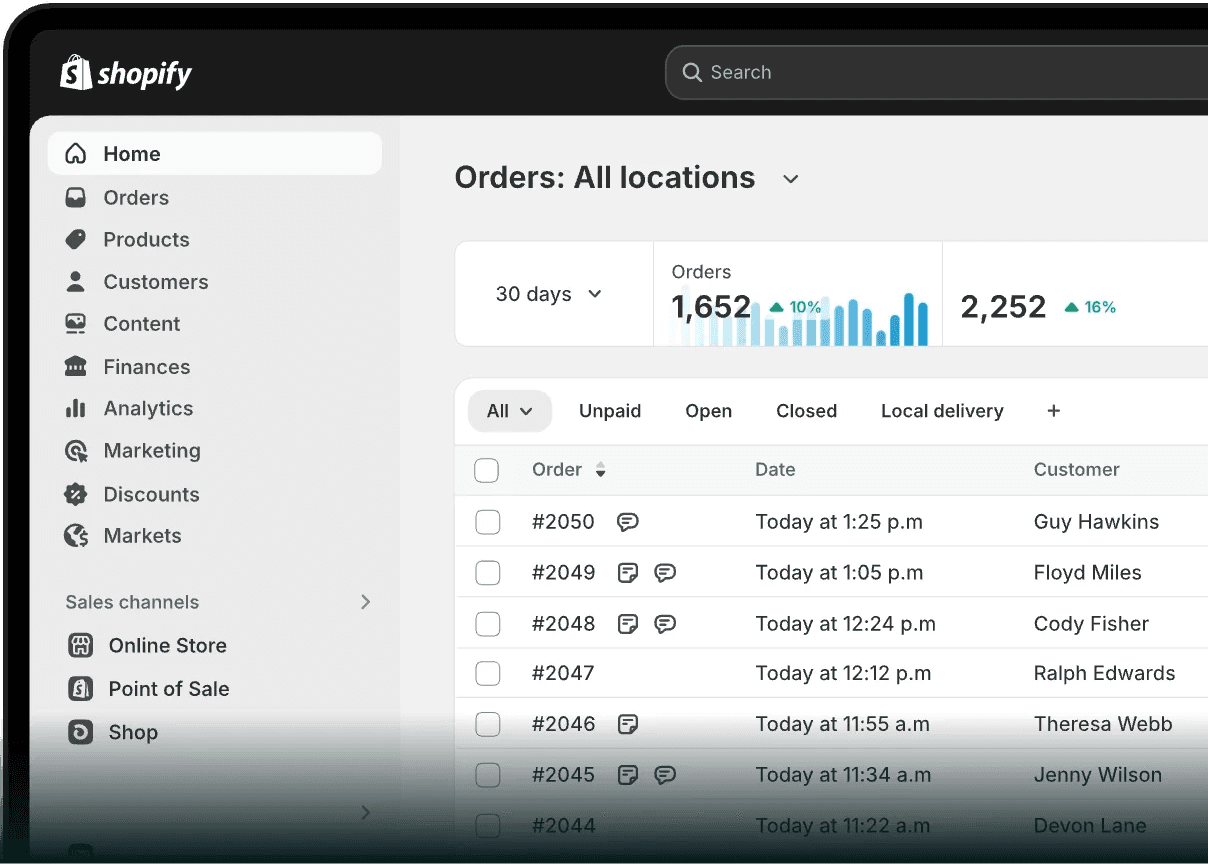
Before you personalize or anticipate anything, you need a clear view of the customer. The best way to achieve this is by centralizing all relevant data into one ecommerce crm system or integrated environment.
Bring together:
Order history: products purchased, dates, amounts, delivery methods
Support interactions: tickets, emails, ratings, returns
Customer preferences: sizes, colors, purchase frequency, preferred contact channels
Browsing behavior: pages viewed, products consulted, abandoned carts
This unified view is the foundation of customer relationship management in ecommerce. It prevents duplicates and inconsistent messaging. Your entire team works with the same data, which enables:
A smoother relationship (less friction)
More precise personalization
A consistent customer experience across channels
Strong crm and ecommerce integration ensures every interaction feels connected instead of fragmented.
Segment Customers Based on Real Behavior

A customer who orders three times per month does not have the same expectations as a visitor who browses your site once. That’s why crm and ecommerce strategies must adapt to customer value and behavior.
Use segmentation criteria such as:
Purchase frequency
Average order value
Lifecycle stage (new, repeat, inactive)
Type of products purchased
From there, apply structured rules inside your e-commerce crm software:
Send targeted offers based on customer category
Activate retention workflows for customers losing interest
Trigger personalized follow-ups based on viewed products or recent actions
If you’re asking yourself what is the importance of customer relationship management, segmentation is one of the clearest answers. It prevents you from wasting attention on generic messages.
Every interaction should deliver tangible value. That’s how you improve customer relationship management in a measurable way.
Humanize Key Touchpoints

Even in a highly automated environment, human attention matters. To improve customer relationship management, focus on responsiveness, tone, and relevance during critical moments.
For example:
Cart abandonment: send a personalized reminder with product details or a smart incentive
First order: send a reassuring welcome email that outlines next steps
Refund request: provide fast, clear, and frictionless support
If you want to understand how to improve customer relationship management, start here. Automation should support empathy, not replace it.
Respond quickly, even if you don’t have a full solution yet. Use a clear, direct, professional tone, avoid jargon and robotic auto-replies. Adapt to the customer’s preferred channel (chat, social media, email, etc.).
Remember: every interaction is an opportunity to strengthen the emotional connection. And that emotional connection is what drives loyalty in customer relationship management in ecommerce.
Build a Strong Post-Purchase Relationship Strategy

The customer relationship does not end on the order confirmation page. When managed properly, the post-purchase phase strengthens trust, encourages repeat purchases, and turns a buyer into a brand advocate.
In customer relationship management in ecommerce, post-purchase communication is one of the most powerful retention drivers.
To structure this phase inside your ecommerce crm system, implement:
A useful delivery follow-up message (with added value, not just a tracking link)
A genuine review request with a human tone (“How was your experience?”)
A smart follow-up based on the product purchased (cross-sell or replenishment for recurring products)
Helpful content: care instructions, usage ideas, compatible accessories, or even packaging tips in dropshipping, often overlooked but critical to the customer experience
This is where crm and ecommerce integration becomes essential. Your system should automatically trigger relevant flows based on order data.
The goal is simple: stay present without being intrusive. That’s how you create continuity in the relationship and increase retention through customer relationship management in ecommerce.


How to Structure Customer Relationship Management
To improve customer relationship management, you need structure. Too many ecommerce businesses stack disconnected actions without a clear plan.
Effective customer relationship management in ecommerce requires a framework.
Here is a simple four-step model you can apply immediately.
Step 1: Map the Customer Journey
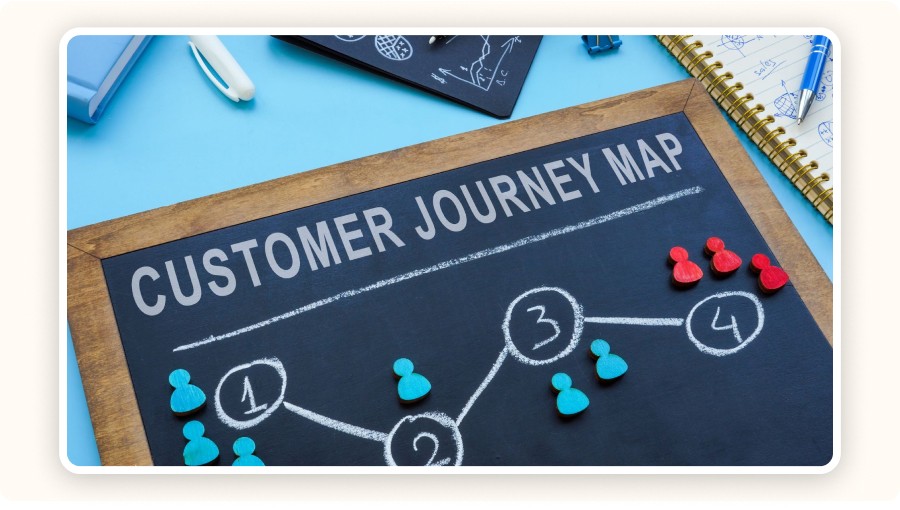
Before improving anything, understand how customers interact with your brand. From the first visit to after-sales support, every touchpoint can either create value or friction.
This step is foundational to any ecommerce crm platforms strategy.
Mapping allows you to:
Identify key stages (product search, cart addition, checkout, delivery, support, etc.)
Detect friction points (cart abandonment, dissatisfaction, long waiting times)
Without this visibility, customer relationship management in ecommerce becomes reactive instead of strategic.
Journey mapping also strengthens crm and ecommerce integration because it clarifies where automation should occur.
Step 2: Define Clear Relationship Goals

A high-performing e-commerce crm software strategy cannot rely on instinct. It must be driven by measurable objectives aligned with business priorities, such as:
Increase customer lifetime value (LTV) by 20% within six months
Reduce support complaints by 30%
Raise post-purchase email response rates to 60%
If you’re asking what is the importance of customer relationship management, this is part of the answer: it directly impacts revenue and operational efficiency.
Your goals should connect marketing, support, and logistics teams. Crm and ecommerce must function as one coordinated system, not isolated departments.
This is how you improve customer relationship management with purpose rather than guesswork.
Step 3: Formalize Relationship Scenarios

Customer relationships should never be improvised. Define who says what, to whom, when, and why. That’s what relational scenario planning is.
Inside your ecommerce crm system, structure communication around three stages:
Before purchase:
Reassure
Answer objections
Guide product selection
During purchase:
Confirm
Simplify
Prevent abandonment
After purchase:
Thank
Inform
Maintain engagement
If you want to understand how to improve customer relationship management, this step is critical.
Add emotional logic to your flows. Every message should aim to reassure, engage, or retain. A thoughtful thank-you email after a first purchase delivers more value than a generic receipt.
When properly implemented in your e-commerce crm software, these scenarios prevent gaps in communication and create a smooth, predictable, human experience.
Step 4: Build a Culture of Customer Listening

No strategy survives without continuous feedback.
Strong customer relationship management in ecommerce relies on both quantitative and qualitative analysis.
Track:
Repeat purchase rate
Post-purchase email open rate
Customer Satisfaction Score (CSAT)
Net Promoter Score (NPS)
Then analyze:
Customer reviews
Direct feedback via email or support
This approach helps you detect weak signals, dissatisfaction, unmet expectations, and adjust quickly.
If you want to know how to improve crm customer relationship management, ongoing listening is the answer. A dynamic strategy evolves with real data.
Modern ecommerce crm platforms make this possible by centralizing performance tracking and automating insight collection.
Customer relationship management in ecommerce is not static. It’s a living system that combines structure, automation, and agility.


Why Customer Relationship Management Drives Ecommerce Profitability
Ecommerce profitability doesn’t come only from one-time sales. Your ability to build durable, profitable relationships with each customer plays a major role, and that’s exactly what customer relationship management in ecommerce is designed to do.
When you structure relationships from day one, you increase lifetime value, reduce support costs, and rely less on paid traffic. In other words, you don’t just sell more, you build a more profitable business.
Acquisition Costs Are Rising, But Loyalty Doesn’t Happen Automatically
Customer acquisition costs (CAC) keep climbing. Paid ads are more expensive, competition is stronger, and algorithms change constantly. Each new customer costs more, yet most customers won’t stay ethical unless you actively build the relationship.
This is why the importance of customer relationship management matters so much today.
By structuring the relationship from the first touchpoint (emails, post-purchase messages, smart follow-ups), you can improve profitability without depending on ads forever. With a strong ecommerce crm system and clear workflows, you can:
Reduce dependence on expensive acquisition campaigns
Extend customer lifetime value (LTV)
Make every new customer more profitable long-term
This is one of the fastest ways to improve customer relationship management and protect your margins.
Loyal Customers = More Volume and More Margin
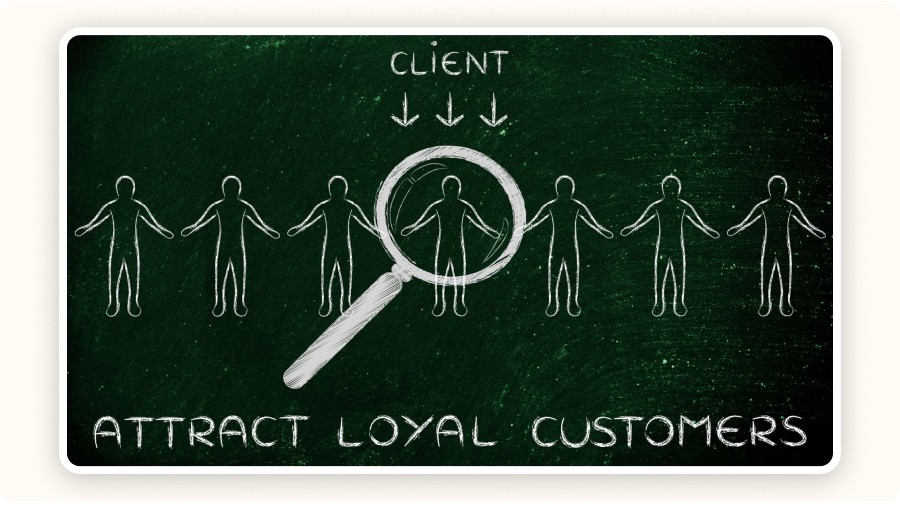
A loyal customer costs less to serve, buys more often, and recommends your brand. That’s the compounding effect of customer relationship management in ecommerce.
Here’s what loyalty improves:
Higher LTV: repeat customers generate more revenue over time
Higher conversion rate: existing customers convert better than cold prospects
More word-of-mouth: satisfied customers become natural brand advocates
With the right e-commerce crm software and segmentation, you can scale margins without increasing your marketing budget.
This is where crm and ecommerce integration helps: it lets you personalize and automate retention across channels.
Strong CRM Improves Every Performance Metric
Customer relationship management isn’t a “nice-to-have.” It’s a performance lever.
When you build a structured customer relationship management in ecommerce approach, supported by the right ecommerce crm platforms, you typically see:
Fewer cart abandonments (thanks to proactive, reassuring communication)
Higher NPS (customers are more likely to recommend you)
Lower return rates (clearer, more personalized experiences reduce surprises)
Every well-managed touchpoint improves the customer experience, and that directly increases economic performance.
If you’re looking for how to improve customer relationship management, tracking these outcomes is essential. This is also how you measure how to improve crm customer relationship management with real data, not guesswork.
Key Takeaways to Improve Customer Relationship Management in Ecommerce
In ecommerce, growth isn’t only about acquisition. It’s about building a strong, durable customer relationship.
Without a relationship strategy, every sale stays isolated. With structured customer relationship management in ecommerce, every customer becomes a source of repeat purchases, margin, and referrals.
Centralization, personalization, and active listening are the pillars that turn a basic transaction into a brand experience. Put customer relationships at the core of your model—because that’s where long-term profitability is built.
FAQ
What is the importance of customer relationship management in ecommerce?
Customer relationship management in ecommerce helps businesses increase customer lifetime value, reduce acquisition costs, and improve retention. A structured CRM strategy directly impacts profitability and long-term growth.
How to improve customer relationship management in ecommerce?
To improve customer relationship management, start by centralizing data in an ecommerce crm system, segment customers by behavior, automate post-purchase workflows, and track KPIs like LTV and repeat purchase rate.
What is the difference between an ecommerce CRM system and traditional CRM?
An ecommerce crm system focuses on transactional data, behavioral tracking, and automation tied to online sales. Traditional CRM tools often prioritize sales pipelines rather than customer lifecycle management.
Why is crm and ecommerce integration important?
Strong crm and ecommerce integration ensures real-time data synchronization between your store, marketing tools, and support channels. This prevents data silos and enables personalized communication at scale.
Similar articles