The Ultimate 2024 Guide to Food Dropshipping: Most Profitable Products and Suppliers

How to Succeed With Food Dropshipping in 2025

Best niche products dropshipping

Author:

December 23, 2025

Contents

Food dropshipping lets you sell food online without holding inventory, with low risk and minimal upfront costs. It’s a fast-growing market driven by organic food, vegan products, and supplements, with over +35% growth in online purchases since 2020. Even if you’re a complete beginner, you can launch a profitable online store.

To succeed in this space, you need to:

From there, everything relies on building a clean, trustworthy online store, writing clear product listings, and creating a targeted marketing strategy.

How Does Food Dropshipping Work?
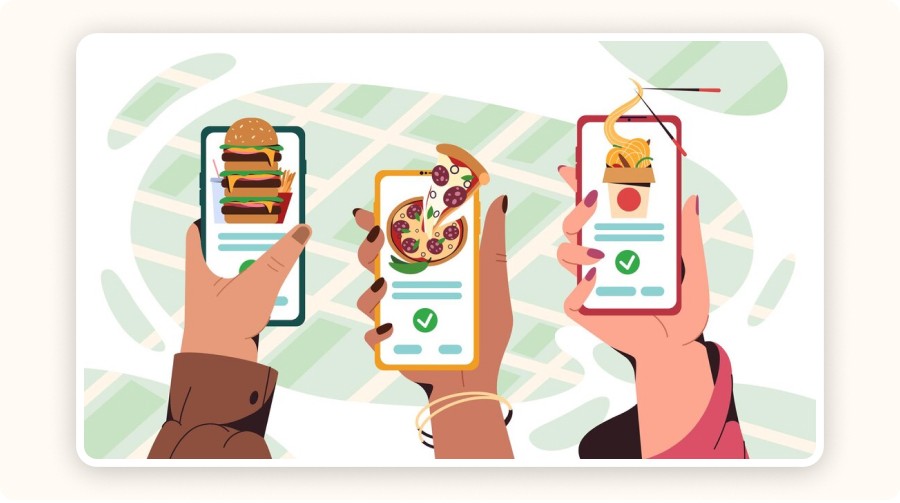
food in smartphones

In food dropshipping, you create an online store filled with food items such as pantry goods, sports nutrition, coffee, tea blends, and more. When a customer places an order, the supplier prepares, packs, and ships the product directly under your brand. You collect the sale and pay the supplier their wholesale price.

For example:

  • You sell an organic tea for $19, purchased for $9.

  • The customer pays at your store.

  • The supplier ships the order with your branding.

  • You keep a $10 margin, with no inventory and no logistics to handle.

Success in the food dropshipping business depends on meeting food regulations, maintaining proper labeling, and ensuring full traceability.

What Are the Advantages of Food Dropshipping?

Hand highlighting the word “Benefits”

Food dropshipping offers several benefits:

  • No inventory to manage: You can test products without tying up cash.

  • High repeat purchases: Like baby products, food, supplements, and beverages are bought regularly, which supports repeat sales and subscription models.

  • Highly targeted niches: Organic, allergen-free, vegan, sugar-free, local, specialty food… even dropshipping cleaning products, each niche serves a specific demand and helps you stand out with clear positioning and more effective marketing.

  • Easy-to-manage catalog: Start with 10–20 stable, shelf-stable products without worrying about cold-chain logistics.

  • Growing online demand: E-commerce for food and beverage products keeps expanding, especially for specialty items that are hard to find in local stores.

Food dropshipping lets you sell food online without holding inventory, with low risk and minimal upfront costs. It’s a fast-growing market driven by organic food, vegan products, and supplements, with over +35% growth in online purchases since 2020. Even if you’re a complete beginner, you can launch a profitable online store.

To succeed in this space, you need to:

From there, everything relies on building a clean, trustworthy online store, writing clear product listings, and creating a targeted marketing strategy.

How Does Food Dropshipping Work?

food in smartphones

In food dropshipping, you create an online store filled with food items such as pantry goods, sports nutrition, coffee, tea blends, and more. When a customer places an order, the supplier prepares, packs, and ships the product directly under your brand. You collect the sale and pay the supplier their wholesale price.

For example:

  • You sell an organic tea for $19, purchased for $9.

  • The customer pays at your store.

  • The supplier ships the order with your branding.

  • You keep a $10 margin, with no inventory and no logistics to handle.

Success in the food dropshipping business depends on meeting food regulations, maintaining proper labeling, and ensuring full traceability.

What Are the Advantages of Food Dropshipping?

Hand highlighting the word “Benefits”

Food dropshipping offers several benefits:

  • No inventory to manage: You can test products without tying up cash.

  • High repeat purchases: Like baby products, food, supplements, and beverages are bought regularly, which supports repeat sales and subscription models.

  • Highly targeted niches: Organic, allergen-free, vegan, sugar-free, local, specialty food… even dropshipping cleaning products, each niche serves a specific demand and helps you stand out with clear positioning and more effective marketing.

  • Easy-to-manage catalog: Start with 10–20 stable, shelf-stable products without worrying about cold-chain logistics.

  • Growing online demand: E-commerce for food and beverage products keeps expanding, especially for specialty items that are hard to find in local stores.

Food dropshipping lets you sell food online without holding inventory, with low risk and minimal upfront costs. It’s a fast-growing market driven by organic food, vegan products, and supplements, with over +35% growth in online purchases since 2020. Even if you’re a complete beginner, you can launch a profitable online store.

To succeed in this space, you need to:

From there, everything relies on building a clean, trustworthy online store, writing clear product listings, and creating a targeted marketing strategy.

How Does Food Dropshipping Work?

food in smartphones

In food dropshipping, you create an online store filled with food items such as pantry goods, sports nutrition, coffee, tea blends, and more. When a customer places an order, the supplier prepares, packs, and ships the product directly under your brand. You collect the sale and pay the supplier their wholesale price.

For example:

  • You sell an organic tea for $19, purchased for $9.

  • The customer pays at your store.

  • The supplier ships the order with your branding.

  • You keep a $10 margin, with no inventory and no logistics to handle.

Success in the food dropshipping business depends on meeting food regulations, maintaining proper labeling, and ensuring full traceability.

What Are the Advantages of Food Dropshipping?

Hand highlighting the word “Benefits”

Food dropshipping offers several benefits:

  • No inventory to manage: You can test products without tying up cash.

  • High repeat purchases: Like baby products, food, supplements, and beverages are bought regularly, which supports repeat sales and subscription models.

  • Highly targeted niches: Organic, allergen-free, vegan, sugar-free, local, specialty food… even dropshipping cleaning products, each niche serves a specific demand and helps you stand out with clear positioning and more effective marketing.

  • Easy-to-manage catalog: Start with 10–20 stable, shelf-stable products without worrying about cold-chain logistics.

  • Growing online demand: E-commerce for food and beverage products keeps expanding, especially for specialty items that are hard to find in local stores.

Food dropshipping lets you sell food online without holding inventory, with low risk and minimal upfront costs. It’s a fast-growing market driven by organic food, vegan products, and supplements, with over +35% growth in online purchases since 2020. Even if you’re a complete beginner, you can launch a profitable online store.

To succeed in this space, you need to:

From there, everything relies on building a clean, trustworthy online store, writing clear product listings, and creating a targeted marketing strategy.

How Does Food Dropshipping Work?

food in smartphones

In food dropshipping, you create an online store filled with food items such as pantry goods, sports nutrition, coffee, tea blends, and more. When a customer places an order, the supplier prepares, packs, and ships the product directly under your brand. You collect the sale and pay the supplier their wholesale price.

For example:

  • You sell an organic tea for $19, purchased for $9.

  • The customer pays at your store.

  • The supplier ships the order with your branding.

  • You keep a $10 margin, with no inventory and no logistics to handle.

Success in the food dropshipping business depends on meeting food regulations, maintaining proper labeling, and ensuring full traceability.

What Are the Advantages of Food Dropshipping?

Hand highlighting the word “Benefits”

Food dropshipping offers several benefits:

  • No inventory to manage: You can test products without tying up cash.

  • High repeat purchases: Like baby products, food, supplements, and beverages are bought regularly, which supports repeat sales and subscription models.

  • Highly targeted niches: Organic, allergen-free, vegan, sugar-free, local, specialty food… even dropshipping cleaning products, each niche serves a specific demand and helps you stand out with clear positioning and more effective marketing.

  • Easy-to-manage catalog: Start with 10–20 stable, shelf-stable products without worrying about cold-chain logistics.

  • Growing online demand: E-commerce for food and beverage products keeps expanding, especially for specialty items that are hard to find in local stores.

Food dropshipping lets you sell food online without holding inventory, with low risk and minimal upfront costs. It’s a fast-growing market driven by organic food, vegan products, and supplements, with over +35% growth in online purchases since 2020. Even if you’re a complete beginner, you can launch a profitable online store.

To succeed in this space, you need to:

From there, everything relies on building a clean, trustworthy online store, writing clear product listings, and creating a targeted marketing strategy.

How Does Food Dropshipping Work?

food in smartphones

In food dropshipping, you create an online store filled with food items such as pantry goods, sports nutrition, coffee, tea blends, and more. When a customer places an order, the supplier prepares, packs, and ships the product directly under your brand. You collect the sale and pay the supplier their wholesale price.

For example:

  • You sell an organic tea for $19, purchased for $9.

  • The customer pays at your store.

  • The supplier ships the order with your branding.

  • You keep a $10 margin, with no inventory and no logistics to handle.

Success in the food dropshipping business depends on meeting food regulations, maintaining proper labeling, and ensuring full traceability.

What Are the Advantages of Food Dropshipping?

Hand highlighting the word “Benefits”

Food dropshipping offers several benefits:

  • No inventory to manage: You can test products without tying up cash.

  • High repeat purchases: Like baby products, food, supplements, and beverages are bought regularly, which supports repeat sales and subscription models.

  • Highly targeted niches: Organic, allergen-free, vegan, sugar-free, local, specialty food… even dropshipping cleaning products, each niche serves a specific demand and helps you stand out with clear positioning and more effective marketing.

  • Easy-to-manage catalog: Start with 10–20 stable, shelf-stable products without worrying about cold-chain logistics.

  • Growing online demand: E-commerce for food and beverage products keeps expanding, especially for specialty items that are hard to find in local stores.

Food dropshipping lets you sell food online without holding inventory, with low risk and minimal upfront costs. It’s a fast-growing market driven by organic food, vegan products, and supplements, with over +35% growth in online purchases since 2020. Even if you’re a complete beginner, you can launch a profitable online store.

To succeed in this space, you need to:

From there, everything relies on building a clean, trustworthy online store, writing clear product listings, and creating a targeted marketing strategy.

How Does Food Dropshipping Work?

food in smartphones

In food dropshipping, you create an online store filled with food items such as pantry goods, sports nutrition, coffee, tea blends, and more. When a customer places an order, the supplier prepares, packs, and ships the product directly under your brand. You collect the sale and pay the supplier their wholesale price.

For example:

  • You sell an organic tea for $19, purchased for $9.

  • The customer pays at your store.

  • The supplier ships the order with your branding.

  • You keep a $10 margin, with no inventory and no logistics to handle.

Success in the food dropshipping business depends on meeting food regulations, maintaining proper labeling, and ensuring full traceability.

What Are the Advantages of Food Dropshipping?

Hand highlighting the word “Benefits”

Food dropshipping offers several benefits:

  • No inventory to manage: You can test products without tying up cash.

  • High repeat purchases: Like baby products, food, supplements, and beverages are bought regularly, which supports repeat sales and subscription models.

  • Highly targeted niches: Organic, allergen-free, vegan, sugar-free, local, specialty food… even dropshipping cleaning products, each niche serves a specific demand and helps you stand out with clear positioning and more effective marketing.

  • Easy-to-manage catalog: Start with 10–20 stable, shelf-stable products without worrying about cold-chain logistics.

  • Growing online demand: E-commerce for food and beverage products keeps expanding, especially for specialty items that are hard to find in local stores.

Winning products of the month

Winning products of the month

Winning products of the month

Winning products of the month

Winning products of the month

Winning products of the month

Why Food Dropshipping Is a Strong Opportunity in 2025
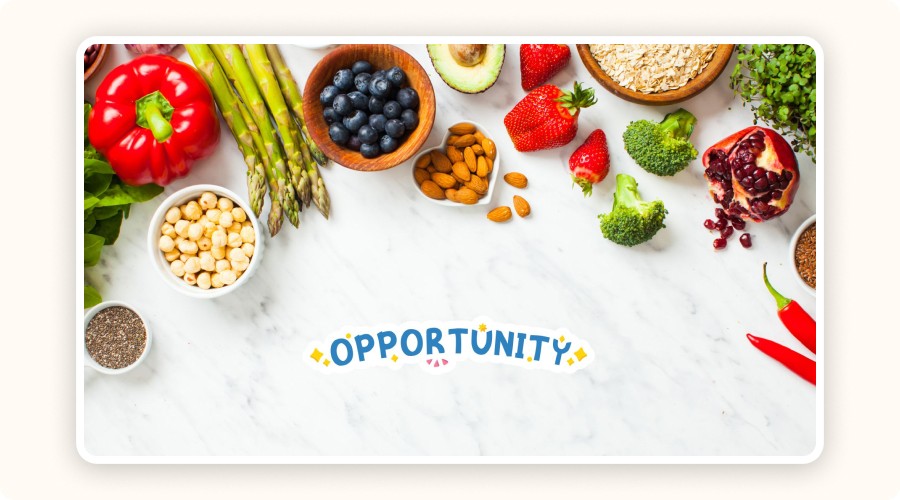
word “Opportunity” surrounded by food

Online food sales are exploding, fueled by changing consumer habits and highly profitable niches. Food dropshipping fits perfectly into this trend. If you want to get started, 2025 is the ideal time, the demand is strong, niches are growing, and shoppers expect more convenience, transparency, and specialty options than ever.

The Online Food Market Is Growing Fast

Online food sales have surged by more than 35% since 2020, especially in high-demand segments like organic food, vegan options, and nutrition-focused products. This growth reflects a major shift in consumer behavior: people want broader choices, more transparency, and easy access without relying on traditional retail channels. As a result, thousands of new food dropshipping stores have entered these still-underserved niches.

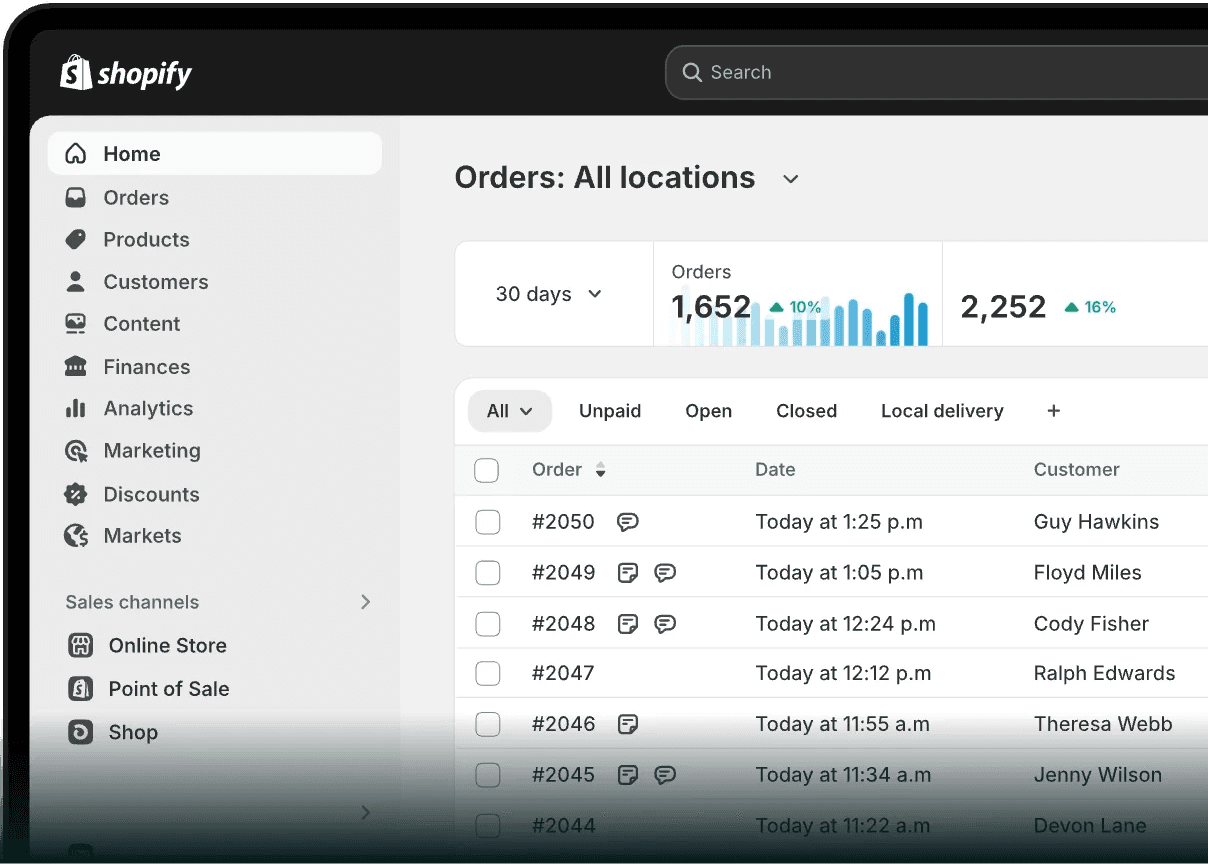
Most popular e-commerce platforms, like Shopify or WooCommerce, now allow merchants to sell food products without technical expertise. Getting started is accessible, as long as you choose the right niche and partner with reliable dropshipping suppliers.

Key Trends in 2025: Vegan, Organic, Healthy

In 2025, demand is especially strong for:

  • Superfoods: spirulina, chia seeds, goji berries

  • Vegan or gluten-free snacks: energy bars, vegetable chips

  • Natural beverages: organic teas, artisan coffee, kombucha, wellness infusions

  • Food supplements: vitamins, probiotics, plant-based protein

  • Premium organic pantry items: honey, oils, spices, specialty food

These products attract highly engaged consumers and drive repeat orders. High quality standards also justify higher pricing, which can boost your food dropshipping margins.

Why Food Dropshipping Is Attractive for Online Sellers

Food dropshipping appeals to entrepreneurs because it offers:

Healthy profit margins: By selling specialty items like organic food, vegan snacks, or supplements, merchants can earn 30–60% net margins, especially when working with private-label suppliers.

Easy branding opportunities: Food branding relies heavily on packaging, storytelling, and values. With private-label manufacturing, you can build a cohesive, recognizable brand, even if you’re starting from scratch.

Low barriers to entry: There’s no need for a warehouse or logistics team. You can launch an online store with just a few products, strong branding, and a modest startup budget.

In short, food dropshipping remains a relatively unsaturated market with rising demand, loyal customers, and products that offer strong perceived value.

Steps to Build a Successful Food Dropshipping Business

Launching a food dropshipping store requires a clear method, strict compliance with food regulations, and a well-structured product offer. Follow these essential steps to build a solid foundation.

Step 1: Understand Food Regulations

“Follow the rules” written on notepad

Before selling dropshipping food products, you must know the safety rules for your target market. In Europe, follow EFSA guidelines. In the United States, the FDA oversees food labeling and product compliance. No matter the region, apply HACCP principles to ensure food safety throughout your supply chain.

Also make sure to follow:

  • Full labeling requirements: ingredients, allergens, nutrition facts, origin

  • Customs rules: restricted products, import/export taxes

  • Mandatory information: shelf life, legal notices, consumer details

Compliance is essential when you dropship food products, especially when working with supplements, organic goods, or allergen-free items.

Step 2: Choose a Profitable Food Niche

Tablet screen showing the word “Niche”

The food market is huge, so specialization is key. In 2025, the most profitable niches include:

  • Vegan products: snacks, ready-to-eat meals, protein bars

  • Gluten-free or allergen-free items: baking mixes, pastries

  • Food supplements: vitamins, probiotics, superfoods

  • Organic beverages: teas, artisan coffee, functional infusions

A clear niche attracts the right audience, consumers willing to pay more for high quality products that match their lifestyle. It also strengthens your positioning in the food dropshipping market.

Step 3: Pick Your Business Model — White Label or Reselling
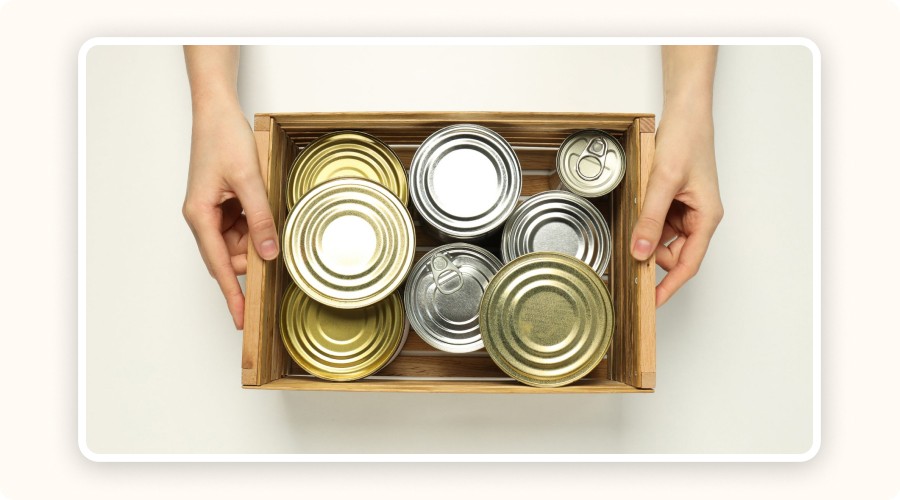
box filled with canned goods

You have two options when building your dropshipping business:

  • Reselling: You sell the supplier’s branded products.

  • White label: The supplier produces the goods, but you sell them under your own brand.

White labeling allows you to build a strong identity, set your own pricing, and stand out from competitors. If your goal is long-term growth, this is often the best model.

Step 4: Find Reliable Suppliers
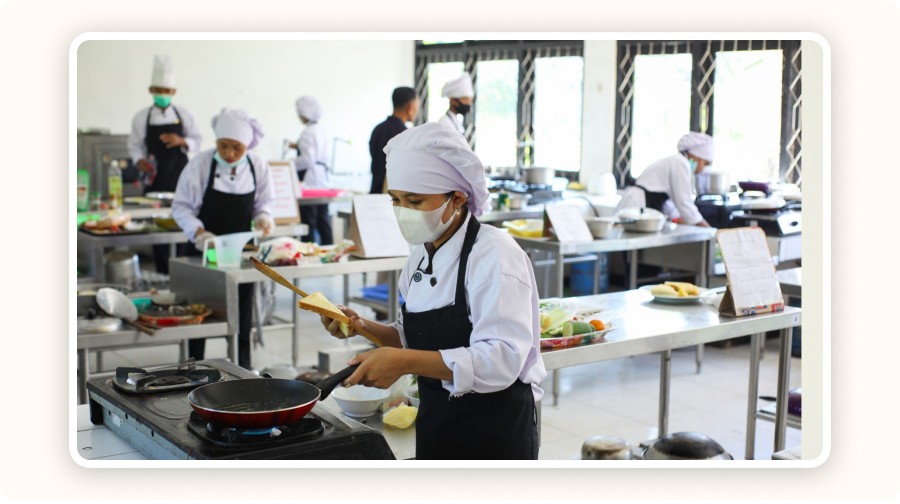
Professional kitchen staff 

Your supplier determines product quality, delivery times, compliance standards, and overall customer satisfaction. Choose them based on:

  • Certifications: organic, vegan, allergen-free, HACCP

  • Delivery times: fast, trackable, dependable

  • Product types: preferably dry, shelf-stable food items

  • Customer service: responsive and clear about returns

Top dropshipping food suppliers include:

  • GreenDropShip: organic food and natural products (US)

  • Deja Vegan: 100% vegan snacks

  • Dripshipper: private-label coffee

  • Syncee: wide food and beverage catalog

  • DSers + AliExpress: great for testing new products at low cost

Choosing the right suppliers is crucial for consistency, traceability, and inventory management.

Why Food Dropshipping Is a Strong Opportunity in 2025

word “Opportunity” surrounded by food

Online food sales are exploding, fueled by changing consumer habits and highly profitable niches. Food dropshipping fits perfectly into this trend. If you want to get started, 2025 is the ideal time, the demand is strong, niches are growing, and shoppers expect more convenience, transparency, and specialty options than ever.

The Online Food Market Is Growing Fast

Online food sales have surged by more than 35% since 2020, especially in high-demand segments like organic food, vegan options, and nutrition-focused products. This growth reflects a major shift in consumer behavior: people want broader choices, more transparency, and easy access without relying on traditional retail channels. As a result, thousands of new food dropshipping stores have entered these still-underserved niches.

Most popular e-commerce platforms, like Shopify or WooCommerce, now allow merchants to sell food products without technical expertise. Getting started is accessible, as long as you choose the right niche and partner with reliable dropshipping suppliers.

Key Trends in 2025: Vegan, Organic, Healthy

In 2025, demand is especially strong for:

  • Superfoods: spirulina, chia seeds, goji berries

  • Vegan or gluten-free snacks: energy bars, vegetable chips

  • Natural beverages: organic teas, artisan coffee, kombucha, wellness infusions

  • Food supplements: vitamins, probiotics, plant-based protein

  • Premium organic pantry items: honey, oils, spices, specialty food

These products attract highly engaged consumers and drive repeat orders. High quality standards also justify higher pricing, which can boost your food dropshipping margins.

Why Food Dropshipping Is Attractive for Online Sellers

Food dropshipping appeals to entrepreneurs because it offers:

Healthy profit margins: By selling specialty items like organic food, vegan snacks, or supplements, merchants can earn 30–60% net margins, especially when working with private-label suppliers.

Easy branding opportunities: Food branding relies heavily on packaging, storytelling, and values. With private-label manufacturing, you can build a cohesive, recognizable brand, even if you’re starting from scratch.

Low barriers to entry: There’s no need for a warehouse or logistics team. You can launch an online store with just a few products, strong branding, and a modest startup budget.

In short, food dropshipping remains a relatively unsaturated market with rising demand, loyal customers, and products that offer strong perceived value.

Steps to Build a Successful Food Dropshipping Business

Launching a food dropshipping store requires a clear method, strict compliance with food regulations, and a well-structured product offer. Follow these essential steps to build a solid foundation.

Step 1: Understand Food Regulations

“Follow the rules” written on notepad

Before selling dropshipping food products, you must know the safety rules for your target market. In Europe, follow EFSA guidelines. In the United States, the FDA oversees food labeling and product compliance. No matter the region, apply HACCP principles to ensure food safety throughout your supply chain.

Also make sure to follow:

  • Full labeling requirements: ingredients, allergens, nutrition facts, origin

  • Customs rules: restricted products, import/export taxes

  • Mandatory information: shelf life, legal notices, consumer details

Compliance is essential when you dropship food products, especially when working with supplements, organic goods, or allergen-free items.

Step 2: Choose a Profitable Food Niche

Tablet screen showing the word “Niche”

The food market is huge, so specialization is key. In 2025, the most profitable niches include:

  • Vegan products: snacks, ready-to-eat meals, protein bars

  • Gluten-free or allergen-free items: baking mixes, pastries

  • Food supplements: vitamins, probiotics, superfoods

  • Organic beverages: teas, artisan coffee, functional infusions

A clear niche attracts the right audience, consumers willing to pay more for high quality products that match their lifestyle. It also strengthens your positioning in the food dropshipping market.

Step 3: Pick Your Business Model — White Label or Reselling

box filled with canned goods

You have two options when building your dropshipping business:

  • Reselling: You sell the supplier’s branded products.

  • White label: The supplier produces the goods, but you sell them under your own brand.

White labeling allows you to build a strong identity, set your own pricing, and stand out from competitors. If your goal is long-term growth, this is often the best model.

Step 4: Find Reliable Suppliers

Professional kitchen staff 

Your supplier determines product quality, delivery times, compliance standards, and overall customer satisfaction. Choose them based on:

  • Certifications: organic, vegan, allergen-free, HACCP

  • Delivery times: fast, trackable, dependable

  • Product types: preferably dry, shelf-stable food items

  • Customer service: responsive and clear about returns

Top dropshipping food suppliers include:

  • GreenDropShip: organic food and natural products (US)

  • Deja Vegan: 100% vegan snacks

  • Dripshipper: private-label coffee

  • Syncee: wide food and beverage catalog

  • DSers + AliExpress: great for testing new products at low cost

Choosing the right suppliers is crucial for consistency, traceability, and inventory management.

Why Food Dropshipping Is a Strong Opportunity in 2025

word “Opportunity” surrounded by food

Online food sales are exploding, fueled by changing consumer habits and highly profitable niches. Food dropshipping fits perfectly into this trend. If you want to get started, 2025 is the ideal time, the demand is strong, niches are growing, and shoppers expect more convenience, transparency, and specialty options than ever.

The Online Food Market Is Growing Fast

Online food sales have surged by more than 35% since 2020, especially in high-demand segments like organic food, vegan options, and nutrition-focused products. This growth reflects a major shift in consumer behavior: people want broader choices, more transparency, and easy access without relying on traditional retail channels. As a result, thousands of new food dropshipping stores have entered these still-underserved niches.

Most popular e-commerce platforms, like Shopify or WooCommerce, now allow merchants to sell food products without technical expertise. Getting started is accessible, as long as you choose the right niche and partner with reliable dropshipping suppliers.

Key Trends in 2025: Vegan, Organic, Healthy

In 2025, demand is especially strong for:

  • Superfoods: spirulina, chia seeds, goji berries

  • Vegan or gluten-free snacks: energy bars, vegetable chips

  • Natural beverages: organic teas, artisan coffee, kombucha, wellness infusions

  • Food supplements: vitamins, probiotics, plant-based protein

  • Premium organic pantry items: honey, oils, spices, specialty food

These products attract highly engaged consumers and drive repeat orders. High quality standards also justify higher pricing, which can boost your food dropshipping margins.

Why Food Dropshipping Is Attractive for Online Sellers

Food dropshipping appeals to entrepreneurs because it offers:

Healthy profit margins: By selling specialty items like organic food, vegan snacks, or supplements, merchants can earn 30–60% net margins, especially when working with private-label suppliers.

Easy branding opportunities: Food branding relies heavily on packaging, storytelling, and values. With private-label manufacturing, you can build a cohesive, recognizable brand, even if you’re starting from scratch.

Low barriers to entry: There’s no need for a warehouse or logistics team. You can launch an online store with just a few products, strong branding, and a modest startup budget.

In short, food dropshipping remains a relatively unsaturated market with rising demand, loyal customers, and products that offer strong perceived value.

Steps to Build a Successful Food Dropshipping Business

Launching a food dropshipping store requires a clear method, strict compliance with food regulations, and a well-structured product offer. Follow these essential steps to build a solid foundation.

Step 1: Understand Food Regulations

“Follow the rules” written on notepad

Before selling dropshipping food products, you must know the safety rules for your target market. In Europe, follow EFSA guidelines. In the United States, the FDA oversees food labeling and product compliance. No matter the region, apply HACCP principles to ensure food safety throughout your supply chain.

Also make sure to follow:

  • Full labeling requirements: ingredients, allergens, nutrition facts, origin

  • Customs rules: restricted products, import/export taxes

  • Mandatory information: shelf life, legal notices, consumer details

Compliance is essential when you dropship food products, especially when working with supplements, organic goods, or allergen-free items.

Step 2: Choose a Profitable Food Niche

Tablet screen showing the word “Niche”

The food market is huge, so specialization is key. In 2025, the most profitable niches include:

  • Vegan products: snacks, ready-to-eat meals, protein bars

  • Gluten-free or allergen-free items: baking mixes, pastries

  • Food supplements: vitamins, probiotics, superfoods

  • Organic beverages: teas, artisan coffee, functional infusions

A clear niche attracts the right audience, consumers willing to pay more for high quality products that match their lifestyle. It also strengthens your positioning in the food dropshipping market.

Step 3: Pick Your Business Model — White Label or Reselling

box filled with canned goods

You have two options when building your dropshipping business:

  • Reselling: You sell the supplier’s branded products.

  • White label: The supplier produces the goods, but you sell them under your own brand.

White labeling allows you to build a strong identity, set your own pricing, and stand out from competitors. If your goal is long-term growth, this is often the best model.

Step 4: Find Reliable Suppliers

Professional kitchen staff 

Your supplier determines product quality, delivery times, compliance standards, and overall customer satisfaction. Choose them based on:

  • Certifications: organic, vegan, allergen-free, HACCP

  • Delivery times: fast, trackable, dependable

  • Product types: preferably dry, shelf-stable food items

  • Customer service: responsive and clear about returns

Top dropshipping food suppliers include:

  • GreenDropShip: organic food and natural products (US)

  • Deja Vegan: 100% vegan snacks

  • Dripshipper: private-label coffee

  • Syncee: wide food and beverage catalog

  • DSers + AliExpress: great for testing new products at low cost

Choosing the right suppliers is crucial for consistency, traceability, and inventory management.

Why Food Dropshipping Is a Strong Opportunity in 2025

word “Opportunity” surrounded by food

Online food sales are exploding, fueled by changing consumer habits and highly profitable niches. Food dropshipping fits perfectly into this trend. If you want to get started, 2025 is the ideal time, the demand is strong, niches are growing, and shoppers expect more convenience, transparency, and specialty options than ever.

The Online Food Market Is Growing Fast

Online food sales have surged by more than 35% since 2020, especially in high-demand segments like organic food, vegan options, and nutrition-focused products. This growth reflects a major shift in consumer behavior: people want broader choices, more transparency, and easy access without relying on traditional retail channels. As a result, thousands of new food dropshipping stores have entered these still-underserved niches.

Most popular e-commerce platforms, like Shopify or WooCommerce, now allow merchants to sell food products without technical expertise. Getting started is accessible, as long as you choose the right niche and partner with reliable dropshipping suppliers.

Key Trends in 2025: Vegan, Organic, Healthy

In 2025, demand is especially strong for:

  • Superfoods: spirulina, chia seeds, goji berries

  • Vegan or gluten-free snacks: energy bars, vegetable chips

  • Natural beverages: organic teas, artisan coffee, kombucha, wellness infusions

  • Food supplements: vitamins, probiotics, plant-based protein

  • Premium organic pantry items: honey, oils, spices, specialty food

These products attract highly engaged consumers and drive repeat orders. High quality standards also justify higher pricing, which can boost your food dropshipping margins.

Why Food Dropshipping Is Attractive for Online Sellers

Food dropshipping appeals to entrepreneurs because it offers:

Healthy profit margins: By selling specialty items like organic food, vegan snacks, or supplements, merchants can earn 30–60% net margins, especially when working with private-label suppliers.

Easy branding opportunities: Food branding relies heavily on packaging, storytelling, and values. With private-label manufacturing, you can build a cohesive, recognizable brand, even if you’re starting from scratch.

Low barriers to entry: There’s no need for a warehouse or logistics team. You can launch an online store with just a few products, strong branding, and a modest startup budget.

In short, food dropshipping remains a relatively unsaturated market with rising demand, loyal customers, and products that offer strong perceived value.

Steps to Build a Successful Food Dropshipping Business

Launching a food dropshipping store requires a clear method, strict compliance with food regulations, and a well-structured product offer. Follow these essential steps to build a solid foundation.

Step 1: Understand Food Regulations

“Follow the rules” written on notepad

Before selling dropshipping food products, you must know the safety rules for your target market. In Europe, follow EFSA guidelines. In the United States, the FDA oversees food labeling and product compliance. No matter the region, apply HACCP principles to ensure food safety throughout your supply chain.

Also make sure to follow:

  • Full labeling requirements: ingredients, allergens, nutrition facts, origin

  • Customs rules: restricted products, import/export taxes

  • Mandatory information: shelf life, legal notices, consumer details

Compliance is essential when you dropship food products, especially when working with supplements, organic goods, or allergen-free items.

Step 2: Choose a Profitable Food Niche

Tablet screen showing the word “Niche”

The food market is huge, so specialization is key. In 2025, the most profitable niches include:

  • Vegan products: snacks, ready-to-eat meals, protein bars

  • Gluten-free or allergen-free items: baking mixes, pastries

  • Food supplements: vitamins, probiotics, superfoods

  • Organic beverages: teas, artisan coffee, functional infusions

A clear niche attracts the right audience, consumers willing to pay more for high quality products that match their lifestyle. It also strengthens your positioning in the food dropshipping market.

Step 3: Pick Your Business Model — White Label or Reselling

box filled with canned goods

You have two options when building your dropshipping business:

  • Reselling: You sell the supplier’s branded products.

  • White label: The supplier produces the goods, but you sell them under your own brand.

White labeling allows you to build a strong identity, set your own pricing, and stand out from competitors. If your goal is long-term growth, this is often the best model.

Step 4: Find Reliable Suppliers

Professional kitchen staff 

Your supplier determines product quality, delivery times, compliance standards, and overall customer satisfaction. Choose them based on:

  • Certifications: organic, vegan, allergen-free, HACCP

  • Delivery times: fast, trackable, dependable

  • Product types: preferably dry, shelf-stable food items

  • Customer service: responsive and clear about returns

Top dropshipping food suppliers include:

  • GreenDropShip: organic food and natural products (US)

  • Deja Vegan: 100% vegan snacks

  • Dripshipper: private-label coffee

  • Syncee: wide food and beverage catalog

  • DSers + AliExpress: great for testing new products at low cost

Choosing the right suppliers is crucial for consistency, traceability, and inventory management.

Why Food Dropshipping Is a Strong Opportunity in 2025

word “Opportunity” surrounded by food

Online food sales are exploding, fueled by changing consumer habits and highly profitable niches. Food dropshipping fits perfectly into this trend. If you want to get started, 2025 is the ideal time, the demand is strong, niches are growing, and shoppers expect more convenience, transparency, and specialty options than ever.

The Online Food Market Is Growing Fast

Online food sales have surged by more than 35% since 2020, especially in high-demand segments like organic food, vegan options, and nutrition-focused products. This growth reflects a major shift in consumer behavior: people want broader choices, more transparency, and easy access without relying on traditional retail channels. As a result, thousands of new food dropshipping stores have entered these still-underserved niches.

Most popular e-commerce platforms, like Shopify or WooCommerce, now allow merchants to sell food products without technical expertise. Getting started is accessible, as long as you choose the right niche and partner with reliable dropshipping suppliers.

Key Trends in 2025: Vegan, Organic, Healthy

In 2025, demand is especially strong for:

  • Superfoods: spirulina, chia seeds, goji berries

  • Vegan or gluten-free snacks: energy bars, vegetable chips

  • Natural beverages: organic teas, artisan coffee, kombucha, wellness infusions

  • Food supplements: vitamins, probiotics, plant-based protein

  • Premium organic pantry items: honey, oils, spices, specialty food

These products attract highly engaged consumers and drive repeat orders. High quality standards also justify higher pricing, which can boost your food dropshipping margins.

Why Food Dropshipping Is Attractive for Online Sellers

Food dropshipping appeals to entrepreneurs because it offers:

Healthy profit margins: By selling specialty items like organic food, vegan snacks, or supplements, merchants can earn 30–60% net margins, especially when working with private-label suppliers.

Easy branding opportunities: Food branding relies heavily on packaging, storytelling, and values. With private-label manufacturing, you can build a cohesive, recognizable brand, even if you’re starting from scratch.

Low barriers to entry: There’s no need for a warehouse or logistics team. You can launch an online store with just a few products, strong branding, and a modest startup budget.

In short, food dropshipping remains a relatively unsaturated market with rising demand, loyal customers, and products that offer strong perceived value.

Steps to Build a Successful Food Dropshipping Business

Launching a food dropshipping store requires a clear method, strict compliance with food regulations, and a well-structured product offer. Follow these essential steps to build a solid foundation.

Step 1: Understand Food Regulations

“Follow the rules” written on notepad

Before selling dropshipping food products, you must know the safety rules for your target market. In Europe, follow EFSA guidelines. In the United States, the FDA oversees food labeling and product compliance. No matter the region, apply HACCP principles to ensure food safety throughout your supply chain.

Also make sure to follow:

  • Full labeling requirements: ingredients, allergens, nutrition facts, origin

  • Customs rules: restricted products, import/export taxes

  • Mandatory information: shelf life, legal notices, consumer details

Compliance is essential when you dropship food products, especially when working with supplements, organic goods, or allergen-free items.

Step 2: Choose a Profitable Food Niche

Tablet screen showing the word “Niche”

The food market is huge, so specialization is key. In 2025, the most profitable niches include:

  • Vegan products: snacks, ready-to-eat meals, protein bars

  • Gluten-free or allergen-free items: baking mixes, pastries

  • Food supplements: vitamins, probiotics, superfoods

  • Organic beverages: teas, artisan coffee, functional infusions

A clear niche attracts the right audience, consumers willing to pay more for high quality products that match their lifestyle. It also strengthens your positioning in the food dropshipping market.

Step 3: Pick Your Business Model — White Label or Reselling

box filled with canned goods

You have two options when building your dropshipping business:

  • Reselling: You sell the supplier’s branded products.

  • White label: The supplier produces the goods, but you sell them under your own brand.

White labeling allows you to build a strong identity, set your own pricing, and stand out from competitors. If your goal is long-term growth, this is often the best model.

Step 4: Find Reliable Suppliers

Professional kitchen staff 

Your supplier determines product quality, delivery times, compliance standards, and overall customer satisfaction. Choose them based on:

  • Certifications: organic, vegan, allergen-free, HACCP

  • Delivery times: fast, trackable, dependable

  • Product types: preferably dry, shelf-stable food items

  • Customer service: responsive and clear about returns

Top dropshipping food suppliers include:

  • GreenDropShip: organic food and natural products (US)

  • Deja Vegan: 100% vegan snacks

  • Dripshipper: private-label coffee

  • Syncee: wide food and beverage catalog

  • DSers + AliExpress: great for testing new products at low cost

Choosing the right suppliers is crucial for consistency, traceability, and inventory management.

Why Food Dropshipping Is a Strong Opportunity in 2025

word “Opportunity” surrounded by food

Online food sales are exploding, fueled by changing consumer habits and highly profitable niches. Food dropshipping fits perfectly into this trend. If you want to get started, 2025 is the ideal time, the demand is strong, niches are growing, and shoppers expect more convenience, transparency, and specialty options than ever.

The Online Food Market Is Growing Fast

Online food sales have surged by more than 35% since 2020, especially in high-demand segments like organic food, vegan options, and nutrition-focused products. This growth reflects a major shift in consumer behavior: people want broader choices, more transparency, and easy access without relying on traditional retail channels. As a result, thousands of new food dropshipping stores have entered these still-underserved niches.

Most popular e-commerce platforms, like Shopify or WooCommerce, now allow merchants to sell food products without technical expertise. Getting started is accessible, as long as you choose the right niche and partner with reliable dropshipping suppliers.

Key Trends in 2025: Vegan, Organic, Healthy

In 2025, demand is especially strong for:

  • Superfoods: spirulina, chia seeds, goji berries

  • Vegan or gluten-free snacks: energy bars, vegetable chips

  • Natural beverages: organic teas, artisan coffee, kombucha, wellness infusions

  • Food supplements: vitamins, probiotics, plant-based protein

  • Premium organic pantry items: honey, oils, spices, specialty food

These products attract highly engaged consumers and drive repeat orders. High quality standards also justify higher pricing, which can boost your food dropshipping margins.

Why Food Dropshipping Is Attractive for Online Sellers

Food dropshipping appeals to entrepreneurs because it offers:

Healthy profit margins: By selling specialty items like organic food, vegan snacks, or supplements, merchants can earn 30–60% net margins, especially when working with private-label suppliers.

Easy branding opportunities: Food branding relies heavily on packaging, storytelling, and values. With private-label manufacturing, you can build a cohesive, recognizable brand, even if you’re starting from scratch.

Low barriers to entry: There’s no need for a warehouse or logistics team. You can launch an online store with just a few products, strong branding, and a modest startup budget.

In short, food dropshipping remains a relatively unsaturated market with rising demand, loyal customers, and products that offer strong perceived value.

Steps to Build a Successful Food Dropshipping Business

Launching a food dropshipping store requires a clear method, strict compliance with food regulations, and a well-structured product offer. Follow these essential steps to build a solid foundation.

Step 1: Understand Food Regulations

“Follow the rules” written on notepad

Before selling dropshipping food products, you must know the safety rules for your target market. In Europe, follow EFSA guidelines. In the United States, the FDA oversees food labeling and product compliance. No matter the region, apply HACCP principles to ensure food safety throughout your supply chain.

Also make sure to follow:

  • Full labeling requirements: ingredients, allergens, nutrition facts, origin

  • Customs rules: restricted products, import/export taxes

  • Mandatory information: shelf life, legal notices, consumer details

Compliance is essential when you dropship food products, especially when working with supplements, organic goods, or allergen-free items.

Step 2: Choose a Profitable Food Niche

Tablet screen showing the word “Niche”

The food market is huge, so specialization is key. In 2025, the most profitable niches include:

  • Vegan products: snacks, ready-to-eat meals, protein bars

  • Gluten-free or allergen-free items: baking mixes, pastries

  • Food supplements: vitamins, probiotics, superfoods

  • Organic beverages: teas, artisan coffee, functional infusions

A clear niche attracts the right audience, consumers willing to pay more for high quality products that match their lifestyle. It also strengthens your positioning in the food dropshipping market.

Step 3: Pick Your Business Model — White Label or Reselling

box filled with canned goods

You have two options when building your dropshipping business:

  • Reselling: You sell the supplier’s branded products.

  • White label: The supplier produces the goods, but you sell them under your own brand.

White labeling allows you to build a strong identity, set your own pricing, and stand out from competitors. If your goal is long-term growth, this is often the best model.

Step 4: Find Reliable Suppliers

Professional kitchen staff 

Your supplier determines product quality, delivery times, compliance standards, and overall customer satisfaction. Choose them based on:

  • Certifications: organic, vegan, allergen-free, HACCP

  • Delivery times: fast, trackable, dependable

  • Product types: preferably dry, shelf-stable food items

  • Customer service: responsive and clear about returns

Top dropshipping food suppliers include:

  • GreenDropShip: organic food and natural products (US)

  • Deja Vegan: 100% vegan snacks

  • Dripshipper: private-label coffee

  • Syncee: wide food and beverage catalog

  • DSers + AliExpress: great for testing new products at low cost

Choosing the right suppliers is crucial for consistency, traceability, and inventory management.

Take a Shortcut

Intensive coaching, $1,000/day guaranteed or your money back
Baptistin coaching

Take a Shortcut

Intensive coaching, $1,000/day guaranteed or your money back
Baptistin coaching

Take a Shortcut

Intensive coaching, $1,000/day guaranteed or your money back
Baptistin coaching

Take a Shortcut

Intensive coaching, $1,000/day guaranteed or your money back
Baptistin coaching

Take a Shortcut

Intensive coaching, $1,000/day guaranteed or your money back
Baptistin coaching

Take a Shortcut

Intensive coaching, $1,000/day guaranteed or your money back
Baptistin coaching

Step 5: Build Your Online Store

Hand browsing an online store on a tablet

To create your online store, use platforms like:

  • Shopify: fast, all-in-one, beginner-friendly

  • WooCommerce: flexible and customizable for WordPress users

To stand out, use a clean theme, simple navigation, and clear product pages. Add mandatory pages such as shipping, returns, legal notices, and policies.

Step 6: Create Optimized Food Product Pages

Your product listings should:

  • Show professional photos of the actual food or beverage products

  • Include nutrition information and all relevant labels (organic, vegan, etc.)

  • Highlight key benefits (digestive health, energy boost, high fiber)

  • Display customer reviews and UGC like recipes or testimonials

For SEO, use a clear title, your main keyword, and ALT tags on images. This helps improve visibility and increases conversions for your food dropshipping store.

Step 7: Set the Right Prices (Profitability & Customer Perception)
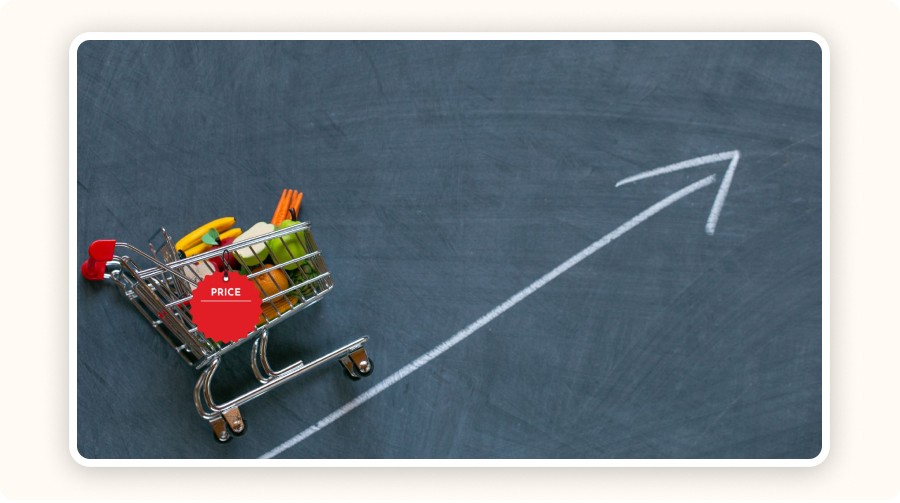
Mini shopping cart filled with vegetables

When running a food dropshipping business, make sure you include every cost in your pricing: supplier prices, shipping fees, ads, platform costs, and your desired margin. To increase profitability, consider:

  • Bundles: raise your average order value

  • Subscriptions: create recurring revenue (e.g., monthly deliveries of tea or snacks)

  • Entry products + upsells: for example, a $5 protein bar paired with a $14.90 tea

Smart pricing helps you stay competitive, especially when you sell dropshipping food products or specialty food items with strong repeat demand.

Step 8: Organize Your Logistics

Delivery riders on scooters

In food dropshipping, choose dry, shelf-stable food items to reduce constraints. Use inventory synchronization tools to prevent stockouts, and always verify transportation conditions, shelf life, and customs regulations.

For fresh products, only work with suppliers who can manage cold-chain logistics and offer fast, reliable delivery. This is critical when you dropship food products, beverages, or items requiring strict temperature control.

Step 9: Meet Legal Requirements & Insurance Obligations

Entrepreneur filling out administrative paperwork

Before selling online:

  • Register your business (sole proprietor, LLC, etc.)

  • Obtain all required identification numbers

  • Comply with national food regulations

  • Secure professional liability insurance

Even in food dropshipping, you are legally responsible for what you sell. Stay compliant, keep documentation from your suppliers, and make sure your business operations meet every requirement.

Effective Marketing Strategies for Food Dropshipping

To sell food and beverage products online, you need a mix of visibility, trust, and strong brand communication. Here are the most effective marketing strategies for a food dropshipping business.

SEO (Search Engine Optimization)

Illustration representing SEO

Optimize your product pages and categories with long-tail keywords (for example: “organic vegan protein powder without sugar”). Add helpful blog content such as recipes, nutrition tips, and product comparisons. SEO brings steady, free, and highly targeted traffic, especially when you sell dropshipping food products or specialty food with consistent demand.

Step 5: Build Your Online Store

Hand browsing an online store on a tablet

To create your online store, use platforms like:

  • Shopify: fast, all-in-one, beginner-friendly

  • WooCommerce: flexible and customizable for WordPress users

To stand out, use a clean theme, simple navigation, and clear product pages. Add mandatory pages such as shipping, returns, legal notices, and policies.

Step 6: Create Optimized Food Product Pages

Your product listings should:

  • Show professional photos of the actual food or beverage products

  • Include nutrition information and all relevant labels (organic, vegan, etc.)

  • Highlight key benefits (digestive health, energy boost, high fiber)

  • Display customer reviews and UGC like recipes or testimonials

For SEO, use a clear title, your main keyword, and ALT tags on images. This helps improve visibility and increases conversions for your food dropshipping store.

Step 7: Set the Right Prices (Profitability & Customer Perception)

Mini shopping cart filled with vegetables

When running a food dropshipping business, make sure you include every cost in your pricing: supplier prices, shipping fees, ads, platform costs, and your desired margin. To increase profitability, consider:

  • Bundles: raise your average order value

  • Subscriptions: create recurring revenue (e.g., monthly deliveries of tea or snacks)

  • Entry products + upsells: for example, a $5 protein bar paired with a $14.90 tea

Smart pricing helps you stay competitive, especially when you sell dropshipping food products or specialty food items with strong repeat demand.

Step 8: Organize Your Logistics

Delivery riders on scooters

In food dropshipping, choose dry, shelf-stable food items to reduce constraints. Use inventory synchronization tools to prevent stockouts, and always verify transportation conditions, shelf life, and customs regulations.

For fresh products, only work with suppliers who can manage cold-chain logistics and offer fast, reliable delivery. This is critical when you dropship food products, beverages, or items requiring strict temperature control.

Step 9: Meet Legal Requirements & Insurance Obligations

Entrepreneur filling out administrative paperwork

Before selling online:

  • Register your business (sole proprietor, LLC, etc.)

  • Obtain all required identification numbers

  • Comply with national food regulations

  • Secure professional liability insurance

Even in food dropshipping, you are legally responsible for what you sell. Stay compliant, keep documentation from your suppliers, and make sure your business operations meet every requirement.

Effective Marketing Strategies for Food Dropshipping

To sell food and beverage products online, you need a mix of visibility, trust, and strong brand communication. Here are the most effective marketing strategies for a food dropshipping business.

SEO (Search Engine Optimization)

Illustration representing SEO

Optimize your product pages and categories with long-tail keywords (for example: “organic vegan protein powder without sugar”). Add helpful blog content such as recipes, nutrition tips, and product comparisons. SEO brings steady, free, and highly targeted traffic, especially when you sell dropshipping food products or specialty food with consistent demand.
Step 5: Build Your Online Store

Hand browsing an online store on a tablet

To create your online store, use platforms like:

  • Shopify: fast, all-in-one, beginner-friendly

  • WooCommerce: flexible and customizable for WordPress users

To stand out, use a clean theme, simple navigation, and clear product pages. Add mandatory pages such as shipping, returns, legal notices, and policies.

Step 6: Create Optimized Food Product Pages

Your product listings should:

  • Show professional photos of the actual food or beverage products

  • Include nutrition information and all relevant labels (organic, vegan, etc.)

  • Highlight key benefits (digestive health, energy boost, high fiber)

  • Display customer reviews and UGC like recipes or testimonials

For SEO, use a clear title, your main keyword, and ALT tags on images. This helps improve visibility and increases conversions for your food dropshipping store.

Step 7: Set the Right Prices (Profitability & Customer Perception)

Mini shopping cart filled with vegetables

When running a food dropshipping business, make sure you include every cost in your pricing: supplier prices, shipping fees, ads, platform costs, and your desired margin. To increase profitability, consider:

  • Bundles: raise your average order value

  • Subscriptions: create recurring revenue (e.g., monthly deliveries of tea or snacks)

  • Entry products + upsells: for example, a $5 protein bar paired with a $14.90 tea

Smart pricing helps you stay competitive, especially when you sell dropshipping food products or specialty food items with strong repeat demand.

Step 8: Organize Your Logistics

Delivery riders on scooters

In food dropshipping, choose dry, shelf-stable food items to reduce constraints. Use inventory synchronization tools to prevent stockouts, and always verify transportation conditions, shelf life, and customs regulations.

For fresh products, only work with suppliers who can manage cold-chain logistics and offer fast, reliable delivery. This is critical when you dropship food products, beverages, or items requiring strict temperature control.

Step 9: Meet Legal Requirements & Insurance Obligations

Entrepreneur filling out administrative paperwork

Before selling online:

  • Register your business (sole proprietor, LLC, etc.)

  • Obtain all required identification numbers

  • Comply with national food regulations

  • Secure professional liability insurance

Even in food dropshipping, you are legally responsible for what you sell. Stay compliant, keep documentation from your suppliers, and make sure your business operations meet every requirement.

Effective Marketing Strategies for Food Dropshipping

To sell food and beverage products online, you need a mix of visibility, trust, and strong brand communication. Here are the most effective marketing strategies for a food dropshipping business.

SEO (Search Engine Optimization)

Illustration representing SEO

Optimize your product pages and categories with long-tail keywords (for example: “organic vegan protein powder without sugar”). Add helpful blog content such as recipes, nutrition tips, and product comparisons. SEO brings steady, free, and highly targeted traffic, especially when you sell dropshipping food products or specialty food with consistent demand.

Step 5: Build Your Online Store

Hand browsing an online store on a tablet

To create your online store, use platforms like:

  • Shopify: fast, all-in-one, beginner-friendly

  • WooCommerce: flexible and customizable for WordPress users

To stand out, use a clean theme, simple navigation, and clear product pages. Add mandatory pages such as shipping, returns, legal notices, and policies.

Step 6: Create Optimized Food Product Pages

Your product listings should:

  • Show professional photos of the actual food or beverage products

  • Include nutrition information and all relevant labels (organic, vegan, etc.)

  • Highlight key benefits (digestive health, energy boost, high fiber)

  • Display customer reviews and UGC like recipes or testimonials

For SEO, use a clear title, your main keyword, and ALT tags on images. This helps improve visibility and increases conversions for your food dropshipping store.

Step 7: Set the Right Prices (Profitability & Customer Perception)

Mini shopping cart filled with vegetables

When running a food dropshipping business, make sure you include every cost in your pricing: supplier prices, shipping fees, ads, platform costs, and your desired margin. To increase profitability, consider:

  • Bundles: raise your average order value

  • Subscriptions: create recurring revenue (e.g., monthly deliveries of tea or snacks)

  • Entry products + upsells: for example, a $5 protein bar paired with a $14.90 tea

Smart pricing helps you stay competitive, especially when you sell dropshipping food products or specialty food items with strong repeat demand.

Step 8: Organize Your Logistics

Delivery riders on scooters

In food dropshipping, choose dry, shelf-stable food items to reduce constraints. Use inventory synchronization tools to prevent stockouts, and always verify transportation conditions, shelf life, and customs regulations.

For fresh products, only work with suppliers who can manage cold-chain logistics and offer fast, reliable delivery. This is critical when you dropship food products, beverages, or items requiring strict temperature control.

Step 9: Meet Legal Requirements & Insurance Obligations

Entrepreneur filling out administrative paperwork

Before selling online:

  • Register your business (sole proprietor, LLC, etc.)

  • Obtain all required identification numbers

  • Comply with national food regulations

  • Secure professional liability insurance

Even in food dropshipping, you are legally responsible for what you sell. Stay compliant, keep documentation from your suppliers, and make sure your business operations meet every requirement.

Effective Marketing Strategies for Food Dropshipping

To sell food and beverage products online, you need a mix of visibility, trust, and strong brand communication. Here are the most effective marketing strategies for a food dropshipping business.

SEO (Search Engine Optimization)

Illustration representing SEO

Optimize your product pages and categories with long-tail keywords (for example: “organic vegan protein powder without sugar”). Add helpful blog content such as recipes, nutrition tips, and product comparisons. SEO brings steady, free, and highly targeted traffic, especially when you sell dropshipping food products or specialty food with consistent demand.

Step 5: Build Your Online Store

Hand browsing an online store on a tablet

To create your online store, use platforms like:

  • Shopify: fast, all-in-one, beginner-friendly

  • WooCommerce: flexible and customizable for WordPress users

To stand out, use a clean theme, simple navigation, and clear product pages. Add mandatory pages such as shipping, returns, legal notices, and policies.

Step 6: Create Optimized Food Product Pages

Your product listings should:

  • Show professional photos of the actual food or beverage products

  • Include nutrition information and all relevant labels (organic, vegan, etc.)

  • Highlight key benefits (digestive health, energy boost, high fiber)

  • Display customer reviews and UGC like recipes or testimonials

For SEO, use a clear title, your main keyword, and ALT tags on images. This helps improve visibility and increases conversions for your food dropshipping store.

Step 7: Set the Right Prices (Profitability & Customer Perception)

Mini shopping cart filled with vegetables

When running a food dropshipping business, make sure you include every cost in your pricing: supplier prices, shipping fees, ads, platform costs, and your desired margin. To increase profitability, consider:

  • Bundles: raise your average order value

  • Subscriptions: create recurring revenue (e.g., monthly deliveries of tea or snacks)

  • Entry products + upsells: for example, a $5 protein bar paired with a $14.90 tea

Smart pricing helps you stay competitive, especially when you sell dropshipping food products or specialty food items with strong repeat demand.

Step 8: Organize Your Logistics

Delivery riders on scooters

In food dropshipping, choose dry, shelf-stable food items to reduce constraints. Use inventory synchronization tools to prevent stockouts, and always verify transportation conditions, shelf life, and customs regulations.

For fresh products, only work with suppliers who can manage cold-chain logistics and offer fast, reliable delivery. This is critical when you dropship food products, beverages, or items requiring strict temperature control.

Step 9: Meet Legal Requirements & Insurance Obligations

Entrepreneur filling out administrative paperwork

Before selling online:

  • Register your business (sole proprietor, LLC, etc.)

  • Obtain all required identification numbers

  • Comply with national food regulations

  • Secure professional liability insurance

Even in food dropshipping, you are legally responsible for what you sell. Stay compliant, keep documentation from your suppliers, and make sure your business operations meet every requirement.

Effective Marketing Strategies for Food Dropshipping

To sell food and beverage products online, you need a mix of visibility, trust, and strong brand communication. Here are the most effective marketing strategies for a food dropshipping business.

SEO (Search Engine Optimization)

Illustration representing SEO

Optimize your product pages and categories with long-tail keywords (for example: “organic vegan protein powder without sugar”). Add helpful blog content such as recipes, nutrition tips, and product comparisons. SEO brings steady, free, and highly targeted traffic, especially when you sell dropshipping food products or specialty food with consistent demand.

Step 5: Build Your Online Store

Hand browsing an online store on a tablet

To create your online store, use platforms like:

  • Shopify: fast, all-in-one, beginner-friendly

  • WooCommerce: flexible and customizable for WordPress users

To stand out, use a clean theme, simple navigation, and clear product pages. Add mandatory pages such as shipping, returns, legal notices, and policies.

Step 6: Create Optimized Food Product Pages

Your product listings should:

  • Show professional photos of the actual food or beverage products

  • Include nutrition information and all relevant labels (organic, vegan, etc.)

  • Highlight key benefits (digestive health, energy boost, high fiber)

  • Display customer reviews and UGC like recipes or testimonials

For SEO, use a clear title, your main keyword, and ALT tags on images. This helps improve visibility and increases conversions for your food dropshipping store.

Step 7: Set the Right Prices (Profitability & Customer Perception)

Mini shopping cart filled with vegetables

When running a food dropshipping business, make sure you include every cost in your pricing: supplier prices, shipping fees, ads, platform costs, and your desired margin. To increase profitability, consider:

  • Bundles: raise your average order value

  • Subscriptions: create recurring revenue (e.g., monthly deliveries of tea or snacks)

  • Entry products + upsells: for example, a $5 protein bar paired with a $14.90 tea

Smart pricing helps you stay competitive, especially when you sell dropshipping food products or specialty food items with strong repeat demand.

Step 8: Organize Your Logistics

Delivery riders on scooters

In food dropshipping, choose dry, shelf-stable food items to reduce constraints. Use inventory synchronization tools to prevent stockouts, and always verify transportation conditions, shelf life, and customs regulations.

For fresh products, only work with suppliers who can manage cold-chain logistics and offer fast, reliable delivery. This is critical when you dropship food products, beverages, or items requiring strict temperature control.

Step 9: Meet Legal Requirements & Insurance Obligations

Entrepreneur filling out administrative paperwork

Before selling online:

  • Register your business (sole proprietor, LLC, etc.)

  • Obtain all required identification numbers

  • Comply with national food regulations

  • Secure professional liability insurance

Even in food dropshipping, you are legally responsible for what you sell. Stay compliant, keep documentation from your suppliers, and make sure your business operations meet every requirement.

Effective Marketing Strategies for Food Dropshipping

To sell food and beverage products online, you need a mix of visibility, trust, and strong brand communication. Here are the most effective marketing strategies for a food dropshipping business.

SEO (Search Engine Optimization)

Illustration representing SEO

Optimize your product pages and categories with long-tail keywords (for example: “organic vegan protein powder without sugar”). Add helpful blog content such as recipes, nutrition tips, and product comparisons. SEO brings steady, free, and highly targeted traffic, especially when you sell dropshipping food products or specialty food with consistent demand.

Create your Shopify store for only $1 a day for 90 days

Create your Shopify store for only $1 a day for 90 days

Create your Shopify store for only $1 a day for 90 days

Create your Shopify store for only $1 a day for 90 days

Create your Shopify store for only $1 a day for 90 days

Create your Shopify store for only $1 a day for 90 days

Social Media: TikTok & Instagram

Woman taking a photo of pancakes

Food is visual by nature. Highlight your products through simple recipes, unboxings, or “before/after” videos related to wellness and transformation. On TikTok, short, authentic videos perform best. On Instagram, focus on clean visuals, aesthetic branding, and daily stories to engage your audience and strengthen your online store identity.

Food Influencers

Smiling food influencer filming in her kitchen

Partner with influencers who specialize in healthy cooking, nutrition, or vegan lifestyles. Micro-influencers (10k–50k followers) often provide better engagement, cost less, and feel more authentic. They can introduce your dropshipping vegan food, organic snacks, or beverages to a highly relevant audience.

Email Marketing

Build an email marketing list as early as possible. Send automated sequences such as abandoned-cart reminders, new product arrivals, and recipe suggestions. Promote subscription offers and reward loyal customers with exclusive deals. Email marketing remains one of the most effective channels for repeat sales, especially when you dropship food products and want to drive long-term customer satisfaction.

Common Mistakes to Avoid in Food Dropshipping

“ERROR” note on laptop

In food dropshipping, mistakes can slow down your growth, damage your store’s credibility, and even create legal issues. Here are the most common pitfalls to avoid if you want to build a solid foundation.

Ignoring Regulations (Certifications, Labeling)

Selling food comes with serious responsibility. If you ignore regulations, you risk fines, product recalls, or customer complaints. Every item must come with the required certifications, organic, vegan, allergen-free, etc. Labels must clearly list ingredients, allergens, nutrition facts, origin, and shelf life.

If a supplier can’t provide proper documentation, look for reliable suppliers who can. Compliance is non-negotiable when you dropship food products or supplements.

Selling Perishable Products Without Proper Logistics

Shipping fresh or fragile foods, like cheese, prepared meals, or delicate beverages, without cold-chain logistics is a guaranteed disaster. Without insulated packaging and fast delivery, you’ll face spoilage, refunds, disputes, and negative reviews.

Prioritize dry, shelf-stable food items to reduce complexity. If you decide to offer fresh goods, only work with dropshipping food suppliers that fully manage cold-chain delivery.

Neglecting Your Brand Identity

To stand out, you need a strong brand. Customers can’t smell or taste your products online; they judge everything based on visuals and storytelling. A polished, cohesive brand with a clear promise, organic, ethical, premium, fun makes all the difference.

Work on your logo, tone of voice, imagery, and overall brand universe to improve customer satisfaction and perceived value.

Weak or Generic Product Pages

Supplier-provided product descriptions are often vague, poorly translated, or not optimized. Avoid copying them. Instead, craft product pages that inform, reassure, and inspire. Add high-quality visuals, nutrition details, labels, testimonials, and usage ideas.

Well-built listings are crucial for converting visitors in food dropshipping and help you stand out in a competitive market.

What Are the Limits of Food Dropshipping?

Woman in a “stop” gesture

Food dropshipping comes with real advantages, but also several limitations. Ignoring them can slow your progress from the very beginning.

Sensitive Logistics

One of the biggest challenges of food dropshipping is logistics. Some items must be refrigerated, fresh products, temperature-sensitive beverages, and chocolate during summer. Very few suppliers can handle this properly.

Long delivery times or inadequate packaging can ruin the customer experience, leading to returns, complaints, and a damaged reputation. To avoid this, focus on dry, stable products like teas, snacks, supplements, or spices.

Strict Regulatory Compliance

Food is one of the most regulated industries. Even if you never physically touch the products, you are legally responsible for what you sell. Missing labels, lack of certifications, or selling restricted items in certain countries can cause immediate issues.

Always work with dependable suppliers who can provide all required documents, certifications, lab tests, traceability reports.

Difficulty Conveying Perceived Quality

Food isn’t sold like clothing. Customers can’t taste or smell anything, they rely on visuals, descriptions, and brand storytelling. If your branding is weak, shoppers will compare your offer solely on price.

Invest in strong visuals, detailed product listings, and a clear brand message. This is key to conveying high quality products and building trust.

Reduced Margins for Certain Products

Heavy, liquid, or fragile products come with high shipping costs. A bottle of oil or a pack of beverages can be expensive to ship, especially internationally, which reduces your margin.

To compensate, increase average order value through bundles, subscriptions, or curated sets, and avoid formats that are too costly to ship individually.

Social Media: TikTok & Instagram

Woman taking a photo of pancakes

Food is visual by nature. Highlight your products through simple recipes, unboxings, or “before/after” videos related to wellness and transformation. On TikTok, short, authentic videos perform best. On Instagram, focus on clean visuals, aesthetic branding, and daily stories to engage your audience and strengthen your online store identity.

Food Influencers

Smiling food influencer filming in her kitchen

Partner with influencers who specialize in healthy cooking, nutrition, or vegan lifestyles. Micro-influencers (10k–50k followers) often provide better engagement, cost less, and feel more authentic. They can introduce your dropshipping vegan food, organic snacks, or beverages to a highly relevant audience.

Email Marketing

Build an email marketing list as early as possible. Send automated sequences such as abandoned-cart reminders, new product arrivals, and recipe suggestions. Promote subscription offers and reward loyal customers with exclusive deals. Email marketing remains one of the most effective channels for repeat sales, especially when you dropship food products and want to drive long-term customer satisfaction.

Common Mistakes to Avoid in Food Dropshipping

“ERROR” note on laptop

In food dropshipping, mistakes can slow down your growth, damage your store’s credibility, and even create legal issues. Here are the most common pitfalls to avoid if you want to build a solid foundation.

Ignoring Regulations (Certifications, Labeling)

Selling food comes with serious responsibility. If you ignore regulations, you risk fines, product recalls, or customer complaints. Every item must come with the required certifications, organic, vegan, allergen-free, etc. Labels must clearly list ingredients, allergens, nutrition facts, origin, and shelf life.

If a supplier can’t provide proper documentation, look for reliable suppliers who can. Compliance is non-negotiable when you dropship food products or supplements.

Selling Perishable Products Without Proper Logistics

Shipping fresh or fragile foods, like cheese, prepared meals, or delicate beverages, without cold-chain logistics is a guaranteed disaster. Without insulated packaging and fast delivery, you’ll face spoilage, refunds, disputes, and negative reviews.

Prioritize dry, shelf-stable food items to reduce complexity. If you decide to offer fresh goods, only work with dropshipping food suppliers that fully manage cold-chain delivery.

Neglecting Your Brand Identity

To stand out, you need a strong brand. Customers can’t smell or taste your products online; they judge everything based on visuals and storytelling. A polished, cohesive brand with a clear promise, organic, ethical, premium, fun makes all the difference.

Work on your logo, tone of voice, imagery, and overall brand universe to improve customer satisfaction and perceived value.

Weak or Generic Product Pages

Supplier-provided product descriptions are often vague, poorly translated, or not optimized. Avoid copying them. Instead, craft product pages that inform, reassure, and inspire. Add high-quality visuals, nutrition details, labels, testimonials, and usage ideas.

Well-built listings are crucial for converting visitors in food dropshipping and help you stand out in a competitive market.

What Are the Limits of Food Dropshipping?

Woman in a “stop” gesture

Food dropshipping comes with real advantages, but also several limitations. Ignoring them can slow your progress from the very beginning.

Sensitive Logistics

One of the biggest challenges of food dropshipping is logistics. Some items must be refrigerated, fresh products, temperature-sensitive beverages, and chocolate during summer. Very few suppliers can handle this properly.

Long delivery times or inadequate packaging can ruin the customer experience, leading to returns, complaints, and a damaged reputation. To avoid this, focus on dry, stable products like teas, snacks, supplements, or spices.

Strict Regulatory Compliance

Food is one of the most regulated industries. Even if you never physically touch the products, you are legally responsible for what you sell. Missing labels, lack of certifications, or selling restricted items in certain countries can cause immediate issues.

Always work with dependable suppliers who can provide all required documents, certifications, lab tests, traceability reports.

Difficulty Conveying Perceived Quality

Food isn’t sold like clothing. Customers can’t taste or smell anything, they rely on visuals, descriptions, and brand storytelling. If your branding is weak, shoppers will compare your offer solely on price.

Invest in strong visuals, detailed product listings, and a clear brand message. This is key to conveying high quality products and building trust.

Reduced Margins for Certain Products

Heavy, liquid, or fragile products come with high shipping costs. A bottle of oil or a pack of beverages can be expensive to ship, especially internationally, which reduces your margin.

To compensate, increase average order value through bundles, subscriptions, or curated sets, and avoid formats that are too costly to ship individually.
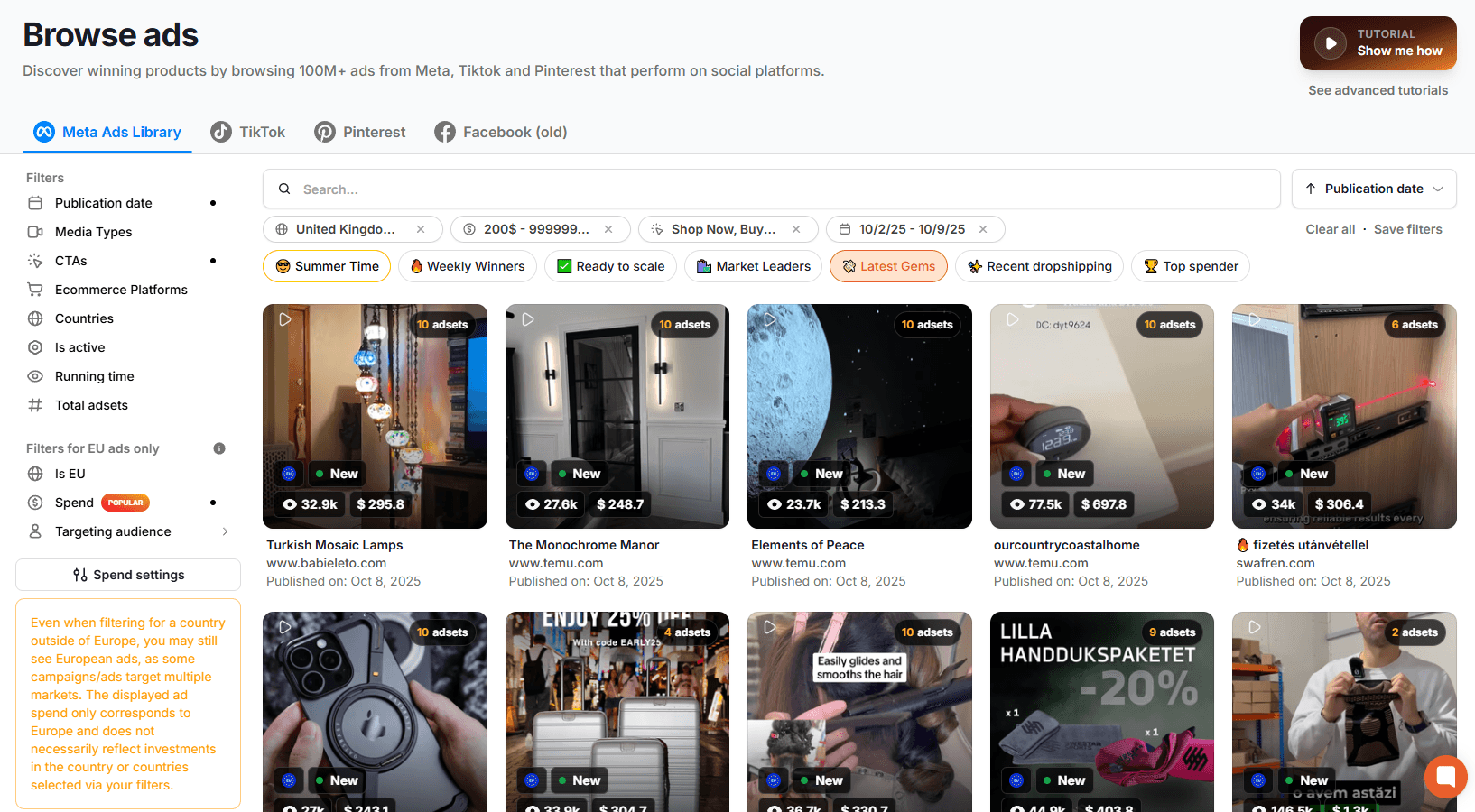
Social Media: TikTok & Instagram

Woman taking a photo of pancakes

Food is visual by nature. Highlight your products through simple recipes, unboxings, or “before/after” videos related to wellness and transformation. On TikTok, short, authentic videos perform best. On Instagram, focus on clean visuals, aesthetic branding, and daily stories to engage your audience and strengthen your online store identity.

Food Influencers

Smiling food influencer filming in her kitchen

Partner with influencers who specialize in healthy cooking, nutrition, or vegan lifestyles. Micro-influencers (10k–50k followers) often provide better engagement, cost less, and feel more authentic. They can introduce your dropshipping vegan food, organic snacks, or beverages to a highly relevant audience.

Email Marketing

Build an email marketing list as early as possible. Send automated sequences such as abandoned-cart reminders, new product arrivals, and recipe suggestions. Promote subscription offers and reward loyal customers with exclusive deals. Email marketing remains one of the most effective channels for repeat sales, especially when you dropship food products and want to drive long-term customer satisfaction.

Common Mistakes to Avoid in Food Dropshipping

“ERROR” note on laptop

In food dropshipping, mistakes can slow down your growth, damage your store’s credibility, and even create legal issues. Here are the most common pitfalls to avoid if you want to build a solid foundation.

Ignoring Regulations (Certifications, Labeling)

Selling food comes with serious responsibility. If you ignore regulations, you risk fines, product recalls, or customer complaints. Every item must come with the required certifications, organic, vegan, allergen-free, etc. Labels must clearly list ingredients, allergens, nutrition facts, origin, and shelf life.

If a supplier can’t provide proper documentation, look for reliable suppliers who can. Compliance is non-negotiable when you dropship food products or supplements.

Selling Perishable Products Without Proper Logistics

Shipping fresh or fragile foods, like cheese, prepared meals, or delicate beverages, without cold-chain logistics is a guaranteed disaster. Without insulated packaging and fast delivery, you’ll face spoilage, refunds, disputes, and negative reviews.

Prioritize dry, shelf-stable food items to reduce complexity. If you decide to offer fresh goods, only work with dropshipping food suppliers that fully manage cold-chain delivery.

Neglecting Your Brand Identity

To stand out, you need a strong brand. Customers can’t smell or taste your products online; they judge everything based on visuals and storytelling. A polished, cohesive brand with a clear promise, organic, ethical, premium, fun makes all the difference.

Work on your logo, tone of voice, imagery, and overall brand universe to improve customer satisfaction and perceived value.

Weak or Generic Product Pages

Supplier-provided product descriptions are often vague, poorly translated, or not optimized. Avoid copying them. Instead, craft product pages that inform, reassure, and inspire. Add high-quality visuals, nutrition details, labels, testimonials, and usage ideas.

Well-built listings are crucial for converting visitors in food dropshipping and help you stand out in a competitive market.

What Are the Limits of Food Dropshipping?

Woman in a “stop” gesture

Food dropshipping comes with real advantages, but also several limitations. Ignoring them can slow your progress from the very beginning.

Sensitive Logistics

One of the biggest challenges of food dropshipping is logistics. Some items must be refrigerated, fresh products, temperature-sensitive beverages, and chocolate during summer. Very few suppliers can handle this properly.

Long delivery times or inadequate packaging can ruin the customer experience, leading to returns, complaints, and a damaged reputation. To avoid this, focus on dry, stable products like teas, snacks, supplements, or spices.

Strict Regulatory Compliance

Food is one of the most regulated industries. Even if you never physically touch the products, you are legally responsible for what you sell. Missing labels, lack of certifications, or selling restricted items in certain countries can cause immediate issues.

Always work with dependable suppliers who can provide all required documents, certifications, lab tests, traceability reports.

Difficulty Conveying Perceived Quality

Food isn’t sold like clothing. Customers can’t taste or smell anything, they rely on visuals, descriptions, and brand storytelling. If your branding is weak, shoppers will compare your offer solely on price.

Invest in strong visuals, detailed product listings, and a clear brand message. This is key to conveying high quality products and building trust.

Reduced Margins for Certain Products

Heavy, liquid, or fragile products come with high shipping costs. A bottle of oil or a pack of beverages can be expensive to ship, especially internationally, which reduces your margin.

To compensate, increase average order value through bundles, subscriptions, or curated sets, and avoid formats that are too costly to ship individually.

Social Media: TikTok & Instagram

Woman taking a photo of pancakes

Food is visual by nature. Highlight your products through simple recipes, unboxings, or “before/after” videos related to wellness and transformation. On TikTok, short, authentic videos perform best. On Instagram, focus on clean visuals, aesthetic branding, and daily stories to engage your audience and strengthen your online store identity.

Food Influencers

Smiling food influencer filming in her kitchen

Partner with influencers who specialize in healthy cooking, nutrition, or vegan lifestyles. Micro-influencers (10k–50k followers) often provide better engagement, cost less, and feel more authentic. They can introduce your dropshipping vegan food, organic snacks, or beverages to a highly relevant audience.

Email Marketing

Build an email marketing list as early as possible. Send automated sequences such as abandoned-cart reminders, new product arrivals, and recipe suggestions. Promote subscription offers and reward loyal customers with exclusive deals. Email marketing remains one of the most effective channels for repeat sales, especially when you dropship food products and want to drive long-term customer satisfaction.

Common Mistakes to Avoid in Food Dropshipping

“ERROR” note on laptop

In food dropshipping, mistakes can slow down your growth, damage your store’s credibility, and even create legal issues. Here are the most common pitfalls to avoid if you want to build a solid foundation.

Ignoring Regulations (Certifications, Labeling)

Selling food comes with serious responsibility. If you ignore regulations, you risk fines, product recalls, or customer complaints. Every item must come with the required certifications, organic, vegan, allergen-free, etc. Labels must clearly list ingredients, allergens, nutrition facts, origin, and shelf life.

If a supplier can’t provide proper documentation, look for reliable suppliers who can. Compliance is non-negotiable when you dropship food products or supplements.

Selling Perishable Products Without Proper Logistics

Shipping fresh or fragile foods, like cheese, prepared meals, or delicate beverages, without cold-chain logistics is a guaranteed disaster. Without insulated packaging and fast delivery, you’ll face spoilage, refunds, disputes, and negative reviews.

Prioritize dry, shelf-stable food items to reduce complexity. If you decide to offer fresh goods, only work with dropshipping food suppliers that fully manage cold-chain delivery.

Neglecting Your Brand Identity

To stand out, you need a strong brand. Customers can’t smell or taste your products online; they judge everything based on visuals and storytelling. A polished, cohesive brand with a clear promise, organic, ethical, premium, fun makes all the difference.

Work on your logo, tone of voice, imagery, and overall brand universe to improve customer satisfaction and perceived value.

Weak or Generic Product Pages

Supplier-provided product descriptions are often vague, poorly translated, or not optimized. Avoid copying them. Instead, craft product pages that inform, reassure, and inspire. Add high-quality visuals, nutrition details, labels, testimonials, and usage ideas.

Well-built listings are crucial for converting visitors in food dropshipping and help you stand out in a competitive market.

What Are the Limits of Food Dropshipping?

Woman in a “stop” gesture

Food dropshipping comes with real advantages, but also several limitations. Ignoring them can slow your progress from the very beginning.

Sensitive Logistics

One of the biggest challenges of food dropshipping is logistics. Some items must be refrigerated, fresh products, temperature-sensitive beverages, and chocolate during summer. Very few suppliers can handle this properly.

Long delivery times or inadequate packaging can ruin the customer experience, leading to returns, complaints, and a damaged reputation. To avoid this, focus on dry, stable products like teas, snacks, supplements, or spices.

Strict Regulatory Compliance

Food is one of the most regulated industries. Even if you never physically touch the products, you are legally responsible for what you sell. Missing labels, lack of certifications, or selling restricted items in certain countries can cause immediate issues.

Always work with dependable suppliers who can provide all required documents, certifications, lab tests, traceability reports.

Difficulty Conveying Perceived Quality

Food isn’t sold like clothing. Customers can’t taste or smell anything, they rely on visuals, descriptions, and brand storytelling. If your branding is weak, shoppers will compare your offer solely on price.

Invest in strong visuals, detailed product listings, and a clear brand message. This is key to conveying high quality products and building trust.

Reduced Margins for Certain Products

Heavy, liquid, or fragile products come with high shipping costs. A bottle of oil or a pack of beverages can be expensive to ship, especially internationally, which reduces your margin.

To compensate, increase average order value through bundles, subscriptions, or curated sets, and avoid formats that are too costly to ship individually.

Social Media: TikTok & Instagram

Woman taking a photo of pancakes

Food is visual by nature. Highlight your products through simple recipes, unboxings, or “before/after” videos related to wellness and transformation. On TikTok, short, authentic videos perform best. On Instagram, focus on clean visuals, aesthetic branding, and daily stories to engage your audience and strengthen your online store identity.

Food Influencers

Smiling food influencer filming in her kitchen

Partner with influencers who specialize in healthy cooking, nutrition, or vegan lifestyles. Micro-influencers (10k–50k followers) often provide better engagement, cost less, and feel more authentic. They can introduce your dropshipping vegan food, organic snacks, or beverages to a highly relevant audience.

Email Marketing

Build an email marketing list as early as possible. Send automated sequences such as abandoned-cart reminders, new product arrivals, and recipe suggestions. Promote subscription offers and reward loyal customers with exclusive deals. Email marketing remains one of the most effective channels for repeat sales, especially when you dropship food products and want to drive long-term customer satisfaction.

Common Mistakes to Avoid in Food Dropshipping

“ERROR” note on laptop

In food dropshipping, mistakes can slow down your growth, damage your store’s credibility, and even create legal issues. Here are the most common pitfalls to avoid if you want to build a solid foundation.

Ignoring Regulations (Certifications, Labeling)

Selling food comes with serious responsibility. If you ignore regulations, you risk fines, product recalls, or customer complaints. Every item must come with the required certifications, organic, vegan, allergen-free, etc. Labels must clearly list ingredients, allergens, nutrition facts, origin, and shelf life.

If a supplier can’t provide proper documentation, look for reliable suppliers who can. Compliance is non-negotiable when you dropship food products or supplements.

Selling Perishable Products Without Proper Logistics

Shipping fresh or fragile foods, like cheese, prepared meals, or delicate beverages, without cold-chain logistics is a guaranteed disaster. Without insulated packaging and fast delivery, you’ll face spoilage, refunds, disputes, and negative reviews.

Prioritize dry, shelf-stable food items to reduce complexity. If you decide to offer fresh goods, only work with dropshipping food suppliers that fully manage cold-chain delivery.

Neglecting Your Brand Identity

To stand out, you need a strong brand. Customers can’t smell or taste your products online; they judge everything based on visuals and storytelling. A polished, cohesive brand with a clear promise, organic, ethical, premium, fun makes all the difference.

Work on your logo, tone of voice, imagery, and overall brand universe to improve customer satisfaction and perceived value.

Weak or Generic Product Pages

Supplier-provided product descriptions are often vague, poorly translated, or not optimized. Avoid copying them. Instead, craft product pages that inform, reassure, and inspire. Add high-quality visuals, nutrition details, labels, testimonials, and usage ideas.

Well-built listings are crucial for converting visitors in food dropshipping and help you stand out in a competitive market.

What Are the Limits of Food Dropshipping?

Woman in a “stop” gesture

Food dropshipping comes with real advantages, but also several limitations. Ignoring them can slow your progress from the very beginning.

Sensitive Logistics

One of the biggest challenges of food dropshipping is logistics. Some items must be refrigerated, fresh products, temperature-sensitive beverages, and chocolate during summer. Very few suppliers can handle this properly.

Long delivery times or inadequate packaging can ruin the customer experience, leading to returns, complaints, and a damaged reputation. To avoid this, focus on dry, stable products like teas, snacks, supplements, or spices.

Strict Regulatory Compliance

Food is one of the most regulated industries. Even if you never physically touch the products, you are legally responsible for what you sell. Missing labels, lack of certifications, or selling restricted items in certain countries can cause immediate issues.

Always work with dependable suppliers who can provide all required documents, certifications, lab tests, traceability reports.

Difficulty Conveying Perceived Quality

Food isn’t sold like clothing. Customers can’t taste or smell anything, they rely on visuals, descriptions, and brand storytelling. If your branding is weak, shoppers will compare your offer solely on price.

Invest in strong visuals, detailed product listings, and a clear brand message. This is key to conveying high quality products and building trust.

Reduced Margins for Certain Products

Heavy, liquid, or fragile products come with high shipping costs. A bottle of oil or a pack of beverages can be expensive to ship, especially internationally, which reduces your margin.

To compensate, increase average order value through bundles, subscriptions, or curated sets, and avoid formats that are too costly to ship individually.

Social Media: TikTok & Instagram

Woman taking a photo of pancakes

Food is visual by nature. Highlight your products through simple recipes, unboxings, or “before/after” videos related to wellness and transformation. On TikTok, short, authentic videos perform best. On Instagram, focus on clean visuals, aesthetic branding, and daily stories to engage your audience and strengthen your online store identity.

Food Influencers

Smiling food influencer filming in her kitchen

Partner with influencers who specialize in healthy cooking, nutrition, or vegan lifestyles. Micro-influencers (10k–50k followers) often provide better engagement, cost less, and feel more authentic. They can introduce your dropshipping vegan food, organic snacks, or beverages to a highly relevant audience.

Email Marketing

Build an email marketing list as early as possible. Send automated sequences such as abandoned-cart reminders, new product arrivals, and recipe suggestions. Promote subscription offers and reward loyal customers with exclusive deals. Email marketing remains one of the most effective channels for repeat sales, especially when you dropship food products and want to drive long-term customer satisfaction.

Common Mistakes to Avoid in Food Dropshipping

“ERROR” note on laptop

In food dropshipping, mistakes can slow down your growth, damage your store’s credibility, and even create legal issues. Here are the most common pitfalls to avoid if you want to build a solid foundation.

Ignoring Regulations (Certifications, Labeling)

Selling food comes with serious responsibility. If you ignore regulations, you risk fines, product recalls, or customer complaints. Every item must come with the required certifications, organic, vegan, allergen-free, etc. Labels must clearly list ingredients, allergens, nutrition facts, origin, and shelf life.

If a supplier can’t provide proper documentation, look for reliable suppliers who can. Compliance is non-negotiable when you dropship food products or supplements.

Selling Perishable Products Without Proper Logistics

Shipping fresh or fragile foods, like cheese, prepared meals, or delicate beverages, without cold-chain logistics is a guaranteed disaster. Without insulated packaging and fast delivery, you’ll face spoilage, refunds, disputes, and negative reviews.

Prioritize dry, shelf-stable food items to reduce complexity. If you decide to offer fresh goods, only work with dropshipping food suppliers that fully manage cold-chain delivery.

Neglecting Your Brand Identity

To stand out, you need a strong brand. Customers can’t smell or taste your products online; they judge everything based on visuals and storytelling. A polished, cohesive brand with a clear promise, organic, ethical, premium, fun makes all the difference.

Work on your logo, tone of voice, imagery, and overall brand universe to improve customer satisfaction and perceived value.

Weak or Generic Product Pages

Supplier-provided product descriptions are often vague, poorly translated, or not optimized. Avoid copying them. Instead, craft product pages that inform, reassure, and inspire. Add high-quality visuals, nutrition details, labels, testimonials, and usage ideas.

Well-built listings are crucial for converting visitors in food dropshipping and help you stand out in a competitive market.

What Are the Limits of Food Dropshipping?

Woman in a “stop” gesture

Food dropshipping comes with real advantages, but also several limitations. Ignoring them can slow your progress from the very beginning.

Sensitive Logistics

One of the biggest challenges of food dropshipping is logistics. Some items must be refrigerated, fresh products, temperature-sensitive beverages, and chocolate during summer. Very few suppliers can handle this properly.

Long delivery times or inadequate packaging can ruin the customer experience, leading to returns, complaints, and a damaged reputation. To avoid this, focus on dry, stable products like teas, snacks, supplements, or spices.

Strict Regulatory Compliance

Food is one of the most regulated industries. Even if you never physically touch the products, you are legally responsible for what you sell. Missing labels, lack of certifications, or selling restricted items in certain countries can cause immediate issues.

Always work with dependable suppliers who can provide all required documents, certifications, lab tests, traceability reports.

Difficulty Conveying Perceived Quality

Food isn’t sold like clothing. Customers can’t taste or smell anything, they rely on visuals, descriptions, and brand storytelling. If your branding is weak, shoppers will compare your offer solely on price.

Invest in strong visuals, detailed product listings, and a clear brand message. This is key to conveying high quality products and building trust.

Reduced Margins for Certain Products

Heavy, liquid, or fragile products come with high shipping costs. A bottle of oil or a pack of beverages can be expensive to ship, especially internationally, which reduces your margin.

To compensate, increase average order value through bundles, subscriptions, or curated sets, and avoid formats that are too costly to ship individually.

Discover Minea's Adspy feature

Discover Minea's Adspy feature

Discover Minea's Adspy feature

Discover Minea's Adspy feature

Discover Minea's Adspy feature

Discover Minea's Adspy feature

Conclusion: Should You Start Food Dropshipping in 2025?

If you’re looking for an e-commerce business with real demand, food dropshipping is a strong option. To succeed, choose high-potential niches like organic food, vegan snacks, or supplements. Pay close attention to risks, follow regulations, select the right suppliers, and invest in your brand identity.

With the right strategy, you can build a profitable store and tap into a growing market. What's more, to boost your success, take part in the training offered by Minea and launch a profitable store today.

FAQ

What is food dropshipping and how does it work?

Food dropshipping is a model where you sell food online without holding inventory. Your supplier packs and ships orders directly to customers under your brand.

Is food dropshipping profitable in 2025?

Yes. With organic food, vegan snacks, supplements, and specialty items in high demand, sellers can achieve strong margins, especially with private-label products.

What are the biggest challenges of food dropshipping?

Logistics, regulatory compliance, and branding. You must follow FDA labeling rules, choose reliable suppliers, and use strong visuals to convey product quality.

What niches work best for food dropshipping?

Top niches include superfoods, vegan snacks, gluten-free items, organic beverages, and food supplements like vitamins, probiotics, and plant-based proteins.

Conclusion: Should You Start Food Dropshipping in 2025?

If you’re looking for an e-commerce business with real demand, food dropshipping is a strong option. To succeed, choose high-potential niches like organic food, vegan snacks, or supplements. Pay close attention to risks, follow regulations, select the right suppliers, and invest in your brand identity.

With the right strategy, you can build a profitable store and tap into a growing market. What's more, to boost your success, take part in the training offered by Minea and launch a profitable store today.

FAQ

What is food dropshipping and how does it work?

Food dropshipping is a model where you sell food online without holding inventory. Your supplier packs and ships orders directly to customers under your brand.

Is food dropshipping profitable in 2025?

Yes. With organic food, vegan snacks, supplements, and specialty items in high demand, sellers can achieve strong margins, especially with private-label products.

What are the biggest challenges of food dropshipping?

Logistics, regulatory compliance, and branding. You must follow FDA labeling rules, choose reliable suppliers, and use strong visuals to convey product quality.

What niches work best for food dropshipping?

Top niches include superfoods, vegan snacks, gluten-free items, organic beverages, and food supplements like vitamins, probiotics, and plant-based proteins.

Conclusion: Should You Start Food Dropshipping in 2025?

If you’re looking for an e-commerce business with real demand, food dropshipping is a strong option. To succeed, choose high-potential niches like organic food, vegan snacks, or supplements. Pay close attention to risks, follow regulations, select the right suppliers, and invest in your brand identity.

With the right strategy, you can build a profitable store and tap into a growing market. What's more, to boost your success, take part in the training offered by Minea and launch a profitable store today.

FAQ

What is food dropshipping and how does it work?

Food dropshipping is a model where you sell food online without holding inventory. Your supplier packs and ships orders directly to customers under your brand.

Is food dropshipping profitable in 2025?

Yes. With organic food, vegan snacks, supplements, and specialty items in high demand, sellers can achieve strong margins, especially with private-label products.

What are the biggest challenges of food dropshipping?

Logistics, regulatory compliance, and branding. You must follow FDA labeling rules, choose reliable suppliers, and use strong visuals to convey product quality.

What niches work best for food dropshipping?

Top niches include superfoods, vegan snacks, gluten-free items, organic beverages, and food supplements like vitamins, probiotics, and plant-based proteins.

Conclusion: Should You Start Food Dropshipping in 2025?

If you’re looking for an e-commerce business with real demand, food dropshipping is a strong option. To succeed, choose high-potential niches like organic food, vegan snacks, or supplements. Pay close attention to risks, follow regulations, select the right suppliers, and invest in your brand identity.

With the right strategy, you can build a profitable store and tap into a growing market. What's more, to boost your success, take part in the training offered by Minea and launch a profitable store today.

FAQ

What is food dropshipping and how does it work?

Food dropshipping is a model where you sell food online without holding inventory. Your supplier packs and ships orders directly to customers under your brand.

Is food dropshipping profitable in 2025?

Yes. With organic food, vegan snacks, supplements, and specialty items in high demand, sellers can achieve strong margins, especially with private-label products.

What are the biggest challenges of food dropshipping?

Logistics, regulatory compliance, and branding. You must follow FDA labeling rules, choose reliable suppliers, and use strong visuals to convey product quality.

What niches work best for food dropshipping?

Top niches include superfoods, vegan snacks, gluten-free items, organic beverages, and food supplements like vitamins, probiotics, and plant-based proteins.

Conclusion: Should You Start Food Dropshipping in 2025?

If you’re looking for an e-commerce business with real demand, food dropshipping is a strong option. To succeed, choose high-potential niches like organic food, vegan snacks, or supplements. Pay close attention to risks, follow regulations, select the right suppliers, and invest in your brand identity.

With the right strategy, you can build a profitable store and tap into a growing market. What's more, to boost your success, take part in the training offered by Minea and launch a profitable store today.

FAQ

What is food dropshipping and how does it work?

Food dropshipping is a model where you sell food online without holding inventory. Your supplier packs and ships orders directly to customers under your brand.

Is food dropshipping profitable in 2025?

Yes. With organic food, vegan snacks, supplements, and specialty items in high demand, sellers can achieve strong margins, especially with private-label products.

What are the biggest challenges of food dropshipping?

Logistics, regulatory compliance, and branding. You must follow FDA labeling rules, choose reliable suppliers, and use strong visuals to convey product quality.

What niches work best for food dropshipping?

Top niches include superfoods, vegan snacks, gluten-free items, organic beverages, and food supplements like vitamins, probiotics, and plant-based proteins.

Conclusion: Should You Start Food Dropshipping in 2025?

If you’re looking for an e-commerce business with real demand, food dropshipping is a strong option. To succeed, choose high-potential niches like organic food, vegan snacks, or supplements. Pay close attention to risks, follow regulations, select the right suppliers, and invest in your brand identity.

With the right strategy, you can build a profitable store and tap into a growing market. What's more, to boost your success, take part in the training offered by Minea and launch a profitable store today.

FAQ

What is food dropshipping and how does it work?

Food dropshipping is a model where you sell food online without holding inventory. Your supplier packs and ships orders directly to customers under your brand.

Is food dropshipping profitable in 2025?

Yes. With organic food, vegan snacks, supplements, and specialty items in high demand, sellers can achieve strong margins, especially with private-label products.

What are the biggest challenges of food dropshipping?

Logistics, regulatory compliance, and branding. You must follow FDA labeling rules, choose reliable suppliers, and use strong visuals to convey product quality.

What niches work best for food dropshipping?

Top niches include superfoods, vegan snacks, gluten-free items, organic beverages, and food supplements like vitamins, probiotics, and plant-based proteins.

Similar articles


can you sell digital products on tiktok shop

Can You Sell Digital Products on TikTok Shop? A Complete 2025 Dropshipping Guide

December 13, 2025

Best niche products dropshipping


can you sell digital products on tiktok shop

Can You Sell Digital Products on TikTok Shop? A Complete 2025 Dropshipping Guide

December 13, 2025

Best niche products dropshipping


can you sell digital products on tiktok shop

Can You Sell Digital Products on TikTok Shop? A Complete 2025 Dropshipping Guide

December 13, 2025

Best niche products dropshipping


can you sell digital products on tiktok shop

Can You Sell Digital Products on TikTok Shop? A Complete 2025 Dropshipping Guide

December 13, 2025

Best niche products dropshipping


can you sell digital products on tiktok shop

Can You Sell Digital Products on TikTok Shop? A Complete 2025 Dropshipping Guide

December 13, 2025

Best niche products dropshipping


can you sell digital products on tiktok shop

Can You Sell Digital Products on TikTok Shop? A Complete 2025 Dropshipping Guide

December 13, 2025

Best niche products dropshipping


furniture dropshipping

How To Start Dropshipping Furniture in 2025: The Smart & Profitable Way

December 12, 2025

Best niche products dropshipping


furniture dropshipping

How To Start Dropshipping Furniture in 2025: The Smart & Profitable Way

December 12, 2025

Best niche products dropshipping


furniture dropshipping

How To Start Dropshipping Furniture in 2025: The Smart & Profitable Way

December 12, 2025

Best niche products dropshipping


furniture dropshipping

How To Start Dropshipping Furniture in 2025: The Smart & Profitable Way

December 12, 2025

Best niche products dropshipping


furniture dropshipping

How To Start Dropshipping Furniture in 2025: The Smart & Profitable Way

December 12, 2025

Best niche products dropshipping


furniture dropshipping

How To Start Dropshipping Furniture in 2025: The Smart & Profitable Way

December 12, 2025

Best niche products dropshipping


evergreen dropshipping products

Top Evergreen Dropshipping Products for Steady, Year-Round Sales

December 11, 2025

Best niche products dropshipping


evergreen dropshipping products

Top Evergreen Dropshipping Products for Steady, Year-Round Sales

December 11, 2025

Best niche products dropshipping


evergreen dropshipping products

Top Evergreen Dropshipping Products for Steady, Year-Round Sales

December 11, 2025

Best niche products dropshipping


evergreen dropshipping products

Top Evergreen Dropshipping Products for Steady, Year-Round Sales

December 11, 2025

Best niche products dropshipping


evergreen dropshipping products

Top Evergreen Dropshipping Products for Steady, Year-Round Sales

December 11, 2025

Best niche products dropshipping


evergreen dropshipping products

Top Evergreen Dropshipping Products for Steady, Year-Round Sales

December 11, 2025

Best niche products dropshipping


Dropship Licensed Products

Can You Dropship Licensed Products? A Complete Guide for 2025

December 10, 2025

Best niche products dropshipping


Dropship Licensed Products

Can You Dropship Licensed Products? A Complete Guide for 2025

December 10, 2025

Best niche products dropshipping


Dropship Licensed Products

Can You Dropship Licensed Products? A Complete Guide for 2025

December 10, 2025

Best niche products dropshipping


Dropship Licensed Products

Can You Dropship Licensed Products? A Complete Guide for 2025

December 10, 2025

Best niche products dropshipping


Dropship Licensed Products

Can You Dropship Licensed Products? A Complete Guide for 2025

December 10, 2025

Best niche products dropshipping


Dropship Licensed Products

Can You Dropship Licensed Products? A Complete Guide for 2025

December 10, 2025

Best niche products dropshipping

Launch winning products in

3 clicks

Discover winning products to sell today.

Our Free Adspys

1 winning product everyday.

Follow us!

Launch winning products in

3 clicks

Discover winning products to sell today.

Our Free Adspys

1 winning product everyday.

Follow us!

Launch winning products in

3 clicks

Discover winning products to sell today.

Our Free Adspys

1 winning product everyday.

Follow us!