Branded Dropshipping: How to Start Your Clothing Brand in 2026
Brand image in dropshipping
Author: Elysa
Contents
If you dream of launching your own clothing brand and selling it through a dropshipping branded clothing model, you’re in the right place. Today, competition in the clothing dropshipping market is fierce. That’s why building a branded clothing dropshipping business provides better visibility, builds trust, fosters customer loyalty, and increases profit margins.
Quick start guide
To succeed, several key steps are essential for creating a branded clothing dropshipping business:
Defining your brand identity (niche, positioning, name, logo).
Choosing the right clothing dropshipping supplier that offers customization options.
Setting up an optimized online clothing store for better user experience and conversions.
Implementing an effective marketing strategy to generate sales.
This guide will walk you through each step, helping you structure your project and avoid common mistakes.
Understanding the clothing dropshipping model
The clothing dropshipping business operates on a simple yet powerful model: you sell clothing products without having to manage inventory or handle shipping times. When
a customer places an order on your online clothing store, the request is automatically forwarded to a clothing dropshipping supplier, who takes care of fast and reliable shipping directly to the customer.
How the process works
A customer places an order on your online fashion store.
Your store automatically sends the order details to the dropshipping clothing supplier.
The supplier ships the item directly to the customer under your brand name.
This model offers flexibility by allowing you to sell a diverse product range without upfront investment in inventory management. However, product quality and shipping times depend on the dropshipping clothing suppliers you choose.
Why build a branded clothing dropshipping business?
Instead of selling generic products, creating a branded clothing dropshipping business offers several advantages:
Advantages | Explanation |
|---|---|
Brand Differentiation | A strong brand image helps you stand out and attract a loyal customer base. |
Higher Profit Margins | Designer clothing and custom clothing products have a higher perceived value, allowing you to charge premium prices. |
Customer Loyalty | Designer clothing and custom clothing products have a higher perceived value, allowing you to charge premium prices. |
While the clothing dropshipping business offers many benefits, it also comes with some challenges:
Finding a reliable supplier that allows custom packaging and branding.
Ensuring a seamless customer experience despite varying shipping times.
Implementing a strong marketing strategy to establish brand recognition and increase sales.

Conducting Market Research and Competitive Analysis for Your Clothing Brand
Creating a successful clothing dropshipping business requires more than just selecting products and setting up an online store. To stand out in the fashion industry, you need to build a strong brand identity, choose the right clothing supplier, and create a unique shopping experience for your customers.
Defining your clothing brand identity

Your brand identity encompasses multiple aspects, including your clothing niche, values, positioning, and messaging. It serves as the foundation for your online clothing business and marketing efforts.
Finding your niche and concept
Focusing on a specific clothing niche helps you stand out from competitors and target a well-defined audience. A generic clothing brand that tries to sell everything to everyone is more likely to get lost in the crowd.
Popular clothing niches in dropshipping:
Clothing Niche | Why It’s Profitable |
|---|---|
Streetwear | High demand, influenced by urban fashion trends and influencer collaborations. |
Sustainable Clothing | Growing consumer awareness of eco-friendly and ethical fashion. |
Activewear & Sportswear | A booming market with customers seeking quality and performance. |
Minimalist & Timeless Fashion | Year-round sales potential, aligning with modern fashion trends. |
Luxury Clothing | High-profit margins, appealing to customers looking for exclusivity. |
How to choose the right niche
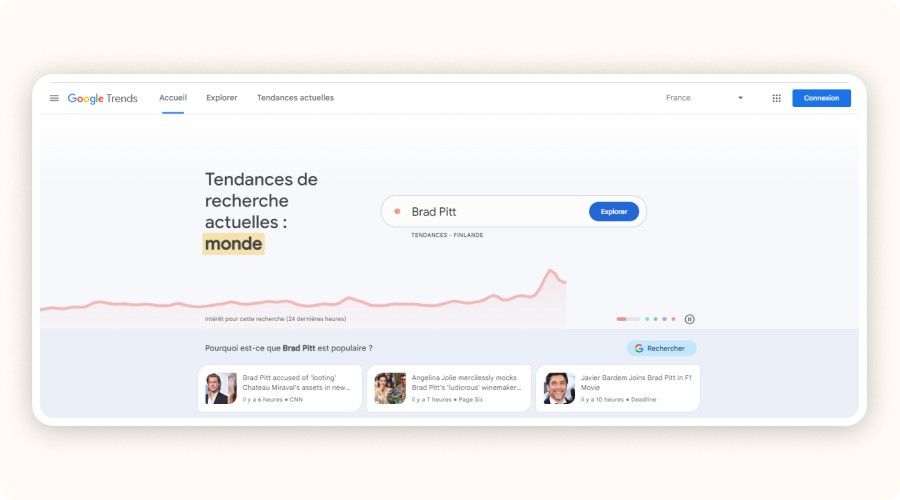
Use Google Trends to analyze demand and interest.
Study competitors to understand their strategies.
Identify a target audience with specific needs and preferences.
Defining your brand positioning
Your brand positioning determines how customers perceive your clothing brand. Two brands may sell similar clothing products, but their positioning can make a huge difference.
Examples of brand positioning for a clothing dropshipping business:
Premium & High-End → Superior quality, premium materials, and higher price points.
Trendy & Affordable → Budget-friendly pricing with fast product turnover.
Eco-Friendly & Ethical → Sustainable materials, fair trade production, and a responsible image.
Key questions to define your brand positioning
What unique value does your clothing brand offer compared to competitors?
What type of customers are you targeting?
What message do you want your brand image to convey?
A well-defined brand positioning makes it easier to shape your marketing strategy, branding, and product selection.
Choosing a memorable brand name
Your clothing brand name should be memorable, easy to pronounce, and available across online platforms. Consider these factors:
Keep it short & simple → Easy to remember and spell.
Be original → Avoid overly generic names or those too similar to competitors.
Check availability → Make sure the domain name and social media handles are free. You can use tools like GoDaddy or OVHcloud for domain availability.
Align with your niche → A streetwear brand might have a modern, edgy name, while a luxury clothing brand would have a more sophisticated identity.
Tools to help you find a brand name
Namechk, GoDaddy, OVHcloud, check domain and social media availability.
Shopify Business Name Generator, get instant name ideas.
Wordoid, generate unique and creative brand names
Once you choose a name, consider trademarking your brand to protect it from being copied.
Creating a strong visual identity for your clothing brand
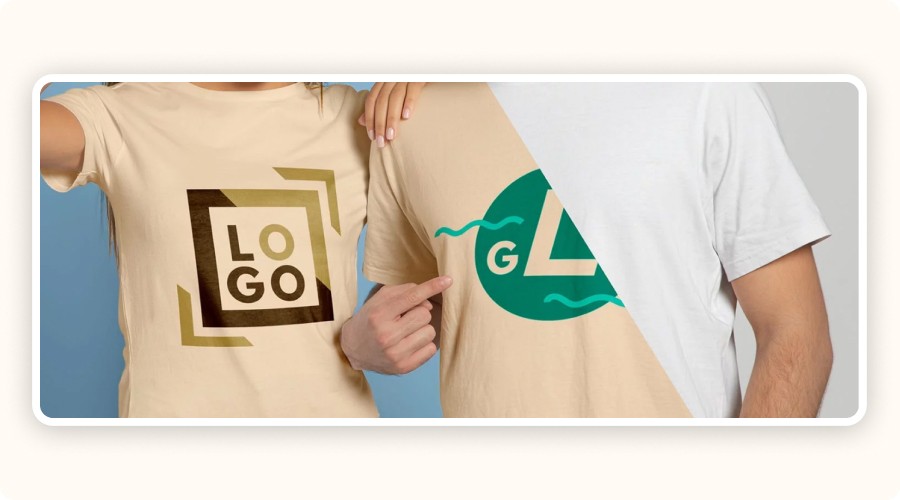
Your brand’s visual identity plays a crucial role in customer perception. A well-designed brand image increases credibility and improves recognition.
Designing a professional logo
Your logo should be simple, recognizable, and aligned with your brand identity.
Best Tools for Logo Design:
Canva → Ideal for beginners creating a stylish logo.
Looka / Hatchful → AI-powered logo generators.
Fiverr / 99designs → Hire professional designers for a unique logo.
Example: A streetwear clothing brand might opt for a bold, modern typography logo, while an eco-friendly clothing brand may use natural tones and organic design elements.
Developing a consistent brand style guide
A brand style guide ensures consistency across your online clothing store, marketing materials, and social media presence.
Element | Best pratices |
|---|---|
Brand Colors | Select 2-3 primary colors that align with your niche (e.g., black/gold for luxury clothing, earth tones for eco-friendly brands). |
Typography | Choose a modern, readable font that fits your brand identity. |
Visual Style | Maintain a consistent aesthetic across your website, product images, and marketing materials. |
Examples of effective combinations:
Luxury Clothing: Black & gold, elegant thin typography.
Streetwear: Bright or monochrome colors, bold typography.
Sustainable Fashion: Earthy tones (green, beige), minimalistic design.
Ensuring brand consistency across all platforms
Your brand identity should remain consistent across different channels:
Website: A design that reflects your brand’s values.
Social Media: Visually cohesive posts and branding.
Custom Packaging: Branded packaging for a premium unboxing experience.
A strong brand identity not only improves credibility but also boosts customer satisfaction and brand recognition in the competitive fashion market.
Choosing the right suppliers for a branded clothing dropshipping business

Selecting the right clothing dropshipping supplier is a crucial step in building a successful branded clothing dropshipping business. A good supplier ensures high-quality clothing products, offers customization options, and provides fast and reliable shipping.
Criteria for selecting a reliable clothing dropshipping supplier
Not all dropshipping suppliers are suitable for a branded clothing business. It's essential to evaluate several factors before making a choice.
Criteria | Why It’s important |
|---|---|
Product Quality | High-quality clothing products strengthen brand image and improve customer satisfaction. |
Customization Options | Allows adding logos, labels, or custom packaging to enhance branding |
Shipping Times | Long shipping times can harm the customer experience and lead to disputes. |
Supplier Reliability | A reliable supplier prevents stock shortages and order errors. |
Pricing & Profit Margins | Compare costs to ensure your clothing dropshipping business remains profitable. |
Customer Service | A responsive supplier helps resolve inventory management and return issues efficiently. |


Building Your Own Dropshipping Clothing Brand
Here are some recommended dropshipping suppliers for print on demand service. These platforms allow you to create custom clothing products with personalized branding, such as logos, labels, and exclusive designs.
Supplier | Advantages | Disadvantages |
|---|---|---|
Printful | Large catalog of clothing items, seamless integration with Shopify store, premium quality. | Higher pricing. |
T-Pop | Eco-friendly production, based in Europe, offers custom packaging. | Limited product catalog. |
AOP+ | All-over print designs, European-based manufacturing. | Longer shipping times. |
If you want to sell luxury clothing in dropshipping, consider these premium suppliers:
Supplier | Advantages | Disadvantages |
|---|---|---|
BrandsGateway | Dropshipping for designer clothing, including well-known brands. | High initial investment. |
ModeShe | Wide catalog of trendy clothing products, good quality-price ratio. | Variable product quality. |
FashionTIY | Multi-brand wholesaler with custom branding options. | No automatic integration with Shopify store. |
Other wholesale platforms like AliExpress, Alibaba, and Faire also offer a diverse product range, but product quality and shipping reliability may vary. These platforms are ideal for testing products before investing in custom packaging and branding.
How to test a clothing dropshipping supplier before committing?
Before finalizing your supplier selection, follow these steps:
Order product samples to evaluate fabric quality, printing, and shipping times.
Assess supplier communication and responsiveness to inquiries.
Compare multiple suppliers to find the best balance of pricing, quality, and service.
Check customer reviews for potential issues with shipping reliability or product quality.
The choice of clothing dropshipping supplier directly impacts your brand image and the overall customer experience. It’s essential to carefully vet your dropshipping partners before launching your online clothing store.
Building your branded clothing dropshipping store
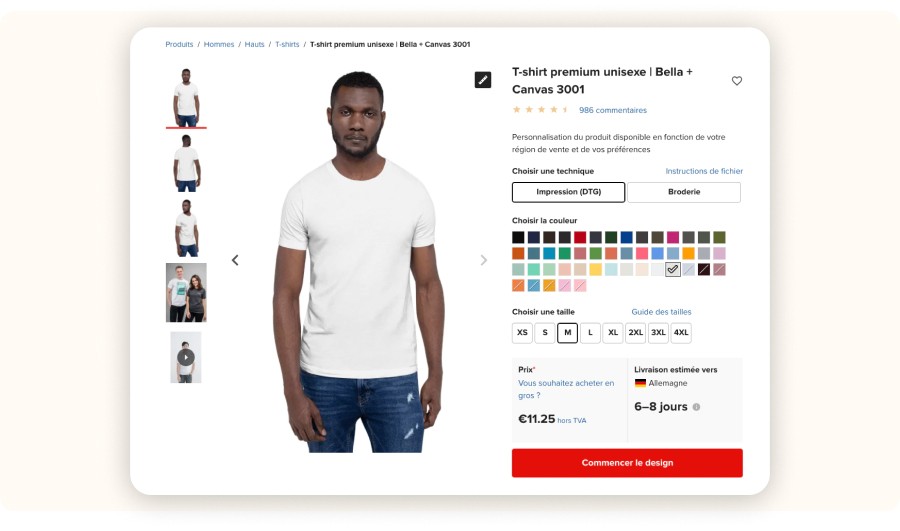
Once you’ve selected your dropshipping clothing suppliers, the next step is to create a professional online clothing store that aligns with your brand identity.
Choosing the best e-commerce platform for your store
Several platforms are available for launching a dropshipping clothing business.
Platform | Advantages | Disadvantages |
|---|---|---|
Shopify | User-friendly, extensive app ecosystem, ideal for dropshipping services. | Monthly subscription fees and sales commissions. |
WooCommerce | Highly customizable, free to use, integrates with WordPress. | Requires technical management. |
BigCommerce | Advanced features, no transaction fees. | Less intuitive than Shopify. |
Shopify is the most recommended option for a clothing dropshipping business due to its integrations with suppliers, automated inventory management, and built-in dropshipping tools.
Creating a website that reflects your brand identity
Your online clothing store should match your brand image and provide a smooth shopping experience. Essential Website Features:
Custom domain name (e.g., www.yourbrand.com).
Minimalist and attractive design for a professional look.
Easy navigation with well-organized categories.
Essential pages: About Us, Contact, Return Policy, and Terms & Conditions.
Writing high-converting product descriptions
A strong product page is more than just a list of features. It should convince customers to buy by highlighting key benefits. Key elements of a high-converting product page:
Compelling product title, example: "Organic Cotton Sweatshirt – Limited Edition."
Engaging description, showcase benefits like premium fabric, eco-friendly materials, or unique designs.
High-quality product images, display multiple angles and real-life photos.
Size guide & fit information , reduce returns by helping customers choose the right size.
Customer reviews, build trust with authentic testimonials.
Bad example:
"Cotton T-shirt, available in multiple colors."
Good example:
"Experience ultimate comfort with our ultra-soft organic cotton t-shirt. Available in black, white, and navy blue, this wardrobe essential is perfect for both casual and smart looks. The breathable fabric and tailored fit make it a must-have for every season."
Setting up payments & shipping methods
Offering flexible payment options and transparent shipping details is crucial for improving conversions. Stripe, PayPal, and Shopify Payments, secure transactions for global buyers.
Popular shipping times:
Clearly display estimated shipping times on product pages.
how shipping fees upfront to prevent cart abandonment.
Offer free shipping incentives for higher order values.
Testing & optimizing your clothing dropshipping store before launching
Before making your clothing dropshipping business live, run a thorough pre-launch test to ensure everything functions smoothly.
Check all pages and ensure smooth navigation.
Place a test order to experience the full customer journey.
Verify that the website looks great on mobile devices.
Test payment processing and automated order fulfillment. Once these elements are in place, your branded clothing dropshipping business is ready to go live!
Building Your Own Dropshipping Clothing Brand
Creating a professional online clothing store and offering high-quality clothing products isn’t enough to generate sales. A clothing brand needs to be visible, trustworthy, and engaging to attract potential customers.
An effective marketing strategy ensures that your clothing dropshipping business reaches the right audience, converts visitors into buyers, and builds customer loyalty.
In this section, we’ll explore the best strategies to successfully promote a branded clothing dropshipping business and maximize sales.
Building a strong social media presence
Social media is essential for promoting a clothing brand. Platforms like Instagram, TikTok, and Pinterest are particularly effective for fashion industry businesses, as they allow brands to showcase their clothing styles and engage with a community.
Instagram: the ideal platform for fashion brands
Best practices for Instagram Marketing:
Post high-quality photos and videos of your clothing products.
Maintain a cohesive Instagram feed that aligns with your brand image.
Use Instagram Shopping to enable direct purchases from your posts.
Share daily Instagram Stories to stay connected with your audience.
Organize giveaways and contests to increase engagement and reach.
TikTok: the platform for viral growth
If you want your branded clothing dropshipping business to gain traction quickly, TikTok is the perfect place to go viral.
Types of TikTok content that work for clothing brands:
Behind-the-scenes videos (showcasing custom packaging and order fulfillment).
Try-on hauls featuring customers or influencers.
Fabric and quality demonstrations for your clothing items.
Trending challenges to increase brand visibility.
Pinterest: a powerful tool for driving qualified traffic
Pinterest is a platform where users look for fashion inspiration and ideas. Unlike other social media platforms with a predominantly younger audience, Pinterest attracts an older demographic, many of whom have higher purchasing intent.
If your clothing brand targets this audience, leveraging Pinterest marketing can significantly boost your online clothing store’s revenue.
Best Pinterest strategies for a clothing dropshipping business:
Create visually appealing and engaging pins showcasing your clothing products.
Include direct links to your store to drive qualified traffic.
Publish curated style boards to help consumers visualize outfit combinations with your clothing items.
Collaborating with influencers to boost visibility
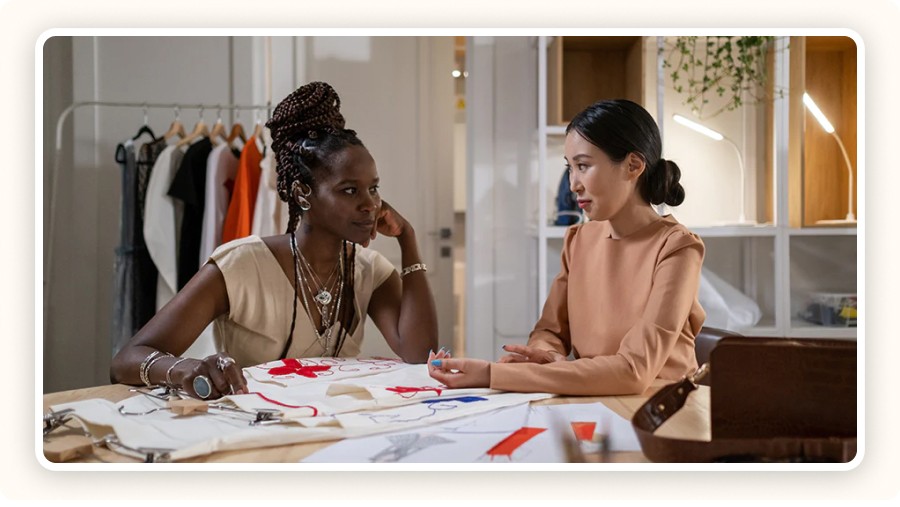
Influencer marketing is an excellent way to boost brand credibility and increase sales quickly. Partnering with influencers allows you to reach an already engaged audience.
Rather than targeting celebrities with millions of followers, it is often more effective to collaborate with micro-influencers (5K to 50K followers), as they tend to have a highly engaged community and stronger customer trust.
Here are some influencer collaboration strategies you can consider for your clothing dropshipping business:
Collaboration Type | Benefits |
|---|---|
Sponsored Post | Immediate brand exposure and website traffic. |
Unboxing & Product Reviews | Authentic testimonials that build credibility. |
Giveaways & Contests | Increased social media engagement and brand awareness. |
Affiliate Marketing | Performance-based partnerships where influencers earn a commission per sale. |
Pro Tip: Instead of working with mega influencers, consider micro-influencers (5K–50K followers). They often have higher engagement rates and a more loyal audience, leading to better conversion rates for your clothing products.


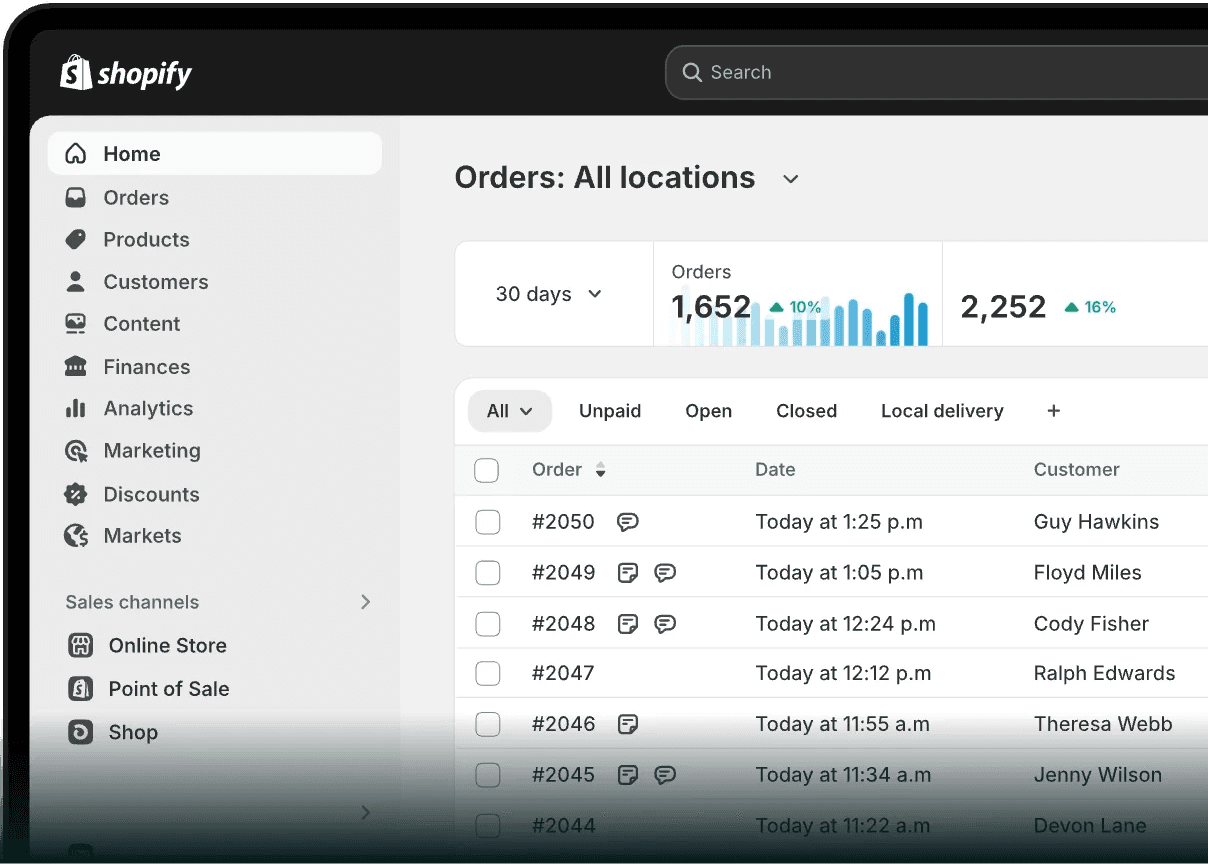
Using paid advertising to scale faster (Facebook, Instagram & TikTok Ads)
Paid advertising is one of the quickest ways to attract visitors and increase sales in a dropshipping clothing business. When used effectively, ads allow you to target customers precisely and showcase your clothing items to those who are most likely to buy.
Top paid advertising strategies for clothing dropshipping:
Facebook & Instagram Ads: Advanced audience targeting (age, interests, purchasing behaviors).
Carousel Ads: Showcase multiple clothing products in a single ad.
Retargeting Ads: Re-engage potential customers who visited your site but didn’t complete a purchase.
Lookalike Audiences: Find new customers similar to your existing buyers.
TikTok Ads are also highly effective for fashion brands. The platform offers high engagement rates and affordable ad costs compared to Facebook and Instagram.
Best TikTok advertising strategies for clothing brands:
Immersive full-screen videos to grab attention.
Influencer-style ads to build trust with your audience.
Ads integrated into viral trends for maximum exposure.
Optimizing SEO to attract free organic traffic
A solid SEO strategy ensures your online clothing store appears in Google search results, bringing long-term traffic to your site.
Essential SEO Tactics for a Clothing Dropshipping Business:
Write detailed and engaging product descriptions with relevant clothing niche keywords.
Incorporate targeted keywords such as “best clothing dropshipping suppliers” or “start dropshipping clothes.”
Optimize images (use compressed files and descriptive file names).
Create a fashion blog to drive organic traffic with articles like:
"How to style oversized hoodies in 2025"
"Top dropshipping clothing suppliers for a profitable online fashion store"
Build backlinks by collaborating with fashion bloggers and other websites.
Implementing email marketing to retain customers
Email marketing is a powerful tool for customer retention. It helps convert visitors into buyers and encourages repeat purchases. Effective Email Campaigns for a Clothing Brand:
Welcome emails → Introduce your brand and offer a discount for first-time buyers.
Cart abandonment reminders → Encourage customers to complete their purchase with incentives.
Exclusive deals & new arrivals → Notify customers about upcoming collections and special promotions.
Loyalty program emails → Reward repeat customers with VIP offers and early access to sales.
Tracking and optimizing marketing performance
A successful marketing strategy requires continuous monitoring and optimization. Key Metrics to Track for a Clothing Dropshipping Business:
Conversion rate → Percentage of visitors who make a purchase.
Average order value (AOV) → The average amount spent per customer.
Customer acquisition cost (CAC) → The cost of acquiring a new customer via ads.
Social media engagement → Likes, shares, comments, and reach.
Email open & click-through rates → Effectiveness of email campaigns.
Best Analytics Tools:
Google Analytics, to track website traffic and conversions.
Facebook Ads Manager, Monitor ad performance.
Klaviyo/Mailchimp, Analyze email marketing campaigns.
Legal and Trademark Basics for Dropshipping Clothing Brands

Launching a clothing dropshipping brand involves more than choosing trendy designs and running ads. Apparel is one of the most regulated ecommerce categories because it involves trademarks, brand ownership, and intellectual property rights. If you want to build a sustainable brand and avoid costly legal issues, you must understand the legal basics before selling clothing online.
Ignoring these rules can lead to store suspensions, financial penalties, or even lawsuits. The good news is that by following a few essential guidelines, such as trademark protection, supplier verification, and regulatory compliance, you can operate safely and build a legitimate fashion brand.
Trademark Registration and Brand Protection
One of the smartest moves when launching a clothing brand is registering your trademark. A trademark protects your brand name, logo, and visual identity from competitors trying to copy or imitate your products.
In the United States, trademark protection is handled by the USPTO (United States Patent and Trademark Office). Once registered, your brand receives legal protection that allows you to take action against counterfeit sellers or copycat stores.
Trademark registration becomes especially important as your brand grows. Without it, competitors can replicate your designs, branding, or packaging without consequences.
Key benefits of trademark protection include:
Legal ownership of your brand identity
Protection against counterfeit products
The ability to remove infringing listings from marketplaces
Greater trust and credibility with customers
For dropshipping clothing brands aiming to build long-term value, trademark registration should be treated as an investment rather than an expense.
Avoiding Copyright and Infringement Issues
Copyright violations are one of the most common legal mistakes made by new clothing entrepreneurs. Using designs, graphics, or logos that belong to someone else without permission can quickly lead to legal disputes.
Many beginners unknowingly download images or designs from the internet and place them on clothing products. Unfortunately, this practice can result in copyright claims or marketplace bans.
To avoid infringement issues:
Only use original designs or licensed artwork
Work with suppliers that provide commercial rights for graphics
Avoid copying designs from established brands
Verify that stock images include commercial usage rights
Originality is not just a legal safeguard, it’s also essential for building a recognizable fashion brand.
Compliance with E-commerce Regulations
Clothing stores must also comply with various ecommerce regulations depending on the markets they serve. These rules cover areas such as product labeling, consumer protection, and data privacy.
For example, clothing products sold in the United States must include accurate material information, country of origin labeling, and care instructions when applicable.
Additionally, your store should clearly display:
Terms and conditions
Privacy policy
Refund and return policy
Contact information for customer support
These legal pages are not only required for compliance but also help build trust with customers.
Financial Considerations: Profitability, Margins, and Pricing Strategies
Before launching a branded clothing store, it’s important to understand how the business actually generates profit. While dropshipping reduces inventory risk, your margins still depend on product pricing, advertising costs, and operational efficiency.
Fashion dropshipping continues to grow rapidly. Market analysts estimate that the global dropshipping fashion sector will expand at a 24.8% compound annual growth rate through 2030, pushing the market past $1 trillion by 2027.
Typical gross margins for clothing products look like this:
Product Type | Typical Gross Margin |
|---|---|
T-Shirts | 20 – 35 % |
Dresses | 25 – 40 % |
Outerwear | 25 – 45 % |
Accessories | 30 – 50 % |
After factoring in advertising costs, payment processing fees, and shipping, most successful stores reach net margins between 15% and 20%.
The key is controlling the biggest cost drivers such as advertising spend and return rates.
Cost Structures and Margins in Dropshipping
Dropshipping clothing brands operate with several core expenses that directly affect profitability.
The main costs include:
Product sourcing costs from suppliers
Advertising expenses
Payment processing fees
Shipping and fulfillment
Returns and refunds
Customer acquisition costs (CAC) are particularly important in fashion ecommerce. Industry averages typically range from $66 to $129 per customer depending on the advertising platform and niche.
Because acquisition costs are high, successful clothing brands focus on increasing customer lifetime value through repeat purchases.
Pricing Strategies for Branded Clothing
Pricing plays a crucial role in positioning your clothing brand. If prices are too low, customers may perceive the brand as cheap. If they are too high without brand credibility, conversion rates can drop.
Most fashion dropshipping brands use one of three pricing strategies:
Cost-plus pricing
Adding a fixed markup (typically 2x–3x the product cost).
Value-based pricing
Pricing products based on perceived brand value and positioning.
Competitor benchmarking
Analyzing similar brands and aligning prices with the market.
Premium positioning often works well in clothing niches, especially when combined with strong branding and storytelling.
Estimating Customer Acquisition Costs
Customer acquisition cost is one of the most important metrics when scaling a dropshipping clothing brand.
CAC represents the amount spent on marketing to acquire one customer.
Typical formula:
CAC = Total marketing spend / Number of new customers
For fashion ecommerce, CAC usually falls between $66 and $129, depending on competition and ad targeting.
To stay profitable, your store should aim for:
2x to 3x ROAS (Return on Ad Spend) before scaling campaigns
A customer lifetime value that significantly exceeds CAC
When repeat purchases occur, acquisition costs become easier to absorb.
Improving Average Order Value
Increasing average order value (AOV) is one of the most effective ways to boost profitability without increasing advertising spend.
Common strategies include:
Product bundles (e.g., hoodie + cap)
Free shipping thresholds
Limited-time upsells
Cross-selling accessories
Accessories are particularly valuable in clothing dropshipping because they often have higher margins and lower return rates.
Repeat customers can spend up to 340% more than first-time buyers, making retention strategies extremely valuable.

How to Launch and Promote a Dropshipping Clothing Brand
Marketing plays a critical role in the success of any clothing brand. Even the best designs will struggle without visibility and audience engagement.
A successful launch typically combines several marketing channels, including social media, paid advertising, influencer partnerships, and search engine optimization.
The goal is to create consistent brand exposure while steadily increasing traffic and conversions.
Develop a Solid Presence on Social Networks
Fashion brands thrive on visual platforms such as Instagram, TikTok, and Pinterest.
These platforms allow you to showcase products through lifestyle images, outfit inspiration, and short videos.
Content ideas include:
Outfit styling videos
Behind-the-scenes brand content
User-generated content from customers
Product launches and limited drops
Consistency and storytelling help transform a simple product store into a recognizable fashion brand.
Collaborate with Influencers to Accelerate Visibility
Influencer marketing is one of the fastest ways to generate awareness for a clothing brand.
Micro-influencers with highly engaged audiences often deliver better results than large influencers with broad but less engaged followings.
Successful collaborations usually include:
Product seeding campaigns
Sponsored outfit posts
Affiliate partnerships with commission incentives
Authentic promotion from creators helps build credibility and trust with potential customers.
Using Paid Advertising (Facebook, Instagram, TikTok Ads)
Paid advertising remains one of the most scalable traffic sources for clothing dropshipping brands.
The most commonly used platforms include:
Facebook Ads
Instagram Ads
TikTok Ads
Google Shopping Ads
Before scaling campaigns, it's essential to test multiple creatives and audiences to find winning combinations.
Most successful stores aim for a minimum ROAS of 2–3x before increasing ad budgets.
Optimize SEO to Attract Free Traffic
Search engine optimization allows clothing brands to attract organic traffic without ongoing advertising costs.
SEO strategies for fashion stores include:
Writing blog content around fashion trends
Optimizing product pages with keywords
Creating collection pages for specific niches
Building backlinks from fashion blogs
Over time, organic traffic can become a major source of consistent sales.
Implementing an Email Marketing Strategy
Email marketing remains one of the highest-ROI marketing channels in ecommerce.
With the right strategy, brands can use email to nurture leads, recover abandoned carts, and encourage repeat purchases.
Typical email flows include:
Welcome sequences
Abandoned cart reminders
Post-purchase follow-ups
Product launch announcements
Email campaigns also help maintain engagement with existing customers.
Analyze and Adjust Marketing Performance
Successful brands constantly track marketing performance and adjust strategies accordingly.
Important metrics include:
Conversion rate
Customer acquisition cost
Return on ad spend
Average order value
Customer lifetime value
Regular analysis allows entrepreneurs to identify profitable campaigns and eliminate underperforming strategies.
Automate Your Clothing Dropshipping Business
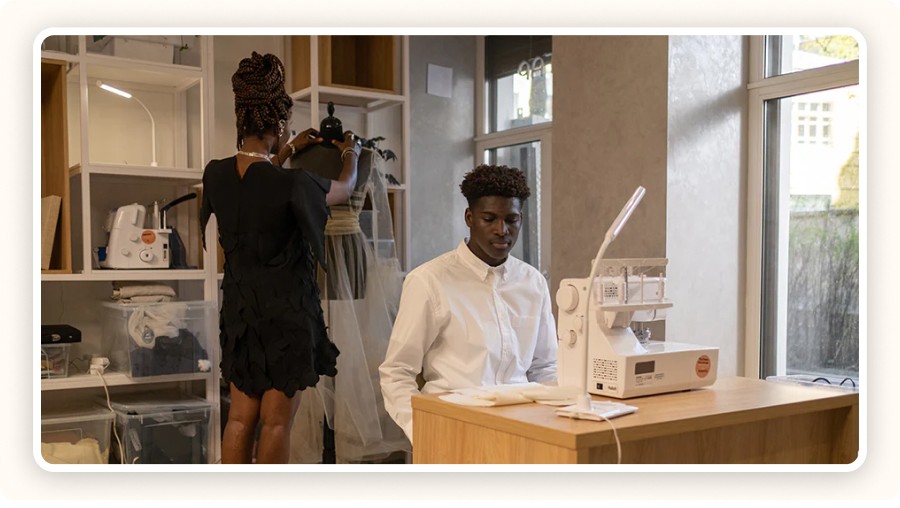
Once your clothing dropshipping business is up and running, the next step is to automate repetitive tasks and implement strategies to scale your online clothing store efficiently.
Automation helps you save time, streamline order management, and enhance customer satisfaction. At the same time, expanding your business requires optimizing your marketing efforts, diversifying your clothing product range, and improving customer loyalty programs.
Automating order processing
As sales increase, manually processing orders becomes inefficient. Thankfully, several dropshipping tools can automate order fulfillment, ensuring a seamless process.Best Tools for Automating Order Management:
DSers (integrated with Shopify) : Syncs with dropshipping clothing suppliers on AliExpress for one-click order fulfillment.
AutoDS : Advanced order processing and supplier management.
CJ Dropshipping : All-in-one solution for sourcing and fast and reliable shipping.
When a customer places an order on your online fashion store, the system automatically forwards it to the clothing supplier. The clothing dropshipping supplier processes and ships the order under your brand name. Customers receive tracking updates automatically.
Automating inventory and pricing management
Managing inventory and pricing fluctuations is crucial for a profitable dropshipping clothing business. With automation, you can:
Sync stock levels with your dropshipping suppliers to prevent overselling.
Automatically adjust prices based on supplier cost changes.
Receive stock alerts to avoid running out of high-demand clothing items.
Best inventory & pricing management tools:
ReConvert (Shopify) → Advanced inventory management automation.
PriceYak → Automatically updates prices based on supplier costs.
Automating customer service
Providing excellent customer support is essential for building customer loyalty, but answering repetitive inquiries can be time-consuming. How to automate Customer Service:
AI Chatbots (Tidio, Gorgias) → Instantly answer common customer questions.
Automated Email Responses → Send instant replies for order confirmation, shipping updates, and return policies.
Comprehensive FAQ Page → Address common concerns upfront to reduce support requests.
This improves customer satisfaction and allows you to focus on growing your business.
How to Develop and Expand Your Dropshipping Clothing Brand
Once your clothing dropshipping business is running smoothly, the next step is expanding your brand, increasing revenue, and building long-term customer loyalty. Scaling a branded clothing dropshipping business involves optimizing your product range, diversifying your sales channels, and strengthening your brand image in the fashion market.
In this section, we’ll explore the best strategies to take your online clothing store to the next level.
Expanding your clothing product catalog
Diversifying your clothing product range helps attract new customers and increase average order value (AOV). Adding new clothing styles and exclusive collections allows your clothing brand to stay ahead of fashion trends and maintain customer interest.
Best strategies to expand your product catalog:
Launch seasonal collections to align with current fashion trends.
Offer product bundles & multipacks (e.g., "3 t-shirts for the price of 2").
Introduce limited-edition designs to create urgency and exclusivity.Expand to complementary items (e.g., if you sell streetwear, add caps and sneakers).
Example: A streetwear clothing brand could introduce a limited-edition hoodie drop or a capsule collection in collaboration with an influencer.
Expanding to multiple sales channels
Relying solely on your online clothing store limits growth potential. To scale faster, consider selling on additional e-commerce platforms and leveraging social commerce.
Sales Channel | Advantages |
|---|---|
Amazon | Large customer base, high traffic, and trust factor. |
Etsy | Ideal for custom clothing products and unique fashion items. |
Facebook & Instagram Shops | Seamless shopping experience for social media users. |
Google Shopping | Drives high-intent buyers to your store. |
Strengthening customer loyalty for long-term growth
Acquiring new customers is expensive, but retaining existing customers is more profitable. A strong customer loyalty strategy helps increase repeat purchases and maximizes lifetime value (LTV). Best Strategies to Boost Customer Loyalty:
Loyalty programs (e.g., points-based rewards using Smile.io).
Exclusive VIP offers for returning customers.
Personalized recommendations based on purchase history.
Community engagement via a private Facebook group or Discord channel.
A women’s clothing brand could offer a special discount to customers who post outfit pictures using their products and a branded hashtag.
Investing in brand building & marketing
The stronger your brand identity, the more customers trust and engage with your clothing business. Investing in brand building ensures long-term success and allows you to charge premium prices.
Top brand building strategies:
Craft a compelling brand story → Communicate your brand’s mission and values.
Use high-quality visuals → Professional photography and consistent branding.
Create unique packaging → Custom packaging enhances the unboxing experience.
Launch collaborations → Partner with influencers or designers for exclusive drops.
A luxury clothing brand could create personalized packaging and exclusive gift wrapping to enhance the customer experience.
A strong brand image builds trust and credibility, allowing your dropshipping clothing business to stand out in the fashion industry.
Top 10 Clothing Ideas for Dropshipping
Choosing the right products is essential for success in clothing dropshipping with suppliers. Some categories of clothing see strong demand year-round, while others become more popular depending on the season or current fashion trends.
Here are 10 clothing ideas that sell well in dropshipping, based on market trends and analyses of the top-performing products.
1. Jackets and Coats (Men & Women)
Jackets and coats are high-value items that sell particularly well in fall and winter. They offer attractive profit margins and appeal to customers seeking both style and comfort.
Popular models include:
Colorblock varsity jackets (trendy streetwear style)
Bomber jackets and leather coats
Wool coats with high collars (chic and timeless style)
Lined parkas for winter
Oversized plaid jackets (lumberjack or grunge effect)
These items allow you to sell products with a higher perceived value, enabling you to set more competitive prices.
2. Sweaters and Pullovers (Men & Women)
Sweaters and pullovers are wardrobe classics, appreciated for their comfort and style. They can be sold all year, with higher demand during fall and winter.
Some popular models include:
Cable-knit sweaters (vintage style)
Oversized sweaters with graphic prints
Turtleneck pullovers in wool or cashmere
Hooded sweatshirts (streetwear hoodies)
Long cardigans for women (very popular on Pinterest)
Marketing Tip: Focus on sweaters and pullovers with unique, trendy designs to differentiate your clothing brand.
3. Sweatshirts and Hoodies (Men & Women)
The market for sweatshirts and hoodies is booming, largely thanks to the influence of streetwear.
Trending models include:
Graphic printed sweatshirts (with quotes or minimalist logos)
Hoodies with zippers (casual and practical style)
Cropped hooded sweatshirts for women (crop tops with hoods)
Wide-sleeve sweatshirts (Korean style)
Technical hoodies for sports (made with breathable fabric)
These items are versatile and cater to various fashion styles and customer segments.
4. Jeans (Men & Women)
Jeans are a wardrobe staple, available in various cuts and styles.
Some best-selling models are:
High-waisted jeans for women (mom, slim, or cargo cuts)
Distressed or “destroy” jeans
Cargo jeans with side pockets (popular in streetwear)
Loose-fit jeans for men (baggy or straight-leg cuts)
Raw denim jeans (retro style)
Enhance your listings by including complete look photos and detailed size guides to inspire buyers and reduce returns.
5. Dresses (Women)
Dresses remain a key category in fashion dropshipping. They are in demand throughout the year, with sales peaking in spring and summer, and allow you to target various customer segments.
Popular styles include:
Bohemian long dresses (highly sought-after on Pinterest)
Oversized pullover dresses for winter
Fitted ribbed knit dresses
Casual dresses with ruffles (light, flowy fabrics)
Shirt dresses with belts (chic-casual style)
6. Tops and Blouses (Women)
Tops and blouses are cost-effective items that attract a wide audience.
Consider these styles:
Satin or silk blouses for an elegant look
Wide-strap crop tops (trendy on Instagram)
Asymmetric tops (modern and original)
Balloon-sleeve or ruffled tops
Oversized cotton shirts (boyfriend style)
Marketing Tip: Pair these with complementary clothing items to encourage customers to complete their outfits.
7. Sets and Co-ords (Men & Women)
Co-ordinated sets are growing in popularity, especially due to minimalist trends and the rise of loungewear. These items help increase the average order value by offering complete, ready-to-wear looks.
Examples include:
Jogging sets (matching sweatshirt and pants)
Blazer and fluid pant sets for women
Crop top and split skirt duos
Satin pajama sets (elegant loungewear)
Seamless sports sets (fitness style)
8. Children's and Baby Clothing
The children's fashion sector is expanding rapidly, as parents frequently purchase new clothing as their children grow.
Top-selling products include:
Baby bodysuits and sets (organic cotton, cute designs)
Joggers and sweatshirts for kids (combining comfort and practicality)
Soft cotton pajamas (unisex)
Lightweight jackets and windbreakers for children
Multipacks of t-shirts and shorts
High customer loyalty is common here, as parents make repeat purchases based on their children's needs.
9. Sportswear (Men & Women)
Sportswear is consistently in demand, especially with the rising focus on fitness and wellness.
Best-selling items include:
High-waisted leggings with pockets
Adjustable sports bras
Breathable technical t-shirts
Cycling shorts (very trendy)
Stretch fabric tracksuits
This segment attracts dedicated customers who seek quality performance wear for their workouts.
10. Swimwear (Men & Women)
Swimwear is a seasonal bestseller, with strong demand in spring and summer.
Some trending styles include:
One-piece swimsuits with cut-outs (minimalist style)
Asymmetric bikinis (unique, modern designs)
Men’s swim shorts with patterns
Swimsuits with lacing details
Tankinis and sculpting swimsuits

Conclusion
Building a clothing brand through dropshipping in 2025 is more accessible than ever. With the right tools, clear strategy, and smart product selection, you can create a profitable and long-lasting brand. Success lies in combining creativity, niche positioning, and smart competitor analysis to stand out in a saturated market. To take your brand even further, leverage a tool like Minea to find winning products, spy on top-performing stores, and fine-tune your ad strategy. Your brand is just one smart decision away from taking off.
FAQ: branded clothing dropshipping
Is clothing dropshipping profitable?
Yes, dropshipping clothing can be very profitable when you adopt the right approach. The key to success lies in selecting high-quality clothing products, choosing a clear brand positioning, and implementing an effective marketing strategy. Unlike stores that sell generic items, developing a differentiated clothing brand increases profit margins, builds customer loyalty, and helps you stand out in the competitive fashion market.
How do I choose a good supplier for clothing dropshipping?
A reliable clothing dropshipping supplier guarantees consistent product quality, reasonable shipping times, and customization options—such as custom packaging—to reinforce your brand image. Before committing, take the time to:
Check Reviews: Verify customer feedback and ratings on specialized platforms.
Order Samples: Test fabric quality, cuts, and printing to ensure your clothing items meet your standards.
Compare Services: Evaluate shipping times and after-sales service to find the right clothing supplier for your online clothing business.
Top suppliers for branded clothing dropshipping:
Printful, T-Pop, AOP+ – Ideal for print-on-demand clothing with branding.
BrandsGateway, FashionTIY – Best for high-end, designer clothing dropshipping.
AliExpress, Faire, Alibaba – Offer a diverse product range, though quality should be assessed carefully.
How do I attract customers to my online clothing store?
Driving qualified traffic is essential for a profitable clothing dropshipping business. Consider these strategies:
Paid Advertising: Use Facebook Ads, Instagram Ads, and TikTok Ads to target your audience with engaging visuals and compelling offers.
Influencer Marketing: Collaborate with micro-influencers and fashion content creators to build credibility and reach an already engaged audience.
SEO & Blog Content: Write optimized articles on topics such as “How to Style an Oversized Hoodie” or “This Year’s Fashion Trends” to attract organic traffic.
Social Media Strategy: Post engaging content on Instagram, Pinterest, and TikTok, and utilize Instagram Shopping to convert visitors into customers.
How do I stand out from other dropshipping stores?
In a saturated market, differentiation is key. To attract and retain customers:
Develop a strong brand identity: A unique brand name, professional logo, and consistent visual identity enhance your brand image and credibility.
Prioritize product quality: Offer durable materials, exclusive designs, and refined finishes to elevate your clothing products above generic alternatives.
Enhance customer experience: Provide personalized packaging, responsive customer service, and clear return policies to boost customer satisfaction and loyalty.
Build a community: Engage your audience through social media, storytelling campaigns, and exclusive collaborations to foster long-term customer relationships.
Similar articles