Omnisend Email Marketing for a Dropshipping Business : Setup That Actually Sells
Best Email Marketing Tools
Author: Josa
Contents
If you run a dropshipping store, you don’t need “more emails.” You need a simple system, using the best email marketing tools, that turns new visitors into first-time buyers, and first-time buyers into repeat customers without spending your day in your inbox.
What You’ll Learn
How to connect Omnisend to Shopify and track revenue correctly (so you know what actually works)
The 5 automations that drive most dropshipping email revenue: welcome, cart abandonment, browse abandonment, post-purchase, and win-back
How to apply the 80/20 rule to email marketing so you focus on the few flows that move the needle
What Omnisend costs in practice as your email list grows (and how to estimate it)
Step 0: Decide if email marketing is worth it for dropshipping
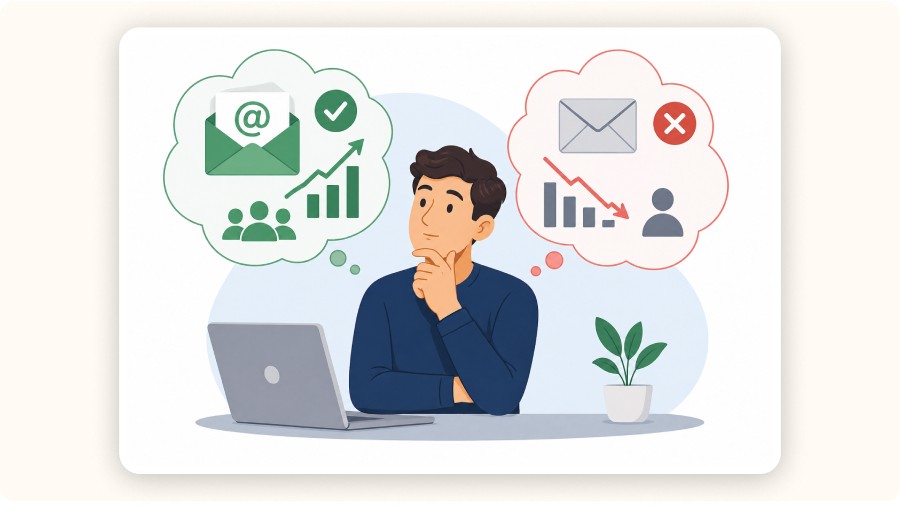
Email marketing is one of the few channels you can scale without paying per click. For dropshipping, it’s also what helps protect your margins when ad costs spike.
Email marketing makes sense for dropshipping when three things are true:
Your product has a “consideration moment.” People don’t always buy on the first visit. Accessories, beauty devices, and problem/solution products usually perform well here.
You can drive repeat purchases or upsells. Even if your hero product is mostly one-time, you can bundle (extra blades, refills, add-ons) or upsell a premium version.
You have enough sessions to feed the automations. If you have 10 visits/day, email won’t perform miracles. If you have 200–2,000 visits/day, flows can start generating consistent revenue.
A simple, realistic benchmark for many Shopify stores: once your baseline conversion rate is stable, email/SMS can be the difference between break-even ads and profitable ads because it adds revenue on top of traffic you already paid for.
Minea
Reach $1,000 per day or get your money back

Step 1: Connect Omnisend to Shopify (the right way)
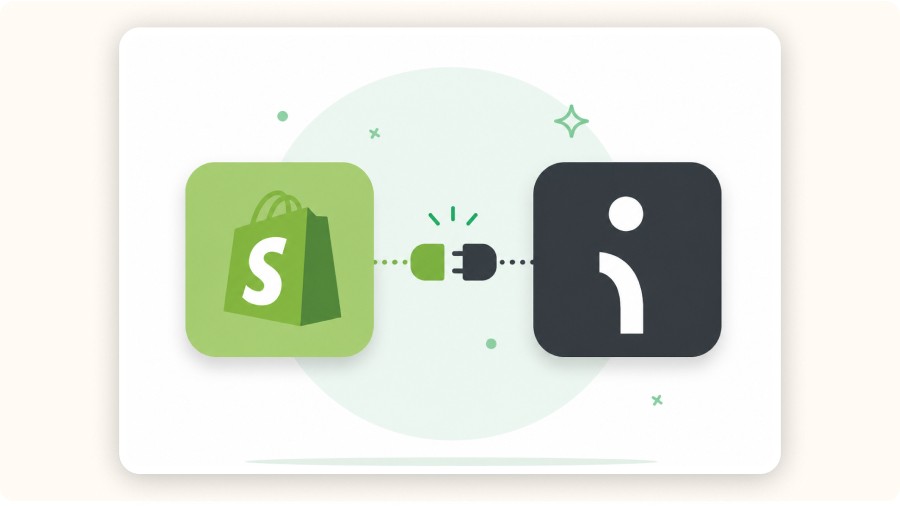
The most common Omnisend mistake isn’t the copy. It’s broken tracking which means you’re optimizing blind.
Estimated time: 20–45 minutes
Install the Omnisend Shopify app and sync data
From the Omnisend listing in the Shopify App Store:
Install the app
Complete onboarding
Allow data permissions so Omnisend can pull:
products and collections
customers and segments
order history and revenue attribution
key events (product viewed, add to cart, checkout started, purchase)
This ecommerce-native sync is why Omnisend works so well for Shopify-first dropshipping. You’re not forcing a generic email tool to fit your store, you're connecting store events directly to automations.
Confirm your “money events” fire correctly
Before you build any automations, make sure these events are actually being tracked:
Product viewed
Added to cart
Checkout started
Order created / paid
Why it matters: most of your revenue will come from flows triggered by these events.
Set list and deliverability foundations (don’t skip)
Deliverability is a system, not a hack. In dropshipping, it matters even more because testing new products and new angles can spike complaint rates.
Do the basics:
Use a branded sending domain (not a free email)
Keep one From name consistent for the store
Start with low volume if your domain is new
Make sure your footer includes a real address and an unsubscribe link
Minea proof #1 (workflow): Use Minea to choose what your emails should push first
If you sell multiple products, don’t build flows around the one you personally like. Build around the one the market is already responding to.
A practical workflow:
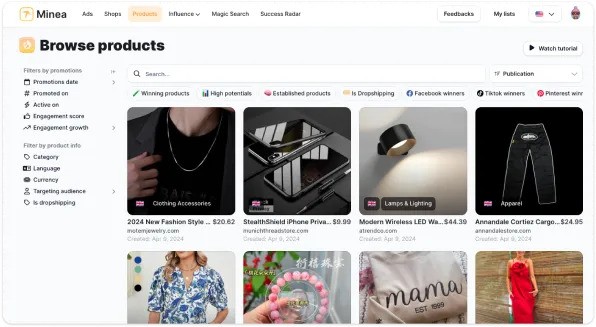
In Minea Ads Library, find ads with sustained spend in your niche and note the hero offer + key hooks.
Map the hook to an email angle: problem → promise → proof → offer.
Build your Welcome and Abandoned Cart emails around that angle so your ads and emails tell the same story.
That alignment alone often lifts conversion, because you’re not changing the narrative mid-funnel.


Step 2: Build your list growth engine (forms + incentives)
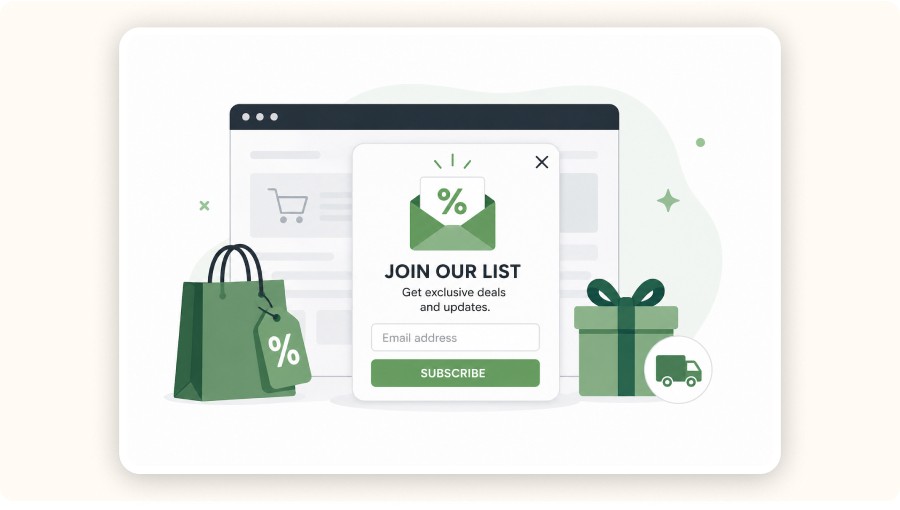
If you’re only collecting emails at checkout, you’re paying Meta/TikTok for traffic and leaving future profit on the table.
Estimated time: 1–2 hours
For dropshipping, list growth usually comes down to one incentive + one form strategy. Keep it simple.
Choose an incentive that protects margin
Discounts work, but they can wreck your unit economics if you default to 20% off on a $29.99 product.
A better approach:
Low AOV products: $5 off or a free shipping threshold
Medium AOV: 10% off (first purchase only)
Bundle-focused stores: Buy 2 → 10% off / Buy 3 → 15% off
If your average product price is around $29.99 (common in many dropshipping catalogs), a blanket 20% discount becomes a tax on your margins. You want an incentive that triggers a first order, not one that trains customers to wait for discounts.
Pick 1–2 forms that match buyer intent
Common Omnisend form patterns that work well for ecommerce:
Exit-intent popup: catches “not now” visitors
Scroll popup: triggers after they’ve shown real interest
Spin-to-win: can grow your list fast, but attracts bargain hunters if the offer is too aggressive
Rule: if your refund rate is sensitive, don’t optimize for email volume. Optimize for qualified subscribers.
Step 3: Set up the 5 automations that drive most dropshipping revenue

The 80/20 rule in email marketing is straightforward: a small set of automated flows drives most of your lifecycle revenue.
Estimated time: 3–6 hours to ship a strong first version
You can send campaigns later. First, build your automations.
Automation 1: Welcome Series (highest-leverage flow)
A Welcome Series helps turn a sign-up (or discount) into a first purchase, and sets expectations early, which usually means fewer support tickets.
Goal: convert new subscribers within 1–3 days
A clean 3-email structure:
Email 1 (instant): deliver the offer + feature the top product + 1 clear benefit
Email 2 (12–24h): build credibility + address objections (shipping time, returns, sizing)
Email 3 (48–72h): add urgency + highlight best-sellers + social proof
What to include for dropshipping specifically:
realistic shipping expectations (don’t hide it)
your return/refund policy in plain English
usage tips (often reduces refunds and chargebacks)
Minea proof #2 (data-based angle): Use Minea trend signals to pick your “hero” product
If you’re unsure which product to lead with, use trend signals instead of guessing.
Examples that often show up as strong performers in many dropshipping catalogs (use Minea to verify for your niche):
Posture corrector belt
LED face mask
Portable blender
Smart ring fitness tracker
Heated eyelash curler
Practical move: feature your top “hero” in Email 1, then use Email 2 to cross-sell a closely related product.
Automation 2: Abandoned Cart (high-intent recovery)
Cart recovery is where Omnisend shines for Shopify stores because the trigger is clear and the intent is high.
Goal: recover high-intent carts within 1–12 hours
A strong 3-touch sequence:
Email 1 (30–60 min): simple reminder + product image + “Complete checkout” button
Email 2 (6–8 hours): handle objections + clarify shipping/returns
Email 3 (18–24 hours): incentive only if needed (10% off or free shipping)
Mechanics matter. Your automation should:
detect the cart event
pull cart items dynamically
link back to checkout/cart
optionally generate a single-use discount code
If you sell fast-moving impulse products, don’t wait 24 hours to send the first reminder, you’ll miss the moment.
Automation 3: Browse Abandonment (for “maybe later” shoppers)
Browse flows work best when your product needs a bit of consideration (beauty, gadgets, wearable tech).
Goal: bring back visitors who viewed but didn’t add to cart
A solid 2-email structure:
Email 1 (2–4 hours): “Still deciding?” + viewed product + 1 clear differentiator
Email 2 (24 hours): comparison angle + quick FAQ (size, usage, warranty)
Key point: don’t spam. If someone views 10 products in 2 minutes, they’re browsing your catalog, not choosing. Trigger the flow only after meaningful engagement (time on page, repeat views, product page depth).
Automation 4: Post-Purchase (reduce refunds, drive the 2nd order)
Post-purchase is where dropshipping stores win long term: fewer refunds and higher LTV.
Goal: prevent buyer’s remorse and create a second purchase
A practical 4-email structure:
Order confirmation (transactional): clean, clear, links to tracking
How to use (Day 2–3): quick-start instructions + common mistakes
Shipping expectations (Day 4–7): proactive support reduces chargebacks
Cross-sell / bundle (Day 10–14): complementary product offer
A common dropshipping mistake is pretending fulfillment doesn’t exist in email. If you ship internationally, delivery times can vary by lane and season. Set expectations early and you’ll save yourself headaches later.
Automation 5: Win-Back (reactivate without sounding desperate)
Win-back emails should feel like a fresh reason to buy, not “please come back.”
Goal: re-activate customers who haven’t purchased in 45–90 days
Simple approach:
segment by what they bought (category, problem)
send 2 emails:
new product drop or new bundle
offer or a small loyalty perk
If you sell consumables (skincare, or products with replacement parts), win-back can become your most profitable automation after cart recovery.
Top 10 Best Stores of the Day
Every day, new e-commerce sellers launch highly profitable products thanks to effective ads. Get inspired and be the next one 👇
If you run a dropshipping store, you don’t need “more emails.” You need a simple system, using the best email marketing tools, that turns new visitors into first-time buyers, and first-time buyers into repeat customers without spending your day in your inbox.
What You’ll Learn
How to connect Omnisend to Shopify and track revenue correctly (so you know what actually works)
The 5 automations that drive most dropshipping email revenue: welcome, cart abandonment, browse abandonment, post-purchase, and win-back
How to apply the 80/20 rule to email marketing so you focus on the few flows that move the needle
What Omnisend costs in practice as your email list grows (and how to estimate it)
Step 0: Decide if email marketing is worth it for dropshipping
Email marketing is one of the few channels you can scale without paying per click. For dropshipping, it’s also what helps protect your margins when ad costs spike.
Email marketing makes sense for dropshipping when three things are true:
Your product has a “consideration moment.” People don’t always buy on the first visit. Accessories, beauty devices, and problem/solution products usually perform well here.
You can drive repeat purchases or upsells. Even if your hero product is mostly one-time, you can bundle (extra blades, refills, add-ons) or upsell a premium version.
You have enough sessions to feed the automations. If you have 10 visits/day, email won’t perform miracles. If you have 200–2,000 visits/day, flows can start generating consistent revenue.
A simple, realistic benchmark for many Shopify stores: once your baseline conversion rate is stable, email/SMS can be the difference between break-even ads and profitable ads because it adds revenue on top of traffic you already paid for.
Minea
Reach $1,000 per day or get your money back
Step 1: Connect Omnisend to Shopify (the right way)
The most common Omnisend mistake isn’t the copy. It’s broken tracking which means you’re optimizing blind.
Estimated time: 20–45 minutes
Install the Omnisend Shopify app and sync data
From the Omnisend listing in the Shopify App Store:
Install the app
Complete onboarding
Allow data permissions so Omnisend can pull:
products and collections
customers and segments
order history and revenue attribution
key events (product viewed, add to cart, checkout started, purchase)
This ecommerce-native sync is why Omnisend works so well for Shopify-first dropshipping. You’re not forcing a generic email tool to fit your store, you're connecting store events directly to automations.
Confirm your “money events” fire correctly
Before you build any automations, make sure these events are actually being tracked:
Product viewed
Added to cart
Checkout started
Order created / paid
Why it matters: most of your revenue will come from flows triggered by these events.
Set list and deliverability foundations (don’t skip)
Deliverability is a system, not a hack. In dropshipping, it matters even more because testing new products and new angles can spike complaint rates.
Do the basics:
Use a branded sending domain (not a free email)
Keep one From name consistent for the store
Start with low volume if your domain is new
Make sure your footer includes a real address and an unsubscribe link
Minea proof #1 (workflow): Use Minea to choose what your emails should push first
If you sell multiple products, don’t build flows around the one you personally like. Build around the one the market is already responding to.
A practical workflow:
In Minea Ads Library, find ads with sustained spend in your niche and note the hero offer + key hooks.
Map the hook to an email angle: problem → promise → proof → offer.
Build your Welcome and Abandoned Cart emails around that angle so your ads and emails tell the same story.
That alignment alone often lifts conversion, because you’re not changing the narrative mid-funnel.
Step 2: Build your list growth engine (forms + incentives)
If you’re only collecting emails at checkout, you’re paying Meta/TikTok for traffic and leaving future profit on the table.
Estimated time: 1–2 hours
For dropshipping, list growth usually comes down to one incentive + one form strategy. Keep it simple.
Choose an incentive that protects margin
Discounts work, but they can wreck your unit economics if you default to 20% off on a $29.99 product.
A better approach:
Low AOV products: $5 off or a free shipping threshold
Medium AOV: 10% off (first purchase only)
Bundle-focused stores: Buy 2 → 10% off / Buy 3 → 15% off
If your average product price is around $29.99 (common in many dropshipping catalogs), a blanket 20% discount becomes a tax on your margins. You want an incentive that triggers a first order, not one that trains customers to wait for discounts.
Pick 1–2 forms that match buyer intent
Common Omnisend form patterns that work well for ecommerce:
Exit-intent popup: catches “not now” visitors
Scroll popup: triggers after they’ve shown real interest
Spin-to-win: can grow your list fast, but attracts bargain hunters if the offer is too aggressive
Rule: if your refund rate is sensitive, don’t optimize for email volume. Optimize for qualified subscribers.
Step 3: Set up the 5 automations that drive most dropshipping revenue
The 80/20 rule in email marketing is straightforward: a small set of automated flows drives most of your lifecycle revenue.
Estimated time: 3–6 hours to ship a strong first version
You can send campaigns later. First, build your automations.
Automation 1: Welcome Series (highest-leverage flow)
A Welcome Series helps turn a sign-up (or discount) into a first purchase, and sets expectations early, which usually means fewer support tickets.
Goal: convert new subscribers within 1–3 days
A clean 3-email structure:
Email 1 (instant): deliver the offer + feature the top product + 1 clear benefit
Email 2 (12–24h): build credibility + address objections (shipping time, returns, sizing)
Email 3 (48–72h): add urgency + highlight best-sellers + social proof
What to include for dropshipping specifically:
realistic shipping expectations (don’t hide it)
your return/refund policy in plain English
usage tips (often reduces refunds and chargebacks)
Minea proof #2 (data-based angle): Use Minea trend signals to pick your “hero” product
If you’re unsure which product to lead with, use trend signals instead of guessing.
Examples that often show up as strong performers in many dropshipping catalogs (use Minea to verify for your niche):
Posture corrector belt
LED face mask
Portable blender
Smart ring fitness tracker
Heated eyelash curler
Practical move: feature your top “hero” in Email 1, then use Email 2 to cross-sell a closely related product.
Automation 2: Abandoned Cart (high-intent recovery)
Cart recovery is where Omnisend shines for Shopify stores because the trigger is clear and the intent is high.
Goal: recover high-intent carts within 1–12 hours
A strong 3-touch sequence:
Email 1 (30–60 min): simple reminder + product image + “Complete checkout” button
Email 2 (6–8 hours): handle objections + clarify shipping/returns
Email 3 (18–24 hours): incentive only if needed (10% off or free shipping)
Mechanics matter. Your automation should:
detect the cart event
pull cart items dynamically
link back to checkout/cart
optionally generate a single-use discount code
If you sell fast-moving impulse products, don’t wait 24 hours to send the first reminder, you’ll miss the moment.
Automation 3: Browse Abandonment (for “maybe later” shoppers)
Browse flows work best when your product needs a bit of consideration (beauty, gadgets, wearable tech).
Goal: bring back visitors who viewed but didn’t add to cart
A solid 2-email structure:
Email 1 (2–4 hours): “Still deciding?” + viewed product + 1 clear differentiator
Email 2 (24 hours): comparison angle + quick FAQ (size, usage, warranty)
Key point: don’t spam. If someone views 10 products in 2 minutes, they’re browsing your catalog, not choosing. Trigger the flow only after meaningful engagement (time on page, repeat views, product page depth).
Automation 4: Post-Purchase (reduce refunds, drive the 2nd order)
Post-purchase is where dropshipping stores win long term: fewer refunds and higher LTV.
Goal: prevent buyer’s remorse and create a second purchase
A practical 4-email structure:
Order confirmation (transactional): clean, clear, links to tracking
How to use (Day 2–3): quick-start instructions + common mistakes
Shipping expectations (Day 4–7): proactive support reduces chargebacks
Cross-sell / bundle (Day 10–14): complementary product offer
A common dropshipping mistake is pretending fulfillment doesn’t exist in email. If you ship internationally, delivery times can vary by lane and season. Set expectations early and you’ll save yourself headaches later.
Automation 5: Win-Back (reactivate without sounding desperate)
Win-back emails should feel like a fresh reason to buy, not “please come back.”
Goal: re-activate customers who haven’t purchased in 45–90 days
Simple approach:
segment by what they bought (category, problem)
send 2 emails:
new product drop or new bundle
offer or a small loyalty perk
If you sell consumables (skincare, or products with replacement parts), win-back can become your most profitable automation after cart recovery.
Top 10 Best Stores of the Day
Every day, new e-commerce sellers launch highly profitable products thanks to effective ads. Get inspired and be the next one 👇
If you run a dropshipping store, you don’t need “more emails.” You need a simple system, using the best email marketing tools, that turns new visitors into first-time buyers, and first-time buyers into repeat customers without spending your day in your inbox.
What You’ll Learn
How to connect Omnisend to Shopify and track revenue correctly (so you know what actually works)
The 5 automations that drive most dropshipping email revenue: welcome, cart abandonment, browse abandonment, post-purchase, and win-back
How to apply the 80/20 rule to email marketing so you focus on the few flows that move the needle
What Omnisend costs in practice as your email list grows (and how to estimate it)
Step 0: Decide if email marketing is worth it for dropshipping
Email marketing is one of the few channels you can scale without paying per click. For dropshipping, it’s also what helps protect your margins when ad costs spike.
Email marketing makes sense for dropshipping when three things are true:
Your product has a “consideration moment.” People don’t always buy on the first visit. Accessories, beauty devices, and problem/solution products usually perform well here.
You can drive repeat purchases or upsells. Even if your hero product is mostly one-time, you can bundle (extra blades, refills, add-ons) or upsell a premium version.
You have enough sessions to feed the automations. If you have 10 visits/day, email won’t perform miracles. If you have 200–2,000 visits/day, flows can start generating consistent revenue.
A simple, realistic benchmark for many Shopify stores: once your baseline conversion rate is stable, email/SMS can be the difference between break-even ads and profitable ads because it adds revenue on top of traffic you already paid for.
Minea
Reach $1,000 per day or get your money back
Step 1: Connect Omnisend to Shopify (the right way)
The most common Omnisend mistake isn’t the copy. It’s broken tracking which means you’re optimizing blind.
Estimated time: 20–45 minutes
Install the Omnisend Shopify app and sync data
From the Omnisend listing in the Shopify App Store:
Install the app
Complete onboarding
Allow data permissions so Omnisend can pull:
products and collections
customers and segments
order history and revenue attribution
key events (product viewed, add to cart, checkout started, purchase)
This ecommerce-native sync is why Omnisend works so well for Shopify-first dropshipping. You’re not forcing a generic email tool to fit your store, you're connecting store events directly to automations.
Confirm your “money events” fire correctly
Before you build any automations, make sure these events are actually being tracked:
Product viewed
Added to cart
Checkout started
Order created / paid
Why it matters: most of your revenue will come from flows triggered by these events.
Set list and deliverability foundations (don’t skip)
Deliverability is a system, not a hack. In dropshipping, it matters even more because testing new products and new angles can spike complaint rates.
Do the basics:
Use a branded sending domain (not a free email)
Keep one From name consistent for the store
Start with low volume if your domain is new
Make sure your footer includes a real address and an unsubscribe link
Minea proof #1 (workflow): Use Minea to choose what your emails should push first
If you sell multiple products, don’t build flows around the one you personally like. Build around the one the market is already responding to.
A practical workflow:
In Minea Ads Library, find ads with sustained spend in your niche and note the hero offer + key hooks.
Map the hook to an email angle: problem → promise → proof → offer.
Build your Welcome and Abandoned Cart emails around that angle so your ads and emails tell the same story.
That alignment alone often lifts conversion, because you’re not changing the narrative mid-funnel.
Step 2: Build your list growth engine (forms + incentives)
If you’re only collecting emails at checkout, you’re paying Meta/TikTok for traffic and leaving future profit on the table.
Estimated time: 1–2 hours
For dropshipping, list growth usually comes down to one incentive + one form strategy. Keep it simple.
Choose an incentive that protects margin
Discounts work, but they can wreck your unit economics if you default to 20% off on a $29.99 product.
A better approach:
Low AOV products: $5 off or a free shipping threshold
Medium AOV: 10% off (first purchase only)
Bundle-focused stores: Buy 2 → 10% off / Buy 3 → 15% off
If your average product price is around $29.99 (common in many dropshipping catalogs), a blanket 20% discount becomes a tax on your margins. You want an incentive that triggers a first order, not one that trains customers to wait for discounts.
Pick 1–2 forms that match buyer intent
Common Omnisend form patterns that work well for ecommerce:
Exit-intent popup: catches “not now” visitors
Scroll popup: triggers after they’ve shown real interest
Spin-to-win: can grow your list fast, but attracts bargain hunters if the offer is too aggressive
Rule: if your refund rate is sensitive, don’t optimize for email volume. Optimize for qualified subscribers.
Step 3: Set up the 5 automations that drive most dropshipping revenue
The 80/20 rule in email marketing is straightforward: a small set of automated flows drives most of your lifecycle revenue.
Estimated time: 3–6 hours to ship a strong first version
You can send campaigns later. First, build your automations.
Automation 1: Welcome Series (highest-leverage flow)
A Welcome Series helps turn a sign-up (or discount) into a first purchase, and sets expectations early, which usually means fewer support tickets.
Goal: convert new subscribers within 1–3 days
A clean 3-email structure:
Email 1 (instant): deliver the offer + feature the top product + 1 clear benefit
Email 2 (12–24h): build credibility + address objections (shipping time, returns, sizing)
Email 3 (48–72h): add urgency + highlight best-sellers + social proof
What to include for dropshipping specifically:
realistic shipping expectations (don’t hide it)
your return/refund policy in plain English
usage tips (often reduces refunds and chargebacks)
Minea proof #2 (data-based angle): Use Minea trend signals to pick your “hero” product
If you’re unsure which product to lead with, use trend signals instead of guessing.
Examples that often show up as strong performers in many dropshipping catalogs (use Minea to verify for your niche):
Posture corrector belt
LED face mask
Portable blender
Smart ring fitness tracker
Heated eyelash curler
Practical move: feature your top “hero” in Email 1, then use Email 2 to cross-sell a closely related product.
Automation 2: Abandoned Cart (high-intent recovery)
Cart recovery is where Omnisend shines for Shopify stores because the trigger is clear and the intent is high.
Goal: recover high-intent carts within 1–12 hours
A strong 3-touch sequence:
Email 1 (30–60 min): simple reminder + product image + “Complete checkout” button
Email 2 (6–8 hours): handle objections + clarify shipping/returns
Email 3 (18–24 hours): incentive only if needed (10% off or free shipping)
Mechanics matter. Your automation should:
detect the cart event
pull cart items dynamically
link back to checkout/cart
optionally generate a single-use discount code
If you sell fast-moving impulse products, don’t wait 24 hours to send the first reminder, you’ll miss the moment.
Automation 3: Browse Abandonment (for “maybe later” shoppers)
Browse flows work best when your product needs a bit of consideration (beauty, gadgets, wearable tech).
Goal: bring back visitors who viewed but didn’t add to cart
A solid 2-email structure:
Email 1 (2–4 hours): “Still deciding?” + viewed product + 1 clear differentiator
Email 2 (24 hours): comparison angle + quick FAQ (size, usage, warranty)
Key point: don’t spam. If someone views 10 products in 2 minutes, they’re browsing your catalog, not choosing. Trigger the flow only after meaningful engagement (time on page, repeat views, product page depth).
Automation 4: Post-Purchase (reduce refunds, drive the 2nd order)
Post-purchase is where dropshipping stores win long term: fewer refunds and higher LTV.
Goal: prevent buyer’s remorse and create a second purchase
A practical 4-email structure:
Order confirmation (transactional): clean, clear, links to tracking
How to use (Day 2–3): quick-start instructions + common mistakes
Shipping expectations (Day 4–7): proactive support reduces chargebacks
Cross-sell / bundle (Day 10–14): complementary product offer
A common dropshipping mistake is pretending fulfillment doesn’t exist in email. If you ship internationally, delivery times can vary by lane and season. Set expectations early and you’ll save yourself headaches later.
Automation 5: Win-Back (reactivate without sounding desperate)
Win-back emails should feel like a fresh reason to buy, not “please come back.”
Goal: re-activate customers who haven’t purchased in 45–90 days
Simple approach:
segment by what they bought (category, problem)
send 2 emails:
new product drop or new bundle
offer or a small loyalty perk
If you sell consumables (skincare, or products with replacement parts), win-back can become your most profitable automation after cart recovery.
Minea
Top 10 Best Stores of the Day
Every day, new e-commerce sellers launch highly profitable products thanks to effective ads. Get inspired and be the next one 👇
Step 4: Add SMS (only after email flows are working)
SMS can lift revenue, but it can also trigger complaints fast if you over-send.
Estimated time: 45–90 minutes
Use SMS only for moments where speed matters:
Cart abandonment (1 message, short window)
Shipping updates (service / reassurance)
A limited-time offer for a proven winner
Keep it opt-in, keep it light, and write like a real person. If your store starts to feel spammy, your brand pays the price.
Step 5: Apply the 80/20 rule to your Omnisend setup
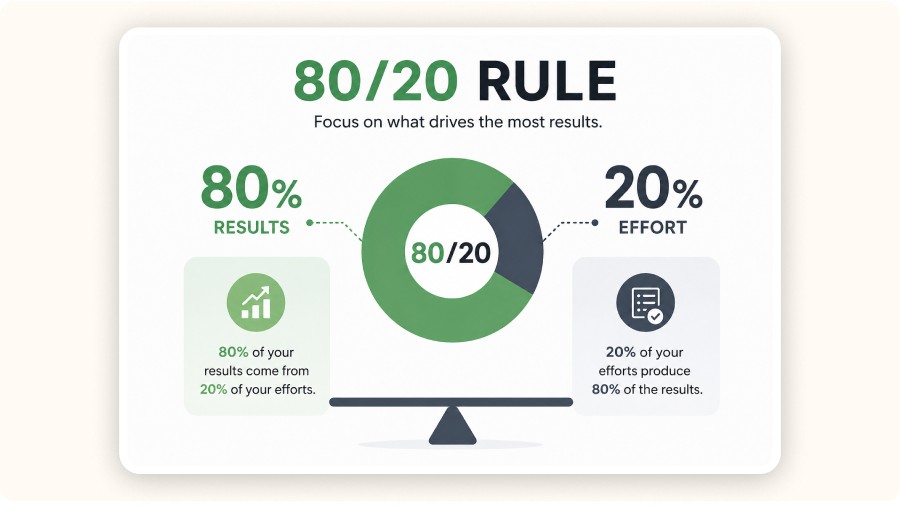
The 80/20 rule in email marketing is simple: 20% of your emails (mostly automations) drive 80% of your revenue.
Here’s what that means in practice for a dropshipping store:
Focus first on these 3 flows
If you only have one day, build these first:
Welcome Series
Abandoned Cart
Post-Purchase
Together, they cover the core buyer journey: new lead → high intent → retention.
Keep campaigns simple and tied to products that are already winning
Campaigns are where a lot of sellers waste time. They brainstorm “themes” instead of selling what already has demand.
A better rule:
Only send campaigns for products that already show strong demand in ads
Use Minea to verify the angle is working in the market before you hit send
Minea proof #3 (AdSpy-style use): Use competitor ads to write subject lines that match the hook
Your subject line is the hook. Your email body is the proof.
A simple process:
In Minea, find 10 competitor ads for the exact product angle you’re selling
Write 10 subject lines that mirror those hooks but in natural inbox language
Test them in Welcome Email #1 and Abandoned Cart Email #2
This isn’t about copying. It’s about using the market’s proven language and adapting it to your brand voice.
Step 6: Reporting, how to know if Omnisend is actually working
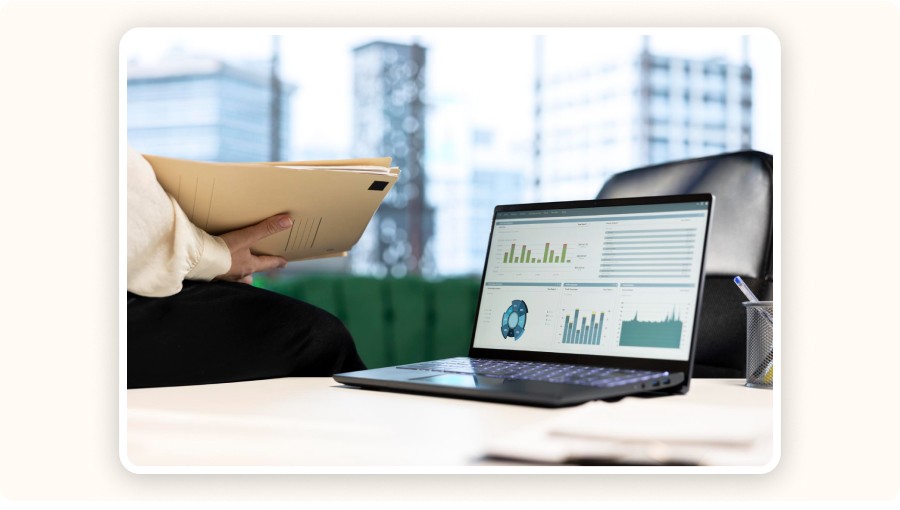
If you track the wrong numbers, you can “optimize” your way into worse margins.
For dropshipping, your core reporting set should include:
Revenue attributed to automations (not just campaigns)
Conversion rate by flow (Welcome vs Abandoned Cart vs Post-Purchase)
Unsubscribe rate + complaint rate (list health)
Revenue per recipient (RPR) for your key flows
A practical benchmark: your Abandoned Cart flow should sit clearly above baseline campaigns on RPR, because intent is higher. If it doesn’t, you likely have one of these issues:
your first email is sent too late
the email doesn’t render well on mobile
the CTA is buried or unclear
you’re missing shipping/returns clarity (trust issue)
Does Omnisend work with Shopify?
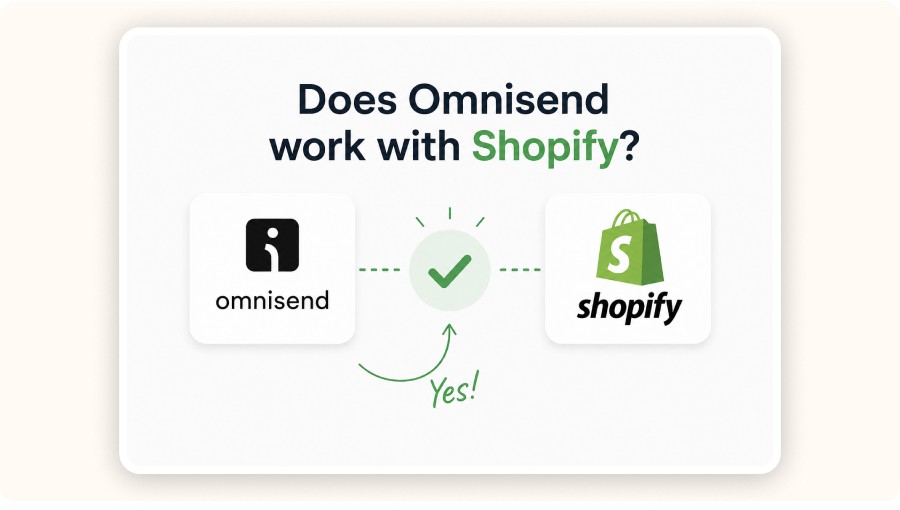
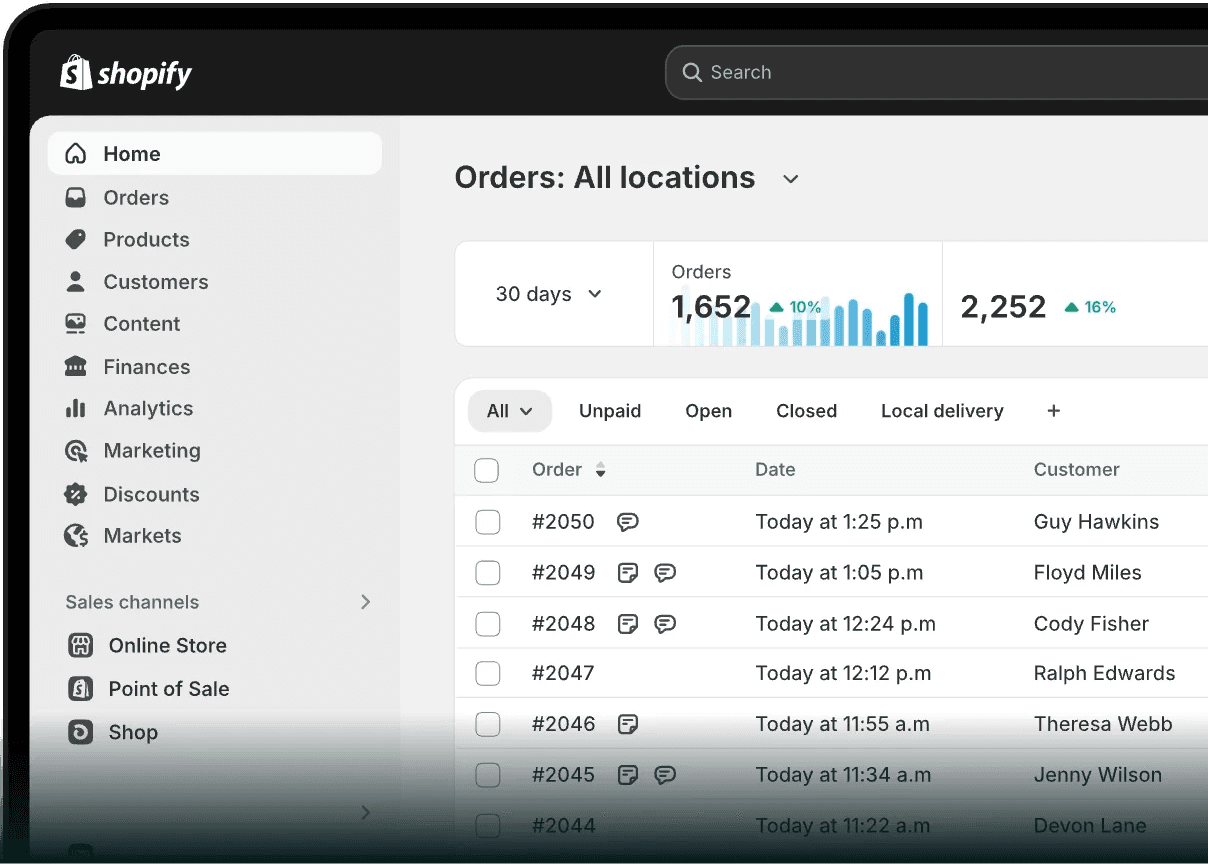
Yes, Omnisend is built to integrate with Shopify, which means it can trigger automations based on real store behavior like product views, add-to-cart events, and purchases.
In practice, that Shopify connection is what makes personalization work. Your emails aren’t generic blasts, they can dynamically pull in:
the exact product someone viewed
the items left in their cart
post-purchase recommendations based on order history
If you’re on Shopify, Omnisend is “native enough to feel seamless.”
How much does Omnisend email marketing cost for a dropshipping business?
Omnisend pricing usually scales with your contact count, so your real cost depends on list size and whether you add SMS.
To estimate cost without overthinking it:
Start with your current subscriber count
Project growth over the next 90 days (popup + checkout opt-in)
Divide expected monthly email revenue by expected monthly Omnisend cost
If your flows are set up well, it’s normal for automations alone to cover the tool cost. If they don’t, it’s usually not a pricing issue, it’s a setup issue (forms, triggers, timing, or offer).


Create and test your Shopify store for only $1 per day during 90 days
Common mistakes dropshippers make with Omnisend
Building campaigns before automations. You’ll burn hours for minimal return.
Over-discounting in every email. You train customers to wait for promos.
Hiding shipping reality. That’s how you create refunds and chargebacks.
Using one flow for every product. Segment by category or intent where it actually matters.
No feedback loop with ads. Your email hooks should match your winning ad hooks.
Omnisend alternatives
Platform | Best for | Quick note |
|---|---|---|
Klaviyo | advanced ecommerce segmentation | deep Shopify data, can get pricey |
Mailchimp | simple newsletters | easy start, lighter automation depth |
Brevo (Sendinblue) | budget email + SMS | great value, fewer ecommerce-native triggers |
Drip | DTC automation workflows | strong flows, smaller ecosystem |
ActiveCampaign | CRM + email automation | very powerful, steeper learning curve |
Verdict
Omnisend is a strong fit for Shopify-first dropshipping if you treat it like an automation engine, not a newsletter tool. Start with clean tracking, then build the five core flows (Welcome, Cart, Browse, Post-Purchase, Win-Back) and keep your offers margin-safe.
Once those are stable, add SMS only where speed matters. Measure success with automation-attributed revenue, RPR, and list health not vanity metrics. If cart RPR isn’t beating campaigns, fix timing, mobile rendering, and trust elements (shipping, returns, proof). Done right, Omnisend pays for itself and compounds over time. Pair your email angles with winning ad hooks, and you’ll keep conversions consistent.
FAQ
Is email marketing good for dropshipping?
Yes, email marketing is one of the most profitable channels for dropshipping because it helps you monetize traffic you already paid for and recover revenue from carts that would otherwise be lost.
It works best when:
you have enough traffic for automations to trigger consistently, and
your flows match your product’s buying cycle.
If you’re testing products weekly, email also acts as a stabilizer: it keeps revenue coming in while you rotate ads.
How much does Omnisend email marketing cost?
Omnisend costs mainly depend on:
your number of contacts, and
whether you use add-ons like SMS.
The practical way to judge it is ROI, not sticker price. If your Welcome and Abandoned Cart flows are set up correctly, they often cover the monthly fee by themselves. If you’re not seeing that, fix tracking and flow timing before assuming you need a different tool.
What is the 80/20 rule in email marketing?
The 80/20 rule means a small number of emails, mostly automated flows, tend to generate most of your email revenue.
For a dropshipping store, the “20%” is usually:
Welcome Series
Abandoned Cart
Post-Purchase
Win-Back
Get those right first. Campaigns are optional until your setup is stable and you have a product with consistent demand.
Does Omnisend work with Shopify?
Yes, Omnisend integrates with Shopify to pull customer, product, and order data, which enables personalized emails and behavior-based automations.
That integration powers:
cart recovery
post-purchase follow-ups
product recommendations
cleaner revenue attribution for ecommerce decisions
What are the best Omnisend automations for dropshipping?
The highest-impact Omnisend automations for dropshipping are:
Welcome Series
Abandoned Cart
Browse Abandonment
Post-Purchase (education + upsell)
Win-Back
If you’re short on time, build Welcome + Abandoned Cart first. If you care about margins and refunds, build Post-Purchase next. Once those are performing, add SMS strategically for cart recovery and service updates.
Step 4: Add SMS (only after email flows are working)
SMS can lift revenue, but it can also trigger complaints fast if you over-send.
Estimated time: 45–90 minutes
Use SMS only for moments where speed matters:
Cart abandonment (1 message, short window)
Shipping updates (service / reassurance)
A limited-time offer for a proven winner
Keep it opt-in, keep it light, and write like a real person. If your store starts to feel spammy, your brand pays the price.
Step 5: Apply the 80/20 rule to your Omnisend setup
The 80/20 rule in email marketing is simple: 20% of your emails (mostly automations) drive 80% of your revenue.
Here’s what that means in practice for a dropshipping store:
Focus first on these 3 flows
If you only have one day, build these first:
Welcome Series
Abandoned Cart
Post-Purchase
Together, they cover the core buyer journey: new lead → high intent → retention.
Keep campaigns simple and tied to products that are already winning
Campaigns are where a lot of sellers waste time. They brainstorm “themes” instead of selling what already has demand.
A better rule:
Only send campaigns for products that already show strong demand in ads
Use Minea to verify the angle is working in the market before you hit send
Minea proof #3 (AdSpy-style use): Use competitor ads to write subject lines that match the hook
Your subject line is the hook. Your email body is the proof.
A simple process:
In Minea, find 10 competitor ads for the exact product angle you’re selling
Write 10 subject lines that mirror those hooks but in natural inbox language
Test them in Welcome Email #1 and Abandoned Cart Email #2
This isn’t about copying. It’s about using the market’s proven language and adapting it to your brand voice.
Step 6: Reporting, how to know if Omnisend is actually working
If you track the wrong numbers, you can “optimize” your way into worse margins.
For dropshipping, your core reporting set should include:
Revenue attributed to automations (not just campaigns)
Conversion rate by flow (Welcome vs Abandoned Cart vs Post-Purchase)
Unsubscribe rate + complaint rate (list health)
Revenue per recipient (RPR) for your key flows
A practical benchmark: your Abandoned Cart flow should sit clearly above baseline campaigns on RPR, because intent is higher. If it doesn’t, you likely have one of these issues:
your first email is sent too late
the email doesn’t render well on mobile
the CTA is buried or unclear
you’re missing shipping/returns clarity (trust issue)
Does Omnisend work with Shopify?
Yes, Omnisend is built to integrate with Shopify, which means it can trigger automations based on real store behavior like product views, add-to-cart events, and purchases.
In practice, that Shopify connection is what makes personalization work. Your emails aren’t generic blasts, they can dynamically pull in:
the exact product someone viewed
the items left in their cart
post-purchase recommendations based on order history
If you’re on Shopify, Omnisend is “native enough to feel seamless.”
How much does Omnisend email marketing cost for a dropshipping business?
Omnisend pricing usually scales with your contact count, so your real cost depends on list size and whether you add SMS.
To estimate cost without overthinking it:
Start with your current subscriber count
Project growth over the next 90 days (popup + checkout opt-in)
Divide expected monthly email revenue by expected monthly Omnisend cost
If your flows are set up well, it’s normal for automations alone to cover the tool cost. If they don’t, it’s usually not a pricing issue, it’s a setup issue (forms, triggers, timing, or offer).
Create and test your Shopify store for only $1 per day during 90 days
Common mistakes dropshippers make with Omnisend
Building campaigns before automations. You’ll burn hours for minimal return.
Over-discounting in every email. You train customers to wait for promos.
Hiding shipping reality. That’s how you create refunds and chargebacks.
Using one flow for every product. Segment by category or intent where it actually matters.
No feedback loop with ads. Your email hooks should match your winning ad hooks.
Omnisend alternatives
Platform | Best for | Quick note |
|---|---|---|
Klaviyo | advanced ecommerce segmentation | deep Shopify data, can get pricey |
Mailchimp | simple newsletters | easy start, lighter automation depth |
Brevo (Sendinblue) | budget email + SMS | great value, fewer ecommerce-native triggers |
Drip | DTC automation workflows | strong flows, smaller ecosystem |
ActiveCampaign | CRM + email automation | very powerful, steeper learning curve |
Verdict
Omnisend is a strong fit for Shopify-first dropshipping if you treat it like an automation engine, not a newsletter tool. Start with clean tracking, then build the five core flows (Welcome, Cart, Browse, Post-Purchase, Win-Back) and keep your offers margin-safe.
Once those are stable, add SMS only where speed matters. Measure success with automation-attributed revenue, RPR, and list health not vanity metrics. If cart RPR isn’t beating campaigns, fix timing, mobile rendering, and trust elements (shipping, returns, proof). Done right, Omnisend pays for itself and compounds over time. Pair your email angles with winning ad hooks, and you’ll keep conversions consistent.
FAQ
Is email marketing good for dropshipping?
Yes, email marketing is one of the most profitable channels for dropshipping because it helps you monetize traffic you already paid for and recover revenue from carts that would otherwise be lost.
It works best when:
you have enough traffic for automations to trigger consistently, and
your flows match your product’s buying cycle.
If you’re testing products weekly, email also acts as a stabilizer: it keeps revenue coming in while you rotate ads.
How much does Omnisend email marketing cost?
Omnisend costs mainly depend on:
your number of contacts, and
whether you use add-ons like SMS.
The practical way to judge it is ROI, not sticker price. If your Welcome and Abandoned Cart flows are set up correctly, they often cover the monthly fee by themselves. If you’re not seeing that, fix tracking and flow timing before assuming you need a different tool.
What is the 80/20 rule in email marketing?
The 80/20 rule means a small number of emails, mostly automated flows, tend to generate most of your email revenue.
For a dropshipping store, the “20%” is usually:
Welcome Series
Abandoned Cart
Post-Purchase
Win-Back
Get those right first. Campaigns are optional until your setup is stable and you have a product with consistent demand.
Does Omnisend work with Shopify?
Yes, Omnisend integrates with Shopify to pull customer, product, and order data, which enables personalized emails and behavior-based automations.
That integration powers:
cart recovery
post-purchase follow-ups
product recommendations
cleaner revenue attribution for ecommerce decisions
What are the best Omnisend automations for dropshipping?
The highest-impact Omnisend automations for dropshipping are:
Welcome Series
Abandoned Cart
Browse Abandonment
Post-Purchase (education + upsell)
Win-Back
If you’re short on time, build Welcome + Abandoned Cart first. If you care about margins and refunds, build Post-Purchase next. Once those are performing, add SMS strategically for cart recovery and service updates.
Step 4: Add SMS (only after email flows are working)
SMS can lift revenue, but it can also trigger complaints fast if you over-send.
Estimated time: 45–90 minutes
Use SMS only for moments where speed matters:
Cart abandonment (1 message, short window)
Shipping updates (service / reassurance)
A limited-time offer for a proven winner
Keep it opt-in, keep it light, and write like a real person. If your store starts to feel spammy, your brand pays the price.
Step 5: Apply the 80/20 rule to your Omnisend setup
The 80/20 rule in email marketing is simple: 20% of your emails (mostly automations) drive 80% of your revenue.
Here’s what that means in practice for a dropshipping store:
Focus first on these 3 flows
If you only have one day, build these first:
Welcome Series
Abandoned Cart
Post-Purchase
Together, they cover the core buyer journey: new lead → high intent → retention.
Keep campaigns simple and tied to products that are already winning
Campaigns are where a lot of sellers waste time. They brainstorm “themes” instead of selling what already has demand.
A better rule:
Only send campaigns for products that already show strong demand in ads
Use Minea to verify the angle is working in the market before you hit send
Minea proof #3 (AdSpy-style use): Use competitor ads to write subject lines that match the hook
Your subject line is the hook. Your email body is the proof.
A simple process:
In Minea, find 10 competitor ads for the exact product angle you’re selling
Write 10 subject lines that mirror those hooks but in natural inbox language
Test them in Welcome Email #1 and Abandoned Cart Email #2
This isn’t about copying. It’s about using the market’s proven language and adapting it to your brand voice.
Step 6: Reporting, how to know if Omnisend is actually working
If you track the wrong numbers, you can “optimize” your way into worse margins.
For dropshipping, your core reporting set should include:
Revenue attributed to automations (not just campaigns)
Conversion rate by flow (Welcome vs Abandoned Cart vs Post-Purchase)
Unsubscribe rate + complaint rate (list health)
Revenue per recipient (RPR) for your key flows
A practical benchmark: your Abandoned Cart flow should sit clearly above baseline campaigns on RPR, because intent is higher. If it doesn’t, you likely have one of these issues:
your first email is sent too late
the email doesn’t render well on mobile
the CTA is buried or unclear
you’re missing shipping/returns clarity (trust issue)
Does Omnisend work with Shopify?
Yes, Omnisend is built to integrate with Shopify, which means it can trigger automations based on real store behavior like product views, add-to-cart events, and purchases.
In practice, that Shopify connection is what makes personalization work. Your emails aren’t generic blasts, they can dynamically pull in:
the exact product someone viewed
the items left in their cart
post-purchase recommendations based on order history
If you’re on Shopify, Omnisend is “native enough to feel seamless.”
How much does Omnisend email marketing cost for a dropshipping business?
Omnisend pricing usually scales with your contact count, so your real cost depends on list size and whether you add SMS.
To estimate cost without overthinking it:
Start with your current subscriber count
Project growth over the next 90 days (popup + checkout opt-in)
Divide expected monthly email revenue by expected monthly Omnisend cost
If your flows are set up well, it’s normal for automations alone to cover the tool cost. If they don’t, it’s usually not a pricing issue, it’s a setup issue (forms, triggers, timing, or offer).
Create and test your Shopify store for only $1 per day during 90 days
Common mistakes dropshippers make with Omnisend
Building campaigns before automations. You’ll burn hours for minimal return.
Over-discounting in every email. You train customers to wait for promos.
Hiding shipping reality. That’s how you create refunds and chargebacks.
Using one flow for every product. Segment by category or intent where it actually matters.
No feedback loop with ads. Your email hooks should match your winning ad hooks.
Omnisend alternatives
Platform | Best for | Quick note |
|---|---|---|
Klaviyo | advanced ecommerce segmentation | deep Shopify data, can get pricey |
Mailchimp | simple newsletters | easy start, lighter automation depth |
Brevo (Sendinblue) | budget email + SMS | great value, fewer ecommerce-native triggers |
Drip | DTC automation workflows | strong flows, smaller ecosystem |
ActiveCampaign | CRM + email automation | very powerful, steeper learning curve |
Verdict
Omnisend is a strong fit for Shopify-first dropshipping if you treat it like an automation engine, not a newsletter tool. Start with clean tracking, then build the five core flows (Welcome, Cart, Browse, Post-Purchase, Win-Back) and keep your offers margin-safe.
Once those are stable, add SMS only where speed matters. Measure success with automation-attributed revenue, RPR, and list health not vanity metrics. If cart RPR isn’t beating campaigns, fix timing, mobile rendering, and trust elements (shipping, returns, proof). Done right, Omnisend pays for itself and compounds over time. Pair your email angles with winning ad hooks, and you’ll keep conversions consistent.
FAQ
Is email marketing good for dropshipping?
Yes, email marketing is one of the most profitable channels for dropshipping because it helps you monetize traffic you already paid for and recover revenue from carts that would otherwise be lost.
It works best when:
you have enough traffic for automations to trigger consistently, and
your flows match your product’s buying cycle.
If you’re testing products weekly, email also acts as a stabilizer: it keeps revenue coming in while you rotate ads.
How much does Omnisend email marketing cost?
Omnisend costs mainly depend on:
your number of contacts, and
whether you use add-ons like SMS.
The practical way to judge it is ROI, not sticker price. If your Welcome and Abandoned Cart flows are set up correctly, they often cover the monthly fee by themselves. If you’re not seeing that, fix tracking and flow timing before assuming you need a different tool.
What is the 80/20 rule in email marketing?
The 80/20 rule means a small number of emails, mostly automated flows, tend to generate most of your email revenue.
For a dropshipping store, the “20%” is usually:
Welcome Series
Abandoned Cart
Post-Purchase
Win-Back
Get those right first. Campaigns are optional until your setup is stable and you have a product with consistent demand.
Does Omnisend work with Shopify?
Yes, Omnisend integrates with Shopify to pull customer, product, and order data, which enables personalized emails and behavior-based automations.
That integration powers:
cart recovery
post-purchase follow-ups
product recommendations
cleaner revenue attribution for ecommerce decisions
What are the best Omnisend automations for dropshipping?
The highest-impact Omnisend automations for dropshipping are:
Welcome Series
Abandoned Cart
Browse Abandonment
Post-Purchase (education + upsell)
Win-Back
If you’re short on time, build Welcome + Abandoned Cart first. If you care about margins and refunds, build Post-Purchase next. Once those are performing, add SMS strategically for cart recovery and service updates.
Similar articles
How to Use Privy Email Marketing for a Dropshipping Store in 60 Minutes (2026)
Best Email Marketing Tools
How to Use Privy Email Marketing for a Dropshipping Store in 60 Minutes (2026)
Best Email Marketing Tools
How to Use Privy Email Marketing for a Dropshipping Store in 60 Minutes (2026)
Best Email Marketing Tools
How to Use Privy Email Marketing for a Dropshipping Store in 60 Minutes (2026)
Best Email Marketing Tools


Our Free Adspys

Find winning products on our Tiktok adspy today!
Find winning products on our Facebook adspy today!
Find winning products on our Tiktok adspy today!
Find winning products on our Facebook adspy today!
Find winning products on our Tiktok adspy today!
Find winning products on our Facebook adspy today!
Find winning products on our Tiktok adspy today!
Find winning products on our Facebook adspy today!
1 winning product everyday.
Follow us!





Find out more
Read more
Minea © 2026
Find out more
Read more
Minea © 2026
Find out more
Read more
Minea © 2026
Find out more
Read more
Minea © 2026
Find out more
Read more
Minea © 2026
Find out more
Read more
Minea © 2026